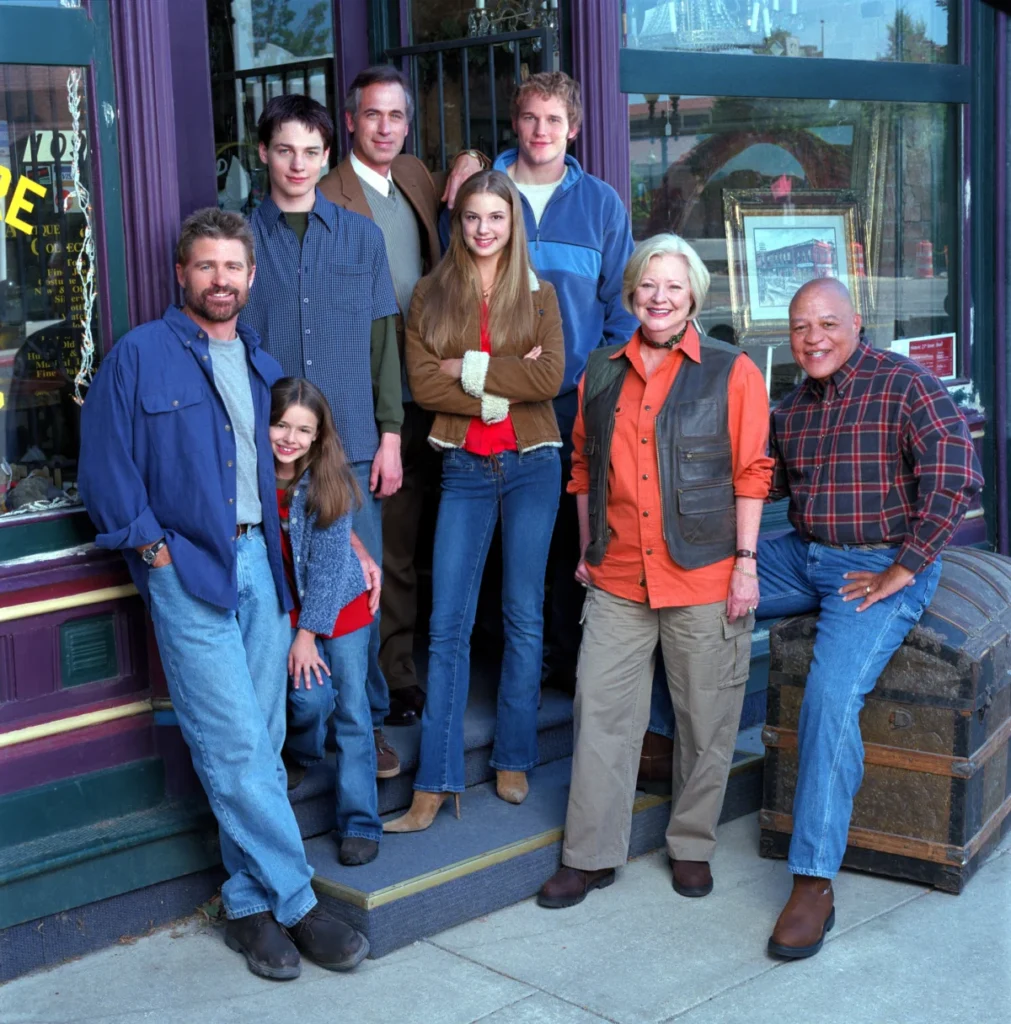

The small-town charm and deep-seated relationships that defined the WB drama Everwood may have concluded on air, but the impact of its cancellation and the poignant nature of its final episode continue to resonate with fans. The series, which premiered in 2002, was abruptly canceled by network executives just before its fourth season finale on June 5, 2006. This decision coincided with the impending launch of The CW, a new network formed from the merger of The WB and UPN, leaving many viewers disheartened by the abrupt end to a beloved narrative. However, the show’s creative team, anticipating such an eventuality, meticulously crafted a season finale that offered a sense of closure, providing a fitting, albeit bittersweet, farewell to the town and its inhabitants.
A Finale of Hope and Romantic Resolutions
The two-part season finale, aptly titled "Foreverwood," delivered a cascade of optimistic resolutions for its central characters, a stark contrast to the looming uncertainty of the show’s future. Dr. Andy Brown (Treat Williams), a widower and renowned neurosurgeon who relocated his family to the titular town, found himself navigating complex romantic entanglements. His long-held affections for his neighbor, Nina (Stephanie Niznik), were challenged by the arrival of romantic rival Jake (Scott Wolf). Simultaneously, Andy’s son, Ephram (Gregory Smith), a talented young musician, faced his own romantic crossroads with his childhood friend and former girlfriend, Amy Abbott (Emily VanCamp), who was also entangled with another suitor, Stephanie (Luciana Carro).
The narrative threads in "Foreverwood" were carefully woven to tie up loose ends. Jake, recognizing the depth of Andy’s feelings for Nina and the presence of an engagement ring Andy intended to present, made the difficult decision to depart from Everwood. This paved the way for Andy to finally propose to Nina after a poignant moment of remembrance at his late wife’s grave, to which Nina happily accepted. In parallel, the bat mitzvah of Andy’s daughter, Delia (Vivien Cardone), served as a catalyst for Ephram and Amy’s reconciliation. Amidst the festivities, a drunken confession from Amy led to a heartfelt declaration of love, culminating in a memorable scene where Ephram rented a Ferris wheel for a romantic gesture, a proposal Amy gratefully accepted.
Beyond the central romances, other characters also found their arcs culminating in satisfying conclusions. Andy’s colleague, Dr. Harold Abbott (Tom Amandes), and his wife, Mayor Rose Abbott (Merrilyn Gann), who had struggled with infertility, were unexpectedly presented with a newborn when one of Harold’s patients left an infant on their doorstep. This joyous, albeit unconventional, development coincided with their agreement to welcome Harold’s grieving mother, Edna (Debra Mooney), into their home, signifying a renewed sense of family and belonging. Amy’s close friend, Hannah (Sarah Drew), made a significant decision about her future, opting to attend a local university over a full scholarship to Notre Dame to remain closer to her boyfriend, Bright Abbott (Chris Pratt), Amy’s brother. The finale also saw Andy fulfill a long-standing promise to Delia, gifting her the pony he had intended to buy years prior.
The sheer volume of positive outcomes in the finale was so pronounced that it even prompted a meta-commentary within the show itself. Ephram, reflecting on the unexpected confluence of happy events, voiced a sentiment echoed by many viewers: "I’m so used to things not working out the way they’re supposed to that I get a little freaked out when they do." This line perfectly encapsulated the feeling of a show that, while often grounded in realistic struggles, ultimately aimed to provide a hopeful outlook.
The Network Landscape: Merger, Cancellation, and the Rise of The CW
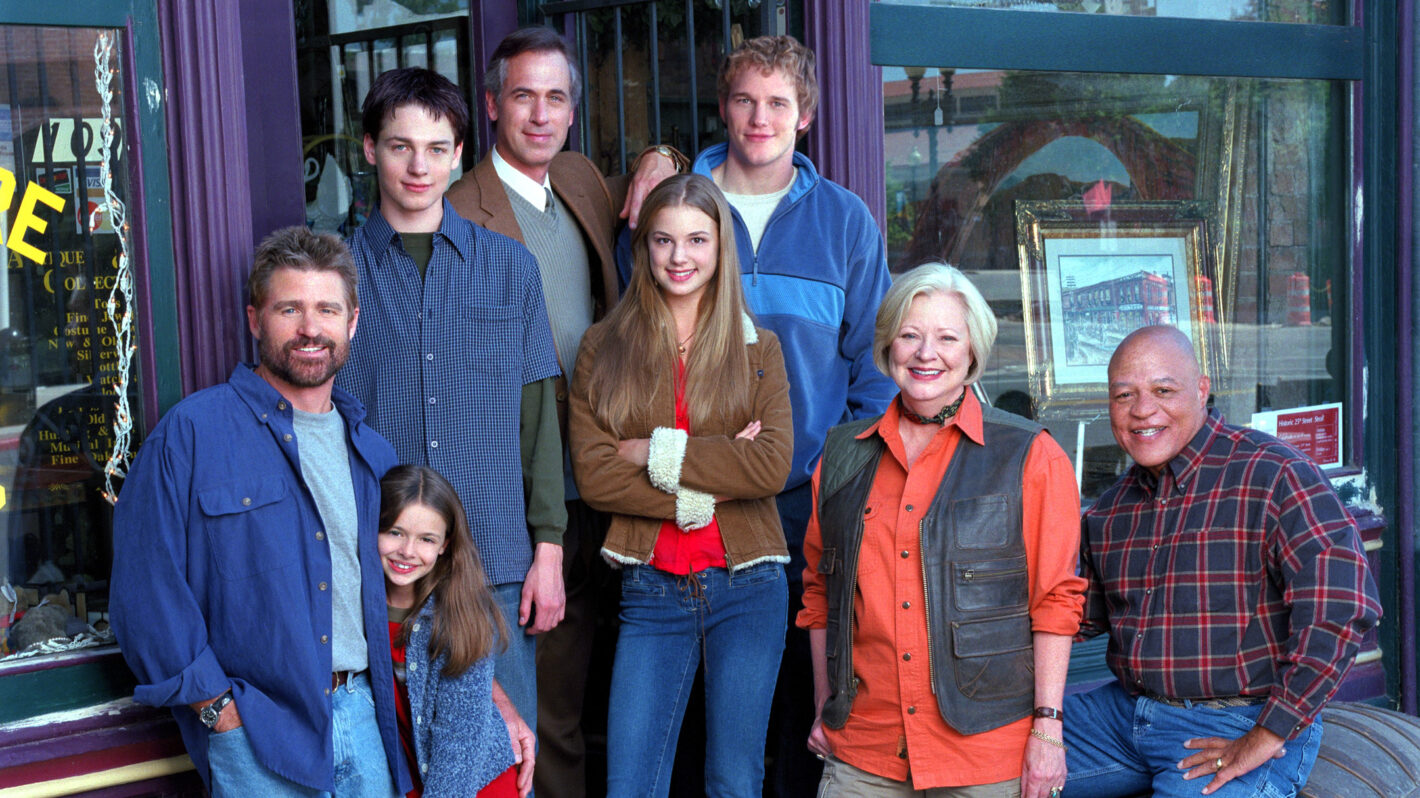
The cancellation of Everwood occurred during a significant transitional period in American broadcast television. In the spring of 2006, The WB, a network known for its teen-oriented dramas, was slated to merge with UPN, another network with a similar demographic focus, to form a new entity: The CW. Initially, Everwood was widely expected to be part of The CW’s inaugural fall 2006 lineup. Reports from publications like TV Guide indicated that the show had been listed on The CW’s forthcoming schedule, and insiders confirmed its initial slotting.
The competition for a coveted spot on the new network was fierce. Everwood creator Greg Berlanti recalled the intense atmosphere, stating in a 2016 interview with Entertainment Weekly, "It became about who is going to make the switch to the CW. It was us, Veronica Mars, and Supernatural that were all fighting for our lives, and we had heard that two of the three would basically make it." This competitive landscape added another layer of uncertainty for fans and the show’s production team.
The pivotal moment that sealed Everwood‘s fate came with the unexpected success of another long-running series. The tenth season finale of 7th Heaven, which had been produced with the intention of serving as the show’s series finale, garnered a surprisingly strong viewership of over 7 million viewers. This impressive performance prompted then-CW boss Dawn Ostroff to renew 7th Heaven for an eleventh season, a decision that directly led to the cancellation of Everwood. The network’s strategic shift, prioritizing the established audience of 7th Heaven, meant that Everwood, despite its critical acclaim and dedicated fanbase, was ultimately cut from the roster.
A Precautionary Measure: The Alternate Ending
The Everwood writing team and producers demonstrated remarkable foresight in preparing for the possibility of cancellation. Executive producer Rina Mimoun revealed to Entertainment Weekly that they had actually filmed two distinct endings for the fourth season. The aired finale featured Amy confessing her feelings to Ephram, leading to their romantic reunion. However, an unseen alternate ending existed, which would have drastically altered the narrative trajectory.
In this unaired version, Ephram was on the verge of joining Amy downstairs when he received a phone call from Madison, his former girlfriend who had previously given birth to their child. This call would have kept Ephram occupied in his apartment, effectively delaying or preventing his reunion with Amy. Mimoun explained that this alternate scenario was intended to play out with the potential return of Sarah Lancaster, who had previously portrayed Madison. This contingency plan underscores the producers’ awareness of the precariousness of their situation and their dedication to providing a satisfying conclusion, regardless of the network’s final decision.
Critical Reception: A Divide on Sentimental Endings
The "Foreverwood" finale elicited a range of reactions from television critics, with a notable divide emerging between those who embraced its sentimental conclusion and those who found it overly saccharine. Virginia Heffernan of The New York Times described the finale as a "gorgeously sentimental extravaganza," asserting that Everwood "making its cancellation look entirely natural and expiring on the same note of decorous sentimentality that propelled it for four charmed years." She observed that "happily-ever-after was the only way things were ever going to end in the kindly town."

Similarly, Jennifer Armstrong of Entertainment Weekly offered praise, stating, "There’s nothing better than a well-earned sap-fest: that crucial opportunity that comes along, every once in a great while, to get your happy ending, to experience a moment better than you’d dared to hope, after you’ve been through a hell of a lot of crap to get there." This perspective highlighted the audience’s desire for emotional catharsis and a sense of earned happiness after investing in the characters’ journeys.
However, not all critics shared this positive assessment. Hillary Frey of Salon expressed disappointment, labeling the finale as "trite and uncharacteristically cliché." Frey questioned the abundance of resolutions, asking, "Did Ephram and Amy, and Nina and Andy, all have to fall cozily back in love? Did Harold and Rose really have to have a baby delivered to their doorstep? Did Harold’s grieving mother really have to be happy about moving in with her son, when for four years we’ve watched her struggle to even like him?" Frey concluded that "As the finale, it was just too much good cheer for a show that so decently dealt with the darker things in life," suggesting that the finale veered too far into idealism for a show that had often tackled more complex and somber themes with nuance.
The Lingering Question: A Future for Everwood?
Following the cancellation, the prospect of a revival or continuation of Everwood remained a topic of discussion among fans and industry insiders. In 2018, Greg Berlanti, the show’s creator, expressed a willingness to revisit the series, telling Variety, "I think it’s about schedules and finances and budget and if we can get a budget to a place, I think that there’s a real shot that that could come back. I think we just have to figure out what would be the best way to do it…" This statement offered a glimmer of hope for fans who yearned for more stories from Everwood.
However, by 2021, those hopes seemed to have diminished. Emily VanCamp, who portrayed Amy Abbott, shared in an interview with People, "There had been talks for a minute about a potential revisiting of [Everwood], which I would have been a thousand percent down for. But I don’t know whatever really happened." This sentiment suggested that while discussions may have occurred, they did not materialize into concrete plans for a reboot.
The possibility of a future installment appears even more remote today, particularly in light of the tragic passing of key cast members. Stephanie Niznik, who played Nina, died in 2019, and Treat Williams, the beloved star who embodied Dr. Andy Brown, passed away in 2023. While Jon Beasley, who played Irv Harper, also passed away in 2023, his character had died prior to the series finale. The absence of these integral figures significantly impacts the feasibility of a direct continuation or revival.
Despite the show’s untimely end and the challenges to its potential revival, Everwood‘s legacy endures. For fans eager to revisit the poignant narratives and enduring relationships, all four seasons of the series are currently available for streaming on Prime Video, offering a readily accessible portal back to the charming, albeit fictional, town of Everwood. The show’s impact, characterized by its exploration of family, loss, and the enduring power of human connection, continues to resonate, solidifying its place as a memorable chapter in the history of television drama.