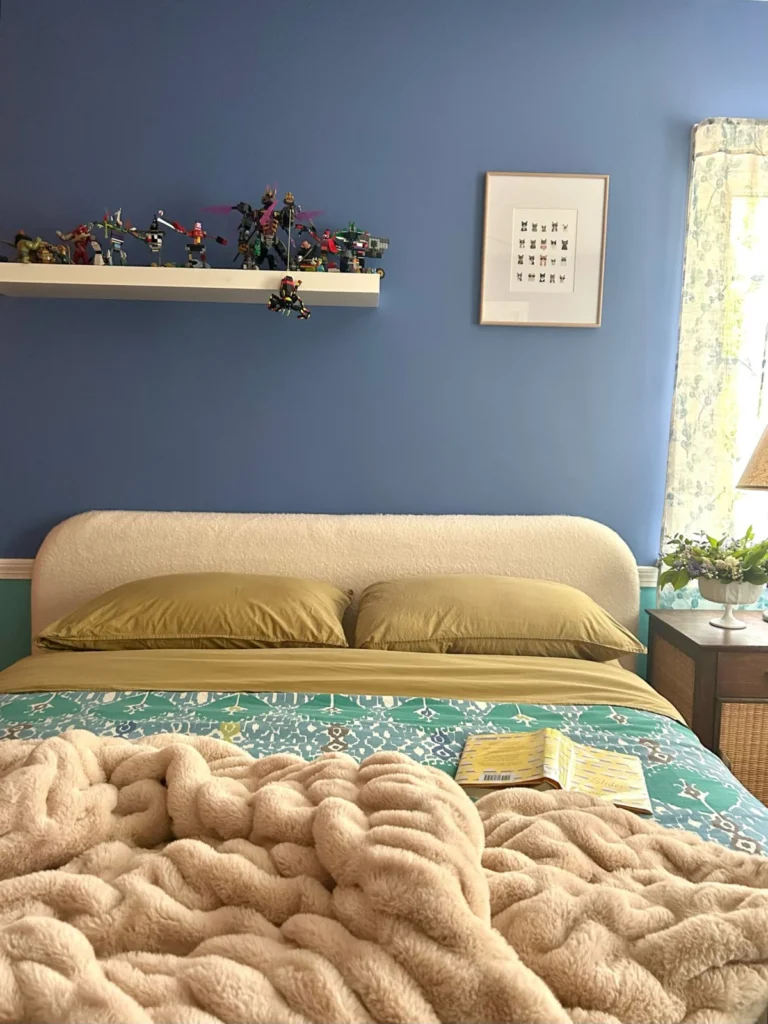

The home furnishings industry has undergone a radical transformation over the past decade, shifting from traditional, bulky showroom models to agile, direct-to-consumer (DTC) logistics. At the forefront of this movement is Cozey, a company that built its reputation on modular seating and has now aggressively expanded into the bedroom sector. The Cozey Ara Boucle Round Headboard Bed represents a significant milestone in this expansion, blending the aesthetic demands of modern "soft minimalism" with the practical requirements of urban living, such as portability, storage, and maintenance. As consumers increasingly prioritize flexibility and longevity, the Ara bed emerges as a case study in how modular design can solve perennial problems associated with traditional furniture, specifically regarding assembly, transportation, and stylistic adaptability.
Technical Specifications and Product Overview
The Cozey Ara bed is engineered as a modular system, a departure from the monolithic frames traditionally sold by high-end retailers. The model tested, featuring a queen-sized round bed frame and a matching headboard, carries specific dimensions designed to balance presence with spatial efficiency. The frame measures 88 inches in length, 68.25 inches in width, and 14.5 inches in height. The accompanying headboard stands 35.25 inches high with a width of 73 inches.
Constructed from a powder-coated steel frame, the bed offers a structural integrity that often surpasses the wooden slats found in mid-century modern alternatives. The upholstery is a creamy bouclé—a fabric characterized by its curled or looped yarn—which provides a tactile, "teddy bear-like" texture. A defining feature of the Ara system is its customization; consumers can choose between various silhouettes, including round, square, pillow, and extended headboards. Furthermore, the upholstery is secured via a high-strength velcro system, making it entirely removable, machine-washable, and replaceable.
The Logistics of Modular Delivery and Assembly
One of the primary barriers to purchasing high-quality bedroom furniture is the logistical nightmare of delivery and assembly. Traditional bed frames often require "white-glove" delivery services due to the size of the headboard and side panels. Cozey’s business model bypasses this by utilizing a modular approach that allows the entire bed to be shipped in several smaller, manageable boxes.

The delivery timeline for the Ara bed typically spans approximately one week from the order date. By optimizing packaging, Cozey is able to offer free shipping, a competitive advantage in a market where shipping costs for heavy furniture can often exceed $200. The assembly process is designed for the layperson, requiring no specialized tools beyond what is provided in the kit.
The assembly chronology begins with the placement of two interconnected steel frames. These frames serve as the foundation, featuring legs equipped with rubber pads to prevent floor damage. The side panels and headboard components are then attached to the steel skeleton. During recent testing, the assembly was completed in approximately 45 minutes by a two-person team. While the process is intuitive, the precision-engineered upholstery covers are designed for a "snug fit," which requires significant physical effort to slide over the foam panels—a trade-off for the seamless, high-end look of the finished product.
Material Science and Maintenance: The Bouclé Trend
The choice of bouclé for the Ara bed is a calculated response to current interior design trends. Bouclé, which saw a massive resurgence in 2023 and 2024, offers a soft, inviting aesthetic that contrasts with the cold, hard lines of industrial or ultra-modern furniture. Beyond its visual appeal, the fabric choice serves a functional purpose.
In a household environment, particularly one with children or pets, the longevity of light-colored furniture is often a concern. Cozey addresses this by making the covers removable and machine-washable. This feature significantly extends the product’s lifecycle. Should a consumer wish to redecorate, replacement covers start at $155, allowing for a total aesthetic overhaul without the need to purchase a new frame. This modularity aligns with the growing "circular economy" trend, where products are designed to be updated and repaired rather than replaced.
Performance Analysis: Sturdiness and Ergonomics
In terms of structural performance, the Ara bed scores high marks for stability. The powder-coated steel frame eliminates the creaking often associated with wooden frames over time. During stress tests involving high-impact movements, the frame remained stationary, demonstrating the efficacy of its weighted steel base and rubberized feet.

However, the ergonomic design presents some considerations for different user profiles. The headboard, while aesthetically pleasing and sturdy, features a firm padding that may require additional pillows for those who prefer to sit up and read in bed. At 35.25 inches in height, the headboard may also feel somewhat short for taller users. Comparative analysis suggests that a taller or more heavily cushioned headboard option could further enhance the "cozy" experience the brand promotes.
Another factor noted during the initial setup was "off-gassing"—the release of volatile organic compounds (VOCs) common in new manufactured furniture and foam. While this scent dissipated within several days of ventilation, it is a standard consideration for consumers sensitive to new-product odors.
Market Context: The Rise of the Storage Bed
The integration of hidden storage in the Ara bed is a response to the "tiny home" and urban apartment movement. As living spaces shrink, the demand for multifunctional furniture has surged. According to market research, the global storage bed market is expected to grow significantly as consumers seek to maximize square footage.
The Ara bed’s storage solution is particularly effective because it does not compromise the bed’s exterior silhouette. The sliding storage mechanism allows users to stow away bulky items—such as seasonal clothing, linens, or, as noted in family testing, a collection of stuffed toys—maintaining a minimalist and clutter-free environment. This "compromise" between style and utility is a key driver for the product’s success in the millennial and Gen Z demographics.
Economic and Environmental Implications
At a price point of approximately $1,395 for a queen configuration, the Cozey Ara bed sits in the mid-to-high range of the DTC market. However, its value proposition is bolstered by its modularity. The ability to move the bed in small boxes makes it an ideal investment for renters who move frequently. In traditional furniture ownership, the "move" is often where furniture is damaged or discarded because it cannot fit through narrow stairwells or elevators.

From an environmental perspective, the modular shipping model reduces the carbon footprint associated with oversized freight. Furthermore, the ability to replace only the fabric covers rather than the entire frame reduces landfill waste. As ESG (Environmental, Social, and Governance) criteria become more important to consumers, Cozey’s design philosophy positions it as a more sustainable alternative to "fast furniture."
Statements and Brand Trajectory
While Cozey has not released specific sales figures for the Ara line, industry analysts point to the brand’s rapid expansion into the bedroom as a sign of strong venture backing and consumer trust. Following the success of their Neptune sleeper sofa, the Ara bed confirms the company’s intent to become a "whole-home" modular solution.
Market reactions from interior designers have been largely positive, praising the "round" silhouette for its ability to soften angular rooms. "The shift toward curved furniture is a reaction against the sharp, clinical lines of the last decade," says one industry commentator. "Cozey is capitalizing on this by offering a customizable version of a high-end look at a fraction of the traditional cost."
Conclusion: A Benchmark for Modern Living
The Cozey Ara Boucle Round Headboard Bed is more than a piece of furniture; it is a reflection of the modern consumer’s lifestyle. It prioritizes ease of transport, ease of maintenance, and aesthetic flexibility. While there are minor areas for improvement—such as the height of the headboard and the initial off-gassing—the bed’s overall performance, sturdiness, and innovative storage solutions make it a leader in its category.
As the furniture industry continues to evolve, the modularity seen in the Ara bed will likely become the standard rather than the exception. For the modern inhabitant—whether they are a parent managing a child’s toy collection or an apartment dweller preparing for their next move—the Ara bed offers a rare combination of luxury feel and utilitarian logic. The success of this model suggests that the future of home design lies in pieces that can grow, move, and change alongside the people who use them.