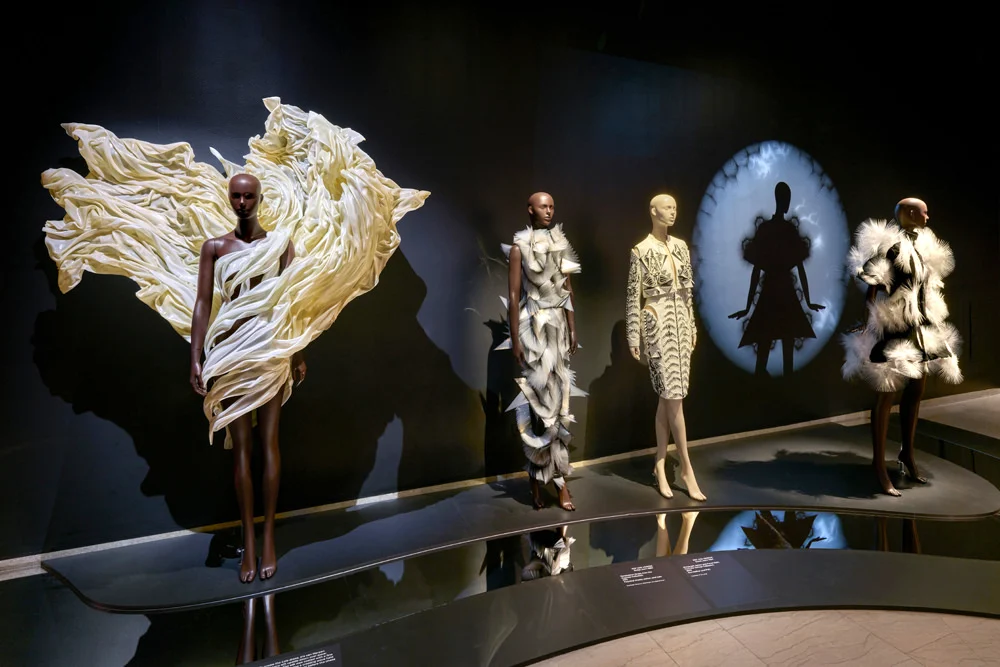

This major New York exhibition follows a successful international tour that began in 2023 at the Musée des Arts Décoratifs in Paris. Since its inception, the show has traveled to the Queensland Art Gallery | Gallery of Modern Art (QAGOMA) in Brisbane, the ArtScience Museum in Singapore, and the Kunsthal Rotterdam. The Brooklyn presentation represents the final and most extensive leg of this journey, featuring over 140 haute couture creations. These are displayed not in isolation, but in a curated dialogue with contemporary artworks, scientific specimens, and design artifacts that illuminate the complex web of inspirations behind Van Herpen’s visionary practice.
A Revolutionary Synthesis of Craft and Technology
Iris van Herpen’s work is characterized by its defiance of the traditional boundaries of the fashion industry. Since founding her Amsterdam-based maison in 2007, she has become a pioneer in the application of technologies such as 3D printing and laser cutting within the realm of high fashion. The exhibition highlights her unique ability to fuse these modern industrial processes with the meticulous hand-craftsmanship of traditional couture.
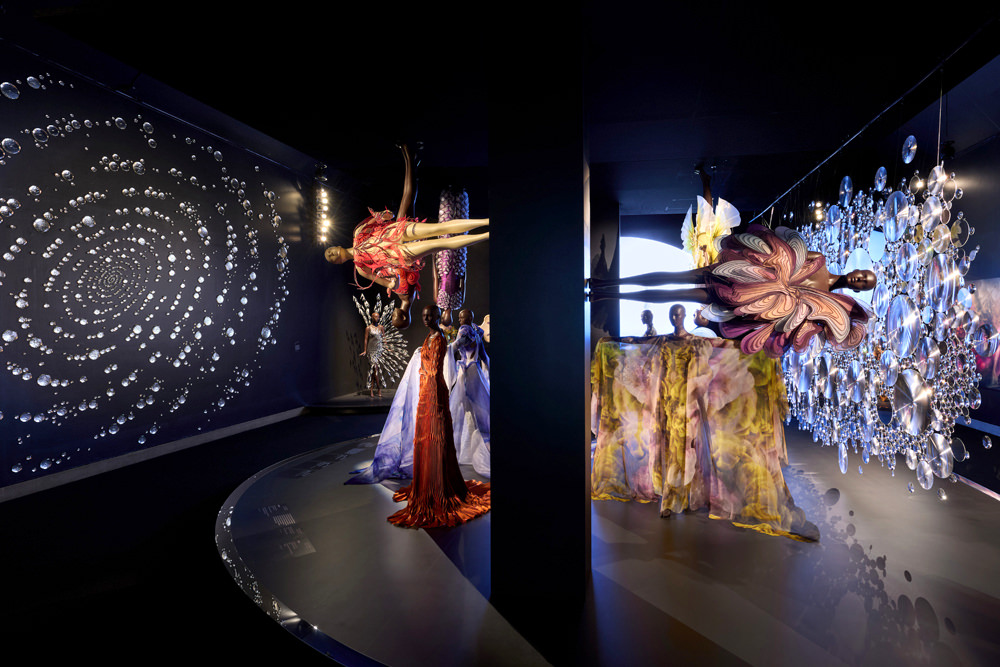
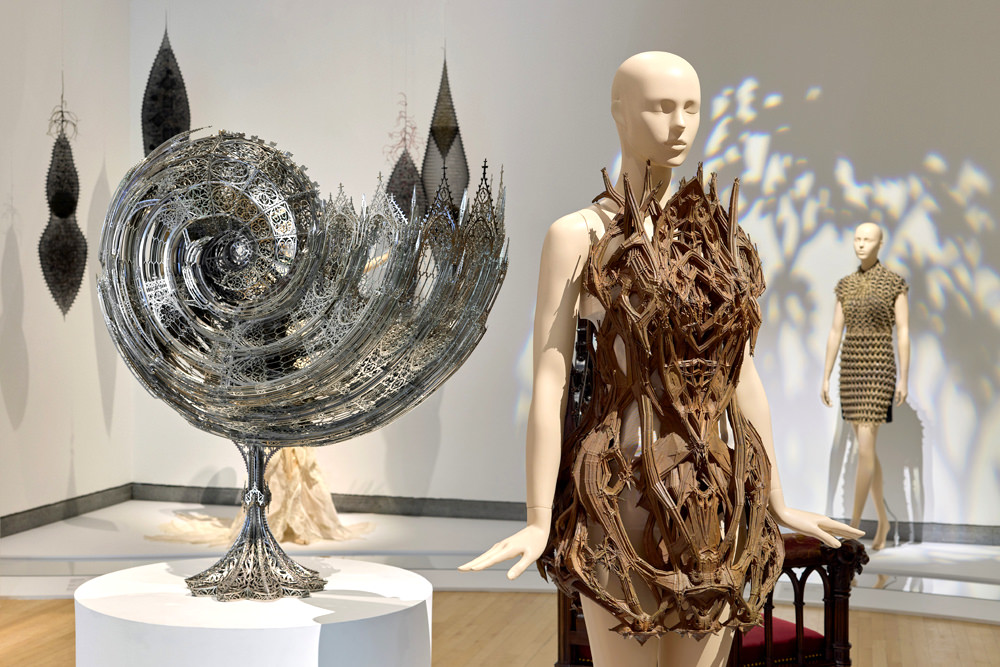
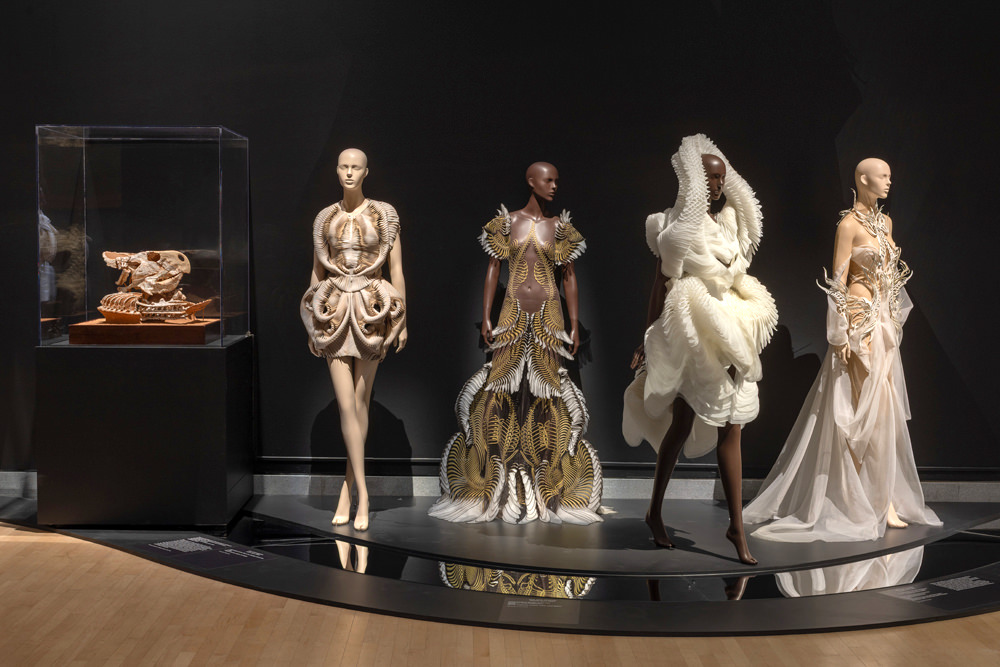
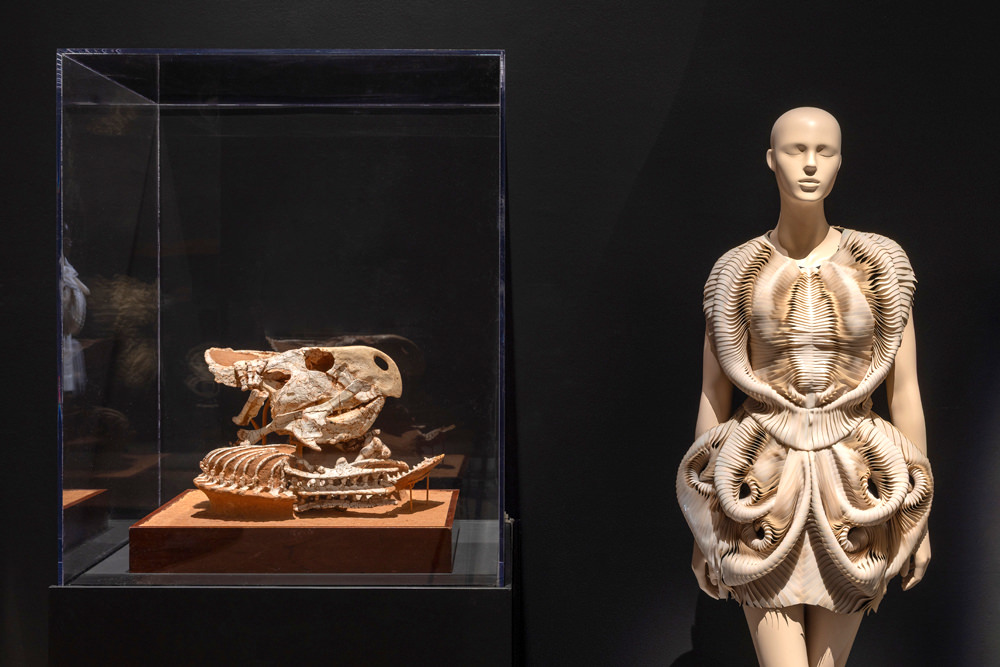
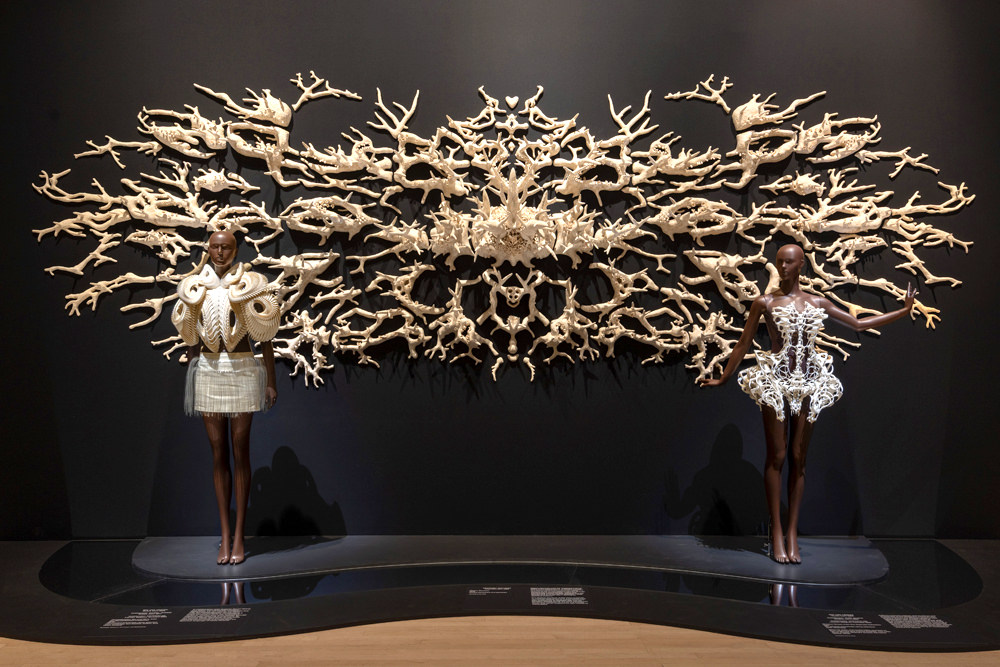
Visitors will encounter a wide array of materials that challenge the definition of "fabric," including injection-molded resins, laser-cut Mylar, and 3D-printed polymers. One of the central pillars of the exhibition is Van Herpen’s 2010 "Crystallization" collection, which marked the first time a 3D-printed garment was ever presented on a fashion runway. This moment is widely cited by fashion historians as a paradigm shift, signaling the entry of digital fabrication into the world of luxury design.
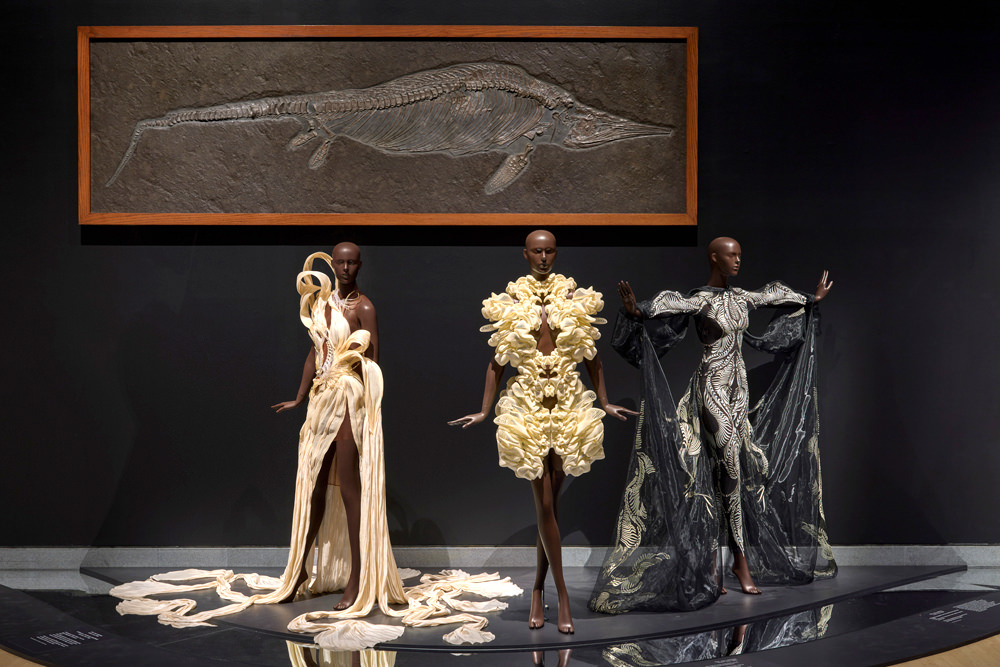
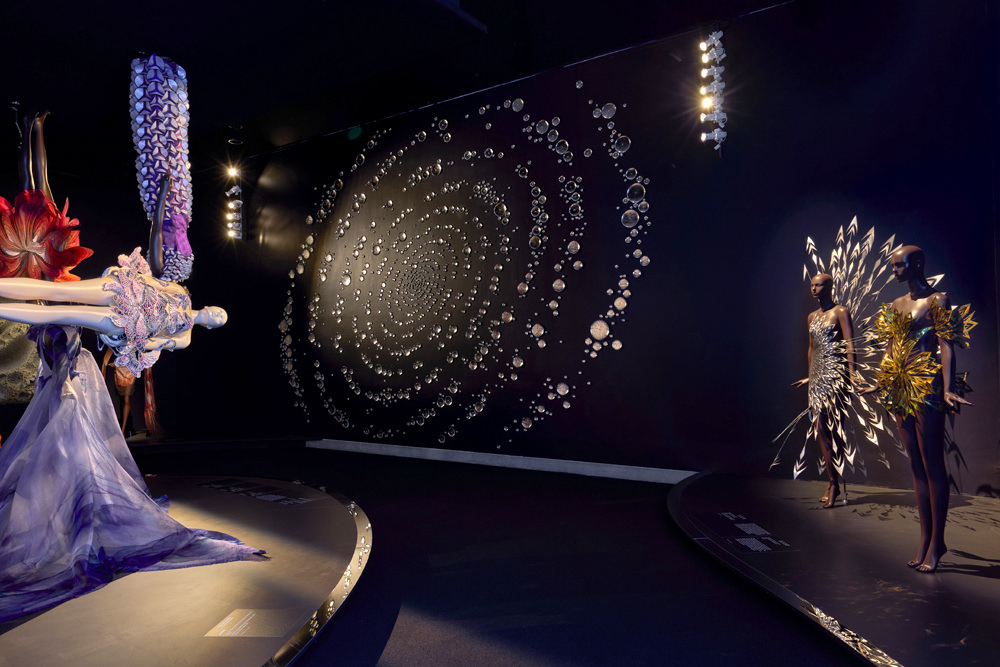
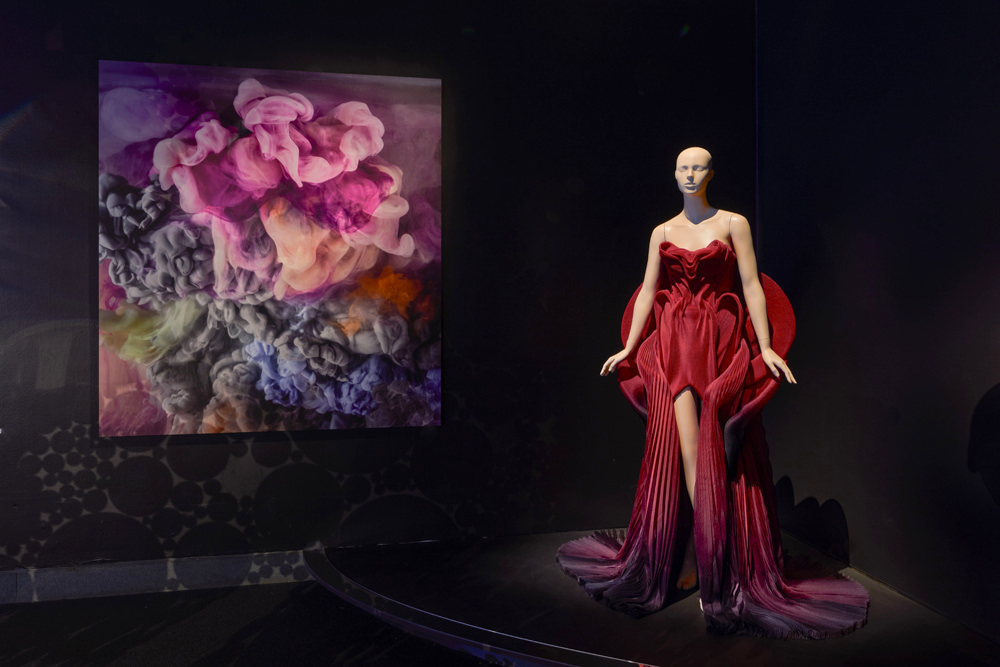
The exhibition is structured thematically rather than chronologically, allowing visitors to navigate the designer’s obsessions with the natural world. From the micro-structures of fungi and the branching systems of the human nervous system to the macro-dynamics of planetary motion and deep-sea bioluminescence, Van Herpen’s work seeks to "sculpt the senses" by making the invisible forces of nature tangible.
Chronology and Global Reach of the Exhibition
The arrival of "Sculpting the Senses" in New York is the culmination of a multi-year global initiative to document the evolution of Van Herpen’s career. The timeline of the exhibition’s development reflects the growing institutional recognition of fashion as a serious academic and artistic discipline:
- November 2023: World premiere at the Musée des Arts Décoratifs, Paris.
- Mid-2024: Exhibition travels to QAGOMA, Australia, emphasizing the designer’s connection to organic forms.
- Late 2024 – Early 2025: Presentation at Singapore’s ArtScience Museum, highlighting the technological aspects of her work.
- Early 2026: Final European showing at Kunsthal Rotterdam in the designer’s home country.
- May 16, 2026: North American debut at the Brooklyn Museum.
The Brooklyn presentation is curated by Cloé Pitiot, Curator of Art Nouveau, Art Deco, and Contemporary Design, and Louise Curtis, Assistant Curator, both from the Musée des Arts Décoratifs. The local organization is led by Matthew Yokobosky, the Brooklyn Museum’s Senior Curator of Fashion and Material Culture, alongside Imani Williford, Curatorial Assistant.
Interdisciplinary Dialogue and Scientific Artifacts
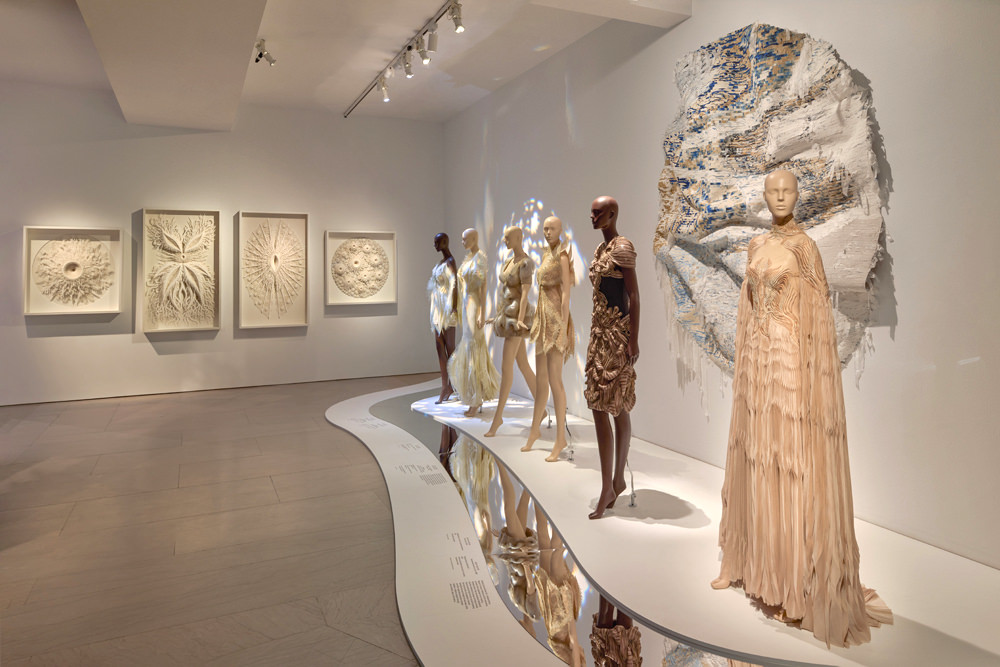
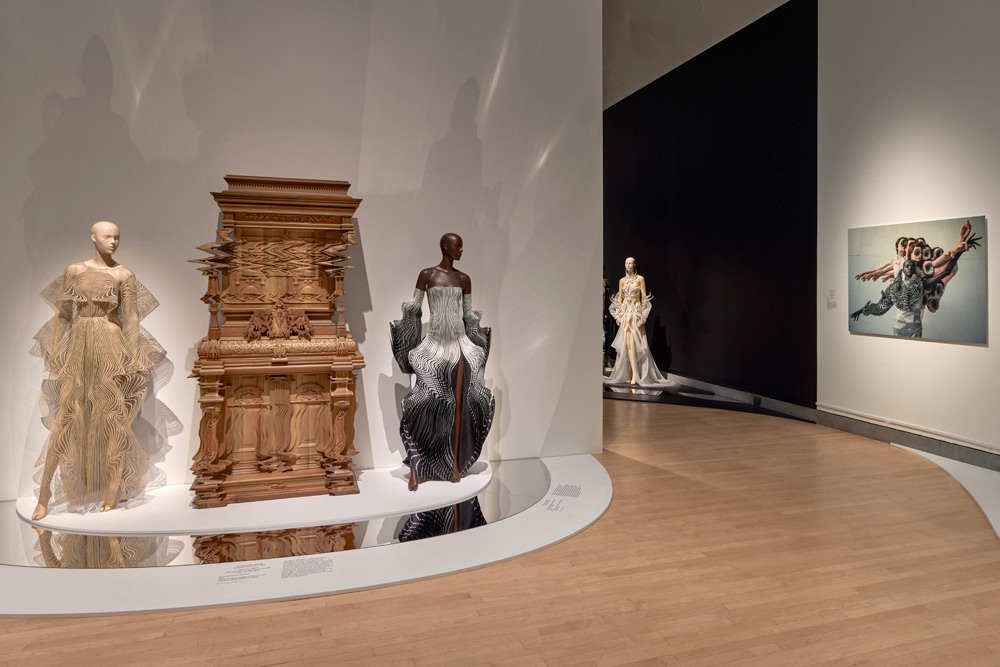
One of the most distinctive features of the Brooklyn Museum’s presentation is the inclusion of works from its own diverse collections. By integrating pieces from its American, Asian, Contemporary, and Feminist art departments, the museum situates Van Herpen within a broader lineage of cross-disciplinary creativity.
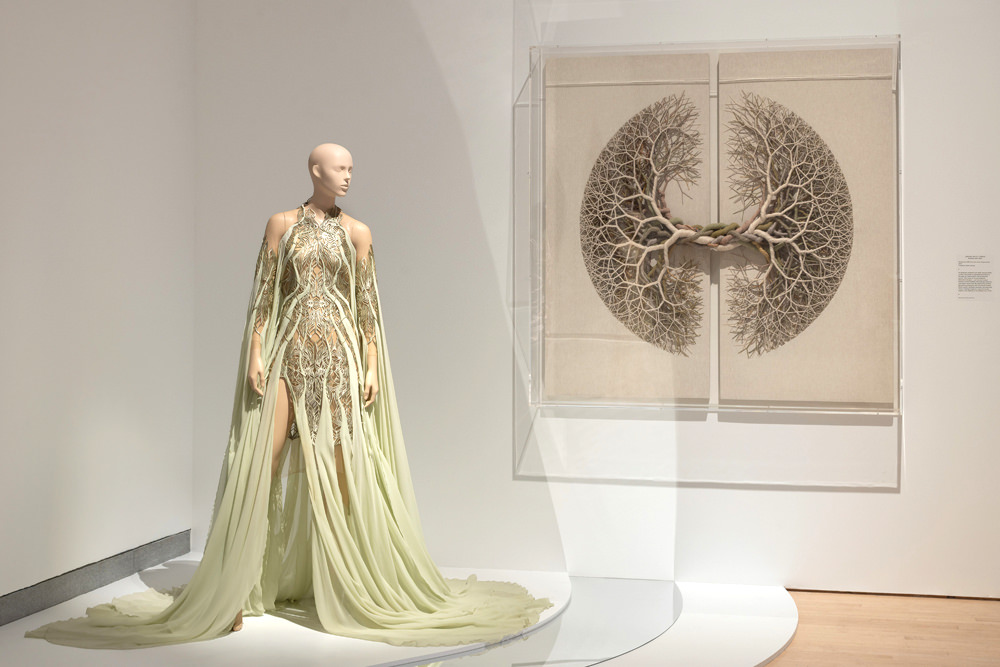
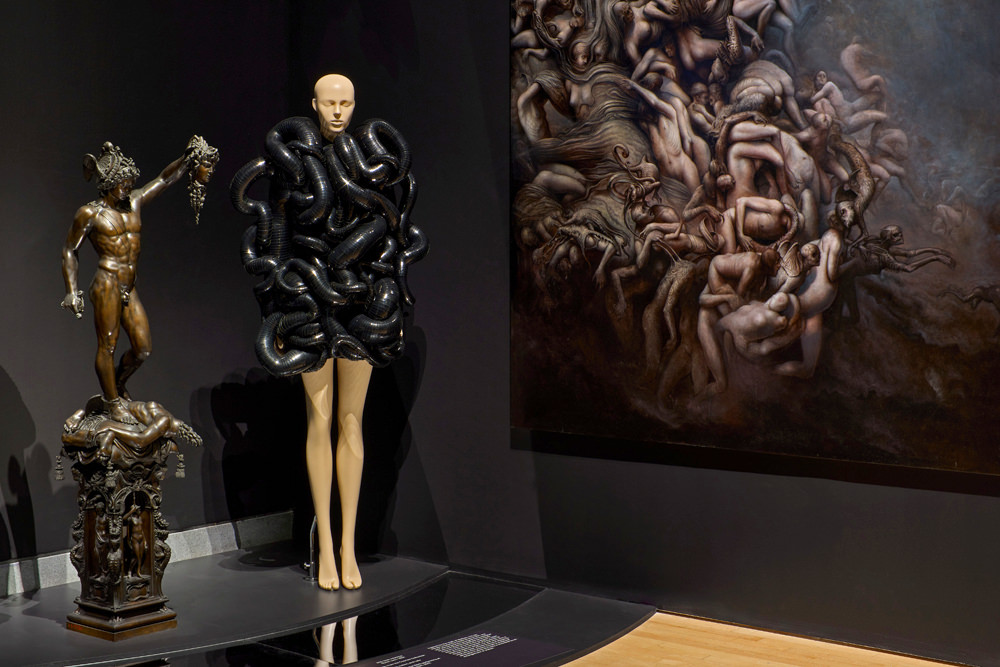
The exhibition places Van Herpen’s couture in conversation with works by renowned contemporary artists such as Philip Beesley, whose "living architecture" installations share Van Herpen’s interest in responsive environments, and Nick Knight, the fashion photographer who has long documented her work. Other featured artists include Agostino Arrivabene, Casey Curran, and the Japanese art collective Mé.
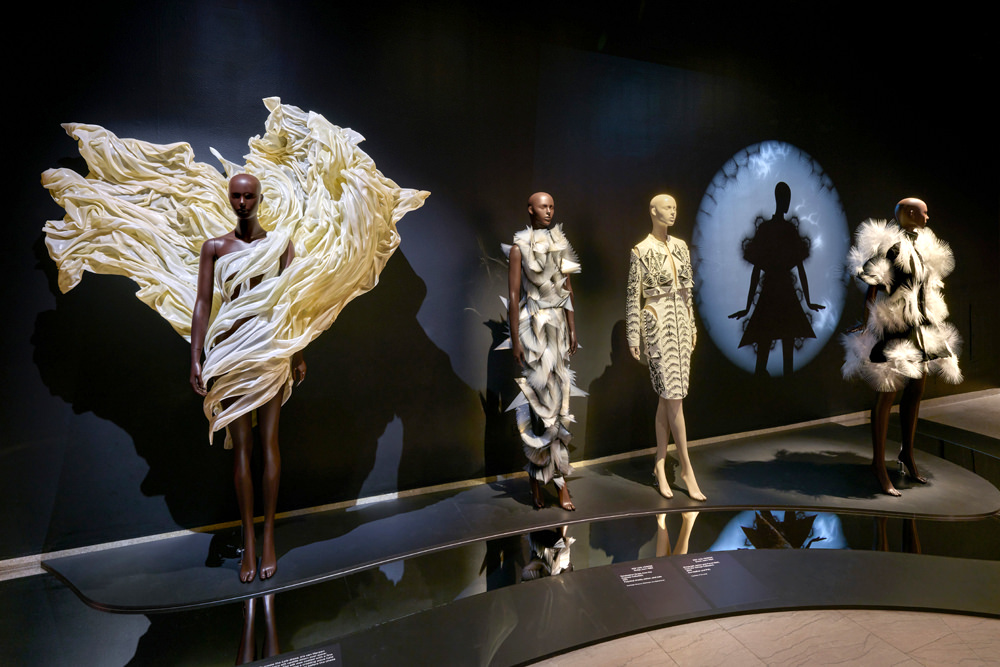
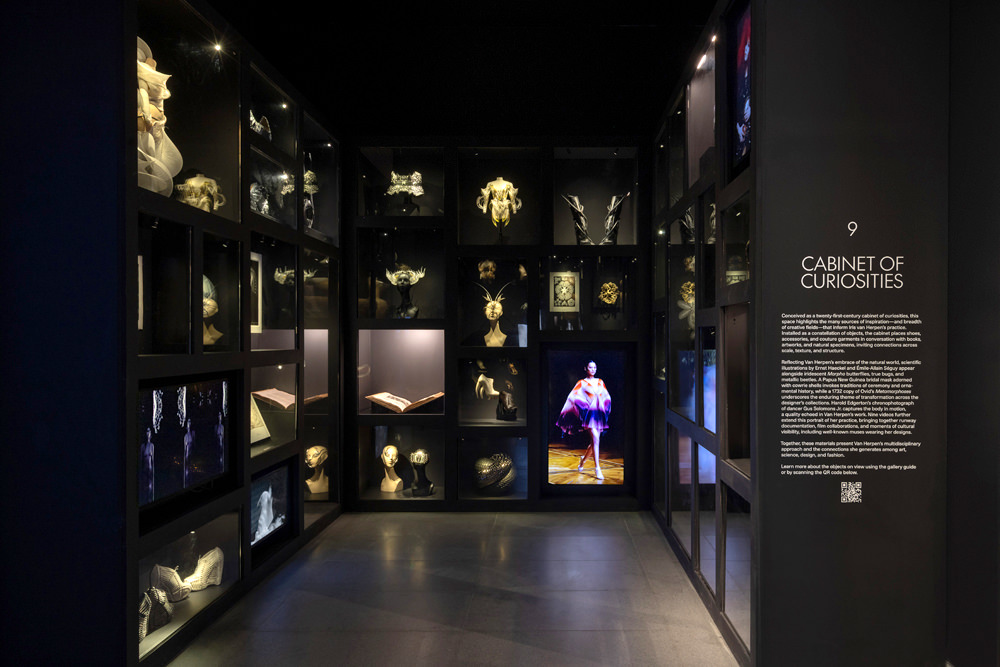
Furthermore, the display includes scientific artifacts—coral formations, fossils, and anatomical skeletons—that serve as the literal blueprints for many of her designs. This interdisciplinary approach pays homage to the Brooklyn Museum’s origins. Founded in 1890 as the Brooklyn Institute of Arts and Sciences, the institution originally housed both fine art and scientific specimens under one roof. "Sculpting the Senses" effectively reunites these disciplines, showing how a designer can use the laws of physics or the patterns of mycology to inform the silhouette of a gown.
Supporting Data and Institutional Impact
The presentation of such a large-scale fashion exhibition is a significant undertaking for the Brooklyn Museum, supported by the Simons Foundation as part of its "Infinite Sums" initiative. This initiative is designed to foster public engagement with the beauty and logic of mathematics and science through the lens of art.
Data from previous fashion-centric exhibitions at the Brooklyn Museum, such as "Christian Dior: Designer of Dreams" and "Thierry Mugler: Couturissime," suggest that "Sculpting the Senses" will be a major driver of museum attendance and tourism. The Dior exhibition, for instance, drew hundreds of thousands of visitors, demonstrating the public’s immense appetite for high-concept fashion.
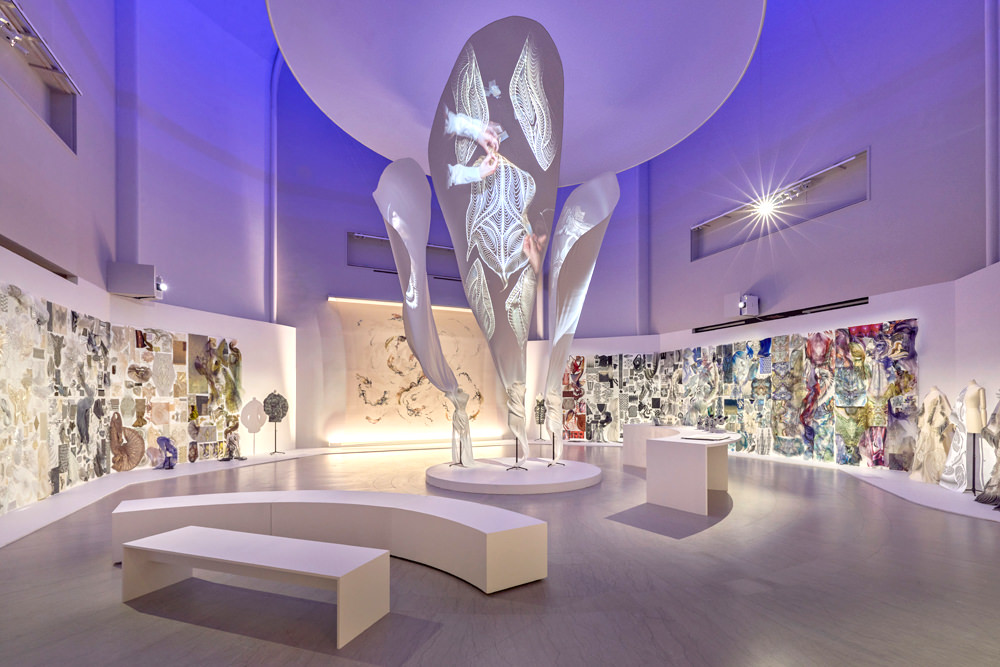
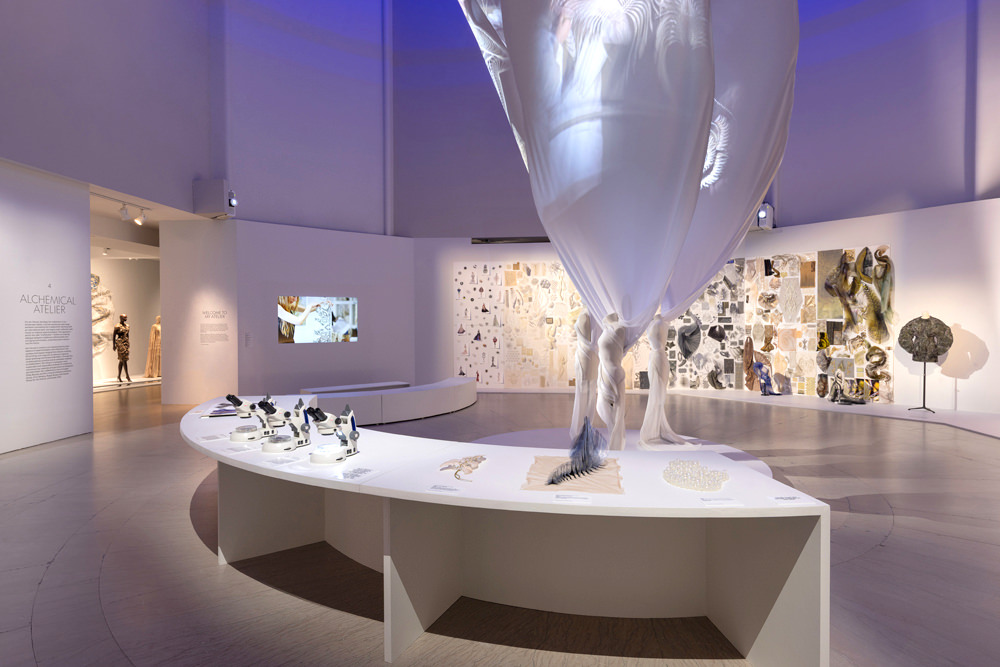
The exhibition also features a multisensory soundscape composed by Salvador Breed. This auditory layer is designed to complement the tactile nature of the displays, using spatial audio to evoke the environments—such as the deep ocean or outer space—that Van Herpen’s designs inhabit. Additionally, a section of the exhibit recreates the designer’s Amsterdam atelier, providing a rare look at the iterative process of haute couture, from initial sketches and material testing to the final assembly of complex garments.
Official Responses and Curatorial Analysis
Matthew Yokobosky, Senior Curator at the Brooklyn Museum, emphasized the importance of Van Herpen’s vision in the current cultural landscape. "Iris van Herpen transforms fashion into living art, reshaping how we experience material, movement, and the body," Yokobosky stated. He noted that her process is entirely unique, expanding the narrative of design by incorporating elements of neuroscience and astronomy.
In a statement regarding the New York debut, Iris van Herpen expressed her affinity for the city’s creative environment. "I’m honored to present ‘Sculpting the Senses’ at the Brooklyn Museum. This city’s energy, creativity, and openness to new ideas have long inspired me," she said. She further noted that Brooklyn, with its reputation as a hub for innovators and artists, is the ideal location for an exploration of "transformation and possibility."
Industry analysts suggest that this exhibition reinforces the Brooklyn Museum’s commitment to championing trailblazing women in design. By focusing on Van Herpen’s technical prowess rather than just the celebrity appeal of her clients—which includes luminaries like Beyoncé, Björk, Lady Gaga, and Naomi Campbell—the museum elevates the conversation around fashion to include sustainability and technological ethics.
Broader Implications for the Future of Fashion
"Sculpting the Senses" arrives at a time when the fashion industry is grappling with its environmental impact and the rapid rise of artificial intelligence. Van Herpen’s work offers a potential roadmap for the future, one where technology is used not to replace human creativity, but to enhance it through sustainable, "slow fashion" practices. Her use of 3D printing, for example, allows for zero-waste production, as garments are built layer by layer rather than cut from large bolts of fabric.
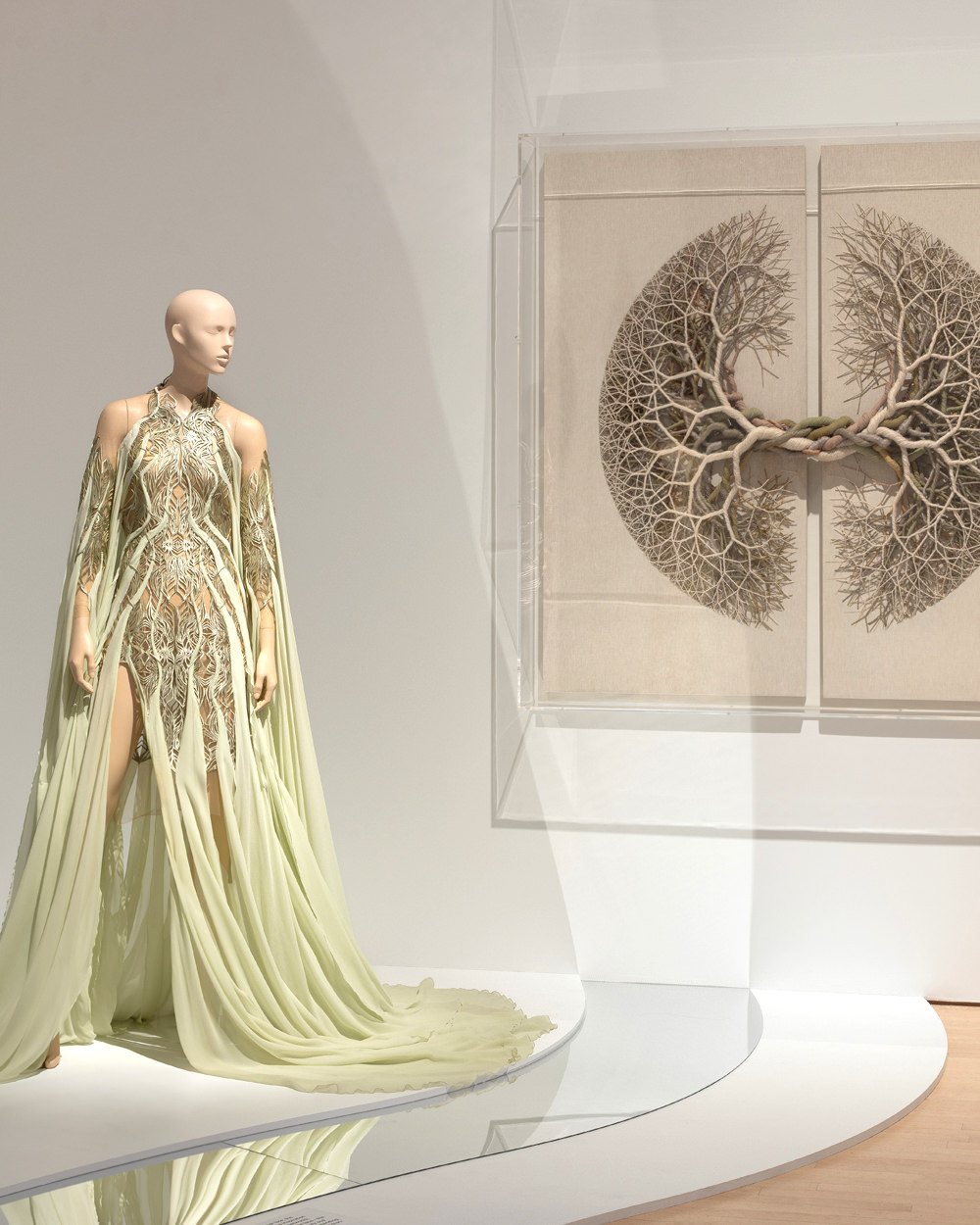
The exhibition also challenges the perceived "coldness" of technology. By using algorithms to mimic the soft, undulating movements of water or the delicate structure of a bird’s wing, Van Herpen demonstrates that digital tools can produce results that feel deeply organic and human.
As the North American debut approaches, "Sculpting the Senses" is poised to be more than just a fashion show; it is a testament to the power of curiosity. By looking to the past through traditional craftsmanship and to the future through scientific innovation, Iris van Herpen provides a vision of a world where the boundaries between the natural and the artificial are beautifully blurred. The Brooklyn Museum’s role in hosting this debut solidifies its position as a leading institution for the study of material culture and a vital space for the intersection of the arts and sciences.