
The already volatile relationship between drug kingpin Alamo (Adewale Akinnuoye-Agbaje) and the enigmatic Laurie (Martha Kelly) has plunged into a new and perilous phase in the latest installment of HBO’s Euphoria, Season 3, Episode 3. The simmering animosity, characterized by symbolic and increasingly aggressive gestures, has now escalated to a point where Alamo’s enforcer, Bishop (Darrell Britt-Gibson), has seemingly thrown a match into a powder keg, igniting what promises to be a brutal war. This episode, rife with psychological warfare and calculated cruelty, offers a chilling glimpse into the escalating stakes for all involved.
The conflict’s genesis can be traced back to a provocative insult. Following Alamo’s disparaging remark about Laurie being a "pig" over the phone in Episode 2, Laurie retaliated with a darkly ironic gift: a literal pig, delivered to Alamo’s establishment. This act of symbolic defiance was met with an equally audacious counter-stroke in the most recent episode. Laurie, in a move designed to inflict maximum emotional damage, returned the pig, orchestrating its dramatic arrival at the Silver Slipper, where the proprietor, in a moment of stark violence, shot the animal with a golden gun. This graphic display of aggression set the stage for Alamo’s desire for a reciprocal act of vengeance, an act aimed at striking where Laurie held her most cherished, albeit unconventional, affection.
The Targeted Retaliation: Paladin Becomes the Pawn
According to the narrative perspective of Rue (Zendaya), who serves as an observer and sometimes reluctant participant in these dangerous dealings, the target of Alamo’s retribution was Paladin, Laurie’s beloved pet bird. This choice of target was not arbitrary; it represented a calculated effort to inflict a wound that would resonate deeply with Laurie, hitting her where she was perceived to be most vulnerable. The subsequent scene, depicting Rue and Bishop arriving at Laurie’s opulent residence under the pretense of a drug transaction, is a masterclass in suspense. Their true objective, however, was far more sinister: to gain entry to the premises so that Bishop could carry out the poisoning of Paladin. The atmosphere within Laurie’s abode is palpably thick with unspoken threats and simmering tension, a testament to the chillingly detached demeanor of Bishop.
Bishop: The Unveiling of a Potential Antagonist
While Bishop has been a recurring presence in the initial episodes of Season 3, his role in this particular episode elevates him to a potential primary antagonist. His stoic, almost emotionless approach to executing Alamo’s directive raises unsettling questions about his true nature and motivations. Actor Darrell Britt-Gibson, in a candid discussion about his character, likened Bishop to a "baked onion," emphasizing the gradual revelation of his complexities. "It’s such a fascinating character," Britt-Gibson stated, "sort of like the baked onion… slowly peeling back the layers of him, and you never know when you’re gonna get to the center of it, and that’s what makes it so interesting. It’s unlike anything I’ve ever done." This characterization suggests a depth and unpredictability that could make Bishop a formidable force within the unfolding narrative.
A Calculated Confrontation: Subverting Expectations
The scene at Laurie’s residence is further punctuated by a series of subtle yet significant exchanges. Bishop, forced to endure the presence of Laurie’s "racist cousins," engages her in a conversation that subtly probes her character and worldview. His inquiry about whether she named Paladin after Richard Boone’s Western character, a nod to the actor’s iconic roles, elicits a surprised, almost condescending, reaction from Laurie, who questions his knowledge of Westerns as a Black man. Bishop’s response, a firm assertion that such cultural appreciation transcends racial lines, subtly challenges her prejudiced assumptions. When pressed about his own allegiances in the context of Western narratives, Bishop’s declaration of "Cowboy" is immediately followed by a display of calculated bravado. He tosses a wad of cash towards Laurie and her relatives, punctuating the gesture by mimicking a gunshot with his finger.
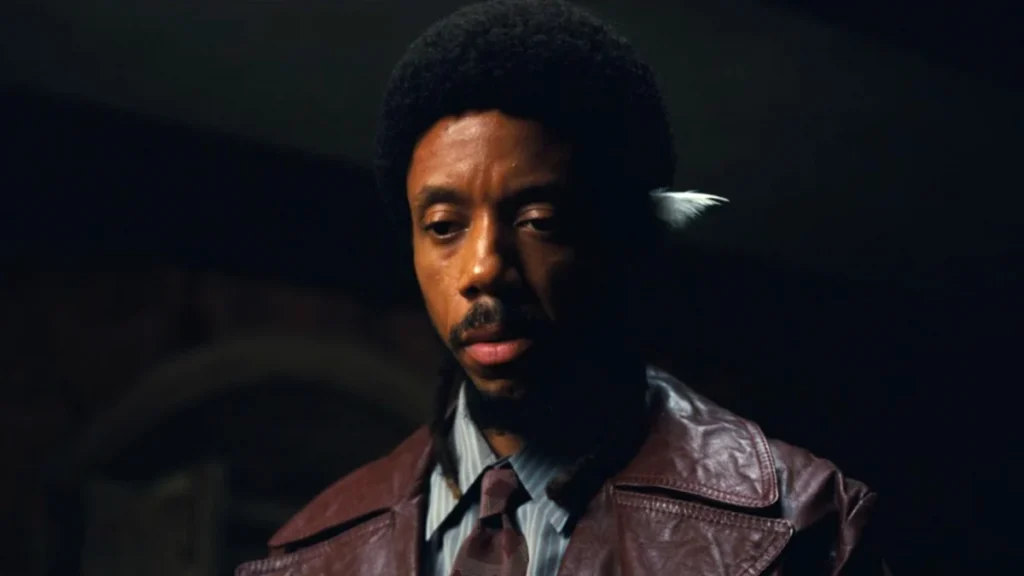
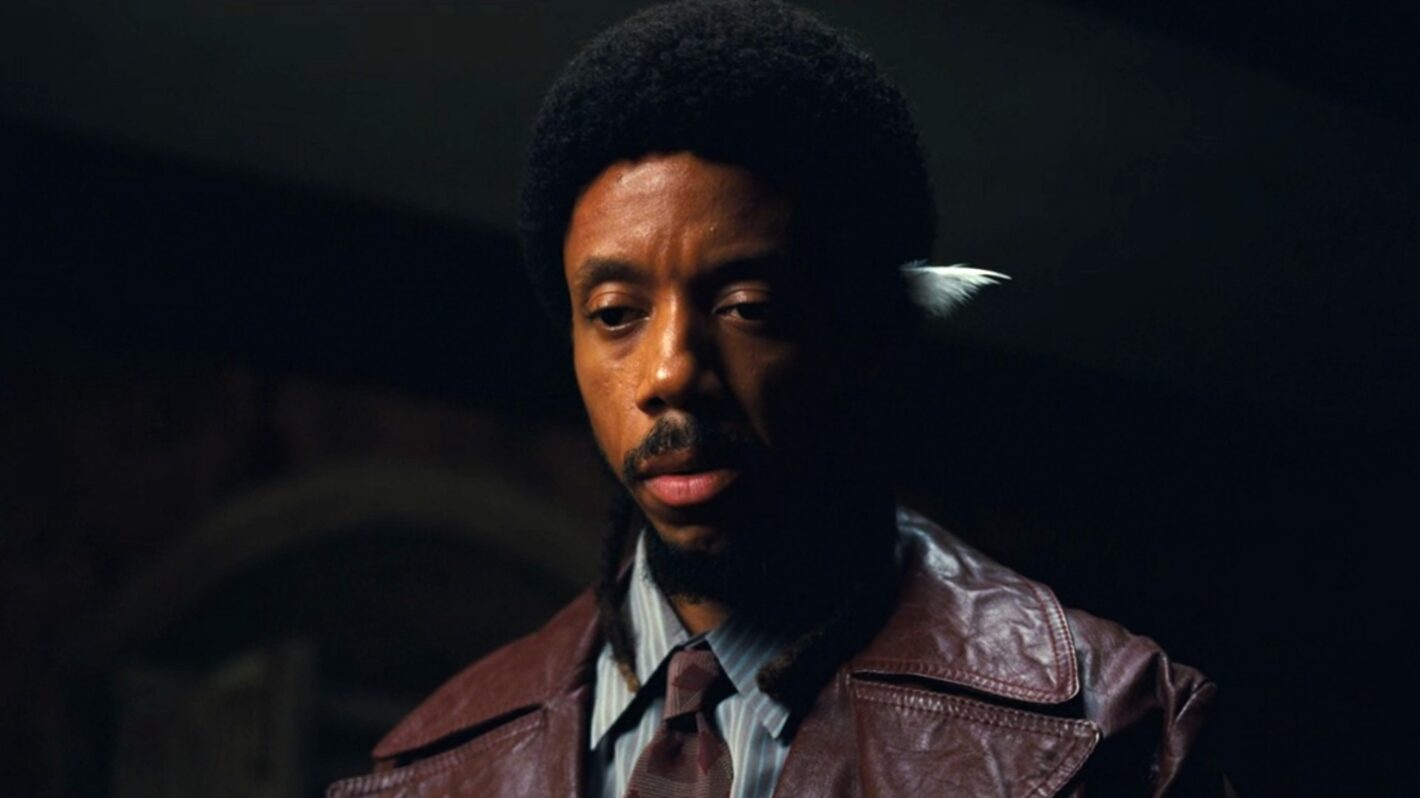
This moment, visually striking and imbued with a cool, calculated menace, precedes the actual poisoning of Paladin. Bishop, with an unnerving calm, administers the poison to the bird. He then proceeds to pluck a feather from the dying creature, a macabre flourish that he tucks into his afro, a silent, symbolic act of triumph. Britt-Gibson expressed his admiration for this scene: "I love that scene," he shared. "I love the way that Sam [Levinson, the show’s creator] shot it. I love the tension that builds in that scene. I love the dynamic of the players within that scene. There are real stakes, but also there’s this air of… the unknown exists heavily in that scene, and that’s what I love about it." He further elaborated, "It does set the stage, and I just think that it’s, again, peeling back the layers of the onion. It’s just the beginning."
The Devastation of Loss: Laurie’s Emotional Ruin
The ramifications of Paladin’s demise are profound for Laurie. Kelly, speaking on behalf of her character, posits that the bird represented the closest approximation of genuine attachment Laurie is capable of. "I think that Paladin was the closest thing to a real attachment that she’s capable of," Kelly explained. "I think that humans are probably too complicated for Laurie because she’s either a narcissist or a sociopath or both, but a pet like a bird doesn’t ask really anything of you, and so there’s no room for her to get mad or feel betrayed by the bird." The loss of Paladin, which occurs just moments before the episode’s conclusion, is depicted as a devastating blow. Kelly believes that Laurie "is devastated by his loss, and I don’t really think she ever recovers fully and ever feels like she’s fully on her feet again."
The Illusion of Reality: A Technical Triumph in Depicting Death
Despite the emotional weight of Paladin’s death, the audience can be assured that no actual animals were harmed during the production of Euphoria. The bird’s demise was achieved through the use of a sophisticated, fully animatronic robot. Kelly recounted the challenges of filming the scene, noting, "It was a fully animatronic robot, and when we were filming, it was late at night, and they had to keep moving the position to get it to fall in a way they wanted it to fall." She praised the craftsmanship of the team responsible for the prop, stating, "The guys who made this robot and were operating it were amazing." Even with the knowledge of its artificial nature, Kelly admitted to being personally affected by the scene. "When I watched the episode, when he dies, it made me really sad, even though I knew it was a robot, because I love that bird in real life, he’s great," she confessed.
The Looming War and Rue’s Perilous Position
The implications of this escalating conflict are far-reaching. Bishop’s calculated actions have undeniably set the stage for a full-blown war between Alamo and Laurie. The question remains: what will this war entail, and who will be caught in its crossfire? The episode concludes with a cliffhanger that places Rue in immediate jeopardy. Her apprehension by authorities as she attempts to leave Laurie’s residence suggests a new and potentially dangerous turn of events. The possibility of her being coerced into becoming an informant against these powerful drug figures looms large, promising to inject an even greater level of intensity into an already volatile situation. The narrative arc of Euphoria Season 3 appears to be meticulously constructed, with each calculated move and devastating consequence pushing the characters closer to an inevitable confrontation. The audience is left to anticipate the unfolding drama, with the escalating feud between Alamo and Laurie, amplified by Bishop’s ruthless efficiency and Rue’s precarious predicament, poised to define the remainder of the season.
Analysis of Implications:
The strategic poisoning of Paladin represents a significant escalation in the psychological warfare between Alamo and Laurie. By targeting a creature that Laurie, by her own admission, forms her deepest attachments with, Alamo has demonstrated a willingness to inflict pain in a manner that bypasses conventional transactional violence. This move is designed not merely to inflict loss but to fundamentally destabilize Laurie, stripping away one of the few sources of perceived unconditional affection in her life.
Bishop’s character, as portrayed in this episode, transcends the role of a mere enforcer. His calculated actions, coupled with his introspective comments about peeling back layers, suggest a deeper, more complex agenda. The scene where he displays his knowledge of Westerns and his subsequent performative act of aggression with the cash and finger gun indicate a mastery of intimidation and a potential enjoyment of psychological manipulation. This suggests that Bishop might be a primary driver of the conflict, perhaps even more so than Alamo himself, and his calculated approach makes him a uniquely dangerous antagonist.
Laurie’s reaction to Paladin’s death, described as devastating and irrecoverable, signals a profound emotional vulnerability that, ironically, her detached persona attempts to mask. This vulnerability, now exposed, could make her a target for further exploitation, not only by Alamo but potentially by other factions within the Euphoria universe. Her perceived inability to navigate complex human relationships, contrasted with her deep affection for a pet, highlights a core aspect of her character: a profound disconnect from genuine human empathy.
Rue’s apprehension at the episode’s end is a critical development. Placed in a position where she could be leveraged as an informant, Rue finds herself entangled in the machinations of major drug players. This scenario has significant implications for her own recovery and her relationships with other characters. Her potential forced cooperation could place her in direct conflict with individuals she has previously associated with, forcing difficult moral choices and potentially jeopardizing her hard-won sobriety. This development also raises the stakes for the overarching narrative, suggesting that the conflict between Alamo and Laurie is not an isolated incident but part of a larger, more dangerous underworld that Rue is increasingly being drawn into. The season’s trajectory appears to be leading towards a convergence of these disparate plotlines, with Rue’s fate intrinsically linked to the escalating war.