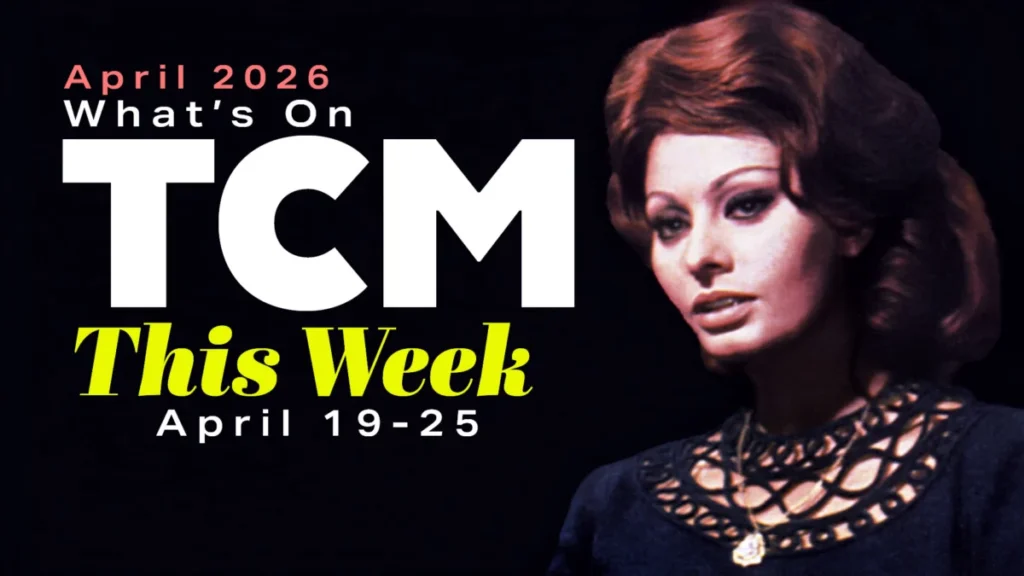

Turner Classic Movies (TCM) is set to captivate cinephiles this week with a diverse and compelling programming slate that pays homage to iconic figures and cinematic movements. The network’s meticulously curated schedule offers a deep dive into the enduring legacy of the comic strip character Blondie, a celebratory nod to the multifaceted career of Italian screen legend Sophia Loren, and a continuation of its month-long exploration of cinema from the Lone Star State. Furthermore, the week promises a dose of rebellious rock and roll with a screening of a cult classic, alongside a variety of other engaging films.
A Nostalgic Dive into the World of Blondie
For those yearning for a comforting and nostalgic cinematic experience, TCM is presenting a special triple feature dedicated to the beloved comic strip character Blondie. The films will star Penny Singleton in her iconic role as Blondie Bumstead, a character who has resonated with audiences for generations through her relatable domestic adventures and enduring optimism. This marathon offers a unique opportunity to revisit the charm and humor that made the Blondie films a staple of Hollywood’s golden age.
The Blondie comic strip, created by Chic Young, first appeared in newspapers in 1930. Its immediate popularity led to a series of highly successful films, beginning with Blondie in 1938. Penny Singleton, an actress who initially gained recognition for her singing talents, proved to be the perfect embodiment of the titular character. Over a decade, she starred in 28 Blondie films, solidifying her place in cinematic history. These films typically revolved around the everyday struggles and triumphs of the Bumstead family, including Blondie, her ever-optimistic but often bumbling husband Dagwood (played by Arthur Lake), their children, and their perpetually demanding boss, Mr. Dithers. The enduring appeal of the Blondie films lies in their gentle humor, their focus on family values, and their ability to capture the essence of middle-class American life during a period of significant social and economic change. TCM’s decision to dedicate a significant portion of its weekly programming to these films underscores the enduring cultural significance of the Blondie franchise and its continued ability to entertain and delight new audiences.
The films selected for the marathon are:
- Blondie (1938): The inaugural film that introduced audiences to the world of the Bumstead family on the silver screen. This film lays the groundwork for the characters and their familiar domestic dynamics.
- Blondie Plays Cupid (1940): A classic example of the series’ lighthearted romantic entanglements and the comedic misunderstandings that often arise within the Bumstead household.
- Leave It to Blondie (1945): This installment showcases the family’s resilience and Blondie’s resourcefulness as they navigate another set of challenges, further cementing the series’ reputation for wholesome entertainment.
The programming of this Blondie marathon by TCM is more than just a nostalgic throwback; it’s a testament to the enduring power of character-driven comedy and the ability of these films to provide a comforting escape. In an era often dominated by complex narratives and high-stakes drama, the simple, relatable humor of Blondie offers a refreshing alternative. It speaks to a time when family entertainment was a central pillar of Hollywood’s output, and TCM’s commitment to preserving and showcasing these films ensures that their legacy continues to be appreciated.
A Tribute to the Lone Star State: "Places in the Heart"
The month-long celebration of cinema hailing from the Lone Star State continues with a special screening of the critically acclaimed and Oscar-winning film, Places in the Heart. This powerful drama, set in the American South during the Great Depression, offers a poignant exploration of resilience, community, and the human spirit in the face of adversity. The film’s selection for TCM’s Texas cinema tribute highlights the rich cinematic heritage of the state and its ability to produce stories of profound emotional depth and universal appeal.
Directed by Robert Benton, a native Texan, Places in the Heart was released in 1984 and garnered significant critical attention, earning seven Academy Award nominations, including Best Picture. Sally Field won her second Best Actress Oscar for her compelling portrayal of Edna Spalding, a widowed mother struggling to maintain her family farm in Waxahachie, Texas, after the sudden death of her husband. The film masterfully depicts the challenges faced by rural communities during the Depression, focusing on themes of economic hardship, racial inequality, and the importance of human connection. The backdrop of Texas itself is not merely a setting but an integral part of the narrative, with the film capturing the distinct landscape, culture, and spirit of the region. The inclusion of Places in the Heart in TCM’s Texas-centric programming acknowledges the significant contributions of Texan filmmakers and storytellers to the American cinematic landscape. The film’s success at the Oscars, a pinnacle of the film industry, further underscores the quality and impact of cinematic works produced by or set within Texas.
The critical and commercial success of Places in the Heart can be attributed to its authentic portrayal of a difficult historical period, its strong performances, and its deeply humanistic message. The film’s ability to resonate with audiences across generations speaks to its timeless themes of hope, perseverance, and the strength found in community. By featuring this Oscar-winning film, TCM is not only celebrating Texas’s cinematic legacy but also offering viewers a chance to engage with a film that is both historically significant and emotionally resonant. The choice to highlight films with a Texas connection reflects a broader trend in programming to explore regional cinematic identities and their unique contributions to the art form.
Sophia Loren’s Grand Finale: "Marriage Italian Style"
As April draws to a close, TCM bids a fond farewell to its featured star of the month, the legendary Sophia Loren, with a screening of her captivating performance in the classic romantic comedy Marriage Italian Style. This film represents a perfect showcase for Loren’s unparalleled charisma, dramatic prowess, and comedic timing, making it a fitting conclusion to her month-long tribute.
Marriage Italian Style, released in 1964, is a masterpiece of Italian cinema directed by Vittorio De Sica. It pairs Loren with another titan of Italian cinema, Marcello Mastroianni, in a story that is both hilarious and surprisingly poignant. The film follows the intricate dance of love, deception, and enduring affection between Sophia, a resourceful and determined woman, and Domenico, a charming but unfaithful businessman. Loren’s performance is a tour de force, as she navigates the complexities of her character with an effortless grace and an innate understanding of human emotion. Her ability to shift from fierce independence to vulnerable longing, often within the same scene, is a testament to her status as one of the greatest actresses of her generation.
Sophia Loren’s career, spanning over six decades, is a testament to her enduring appeal and remarkable talent. She rose to international stardom in the late 1950s and early 1960s, becoming a global icon of beauty and a symbol of Italian cinema. Her collaborations with renowned directors like De Sica, Federico Fellini, and Charlie Chaplin, and her performances alongside Hollywood legends such as Marlon Brando and Paul Newman, cemented her place in film history. Marriage Italian Style is particularly significant as it earned Loren her third Academy Award nomination and showcased her ability to excel in both dramatic and comedic roles. The film’s enduring popularity is a testament to the chemistry between Loren and Mastroianni, as well as the film’s witty screenplay and timeless exploration of marital dynamics. TCM’s decision to conclude Loren’s star of the month with this particular film highlights its significance in her filmography and its representation of her multifaceted talent.
The screening of Marriage Italian Style serves as a powerful reminder of Sophia Loren’s immense contribution to cinema. Her performances have not only entertained millions but have also provided insightful portrayals of women navigating love, family, and societal expectations. The film’s enduring appeal lies in its blend of humor and heartfelt emotion, a characteristic that has defined many of Loren’s most memorable roles. As her reign as TCM’s star of the month concludes, viewers are left with a rich appreciation for her legacy and the timeless quality of her cinematic artistry.
Rocking Through the Week with Cult Classics and More
Beyond these highlighted features, TCM’s weekly schedule promises a vibrant mix of genres and eras. Friday night, in particular, is set to ignite with the inclusion of the Roger Corman-produced cult classic, Rock ‘n’ Roll High School. This 1979 film, starring the iconic punk rock band The Ramones, is a beloved example of Corman’s signature blend of low-budget ingenuity and counter-cultural energy. The film, set against the backdrop of a high school embroiled in a battle against a corrupt administration, features electrifying performances from The Ramones and a host of other punk and rock luminaries. Its inclusion speaks to TCM’s commitment to showcasing a wide spectrum of cinematic experiences, from elegant dramas to rebellious musical fare. The enduring cult status of Rock ‘n’ Roll High School is a testament to its raw energy, its unique place in music and film history, and its ability to capture the spirit of a generation. Roger Corman, often referred to as the "King of the B-movies," has a prolific career producing and directing films that have launched the careers of many notable actors and directors, and this film stands as a prime example of his innovative and often groundbreaking approach to filmmaking.
The broader implications of TCM’s programming choices this week are significant. By offering a diverse range of films, from the comforting familiarity of Blondie to the poignant drama of Places in the Heart, the enduring allure of Sophia Loren, and the energetic rebellion of Rock ‘n’ Roll High School, the network demonstrates its dedication to catering to a wide array of cinematic tastes. This approach not only entertains but also educates, providing viewers with opportunities to explore different genres, historical periods, and cultural contexts. The emphasis on celebrating specific stars and regional cinema, as seen with Sophia Loren and the Texas film tribute, fosters a deeper appreciation for the art of filmmaking and the individuals who have shaped its landscape. TCM’s commitment to showcasing these films on classic television ensures that these cinematic treasures remain accessible to new generations of film enthusiasts, preserving their cultural relevance and artistic merit for years to come. The careful curation of each week’s schedule reflects a profound understanding of film history and a desire to share that knowledge and passion with a broad audience, solidifying TCM’s position as a vital institution in the preservation and promotion of cinematic art.