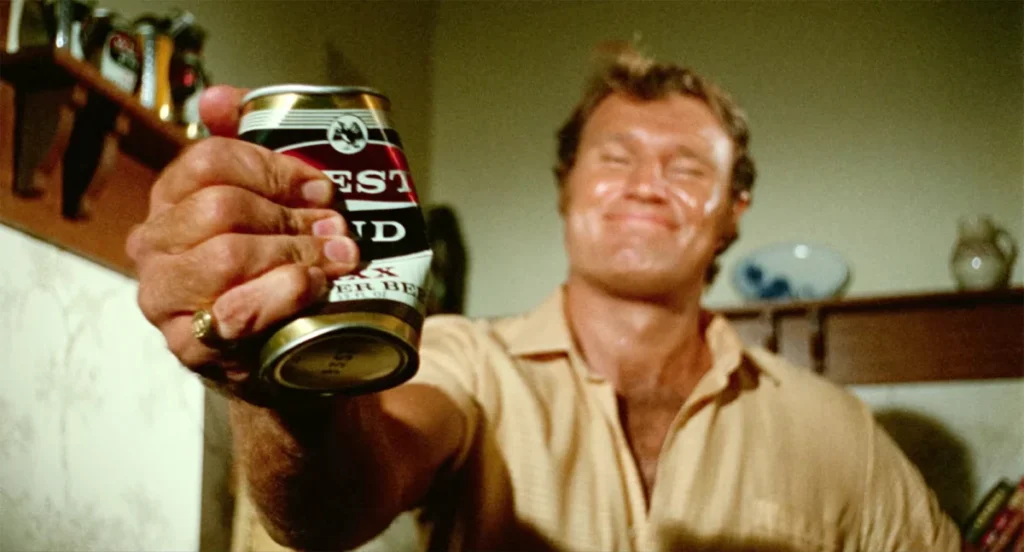

Arrow Video has unveiled a new 4K restoration trailer for the seminal 1971 Australian outback thriller, Wake in Fright, a film that has steadily ascended to cult classic status and is now being presented in a meticulously restored high-definition format. Originally released in Australia under the title Outback, the film offers a stark and unflinching portrayal of life in the remote Australian desert and the primal forces that can consume an individual. The release of this trailer heralds a significant moment for cinephiles and historians of Australian cinema, bringing renewed attention to a film lauded for its raw power and psychological depth.
The narrative of Wake in Fright centers on John Grant, a disillusioned schoolteacher stationed in a remote outback town. Seeking a temporary escape and a chance to clear his debts, Grant embarks on a journey to Sydney for the Christmas holidays. However, a fateful stopover in the rough-and-tumble frontier mining town of Bundanyabba derails his plans. After a disastrous gambling session in a local hotel, Grant loses his entire savings, leaving him stranded and adrift in a community where the prevailing culture is defined by relentless drinking, boisterous revelry, and an undercurrent of menacing aggression.
A Descent into the Outback’s Abyss
The film’s power lies in its unflinching depiction of Grant’s gradual psychological disintegration. Trapped in Bundanyabba, he is drawn into the orbit of the town’s formidable local figures, most notably the enigmatic Doctor, played by Donald Pleasence. This group, characterized by their hard-drinking lifestyle and volatile behavior, exerts a powerful influence over Grant, threatening to pull him down into their own chaotic existence. The film masterfully captures the oppressive heat, the vast emptiness of the landscape, and the suffocating atmosphere of the town, all contributing to Grant’s growing sense of dread and entrapment.
Arrow Video’s decision to present Wake in Fright in 4K restoration underscores the film’s enduring artistic merit and its historical significance. High-definition restoration allows for the re-examination of cinematic works, often revealing details and nuances that may have been obscured by the limitations of previous formats. This meticulous process ensures that audiences can experience the film as its creators intended, with enhanced visual clarity and fidelity.

Background and Genesis of a Masterpiece
Wake in Fright is the brainchild of Canadian filmmaker Ted Kotcheff, who would later achieve mainstream success with films such as First Blood (1982), the inaugural installment of the Rambo franchise. Kotcheff’s directorial career, marked by a distinctive ability to explore dark and intense human dramas, is strongly represented in Wake in Fright. The film’s production history is as compelling as its narrative. It was adapted from Kenneth Cook’s 1961 novel of the same name. Cook, an Australian journalist and author, was known for his gritty and often bleak portrayals of Australian life. The screenplay was penned by Evan Jones, who successfully translated Cook’s novel into a visceral cinematic experience.
The film’s production was a collaborative effort, with George Willoughby serving as producer. Its premiere at the 1971 Cannes Film Festival signaled its artistic ambition and critical reception from an international stage. Subsequently, it was released in Australian cinemas in October 1971, initially under the title Outback. The dual titles—Wake in Fright for its international release and Outback for its Australian debut—reflect the distinct marketing approaches and perhaps the different cultural perceptions of the film’s themes.
Critical Acclaim and Enduring Legacy
Despite its initial release, Wake in Fright was not widely recognized or commercially successful in its early years. However, over time, its reputation has grown exponentially. Contemporary critics and filmmakers have come to regard it as one of the most important and challenging films in Australian cinema history. Its unflinching look at Australian masculinity, its exploration of themes of alienation and moral decay, and its masterful use of landscape as a psychological element have cemented its status.
Prominent figures in the film world, including acclaimed directors Martin Scorsese and Nick Cave, have publicly lauded Wake in Fright, contributing to its reappraisal and enduring legacy. Scorsese, in particular, has been a vocal advocate for the film, championing its rediscovery and its place within the canon of great cinema. Their endorsements lend significant weight to the film’s artistic merits and its continued relevance.

Key Cast and Performances
The film’s impact is further amplified by its strong ensemble cast. Gary Bond delivers a compelling performance as John Grant, masterfully conveying the character’s descent from mild-mannered educator to a man on the brink of despair. Donald Pleasence, a veteran actor known for his versatile roles, imbues the character of "the Doctor" with a chilling blend of charisma and menace. The supporting cast, including Chips Rafferty, Sylvia Kay, and Jack Thompson, contribute significantly to the film’s authentic portrayal of outback life and its diverse inhabitants. The performances collectively create a powerful and immersive experience for the viewer, drawing them into the film’s intense psychological drama.
The 4K Restoration: A New Lease on Life
The 4K restoration undertaken by Arrow Video is a critical component of this renewed interest. High-definition transfers of classic films are essential for preserving cinematic heritage and making these works accessible to new generations of viewers. A 4K restoration involves scanning the original film elements at a very high resolution, allowing for the digital removal of imperfections such as scratches and dust, as well as the enhancement of color and contrast. This process can breathe new life into older films, revealing details and visual textures that were previously lost or diminished. For a film like Wake in Fright, where the oppressive atmosphere and the stark beauty of the outback are integral to its storytelling, the enhanced clarity of a 4K restoration is particularly impactful.
The release of the 4K trailer serves as a preview of this meticulously restored version, showcasing the film’s visual power and atmospheric intensity. Accompanying the new trailer are images of the cover art for Arrow Video’s forthcoming 4K Ultra HD Blu-ray release, offering a glimpse into the premium presentation of this cinematic treasure. The limited edition release is likely to include special features, such as interviews with cast and crew, critical analysis, and historical context, further enriching the viewing experience.
Ted Kotcheff’s Passing and the Film’s Resonance

The timing of this restoration release is poignant, as director Ted Kotcheff passed away in the previous year. His contribution to cinema, particularly through Wake in Fright and First Blood, remains significant. His passing serves as a reminder of the legacy of filmmakers who have shaped the cinematic landscape. Wake in Fright, in many ways, stands as a testament to Kotcheff’s directorial vision and his ability to tackle challenging subject matter with unflinching honesty. The film’s exploration of the darker aspects of human nature and societal pressures continues to resonate with audiences, making it a timeless piece of cinema.
Broader Impact and Analysis
The enduring appeal of Wake in Fright can be attributed to several factors. Firstly, its exploration of themes such as masculinity, alienation, and the psychological impact of isolation remains relevant. The film’s stark depiction of a subculture characterized by excess and aggression serves as a powerful commentary on certain societal dynamics. Secondly, its masterful use of the Australian outback as a character in itself is a significant achievement. The vast, unforgiving landscape amplifies the sense of entrapment and the insignificance of the individual against the forces of nature and society.
The film’s psychological horror stems not from supernatural elements, but from the very real and often disturbing aspects of human behavior. The descent of John Grant into a state of moral degradation serves as a cautionary tale, highlighting the fragility of societal norms and the primal instincts that can surface when individuals are pushed to their limits.
Arrow Video’s commitment to restoring and re-releasing such films is crucial for film preservation and appreciation. By investing in high-quality restorations and making these films accessible, they ensure that works of significant cultural and artistic value are not lost to time. The 4K restoration of Wake in Fright is more than just a technical upgrade; it is a reaffirmation of the film’s status as a landmark achievement in Australian cinema and a compelling study of the human condition. The release invites both long-time admirers and new audiences to experience this harrowing and unforgettable journey into the heart of the Australian outback.
The availability of Wake in Fright on 4K Ultra HD Blu-ray, as announced by Arrow Video, offers a definitive presentation for collectors and enthusiasts. The details regarding the limited edition release can be found on the Arrow Films website, providing an opportunity for fans to acquire this significant piece of cinematic history. The question posed at the end of the original announcement, "Any big fans of this film?", now has a renewed and amplified resonance, as this 4K restoration promises to captivate and disturb audiences for years to come.