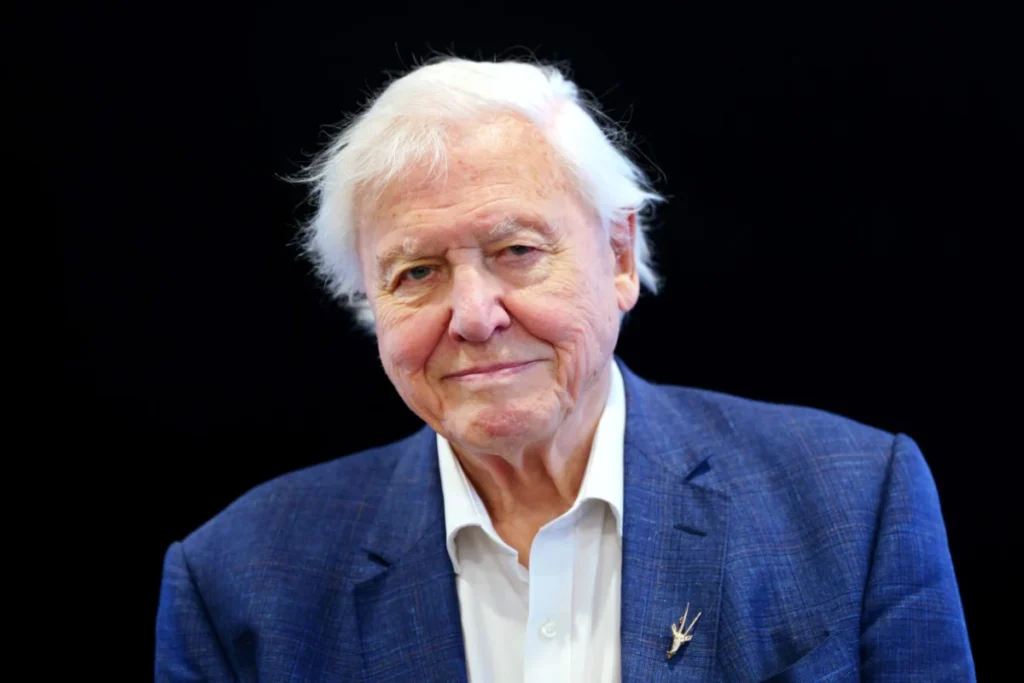

Twenty-five years after the groundbreaking original series first introduced global audiences to the hidden wonders of the deep, the BBC has unveiled plans for the third chapter of the Blue Planet franchise. Sir David Attenborough, who marked his centennial birthday earlier this year, remains the voice of the natural world, lending his iconic narration to a project that promises to venture into the most remote and mysterious corners of our oceans. The six-part series, which required nearly four years of intensive production, is poised to offer a profound exploration of marine life that is arguably more sophisticated and vital than ever before.
A Legacy of Marine Exploration
The genesis of the Blue Planet franchise dates back to 2001, when the BBC Natural History Unit in Bristol first showcased the oceans with an unprecedented level of cinematic clarity. At the time, the series was hailed as a technical triumph, utilizing pioneering underwater camera technology to capture behaviors that had never been documented on film.

The trajectory of the franchise has evolved alongside advancements in marine science and filmmaking. Blue Planet II, released in 2017, became a cultural phenomenon, credited with shifting public consciousness regarding plastic pollution in the oceans. The success of the second series proved that natural history programming could serve as a powerful catalyst for environmental policy change. Now, in its third iteration, the production team aims to move beyond simple observation, focusing instead on the complex, intelligent, and often surprising relationships between marine species and the critical role the ocean plays in the survival of the planet.
Production and Creative Collaboration
The scale of Blue Planet III is vast, spanning four years of filming across diverse marine ecosystems. From the shallow, sun-drenched tropical waters of Murray Island in Australia to the cold, challenging depths of the abyss, the series utilizes state-of-the-art sensory equipment to capture footage that is intended to redefine our understanding of underwater intelligence.
Central to the emotional resonance of the series is the return of Academy Award-winning composer Hans Zimmer. Having previously scored Blue Planet II, Zimmer and his team at Bleeding Fingers Music have crafted an original score designed to underscore the grandeur of the ocean. The series also features a new original song, Into The Deep (Seas Cry), co-written by artist Jade Thirlwall. The collaboration between the legendary broadcaster and contemporary musical figures highlights the BBC’s intent to bridge the gap between traditional nature documentaries and modern, immersive media.

Official Statements and Reflections
During the launch event, Sir David Attenborough reflected on the journey of the past quarter-century. He expressed genuine surprise at the longevity of the project, noting that when he first stepped into the recording booth for the 2001 series, he could not have imagined he would still be narrating the franchise during his 100th year.
"The ocean is an endlessly fascinating place," Sir David stated in a recorded message. "In these new programmes, we uncover a further wonderful array of underwater life, which is more surprising, more sophisticated, and even more important than we ever realized."
Hans Zimmer, speaking on the impact of the Natural History Unit’s work, described his involvement as the most significant endeavor of his career. "I’ve worked on a lot of films throughout my career, but nothing affects humanity, our world, and our planet as much as the work being done by the Natural History Unit in Bristol," Zimmer remarked. He emphasized that the goal of the series is not to lecture, but to foster a sense of awe that leads to inherent stewardship. "It’s something that changes the world by making you fall in love with the world. Whatever we love, we need to treat with great kindness and respect."

Jade Thirlwall, who contributed the song Into The Deep, spoke of the personal significance of the project. A self-professed lifelong fan of the series, she described the opportunity to contribute to the soundtrack as a "real privilege," emphasizing the emotional weight of the trailer and the urgent message it conveys to a new generation of viewers.
Chronology of the Blue Planet Franchise
- 2001: The premiere of The Blue Planet, the first-ever comprehensive series on the world’s oceans, narrated by Sir David Attenborough.
- 2017: Blue Planet II is released to international acclaim, becoming the most-watched television show in the UK that year and initiating a global conversation on plastic waste.
- 2022–2026: Principal photography and production for Blue Planet III take place over a four-year period, incorporating new deep-sea technology.
- October 2026: Launch event held for Blue Planet III, featuring a major promotional takeover in London’s Piccadilly Circus.
- Late 2026: Scheduled broadcast of the six-part series on the BBC.
The Scientific and Environmental Context
The significance of Blue Planet III cannot be overstated in the context of the current environmental climate. Scientific data suggests that the ocean is currently facing unprecedented stressors, including rising sea temperatures, acidification, and the loss of biodiversity. According to the Intergovernmental Panel on Climate Change (IPCC), the ocean has absorbed more than 90% of the excess heat trapped in the climate system, making it the primary buffer against rapid atmospheric warming.
By highlighting the "extraordinary relationship" between humanity and the ocean, the series aims to educate viewers on the interconnectedness of marine health and human survival. Experts suggest that visual storytelling remains the most effective tool for bridging the gap between complex climate data and public engagement. By showcasing "intelligent" marine life—a theme highlighted in the trailer—the series encourages viewers to perceive ocean creatures as sentient beings worthy of conservation, rather than mere resources.

Implications and Public Impact
The influence of the Blue Planet franchise extends beyond television ratings. Following the broadcast of Blue Planet II, retailers and governments in the UK reported a measurable shift in consumer behavior and legislative focus regarding single-use plastics. The "Blue Planet effect" became a recognized sociological phenomenon, where the visual impact of marine debris prompted immediate public outcry and subsequent industry change.
Producers of the third series hope to replicate this level of engagement. By focusing on the "preciousness" of life, the series is expected to shift the conversation toward the protection of deep-sea habitats and the regulation of deep-sea mining, both of which are critical issues currently under debate in international maritime law.
Furthermore, the production represents a triumph of longevity in the media industry. Maintaining the quality of a documentary franchise over 25 years requires constant adaptation to new technology. The shift from standard definition to high-definition, and now to ultra-high-definition and advanced low-light photography, has allowed the Blue Planet team to reveal behaviors that were previously obscured by darkness or distance.

A Final Note on Cultural Significance
As the series prepares for its autumn release, it stands as a testament to the enduring appeal of the natural world. Sir David Attenborough’s role as the narrator provides a sense of continuity that anchors the series, providing a familiar voice for a changing world. The inclusion of figures like Hans Zimmer and Jade Thirlwall suggests a strategic effort by the BBC to ensure the series reaches a broad demographic, from long-term enthusiasts of natural history to younger audiences who may be encountering these marine wonders for the first time.
In an era defined by digital fragmentation and constant information overload, the return of Blue Planet III offers a rare moment of collective focus. The series invites viewers to look beneath the waves, not only to witness the spectacular but to understand the necessity of preservation. As the trailer promises, the upcoming episodes will delve into a world that is more surprising and more intelligent than previously understood—a world that, ultimately, demands our attention and our protection. The series is expected to solidify the legacy of the BBC Natural History Unit as the world’s preeminent force in conservation-based storytelling, ensuring that the oceans remain at the forefront of the global environmental agenda.