

Dayoung of the prominent K-pop girl group Cosmic Girls, also known as WJSN, has become the focal point of a complex and polarizing discussion regarding fashion, beauty standards, and public perception in the South Korean entertainment industry. The discourse, which began on a popular online community forum, has rapidly escalated into a broader conversation about how an idol’s physical appearance influences the way their artistic choices and public image are judged by both domestic and international audiences. At the heart of the controversy is Dayoung’s recent solo work and her adoption of a more provocative, self-assured aesthetic that deviates significantly from the "magical girl" and "ethereal" concepts that defined her earlier career with WJSN.
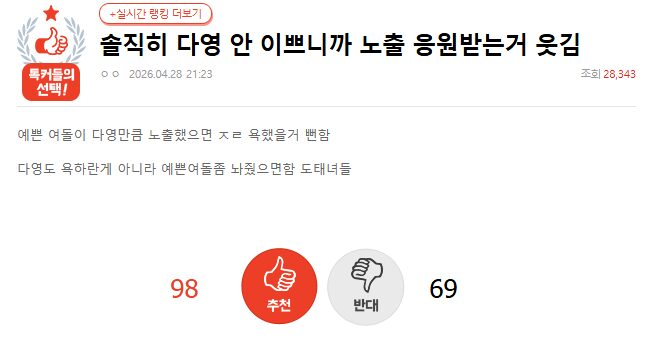
The debate was ignited by a viral post on the Korean community site Pann Nate, which argued that Dayoung’s recent penchant for "revealing" outfits is only met with praise because she is not considered to fit the traditional, hyper-idealized beauty standards typically associated with K-pop "visuals." The author of the post contended that if a member of a top-tier group known primarily for her conventional beauty were to wear the same clothing, the public reaction would be overwhelmingly negative, characterized by accusations of "attention-seeking" or "over-sexualization." This assertion has sparked a heated exchange among netizens, exposing deep-seated biases regarding how female idols are policed based on their looks.
The Genesis of the Controversy
The specific post that triggered this debate was titled with a provocative premise: "Honestly, it’s funny how Dayoung gets praised for showing skin when she’s not even that pretty." The user behind the post elaborated that there exists a double standard in the K-pop community. According to this perspective, idols who are viewed as "conventionally attractive" are subjected to stricter moral and aesthetic scrutiny. The poster claimed that these "pretty" idols are often "torn apart" for wearing outfits that are perceived as too daring, while idols who fall outside of those narrow beauty definitions are celebrated for being "confident" or "empowered."
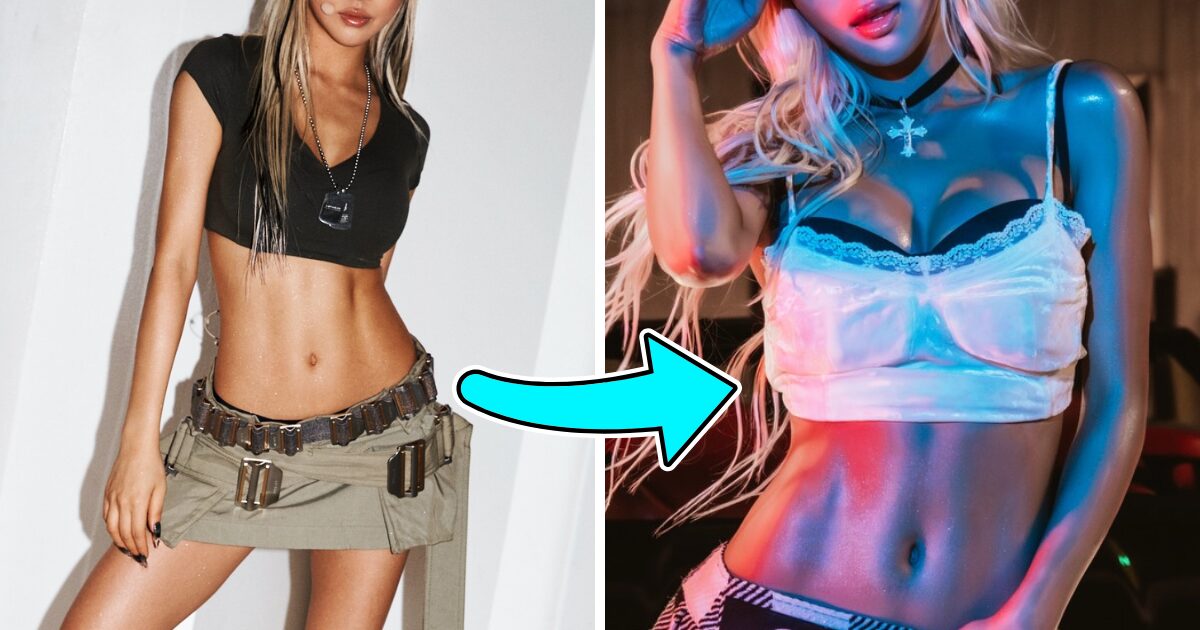
This critique specifically targeted Dayoung’s recent solo promotions for her track "body." The song and its accompanying music video marked a definitive shift in Dayoung’s branding. Transitioning from the youthful, bubbly image she maintained for years, "body" embraced a "hot girl" concept, featuring bold choreography and high-fashion styling that emphasized athleticism and physical confidence. While the song found significant success, particularly among international fans on platforms like TikTok and Instagram, the domestic reaction has been more fragmented, with some users questioning the intent behind the rebranding.
The viral post concluded with a sharp jab at veteran idols, stating, "I just wish people would lay off the pretty female idols. These washed-up girls really need to get a grip." This comment touched a nerve within the K-pop fandom, leading to thousands of comments debating the validity of "pretty privilege" versus the reality of "beauty-based harassment."
Dayoung’s Artistic Evolution and the "Body" Era
To understand the weight of this controversy, it is essential to look at Dayoung’s career trajectory. Lim Da-young debuted in 2016 as a member of WJSN, a group managed by Starship Entertainment and Yuehua Entertainment. Throughout her decade-long career, she was primarily recognized for her variety show skills, her powerful vocals, and her role as the "energy pill" of the group. WJSN’s concepts were often characterized by intricate, fantasy-inspired costumes that were feminine but rarely provocative.
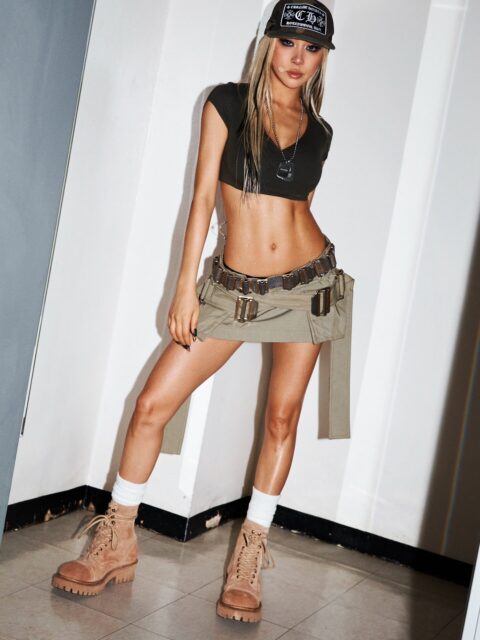
However, as the group entered its senior years in the industry, individual members began exploring solo endeavors. Dayoung’s solo debut with "body" was a calculated departure from her group persona. The track is an upbeat, self-affirming anthem that encourages listeners to embrace their physical selves. The styling for the "body" era included cut-out bodysuits, low-rise silhouettes, and athletic-inspired streetwear—trends that have been popularized by global icons but remain a point of contention in the more conservative spheres of Korean pop culture.

The "body" music video and stage performances showcased Dayoung’s rigorous fitness regime, earning her praise from many fans for promoting a healthy, strong physique. However, the very visibility of this physical transformation is what the Pann Nate post identified as the catalyst for the current debate. The argument suggests that because Dayoung is viewed through a lens of "talent" and "personality" rather than "pure visual," her use of revealing fashion is interpreted as an artistic statement rather than a lure for the male gaze—a luxury the poster claims is not afforded to "visual-type" idols.
Analyzing the Double Standard: Beauty and Criticism
The debate surrounding Dayoung highlights a recurring theme in K-pop discourse: the policing of female bodies. Sociological analysis of the industry often points to the "Madonna-Whore" complex that female idols must navigate. They are expected to be alluring and fashionable yet modest and "pure."
The Pann Nate controversy suggests a third tier to this dynamic: the "Visual Exemption." The argument posits that the more an idol fits the "Korean Beauty Standard" (large eyes, small face, V-shaped jaw, pale skin), the more they are viewed as a "commodity" belonging to the public. Consequently, any attempt by these "visuals" to reclaim their agency through provocative fashion is met with resistance because it disrupts the public’s ownership of their "innocent" image.
Conversely, the critique against Dayoung implies that because she is perceived as "less of a visual threat," the public is less invested in controlling her image. This leads to what the original poster described as "unearned praise." Supporters of Dayoung, however, argue that this logic is inherently flawed and misogynistic. They contend that Dayoung is being punished for her confidence and that the criticism is an attempt to diminish her success by reducing her entire career to her level of "conventional beauty."
Chronology of Dayoung’s Career Shift
To provide context for the current climate, the following timeline outlines Dayoung’s transition into her solo identity:
- February 2016: Dayoung debuts as the lead vocalist and maknae of WJSN with the EP Would You Like?. The group’s image is focused on "space-themed" innocence.
- 2018–2021: Dayoung establishes herself as a "Variety Queen," appearing on numerous shows and building a reputation for her wit and relatability.
- June 2022: WJSN wins the high-stakes competition show Queendom 2, revitalizing interest in the group’s mature capabilities.
- Early 2026: Dayoung announces her solo project, "body," signaling a major image change. She begins posting fitness-related content, showcasing a more muscular and defined physique.
- April 2026: The release of "body" goes viral internationally. The "Body Challenge" trends on social media, with fans praising her "hot girl" energy.
- April 29, 2026: A post on Pann Nate gains over 200,000 views in hours, claiming Dayoung’s fashion choices are only accepted because of her "non-visual" status, sparking the current heated debate.
Industry Trends and Global Implications
The controversy does not exist in a vacuum. It reflects a shift in the global K-pop landscape. As the industry becomes more integrated with Western markets, the "Girl Crush" and "Confident Woman" tropes have become dominant. Groups like LE SSERAFIM and XG have pushed the boundaries of idol fashion, often wearing outfits that would have been censored a decade ago.
However, the domestic Korean market often remains more conservative than the international fanbase. While international fans view Dayoung’s styling as a sign of "female empowerment" and "body positivity," domestic netizens on forums like Pann and theqoo often view it through the lens of "public decency" and "celebrity hierarchy."
This friction is also visible in the reactions of other idols. For instance, Huh Yunjin of LE SSERAFIM has recently faced similar criticism for her "no-pants" fashion and bold lyrics. The common thread is a generational clash between idols who wish to express their womanhood and a traditionalist audience that prefers idols to remain within the confines of a "safe" and "marketable" persona.
Broader Impact on the K-pop Ecosystem
The fallout from the Dayoung debate could have several implications for the future of idol branding. First, it may lead to a more rigid categorization of idols. If the "beauty standard" continues to be used as a metric for what an idol is "allowed" to wear, agencies may become more hesitant to let "visual" members experiment with bold concepts, fearing public backlash.
Second, the controversy highlights the power of international fanbases. Dayoung’s success with "body" was largely driven by global listeners who were unbothered by the domestic debates over her appearance. This suggests that as K-pop becomes more global, the influence of domestic forums like Pann may wane, as idols find validation and commercial success outside of the traditional Korean "visual" hierarchy.
Finally, the debate serves as a reminder of the immense pressure placed on female performers. Whether they are praised or criticized, the focus remains relentlessly on their bodies and their adherence to—or defiance of—aesthetic norms. As Dayoung continues her solo journey, her career will likely be a litmus test for how much agency a senior idol can truly exercise over her own image in an industry that is still grappling with the concept of beauty and its associated privileges.
In conclusion, the heated debate over Dayoung’s outfits is less about the clothes themselves and more about the uncomfortable intersection of beauty, power, and public perception. While the viral post sought to diminish her achievements by labeling her "not that pretty," it inadvertently sparked a necessary conversation about the unfair standards to which all female idols are held. As of now, neither Dayoung nor Starship Entertainment has issued an official response to the online discourse, choosing instead to focus on the ongoing success of "body" on global charts.