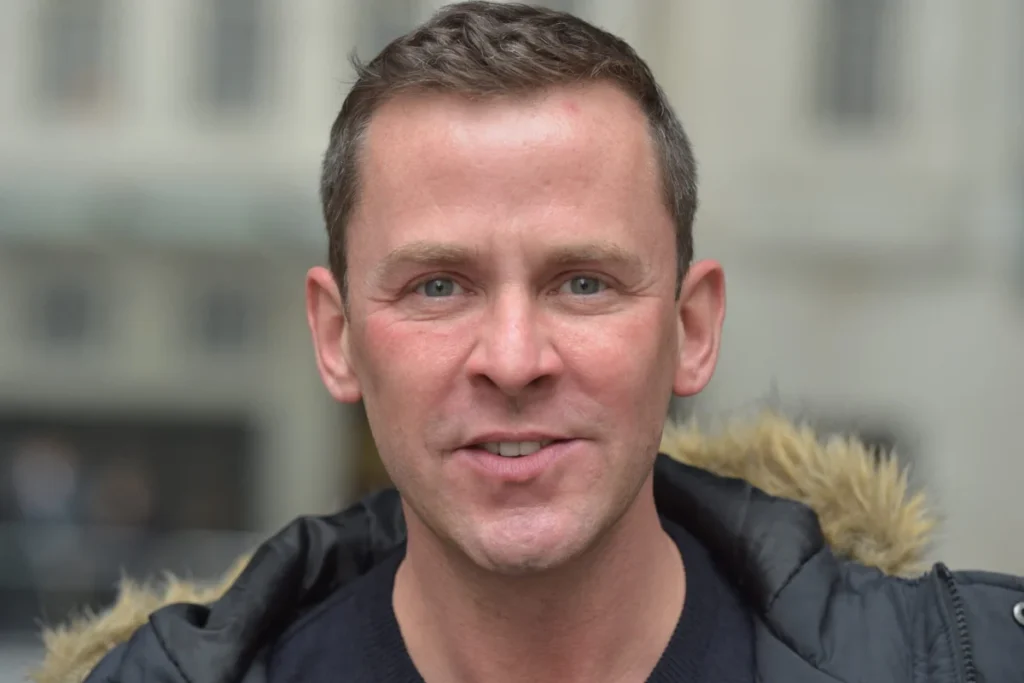

Veteran broadcaster Scott Mills is reportedly preparing to sue the British Broadcasting Corporation (BBC) following his abrupt dismissal from the coveted Radio 2 breakfast show, a decision understood to be linked to a historic police investigation involving allegations of sexual assault with an underage boy. The legal challenge is expected to hinge on a fundamental dispute regarding the timing and extent of Mills’ disclosure of the allegations to BBC executives, a claim he asserts was made years prior to his sacking.
The Heart of the Dispute: Disclosure Versus "New Information"
At the core of the impending legal battle is a stark disagreement over what information was known by the BBC, and when. According to reports, Mills has enlisted prominent legal counsel to prepare a comprehensive case, arguing that he fully disclosed the details of the investigation, including the age of the accuser, to senior BBC management years ago when the matter first came to their attention. This assertion directly contradicts the BBC’s official position, which stated that Mills’ dismissal was precipitated by "new information" coming to light.
Sources close to the presenter indicate that his legal team will contend that the issues surrounding the allegations had already been thoroughly discussed and raised with management at BBC Radio 1 during the period the initial investigation was active. This discrepancy forms the central pillar of Mills’ potential claim, suggesting that the BBC’s rationale for his termination – based on previously undisclosed information – is unfounded. A successful legal challenge would likely require Mills to provide clear evidence of his prior disclosures, while the BBC would need to substantiate its claim of newly acquired material information. The outcome could have significant implications for employment law within major broadcasting institutions, particularly concerning the handling of sensitive allegations involving public figures.
A Chronology of Events Leading to Dismissal and Legal Action
The sequence of events leading to Scott Mills’ current predicament and his decision to pursue legal action is complex, spanning several years and culminating in a swift and impactful dismissal.
- 1997-2000: Period of Allegations: The allegations of serious sexual offences, which involved a teenage boy under the age of 16, are reported to have taken place during this timeframe. These historical claims form the basis of the subsequent police investigation.
- Undisclosed Period (Years Ago): Mills’ Claimed Disclosure: Mills asserts that he proactively informed BBC executives of the allegations, including the accuser’s age, during this period, well before his recent dismissal. The precise timing and the specific individuals informed remain a critical, undisclosed detail that will likely be central to any legal proceedings.
- 22 March 2016: Metropolitan Police Investigation Initiated: The Metropolitan Police launched a formal investigation into the then 53-year-old broadcaster concerning the aforementioned historical allegations. Mills has consistently maintained that he cooperated fully with this police inquiry.
- Unspecified Date (Post-2016): Investigation Dropped: The police investigation concluded without charges, reportedly due to a lack of sufficient evidence. This outcome is a crucial element of Mills’ defence against public accusations and a factor in his assertion that the BBC was fully aware of the situation’s resolution.
- Late March 2024: Dismissal from BBC Radio 2: Scott Mills was abruptly sacked from his role presenting the Radio 2 breakfast show, one of the most listened-to programmes in the UK. This decision marked the immediate trigger for the unfolding controversy.
- Early April 2024: Public Emergence of Investigation Details: Shortly after his dismissal, details of the historic Metropolitan Police investigation and the allegations against Mills became public knowledge, sparking widespread media attention and public discussion.
- Days Following Sacking: Mills’ Statement: Through his legal representatives, Mills issued a statement addressing the burgeoning "rumour and speculation" surrounding his termination. He confirmed his full cooperation with the historical police investigation and reiterated that the inquiry had been dropped due to insufficient evidence.
- April-May 2024: Professional Fallout: In the weeks following his dismissal and the public revelation of the allegations, Mills experienced a significant professional fallout. He was removed from the line-up of the Ibiza Symphonica summer concert, with organisers citing the "serious nature" of the allegations. Channel 4 announced the withdrawal of an episode of The Great Celebrity Bake Off For Stand Up To Cancer featuring Mills, replacing it with an alternative broadcast. Furthermore, Mills stepped back from his ambassadorial role for MS Society UK, and children’s cancer charity Neuroblastoma UK, where he had served as a patron since 2021, decided to "part ways" with him. He was also dropped as the host of the BBC’s new Race Across The World spin-off podcast.
- Current: Legal Action Initiated: Mills is now reportedly pursuing legal action against the BBC, challenging the legality and fairness of his dismissal.
Scott Mills’ Esteemed Career and Public Image
Before the recent controversies, Scott Mills enjoyed a long and distinguished career at the BBC, spanning several decades and establishing him as one of the corporation’s most recognisable and popular voices. He first joined BBC Radio 1 in 1998, where he hosted various shows, including the afternoon slot, for over two decades. His affable personality, relatable humour, and engaging style garnered him a loyal listenership, particularly among younger audiences.
In 2022, Mills made a high-profile move to BBC Radio 2, taking over the popular afternoon slot before transitioning to the breakfast show. This move was seen as a significant career progression, placing him at the helm of a programme with a vast listenership, predominantly older than Radio 1’s demographic. His public image was largely that of a charismatic, trustworthy, and entertaining broadcaster, making his sudden dismissal and the subsequent revelations all the more shocking to his fanbase and the wider public. The widespread professional fallout underscores the severe damage to a carefully cultivated public persona built over decades in broadcasting.

The BBC’s Stance and Institutional Context
The BBC’s official position remains consistent: Mills was dismissed due to "new information" coming to light. The corporation has not elaborated further on the nature of this "new information," nor has it publicly addressed Mills’ claims of prior disclosure. This reticence is standard practice in anticipation of potential legal proceedings, where public statements could prejudice a case.
The BBC operates under a unique mandate as a publicly funded broadcaster, holding a significant position of trust within the UK. In recent years, the corporation has faced intense scrutiny regarding its safeguarding policies and its handling of allegations against high-profile presenters, particularly in the wake of the Jimmy Savile scandal and, more recently, allegations concerning other prominent figures. This heightened awareness of public perception and institutional responsibility means the BBC is under immense pressure to act decisively when serious allegations surface, even if unproven in a court of law. The corporation must balance its duty of care to its employees with its broader responsibility to maintain public trust and protect vulnerable individuals. This delicate balance often leads to difficult decisions, particularly when allegations, historical or otherwise, threaten to undermine its reputation.
Legal Ramifications and Employment Law Considerations
Scott Mills’ potential lawsuit against the BBC is likely to be a high-stakes legal battle with significant implications for both parties. The core of his claim is expected to revolve around wrongful dismissal and potentially breach of contract.
- Wrongful Dismissal: For a claim of wrongful dismissal to succeed, Mills’ legal team would need to demonstrate that the BBC terminated his employment in breach of his contract. This could involve proving that the BBC did not follow proper contractual procedures for dismissal, or that the grounds for dismissal (the "new information") were not valid or justifiable under the terms of his employment. If Mills can prove he had already disclosed the information, the BBC’s stated reason for dismissal could be challenged as a pretext.
- Breach of Contract: High-profile presenters often have complex contracts that include clauses pertaining to public conduct, reputation, and disclosure of sensitive information. Mills’ claim of prior disclosure suggests he believes he fulfilled his contractual obligations regarding transparency. If the BBC acted on information that was already known to them, or should have been known, their action could be seen as a breach of their implied duty of trust and confidence.
- Burden of Proof: In such a case, the burden of proof would largely fall on Mills to demonstrate that his dismissal was unfair or unlawful. This would involve presenting evidence of his prior disclosures, potentially through emails, meeting minutes, or witness testimonies from former or current BBC staff. The BBC, in turn, would need to robustly defend its "new information" claim, providing evidence that what came to light genuinely constituted new and material grounds for dismissal.
- Potential Outcomes: If Mills’ lawsuit is successful, he could be awarded significant financial compensation, including lost earnings, damages for reputational harm, and potentially aggravated damages if the court finds the BBC acted egregiously. Conversely, if the BBC successfully defends its position, it would reinforce its decision-making process in sensitive cases. The case could also result in an out-of-court settlement, a common outcome in high-profile employment disputes, allowing both parties to avoid a protracted and publicly damaging trial.
Wider Industry Impact and Precedent
The legal challenge mounted by Scott Mills carries significant implications not just for the individuals involved, but for the broader broadcasting industry and the nature of talent contracts.
- Talent Contracts and Moral Clauses: This case will undoubtedly highlight the intricacies of "moral clauses" and conduct stipulations in contracts for high-profile media personalities. Such clauses typically allow employers to terminate contracts if an employee’s conduct brings the organisation into disrepute. The dispute here centres on whether Mills’ alleged conduct (the historical allegations) was already known and managed, or if new information truly warranted immediate action under such clauses. The outcome could influence how these clauses are drafted, interpreted, and enforced across the industry.
- Reputational Damage: The saga has already inflicted considerable reputational damage on Scott Mills, evident in the loss of numerous professional engagements and charitable affiliations. For the BBC, a public legal battle could also damage its reputation, particularly if Mills’ claims of prior disclosure are substantiated, suggesting a failure in internal communication or ethical oversight.
- Balancing Act for Broadcasters: The case underscores the perennial challenge faced by major broadcasters: how to balance the duty of care towards their employees with their public responsibilities, particularly regarding safeguarding and maintaining audience trust. The intense public scrutiny surrounding allegations against media figures means organisations often feel compelled to act swiftly, sometimes before full legal processes are complete. This case will test the legal boundaries of such rapid decision-making.
- Transparency and Disclosure: The dispute over "new information" versus prior disclosure will likely lead to renewed scrutiny of internal reporting mechanisms within large organisations. It emphasizes the critical importance of clear, documented communication channels for employees to disclose sensitive information and for management to record and act upon such disclosures.
The Road Ahead for Mills and the BBC
The path forward for both Scott Mills and the BBC is fraught with legal complexities and public scrutiny. Legal proceedings of this nature can be lengthy, costly, and emotionally draining. Mills faces the challenge of rebuilding his career and public image, irrespective of the legal outcome, a task made more difficult by the lingering nature of the allegations. His decision to pursue legal action suggests a strong belief in the merit of his case and a determination to clear his name regarding the circumstances of his dismissal.
For the BBC, the case represents another significant test of its internal governance and its handling of high-profile talent. The outcome will be closely watched by employees, other media organisations, and the public. It will set a precedent for how allegations are managed, how information is shared internally, and the extent of an employer’s liability when dismissing a long-serving and popular figure under such sensitive circumstances. The financial and reputational stakes are considerable for both parties as this complex legal drama unfolds.