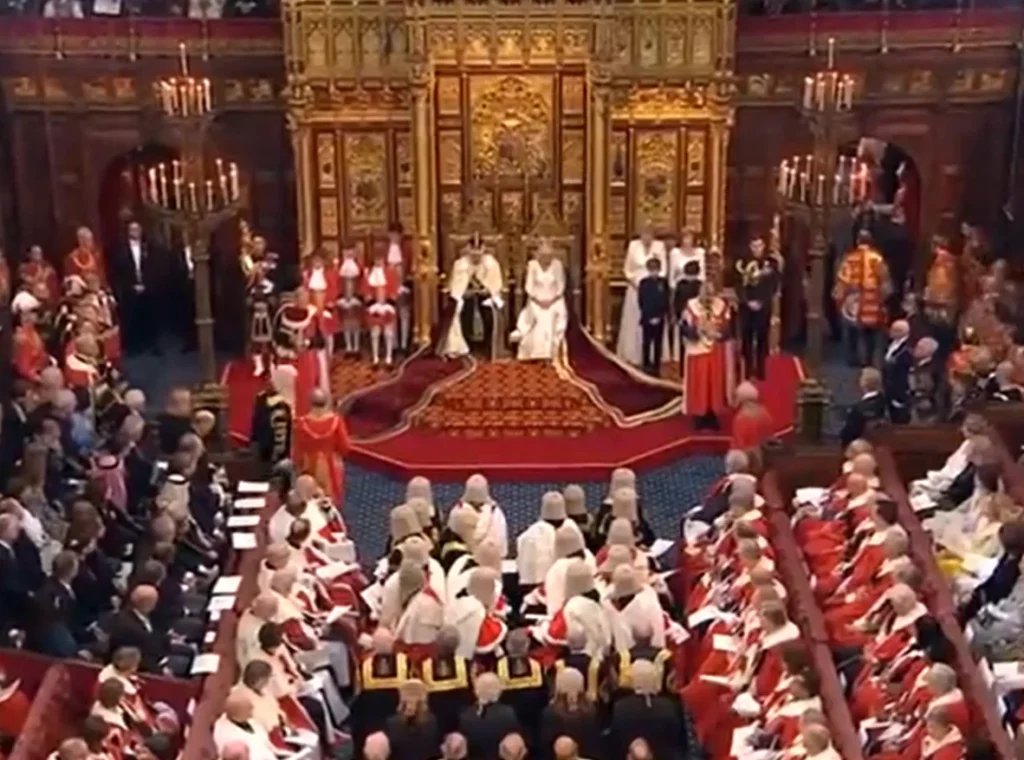

Anticipation is building ahead of this week’s King’s Speech, when Charles III will formally unveil the government’s legislative plans for the coming parliamentary session. This significant event, steeped in centuries of tradition, marks the official commencement of a new parliamentary year and offers a crucial platform for the governing party to articulate its policy agenda and set the direction for national priorities. The speech, delivered from the throne in the House of Lords, is expected to attract unusually intense political scrutiny, particularly as Prime Minister Sir Keir Starmer attempts to relaunch his premiership following recent electoral challenges.
The King’s Speech, while delivered by the monarch, is fundamentally a government document, meticulously crafted by ministers to outline their legislative ambitions. It represents a unique fusion of ancient ceremonial practice and contemporary political necessity. The solemnity of the occasion, with its established rituals and symbolism, underscores the enduring constitutional role of the Crown, while the content of the speech directly addresses the pressing issues facing the nation and proposes concrete policy solutions.
The Ceremony of State Opening of Parliament
The State Opening of Parliament is a cornerstone of the British political calendar, a spectacle that blends regal grandeur with constitutional significance. The day’s proceedings typically commence with His Majesty travelling from Buckingham Palace to the Palace of Westminster in a State Carriage Procession. This procession, a vivid display of national pageantry, is accompanied by the Household Cavalry, creating a powerful visual representation of the Crown’s connection to the state.
Upon arrival at Westminster, the King, attired in the regalia of state, including the Imperial State Crown and robes, proceeds to the House of Lords. The ceremony itself has roots stretching back to the 16th century, evolving over time but retaining its core elements. A pivotal moment in the tradition involves the summons of Members of Parliament (MPs) from the House of Commons. Black Rod, an officer of the House of Lords, is dispatched to the Commons to summon the MPs. Upon their arrival, the doors of the Commons chamber are ceremonially slammed shut, a symbolic act representing the independence of Parliament from the Crown. After a period of symbolic resistance, the doors are reopened following three ceremonial knocks by Black Rod, signifying the monarch’s authority and the subsequent obligation of the Commons to attend the King in the Lords.
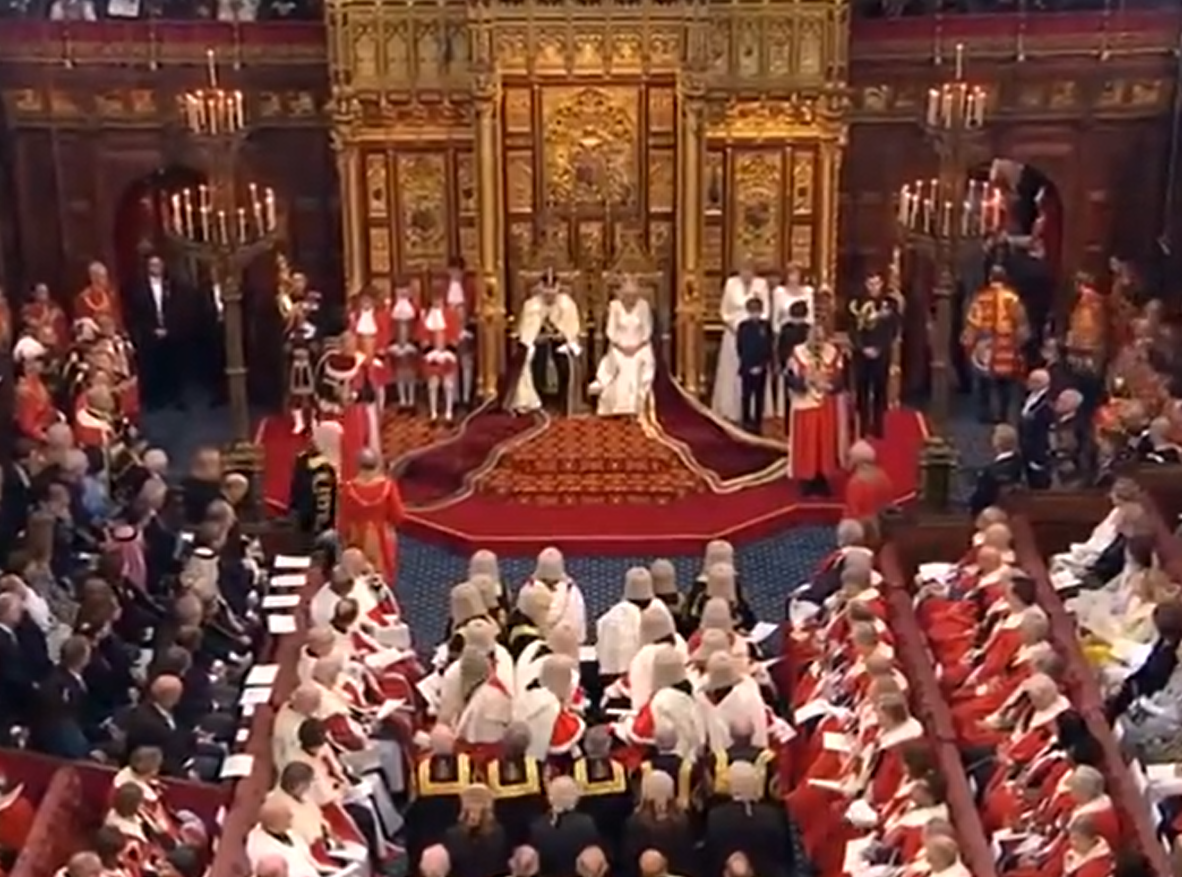
Inside the House of Lords, the King takes his place on the throne and delivers the speech. This address, drafted by the government, outlines the legislative programme they intend to pursue during the forthcoming parliamentary session. It is a moment where the government, through the voice of the monarch, signals its priorities and legislative roadmap to Parliament and the nation.
Key Policy Pillars Expected in the King’s Speech
This year’s King’s Speech is anticipated to place a significant emphasis on several critical areas of national policy, reflecting the current economic and social landscape. Foremost among these are the economy, welfare reform, and the UK’s evolving relationship with the European Union post-Brexit.
Economic Strategy and Post-Brexit Alignment:
In a move that signals a potential shift in economic strategy, the government is expected to propose legislation that would allow the UK to align with specific European Union single market rules. This alignment, particularly in areas such as food standards, suggests a pragmatic approach to navigating the complexities of post-Brexit trade and regulatory frameworks. Such a move could aim to reduce trade barriers and facilitate closer economic ties with the EU, potentially boosting specific sectors of the UK economy. Data from the Office for National Statistics has previously indicated the impact of trade friction on various industries, and proponents of closer alignment argue it could mitigate these challenges.
Addressing the Cost-of-Living Crisis:
Legislation aimed at tackling the persistent cost-of-living crisis is also expected to be a central theme. This could encompass a range of measures designed to alleviate financial pressure on households, potentially including support for energy costs, measures to control inflation, or initiatives to boost household incomes. The severity of the cost-of-living crisis, marked by elevated inflation rates and rising energy prices, has been a dominant concern for the public and a key challenge for the government.
Welfare Reform and Social Security:
The government is reportedly poised to revive controversial welfare reforms, following an earlier dilution of spending cuts due to opposition from Labour MPs. This renewed focus on welfare reform could involve significant changes to the social security system. Proposed measures may include restricting incapacity benefits for individuals under the age of 22, a move likely to generate considerable debate regarding its impact on vulnerable young people. Further reforms to disability benefits are also anticipated, likely to be informed by the findings of the ongoing Timms Review, which examines the effectiveness and fairness of the current disability benefits system. These reforms underscore the government’s commitment to addressing the sustainability of the welfare state while aiming to encourage greater workforce participation.
Financial Legislation and National Investment:
Financial legislation is expected to feature prominently, with a key proposal being the formal establishment of the National Wealth Fund in law. This initiative follows Chancellor Rachel Reeves’ rebranding of the UK Infrastructure Bank in 2024, suggesting a strategic intent to channel significant public investment into key national infrastructure projects. The creation of such a fund could signal a long-term commitment to economic growth and development, aiming to attract private investment and stimulate job creation across the country.
Support for Small Businesses and Public Procurement:
Additional proposals are anticipated to bolster the business environment. These may include reforms to the regulation of the City of London, aiming to enhance its competitiveness and attractiveness as a global financial centre. Furthermore, a crackdown on persistent late payments to small businesses is expected, a move that could significantly improve cash flow for a vital segment of the UK economy. Procurement changes designed to encourage public bodies to purchase more British goods and services are also likely to be included, aiming to support domestic industries and supply chains.
Regional Development and Tourism:
The speech may also contain plans allowing English regional mayors to introduce tourist taxes on overnight stays. This devolved power could provide local authorities with additional revenue streams to invest in local infrastructure, tourism promotion, and public services, potentially fostering regional economic growth and development.
Historical Context and Precedents
The King’s Speech is not merely a statement of future intent; it is an event deeply embedded in British constitutional history. The tradition of the monarch formally opening Parliament and outlining the government’s legislative agenda dates back centuries. For instance, the formal summoning of the Commons by Black Rod and the ceremonial slamming of the doors have been practiced for generations, symbolizing the evolving balance of power between the Crown and Parliament.
Charles III’s delivery of the King’s Speech is still a relatively recent development in his reign. He formally took on this constitutional duty following the passing of his mother, Queen Elizabeth II, in 2022. His first King’s Speech as monarch was delivered in 2023. Prior to that, in 2022, he performed the role on behalf of Queen Elizabeth II while still Prince of Wales, a clear indication of the Crown’s continuity and the preparation for future succession. Each King’s Speech offers a point of comparison with previous agendas, allowing for analysis of policy evolution and the government’s responsiveness to changing national circumstances.
Analysis of Implications and Political Landscape
The upcoming King’s Speech arrives at a crucial juncture for Prime Minister Sir Keir Starmer’s government. Following what are described as "damaging election results for Labour across England, Scotland and Wales," the government is under significant pressure to demonstrate a clear and compelling vision for the future. The legislative programme unveiled in the King’s Speech will be a key indicator of the government’s strategy to regain public confidence and solidify its electoral mandate.
The emphasis on economic stability, welfare reform, and post-Brexit alignment suggests a pragmatic approach aimed at addressing immediate national concerns while also seeking to establish a more predictable and stable relationship with international partners. The success of these proposed reforms will likely be measured not only by their passage through Parliament but also by their tangible impact on the lives of citizens and the performance of the UK economy.
The inclusion of potentially controversial welfare reforms, such as restrictions on incapacity benefits for younger individuals, is likely to be a focal point of parliamentary debate and public discourse. The government will need to articulate a robust justification for these measures, emphasizing their contribution to long-term fiscal sustainability and encouraging work where possible, while also addressing concerns about potential hardship for vulnerable groups.
The formal establishment of the National Wealth Fund and proposed reforms to support small businesses indicate a focus on long-term economic growth and investment. The effectiveness of these initiatives will depend on their design, implementation, and ability to attract private sector engagement.
Following the ceremony, Parliament will engage in several days of debate on the government’s proposed programme. This debate culminates in a vote, a constitutional formality that governments historically rarely lose. The outcome of this vote will signify Parliament’s endorsement of the government’s legislative agenda, setting the stage for the detailed scrutiny and passage of individual bills in the months ahead. The King’s Speech, therefore, is not merely an announcement; it is the definitive starting gun for a year of legislative action and political engagement.