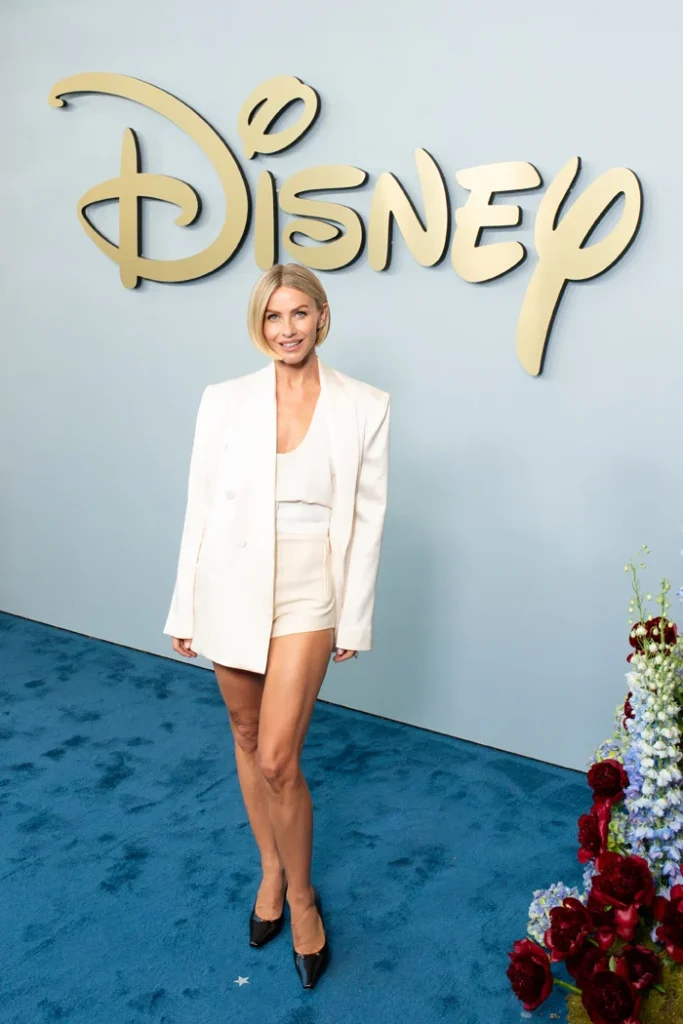

The Walt Disney Company concluded its expansive 2026 Upfront presentation this week, marking a significant milestone in the annual advertising cycle where the media giant showcases its upcoming slate of content across its diverse portfolio, including ABC, Disney+, Hulu, ESPN, and FX. As the second installment of a comprehensive look at the event’s red carpet arrivals, this gathering served as a strategic intersection of high-fashion branding and corporate showmanship. The presence of top-tier talent from across the Disney "stable" underscores the company’s ongoing commitment to prestige storytelling and its dominance in the global entertainment landscape.
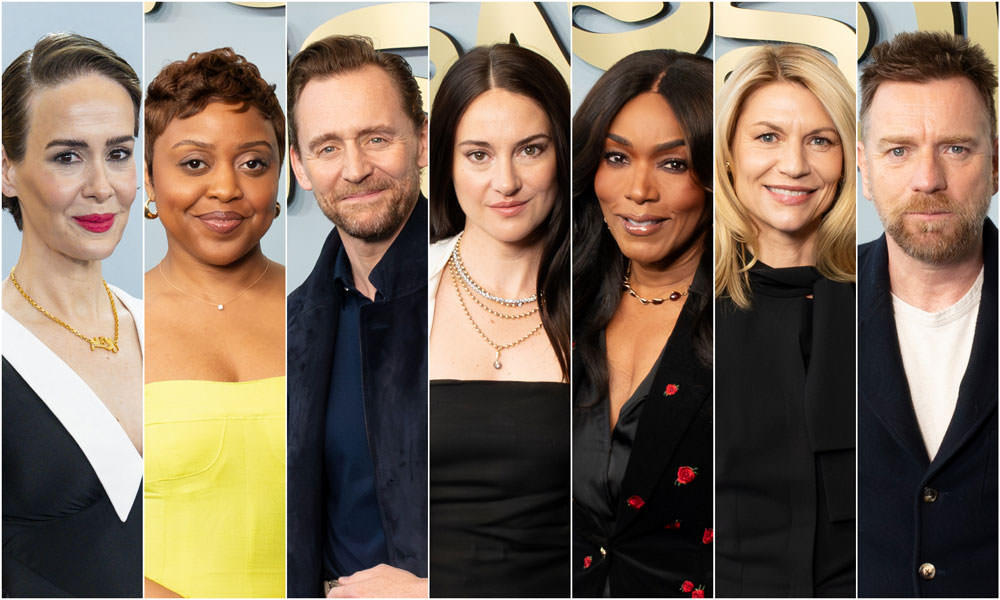
The Upfronts, a tradition in the television industry, have evolved from simple network presentations into high-production spectacles designed to secure billions of dollars in "upfront" advertising commitments. For the 2026 season, Disney’s presentation focused heavily on the integration of streaming data and live sports, but it was the star power on the red carpet that provided the tangible glamour necessary to captivate stakeholders. The following analysis examines the aesthetic choices of the talent in attendance, the designers represented, and the broader implications for Disney’s brand identity heading into the next fiscal year.
The Strategic Importance of the 2026 Upfronts
The 2026 presentation arrived at a pivotal moment for the entertainment industry. With the total U.S. upfront ad spending projected to exceed $20 billion, Disney remains a primary beneficiary of these allocations. The company’s strategy for the 2026-2027 season appears to be centered on "franchise stability and cross-platform synergy." This was reflected in the red carpet lineup, which featured a mix of veteran Academy Award winners, breakout stars from streaming originals, and the comedic leads of critically acclaimed broadcast hits.
Industry analysts note that the visual presentation of talent at these events is rarely accidental. Celebrity styling for Upfronts typically balances "approachable professionalism" with "aspirational glamour." This ensures that the actors appear both as relatable faces of the network and as high-value assets capable of commanding large audiences.
Veteran Icons and Prestige Aesthetics
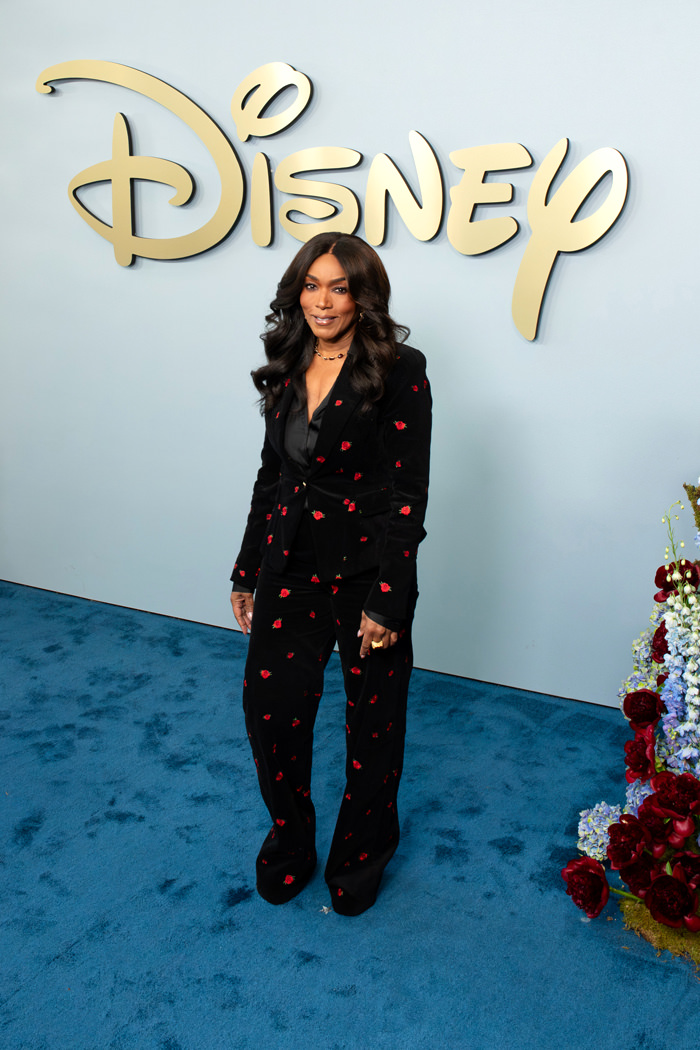
Leading the arrivals was Angela Bassett, whose enduring relationship with Disney through the Marvel Cinematic Universe and the procedural hit 9-1-1 makes her one of the company’s most valuable ambassadors. Bassett appeared in a structured ensemble by L’Agence. While the silhouette was praised for its sophisticated lines, fashion observers noted the unconventional hemline tailoring, which provided a modern, if polarizing, take on the classic trouser suit.
Similarly, Claire Danes and Sarah Paulson represented the prestige drama wing of the Disney-owned FX and Hulu platforms. Danes opted for a minimalist, high-collared aesthetic that leaned into the "quiet luxury" trend dominating the 2026 fashion cycle. Paulson, known for her transformative roles in the American Horror Story anthology, chose a look characterized by bold makeup and sharp tailoring, signaling the avant-garde spirit often associated with FX’s branding.
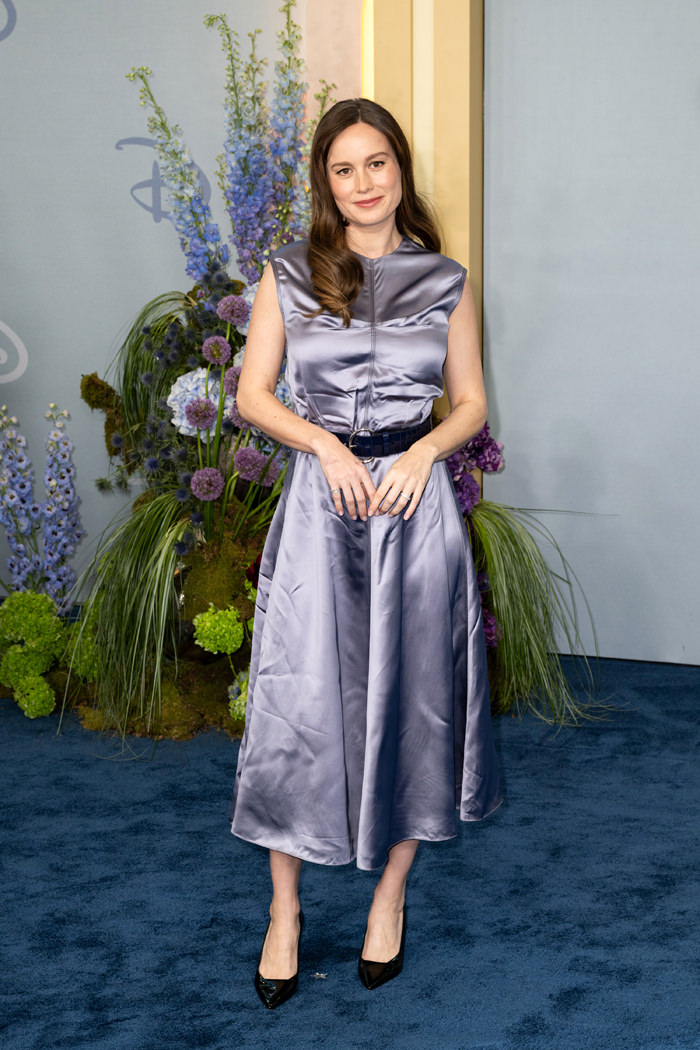
Academy Award winner Brie Larson also made a notable appearance. Larson’s fashion choices often reflect her status as a versatile lead in both blockbuster franchises and intimate dramas. Her choice of a satin-heavy ensemble sparked discussion among stylists regarding the practicalities of the fabric under the intense lighting of a press line. Satin, while luxurious, requires meticulous maintenance to avoid the appearance of wear during long-duration events.
The Next Generation of Disney Talent
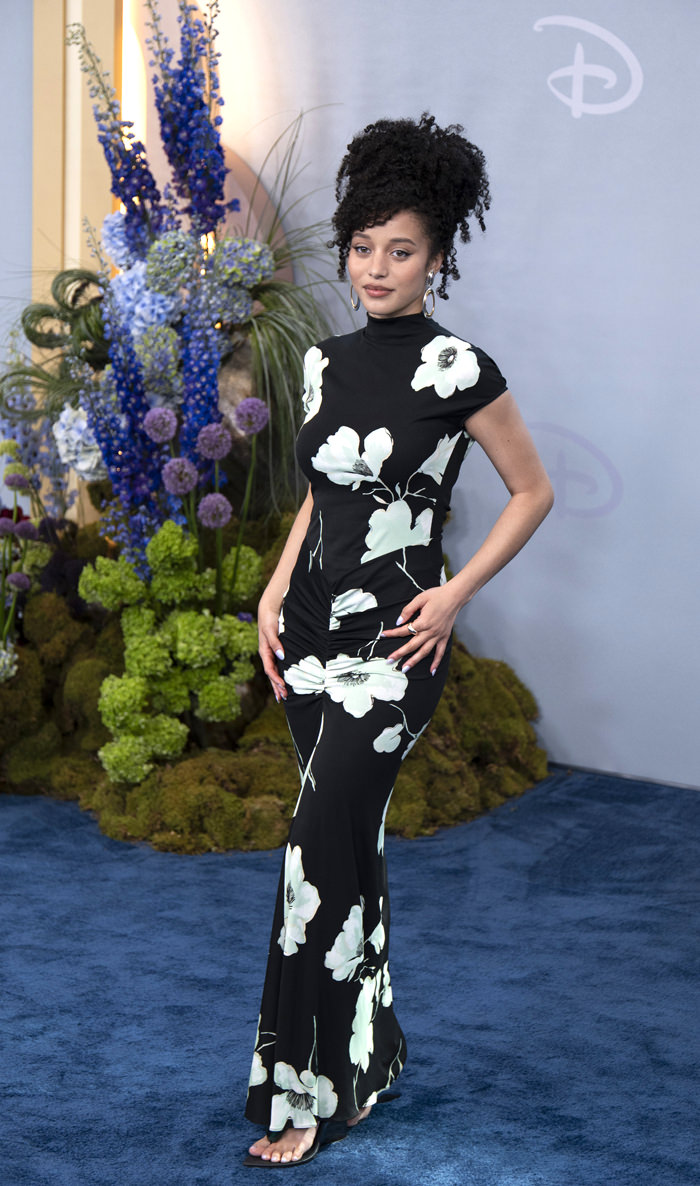
The 2026 Upfronts served as a major platform for rising stars who are expected to carry the Disney+ and Hulu brands forward. Chase Infiniti, a breakout performer in the expanding Star Wars universe, made a significant impression in a look by Alaïa. The choice of Alaïa—a house known for its architectural precision and sculptural silhouettes—positioned Infiniti as a serious fashion player, aligning her personal brand with high-end editorial standards.
Kaia Gerber, appearing in Jacquemus, represented the bridge between the fashion world and Disney’s scripted content. Her ensemble reflected the Mediterranean-inspired, sun-drenched aesthetic of the French designer, though some commentators noted the intensity of her sun-kissed styling. Jacquemus has become a staple for younger Hollywood talent, offering a blend of playful proportions and classic elegance that resonates with the Gen Z and Millennial demographics Disney is eager to retain.
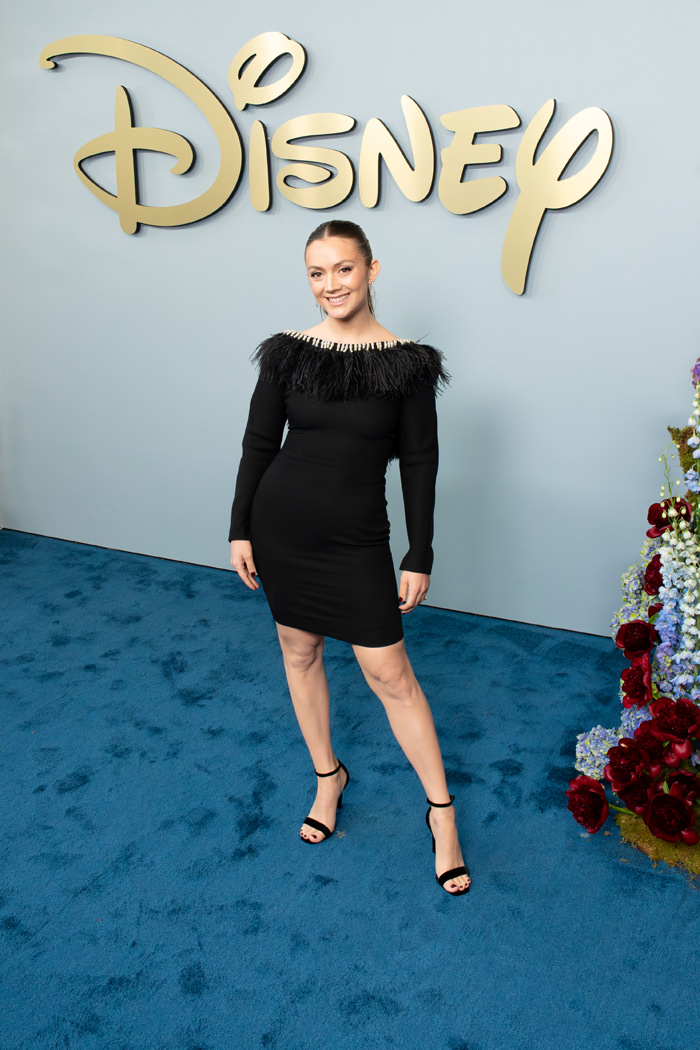
Billie Lourd also stood out by incorporating fringe elements into her attire. While fringe can often be viewed as a nostalgic or overly busy design choice, its application here was noted for its contemporary execution. Lourd, who has successfully carved out a niche in both comedy and horror, used the tactile nature of the garment to stand out in a sea of traditional evening wear.
Comedy and Character: The Faces of ABC and Hulu
Quinta Brunson, the creator and star of the multi-award-winning Abbott Elementary, demonstrated a keen understanding of the Upfronts’ specific dress code. Dressed in Hunter Bell, Brunson chose an outfit that was described as "photogenic and event-appropriate." Her look avoided the over-formalization of an awards show while maintaining a polished edge suitable for a daytime corporate presentation. Brunson’s style often mirrors her professional persona: smart, accessible, and vibrant.
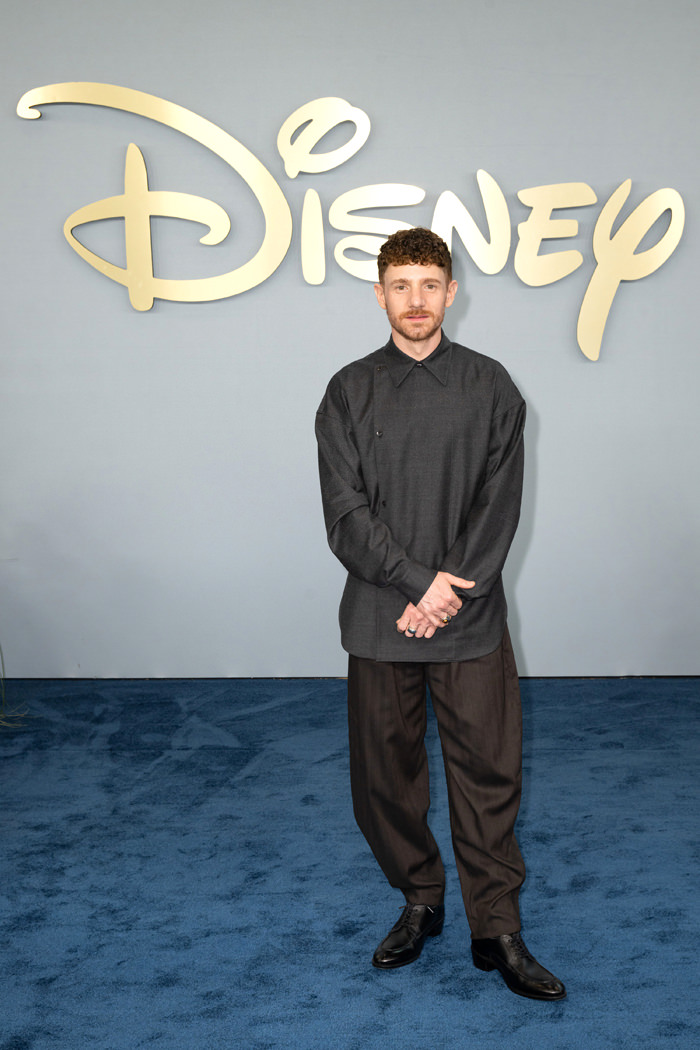
Her Abbott Elementary co-star Chris Perfetti also showcased a shift in his personal style. Moving away from the more flamboyant choices of previous years, Perfetti opted for a more restrained, color-subtle ensemble that maintained his reputation for pushing sartorial boundaries without overshadowing the corporate nature of the event.
Masculine Tailoring and Modern Professionalism
The men of the Disney stable displayed a range of approaches to 2026’s masculine fashion trends. Tom Hiddleston, the face of the immensely successful Loki franchise, experimented with lapel structures and tonal layering. While the choice of a darker shirt sparked some debate regarding its contrast with the suit, Hiddleston remains a quintessential example of the "British gentleman" aesthetic that Disney frequently utilizes for its international marketing.
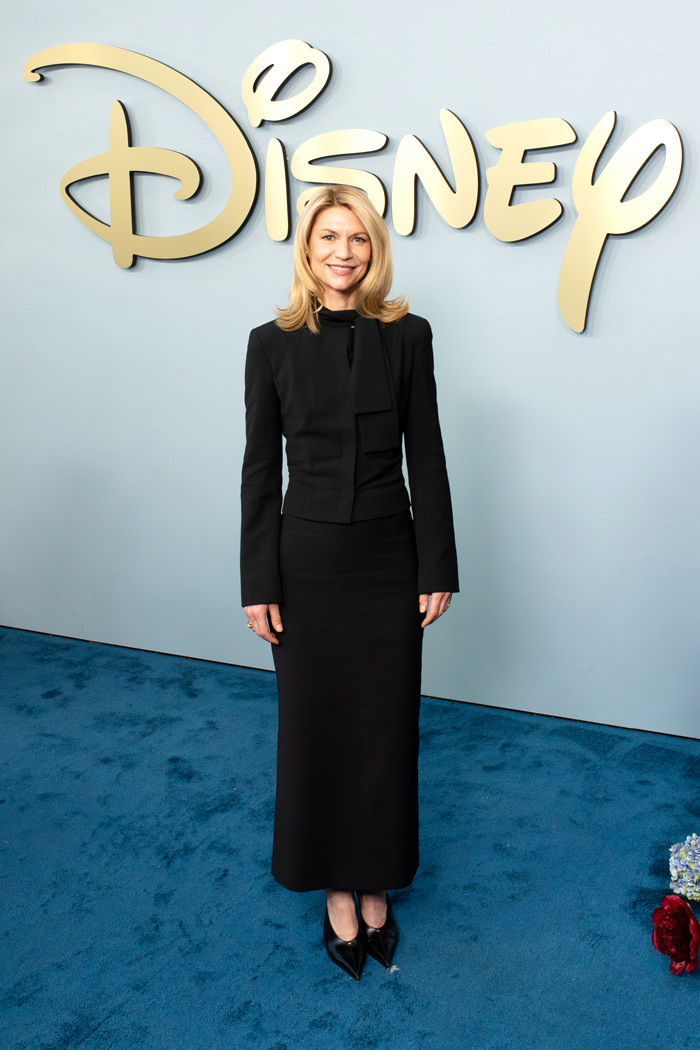
Ewan McGregor, representing the Star Wars brand, and Scott Speedman, a staple of long-running medical dramas, opted for more traditional suiting. Speedman’s choice of color was noted as being particularly challenging for certain complexions, requiring impeccable grooming to execute successfully. Meanwhile, Paul Anthony Kelly appeared in Giorgio Armani, a brand synonymous with timeless Hollywood power. Stylists noted that while the suit was "safe," it effectively communicated a sense of established authority.
Zach Braff, representing the directorial and comedic talent at Disney, took a more literal approach to the "company man" aesthetic. His look was professional and streamlined, though his choice of heavy, "Peaky Blinders" style footwear provided a rugged contrast to the otherwise sleek attire.

Technical Analysis of 2026 Fashion Trends
Several key trends emerged from the Part Two rundown of the Disney Upfronts:
- Textural Contrast: The use of fringe (Lourd), satin (Larson), and heavy knits or structured fabrics (Bassett) suggests a move away from flat, matte materials toward garments that offer visual depth in high-definition photography.
- Color Saturation: While neutral tones remained present, many stars opted for bold, singular colors—such as Mandy Moore in The Sei—designed to pop against the branded backdrops of the red carpet.
- Footwear as a Statement: From Shailene Woodley’s "insane booties" to Julianne Hough’s classic black pumps, footwear was used as a primary tool for altering the "vibe" of an outfit, often serving as the most modern element of an otherwise classic look.
- Minimalist Austerity: Olivia Colman and Claire Danes showcased a trend toward "pastoral" or "austere" silhouettes, prioritizing comfort and clean lines over traditional "glamazon" tropes.
Broader Impact and Industry Implications
The 2026 Disney Upfront was not merely a fashion show; it was a demonstration of corporate health. By parading its diverse roster of talent, Disney signaled to advertisers that it possesses the human capital necessary to drive engagement across all demographics. The "Red Carpet Rundown" serves as a secondary marketing layer, as images of these stars circulate through social media and fashion outlets, extending the reach of the Upfronts far beyond the initial New York City audience.

In a statement following the event, Rita Ferro, Disney’s President of Advertising, emphasized that "the power of our talent is matched only by the precision of our data." This synergy between the "faces" of the company and the backend technology used to target ads is the cornerstone of Disney’s 2026 strategy.
As the industry moves toward the 2026-2027 season, the visual identities established at this event will likely influence marketing campaigns for months to come. The blend of high-fashion risk-taking and safe, corporate-friendly styling reflects a company that is confident in its legacy while remaining attentive to the rapidly changing tastes of a global audience. The 2026 Disney Upfront Part Two proved that in the modern media landscape, the red carpet is as much a boardroom as it is a runway.