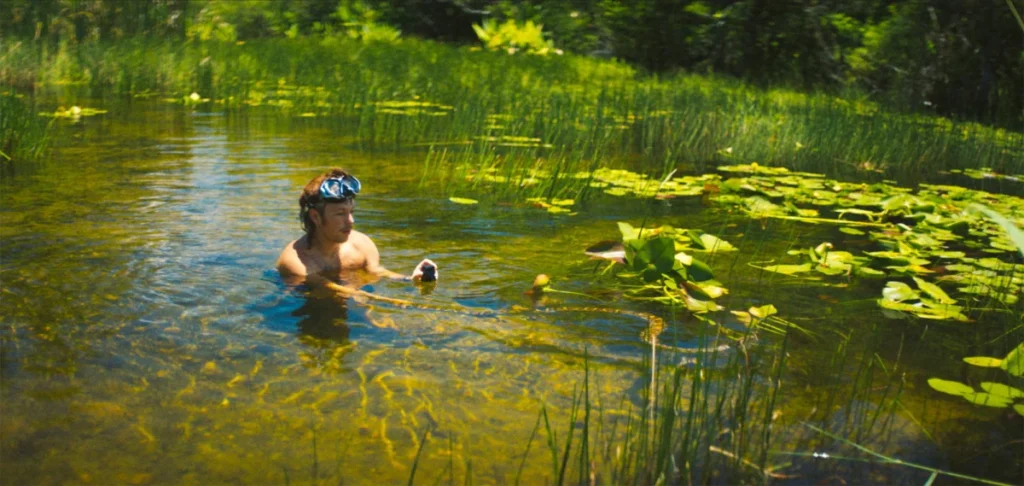

The official trailer for the documentary film The Python Hunt, directed by Xander Robin, has been released, offering a gripping glimpse into Florida’s annual Burmese python removal contest. Oscilloscope Labs is set to distribute the film, which premiered at the 2025 SXSW Film Festival and has since garnered attention at numerous other festivals, including Beyond Fest, Sitges, Miami, and Nashville. The documentary delves into the intense, often perilous, 10-day competition where participants are tasked with capturing invasive Burmese pythons in the Florida Everglades, a critical effort to manage the escalating overpopulation of these apex predators and protect the native ecosystem.
The Everglades Python Challenge: A Government-Sanctioned Hunt
The premise of The Python Hunt is rooted in a real-world initiative by the Florida Fish and Wildlife Conservation Commission (FWC). Faced with an ecological crisis exacerbated by the unchecked breeding of Burmese pythons, which were likely introduced to the wild through the exotic pet trade and subsequent releases, the state established the Python Elimination Program. This program, which includes the highly publicized Python Challenge events, invites the public to participate in hunting and capturing these invasive snakes. The goal is twofold: to reduce the python population, thereby mitigating their devastating impact on native wildlife, and to raise public awareness about the invasive species issue.
Burmese pythons are not native to Florida and have no natural predators in the Everglades. Their presence has led to a dramatic decline in populations of native mammals, birds, and reptiles. Studies by the U.S. Geological Survey have documented significant drops in raccoon, opossum, and bobcat populations in areas with high python densities. These snakes, capable of reaching lengths of over 20 feet, consume an extensive range of prey, disrupting the delicate balance of the Everglades’ food web and threatening biodiversity. The state’s efforts, including the Python Challenge, aim to address this ecological imbalance by incentivizing removal and fostering a sense of collective responsibility.

A Diverse Cast of Hunters and Their Motivations
The Python Hunt captures the essence of this unique competition, showcasing the diverse and often eccentric personalities drawn to the Everglades each year. The film highlights not only seasoned "gladesmen" who have witnessed firsthand the ecological devastation but also a multitude of amateurs, each with their own theories and motivations for tackling this formidable challenge. Director Xander Robin, known for his previous work on films like Are We Not Cats and the series "Chillin Island," describes the film as an exploration of the "thousands of other people who showed up with the same idea." He notes the spectrum of participants, from those "convinced they could fix an unsolvable problem of our own making" to the long-time residents who "watched wildlife disappear long before the pythons arrived."
The documentary promises to delve into the human drama that unfolds under the intense pressure of the hunt. The synopsis mentions "impressive moments of snake spectacle," but emphasizes that "the real attraction is the human drama that emerges from the larger-than-life personalities." This suggests that the film will go beyond a mere action-oriented account of snake hunting, instead focusing on the psychological toll, the personal ambitions, and the underlying environmental concerns that drive these individuals into the challenging Florida wilderness.
The Perils of the Everglades and the Lure of Glory
The 10-night competition is not for the faint of heart. Hunters must navigate treacherous terrain, contend with venomous snakes and other potentially dangerous nocturnal creatures, and endure the physical and mental strain of prolonged fieldwork. The documentary aims to capture the raw intensity of this experience, depicting the hunters as they confront not only the formidable pythons but also their own desires and inner demons. The allure of "slithering glory," as described in the film’s synopsis, hints at the competitive spirit and the potential for significant recognition and reward for successful hunters.
The comparison made by one reviewer, suggesting The Python Hunt might achieve for Burmese pythons what Jaws did for the Great White Shark, underscores the film’s potential to elevate public consciousness about this environmental threat. While the comparison may be hyperbolic, it highlights the film’s ambition to create a similar cultural impact by making an often-unseen ecological crisis relatable and compelling to a broader audience.

Director’s Vision and Festival Acclaim
Director Xander Robin elaborated on his artistic intent, stating, "Out there, everyone has a theory about what’s really happening; about the snakes, about the state, even about the ecosystem itself." He expressed admiration for his cast, finding each perspective "convincing" as they spent long days and nights together in what he describes as "one of the most beautiful and maddening places on earth." This suggests a nuanced approach to the subject matter, acknowledging the complexity of the invasive species issue and the varied viewpoints surrounding it.
The film’s strong reception at the 2025 SXSW Film Festival, where it won a Special Jury Prize, is a testament to its compelling narrative and filmmaking. Its subsequent screenings at other prestigious festivals indicate a broad appeal and a recognition of its significance as both an entertainment piece and an important documentary on a pressing environmental issue. The festival circuit often serves as a crucial platform for documentaries to gain traction and reach a wider audience, and The Python Hunt‘s success in this arena suggests a promising future for its theatrical release.
Broader Implications and the Future of Florida’s Ecosystem
The ongoing challenge of managing invasive species like the Burmese python in Florida has significant broader implications. The ecological damage caused by these snakes represents a substantial threat to the biodiversity of the Everglades, a globally recognized wetland ecosystem and a UNESCO World Heritage site. The economic impact is also considerable, affecting tourism, recreation, and the cost of conservation efforts.
The success of initiatives like the Python Elimination Program and the focus brought by documentaries like The Python Hunt are crucial for fostering a long-term strategy to combat invasive species. While hunting programs can help control populations, comprehensive solutions often involve a multi-faceted approach, including habitat restoration, public education, and stricter regulations on the exotic pet trade. The documentary’s potential to spark widespread public discussion could be instrumental in galvanizing support for these broader conservation efforts.

Oscilloscope Labs’ decision to distribute The Python Hunt indicates confidence in its marketability and its potential to resonate with audiences beyond the typical documentary filmgoing demographic. The film’s release in select U.S. theaters on May 8th, 2026, marks a significant step in bringing this urgent environmental narrative to the forefront. As the documentary makes its way to cinemas, it is poised to not only entertain but also to educate and provoke thought about the delicate balance of nature and humanity’s role in preserving it, particularly in the face of unprecedented ecological challenges. The film serves as a stark reminder that the fight against invasive species is a continuous battle, one that requires vigilance, scientific understanding, and the engagement of the public.