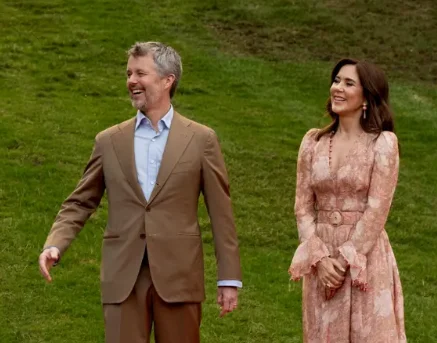

Queen Mary of Denmark has drawn global attention to the critical state of Tasmania’s coastal ecosystems, particularly the devastating decline of its seaweed forests, during a recent royal tour of her native Australia. The Queen shared poignant reflections and compelling visuals from her "childhood street" in Tasmania, emphasizing the urgent need for biodiversity conservation and highlighting inspiring local efforts to combat ecological degradation. Her intervention, timed with the global observance of Biodiversity Day, underscores the interconnectedness of personal heritage and environmental stewardship.
A Personal Plea for Tasmania’s Underwater Forests
During the Danish royal couple’s official visit to Australia in March, Queen Mary took the opportunity to revisit cherished locations from her youth. In a deeply personal Instagram post, she shared her profound connection to the Tasmanian coast, specifically referencing the area stretching past Alum Cliffs. This seemingly picturesque coastline, she revealed, conceals a fragile and immensely valuable ecosystem beneath the waves – one that is facing an unprecedented crisis.
"The coast of Tasmania, which stretches past Alum Cliffs, hides a rich and diverse ecosystem beneath the surface of the water," Queen Mary wrote, her words carrying the weight of personal experience and growing concern. Her post, shared on Biodiversity Day, served as a powerful platform to educate and inspire action.
The Alarming Decline of Seaweed Forests
Queen Mary detailed the alarming reality of Tasmania’s underwater environment, focusing on the dense forests of seaweed that historically carpeted its waters. These kelp forests, she explained, are not merely passive marine flora; they are vibrant, dynamic habitats teeming with life. They provide crucial shelter, breeding grounds, and food sources for hundreds of animal and plant species, forming the foundation of a complex cold-water biodiversity.
However, the Queen delivered a stark statistic: "95% of the seaweed forests have disappeared in recent decades due to ocean warming and other factors." This catastrophic loss represents not just a decline in plant life, but a cascading ecological disaster. The disappearance of these vital underwater forests has profound implications for the entire marine food web, impacting fish populations, invertebrates, and the overall health of the ocean.
"It’s a huge loss for the unique cold-water biodiversity," she lamented, articulating the scale of the ecological tragedy unfolding off Tasmania’s shores. The factors contributing to this decline are multifaceted, with ocean warming due to climate change being a primary driver. Rising sea temperatures stress the kelp, making it more susceptible to disease and competition from invasive species. Other contributing factors likely include changes in ocean currents, increased pollution, and potentially unsustainable fishing practices in the past.
Inspiring Local Action: The University of Tasmania’s Restoration Efforts
Amidst the somber news of ecological loss, Queen Mary illuminated a beacon of hope: the dedicated work of researchers at the University of Tasmania. She highlighted their innovative and collaborative approach to restoring these vital seaweed forests, demonstrating that local action can indeed have a significant global impact.
The university’s multi-pronged strategy involves a comprehensive understanding of the ecosystem’s delicate balance. Key to their efforts is the management of sea urchin populations. Sea urchins, when unchecked, can graze relentlessly on kelp, creating "urchin barrens" where the forests are completely decimated. The researchers are actively replanting the sea urchin forest (referring to areas where urchins have taken over) and harvesting sea urchins to reduce their grazing pressure.
Crucially, their restoration plan extends to reintroducing natural predators of sea urchins. The harvesting of crawfish, which are natural predators of sea urchins, plays a vital role in re-establishing a healthy ecological balance. By reintroducing these species, the university is working to restore the natural checks and balances that have been disrupted.
Queen Mary emphasized the collaborative nature of this vital work, noting that the University of Tasmania is partnering with various stakeholders, including government agencies, fishing companies, and importantly, the indigenous people of Tasmania. This inclusive approach ensures that traditional ecological knowledge is integrated with scientific research, fostering a holistic and sustainable solution.
"Queen Mary called the endeavour ‘an inspiring example of [how] acting local in community benefits us all,’" underscoring the power of collective effort in addressing environmental challenges. This project serves as a testament to the fact that even in the face of daunting ecological crises, dedicated individuals and institutions can make a tangible difference.
Chronology of the Royal Visit and Biodiversity Focus
The Danish royal couple’s visit to Tasmania was the final leg of their significant Australian tour in March. This marked their first official visit to the island state since 2005, though they have maintained private connections and returned to Australia on numerous occasions over the years.
March [Specific Dates of Visit – if available in original source, otherwise generalize]: King Frederik X and Queen Mary undertake a state visit to Australia, including a significant portion dedicated to Tasmania.
During the Visit: Queen Mary, accompanied by King Frederik, visits various locations in Tasmania, including her hometown of Hobart. While in Hobart, the royal couple engages with local communities and institutions.
Post-Visit (Coinciding with Biodiversity Day): Queen Mary shares her reflections and visuals on Instagram, drawing attention to the critical biodiversity issues facing Tasmania’s coastal waters. This timing strategically amplifies the message of environmental conservation on a globally recognized day. The photos and videos shared were reportedly taken by researchers at the University of Tasmania, underscoring the direct link between the royal visit and the environmental cause.
A Deeply Personal Connection to Tasmania
Queen Mary’s engagement with the biodiversity crisis in Tasmania is deeply rooted in her personal history. Born and raised in Hobart, Tasmania, her connection to the island’s natural beauty is profound and long-standing. Her impromptu speech in Hobart during the royal visit further articulated this deep-seated connection.
"I felt privileged that my roots are grounded both in Australia and Denmark. But they do go a little deeper in Tasmania," she stated, conveying the unique significance of the island in her life. This personal sentiment lends considerable weight to her advocacy for its environmental preservation.
She further described the tour’s conclusion in Tasmania as particularly meaningful. "There really isn’t a more special place to end what has been a unique, rewarding, moving, exciting, curious tour, state visit, to Australia from Denmark." This sentiment highlights the emotional resonance of her return to her homeland and its role in framing her environmental message.
Broader Implications and Future Outlook
Queen Mary’s public endorsement of the University of Tasmania’s conservation efforts carries significant weight. As a prominent global figure, her voice can elevate awareness and potentially attract further support – both financial and political – for these crucial initiatives.
The success of the seaweed forest restoration project, if sustained and scaled, could serve as a model for other coastal regions grappling with similar ecological challenges. The project’s emphasis on community involvement, interdisciplinary research, and collaboration with indigenous peoples offers a blueprint for effective and equitable environmental management.
The broader implications of this royal intervention extend beyond Tasmania. It underscores the growing recognition among global leaders that environmental sustainability is not a separate issue but is intrinsically linked to economic prosperity, cultural heritage, and human well-being. Queen Mary’s message serves as a powerful reminder that personal history and global responsibility can converge to inspire meaningful action for the planet.
The continued warming of oceans due to climate change remains a formidable threat, and the long-term success of these restoration efforts will depend on broader global commitments to reduce greenhouse gas emissions. However, Queen Mary’s initiative offers a vital reminder that while global action is paramount, dedicated local efforts, supported by informed advocacy, can create pockets of resilience and hope in the face of environmental adversity. Her personal connection to Tasmania, amplified by her royal platform, has undoubtedly brought a crucial environmental issue to the forefront of public consciousness, sparking a vital conversation about the future of our planet’s precious marine ecosystems.