
A former senior royal aide has revealed that Prince William was consistently prevented from serving on the front line in Afghanistan, despite significant efforts to secure his deployment. Jamie Lowther-Pinkerton, who acted as principal private secretary to both the Prince of Wales and the Duke of Sussex, disclosed that he unsuccessfully lobbied for William’s deployment to the war zone, a role his younger brother, Prince Harry, had undertaken.
Lowther-Pinkerton, a former SAS officer who played a key role in overseeing the early military careers of both princes, stated that security officials repeatedly deemed the future King’s deployment too risky. This contrasted sharply with Prince Harry’s military service, which included two tours of duty in Afghanistan. Harry’s first deployment in 2008, however, was cut short after sensitive details of his presence were leaked, raising concerns about his safety and the potential compromise of Taliban forces knowing his location. Prince William, therefore, never received authorization for a comparable operational deployment.
A Desire to Serve Alongside Fellow Soldiers
Speaking to The Times, Lowther-Pinkerton emphasized that both princes were dedicated soldiers who harbored a strong desire to serve alongside their fellow servicemen and women. "When they were soldiers, it was important that they did it right and properly," he explained, highlighting his objective to ensure both princes gained genuine military experience without receiving preferential treatment. He characterized William and Harry as "brave guys," and his primary aim was to ensure they could eventually attest to having fulfilled their military duties.
This revelation aligns with Prince William’s own sentiments expressed in 2010. At the time, he acknowledged it was "a pity" that he had not been permitted to deploy to Afghanistan during his Army service. While recognizing the validity of security concerns, the Prince suggested that some objections might have been exaggerated. He remarked, "There are some slightly valid arguments as to why not, but many of them are hyped up as to why I couldn’t go."
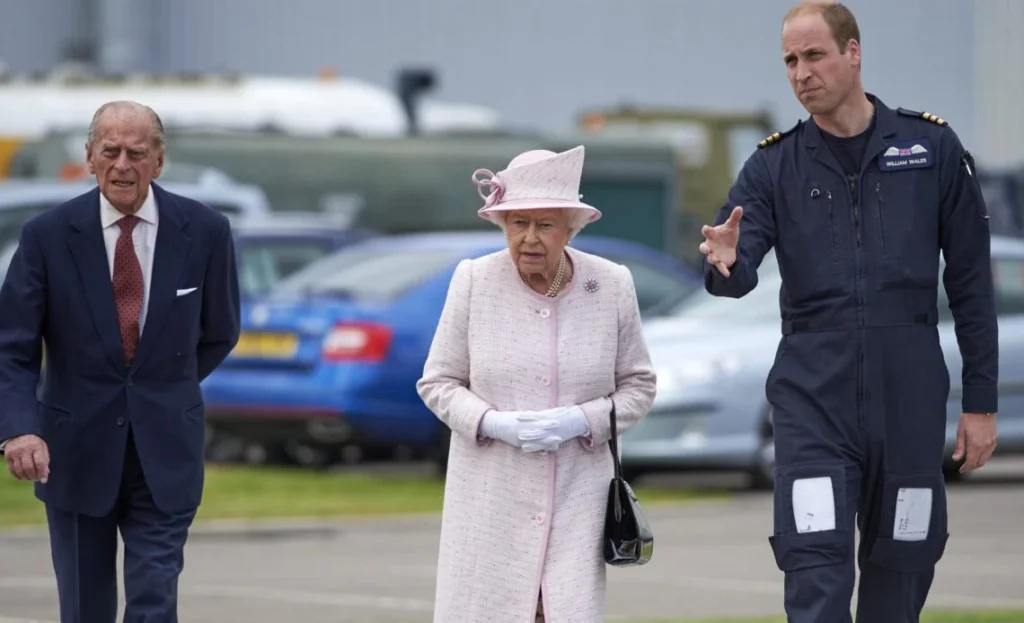
Prince William’s military career saw him initially serve with the Household Cavalry before transferring to the Royal Air Force (RAF). There, he qualified as a search and rescue helicopter pilot. While some members of his former regiment were deployed to Afghanistan, William remained stationed in the UK. This disparity in operational experience between the two brothers has been a point of discussion for years, particularly given their shared upbringing and initial military paths.
The Broader Context of Royal Military Service
The tradition of members of the British Royal Family serving in the armed forces is a long-standing one, often seen as a way for them to connect with the nation and demonstrate their commitment to public service. Historically, this service has been a delicate balance between the symbolic role of the Royal Family and the practical realities and dangers of military engagement. For princes, the heightened security risks associated with their public profile often complicate deployment decisions, especially in active combat zones.
Prince Harry’s deployments, particularly his first tour in 2008, were met with significant media attention and public interest. The decision to deploy him was carefully managed, with the Ministry of Defence and the Royal Family working to balance his desire to serve with his security. The premature end to his first tour underscored the immense challenges in ensuring the safety of high-profile military personnel in conflict zones. The subsequent decision to allow him to complete a second tour indicates a re-evaluation of the risks and a continued commitment to his operational service.
Prince William’s situation highlights the complexities of such decisions for individuals in line to the throne. The potential consequences of any harm befalling the future King in a conflict zone would be immense, not only for the monarchy but for national and international stability. This inherent risk likely played a significant role in the repeated decisions to keep him from front-line duties.
Timeline of Royal Military Engagements in Afghanistan
- 2007-2008: Prince Harry is deployed to Afghanistan for the first time as a forward air controller with the Army Air Corps. His deployment is cut short after media leaks reveal his presence, prompting security concerns.
- 2008-2012: Prince William trains as a search and rescue pilot with the RAF. While his former regiment, the Household Cavalry, serves in Afghanistan, he remains in the UK.
- 2012-2013: Prince Harry completes a second tour of duty in Afghanistan, this time as an Apache helicopter pilot. This deployment is conducted with greater secrecy to mitigate security risks.
- Present: Both brothers have since left active military service, though they continue to support military charities and veterans. Prince William has focused on his role as Prince of Wales and his environmental initiatives, while Prince Harry has continued his work with the Invictus Games and other philanthropic endeavors.
Reflections on Royal Siblings and the Rift
Lowther-Pinkerton, who worked with the princes between 2005 and 2013, also touched upon the ongoing rift between William and Harry. When questioned about the possibility of reconciliation between the brothers, he respectfully declined to comment directly on the dispute. "I think I’d better steer clear of that Harry issue," he stated. However, he did express his continued fondness for the Duke of Sussex and described himself as "a perennial optimist," suggesting a hopeful outlook for eventual reconciliation.
The relationship between the brothers has been notably strained since the Duke and Duchess of Sussex stepped back from their senior royal duties in 2020. Tensions have reportedly intensified following the couple’s high-profile interview with Oprah Winfrey, their subsequent Netflix documentary series, and Prince Harry’s memoir, Spare. In Spare, Prince Harry offered his perspective on events leading to the rift, detailing personal anecdotes and family dynamics.
Prince Harry himself has publicly expressed a desire to mend ties with his family. Last year, he told the BBC, "I would love reconciliation with my family. There’s no point in continuing to fight anymore." This sentiment suggests a willingness on his part to bridge the divide, although the path to reconciliation remains complex.
The Duke and Duchess of Sussex are anticipated to visit Britain with their children, Prince Archie and Princess Lilibet, next month for events commemorating one year until the Birmingham Invictus Games. Reports have also surfaced suggesting that King Charles has offered the family accommodation on a royal estate during their visit, though it is understood that no response has yet been received. Such a visit, regardless of accommodation arrangements, could present an opportunity for family interactions, though the extent of any reconciliation remains uncertain.
Analysis of Implications
The revelation that Prince William was repeatedly prevented from serving on the front lines in Afghanistan carries several implications. Firstly, it sheds light on the immense pressure and scrutiny faced by members of the Royal Family who pursue military careers. The security concerns surrounding Prince William, as the heir to the throne, were evidently paramount, overriding his personal desire to serve in a combat role. This decision, while perhaps understandable from a security perspective, may have contributed to a sense of unfulfilled military aspiration for the Prince.
Secondly, it subtly underscores the different paths and experiences of the two brothers. Prince Harry’s more extensive combat experience, despite its own challenges and controversies, has often been portrayed as a grounding element of his character and public image. The contrast with William’s operational role as a search and rescue pilot, while vital and dangerous in its own right, is distinct from front-line combat. This difference in experiences may have, in subtle ways, contributed to their diverging perspectives and the subsequent estrangement.
Finally, the comments from Lowther-Pinkerton, a trusted former confidant, offer a rare glimpse into the internal dynamics and decision-making processes within the Royal Household concerning the princes’ military careers. His efforts to advocate for William’s deployment suggest a belief in the importance of shared experience and a desire to treat the princes as equal members of the armed forces. His continued optimism regarding the brothers’ relationship also provides a glimmer of hope amidst the current public narrative of deep-seated division. The ongoing efforts towards potential reconciliation, coupled with the historical context of their service, will continue to be a subject of considerable public interest.