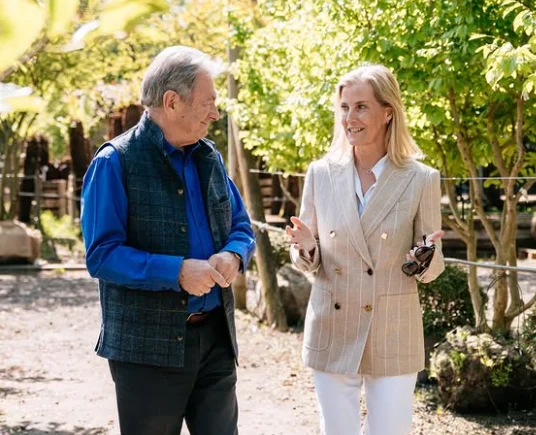

The Duchess of Edinburgh, Sophie, has stepped into a new creative role, showcasing her burgeoning talent as a garden designer. Her Royal Highness is spearheading the design of the "Plants with Purpose Garden," a central feature of this year’s prestigious Royal Windsor Flower Show. This initiative not only highlights the Duchess’s personal interests but also aligns with broader royal commitments to environmental stewardship and youth development within the horticultural sector.
A Vision for Purposeful Green Spaces
The "Plants with Purpose Garden" is set to be the focal point of the Royal Windsor Flower Show, which will take place in June within the picturesque grounds of Windsor Great Park. This significant undertaking marks a departure from the Duchess’s usual public engagements, demonstrating a hands-on approach to a cause close to her heart. The garden’s design emphasizes the critical importance of healthy soil, a foundational element for robust plant life and sustainable food production. Furthermore, it aims to educate visitors on the intricate processes involved in growing food, fostering a greater appreciation for the origins of our sustenance.
The Duchess is collaborating closely with Alan Williams of Landform Consultants, a reputable firm known for its expertise in landscape design and construction. Their initial concepts have already been shared, offering a glimpse into the thoughtful and educational space they are creating. During a recent meeting with Alan Titchmarsh, the esteemed Honorary President of the Royal Windsor Flower Show and a celebrated horticulturalist himself, the Duchess conveyed the inspiration behind the garden. This exchange underscored the collaborative spirit and the shared vision for a garden that is both aesthetically pleasing and deeply informative.
Roots in Royal Patronage and a Legacy of Horticulture
The Royal Windsor Flower Show boasts a rich and storied history, deeply intertwined with the British monarchy. Established in 1892 under the guidance of Queen Victoria, the Royal Windsor Rose and Horticultural Society, which organizes the show, held its inaugural event on July 8, 1892, at the Royal Albert Institute. After a period of relocation, Queen Victoria granted permission in 1895 for the show to be permanently situated within Windsor Great Park, cementing its royal association.
Over the decades, the show has been graced by a succession of royal patrons, including King Edward VII and King George V. Queen Elizabeth II assumed the patronage in 1953, a role she held with dedication until her passing. Today, the patronage continues with King Charles III, underscoring the enduring royal commitment to horticulture and the preservation of these significant national events. This historical lineage provides a distinguished backdrop for the Duchess of Edinburgh’s debut as a garden designer.
Connecting with Youth and Sustainable Practices
The "Plants with Purpose Garden" is thoughtfully designed to resonate with one of the Duchess of Edinburgh’s long-standing charitable interests: supporting young people in pursuing careers within the food industry. Her involvement with the garden serves as a tangible expression of this commitment, aiming to inspire the next generation of horticulturalists and food producers. Coupled with her known interest in sustainable food production, the garden becomes a powerful platform for advocating environmentally conscious practices in agriculture and food systems.
The project aims to demystify the journey from soil to plate, highlighting the vital role of healthy ecosystems in producing nutritious food. By showcasing these principles in a visually engaging format, the Duchess hopes to foster a deeper understanding and appreciation for the complexities of food cultivation and the challenges of sustainable farming. This educational aspect is particularly crucial in an era where concerns about food security and environmental impact are increasingly prominent.
The Show’s Significance and Royal Attendance
The Royal Windsor Flower Show is a significant event in the horticultural calendar, attracting gardening enthusiasts, professionals, and members of the public alike. Beyond the Duchess’s "Plants with Purpose Garden," the show will feature its traditional marquee competitions, showcasing prize-winning blooms and horticultural prowess. A vibrant craft market and insightful special talks on various aspects of horticulture will also form part of the extensive program, offering a comprehensive experience for all attendees.
Last year, King Charles III visited the show, a testament to his continued support for the event and the horticultural community. However, this year’s show, scheduled for June 6, presents a potential diary conflict for His Majesty. The event coincides with the wedding of his nephew, Peter Phillips, who is set to marry Harriet Sperling in Gloucestershire on the same day. This overlap highlights the busy schedules of senior royals and the delicate balancing act required to fulfill public duties and family commitments.
Supporting Data and Horticultural Trends
The Duchess’s initiative aligns with a growing global interest in sustainable agriculture and the importance of green spaces. According to a 2023 report by the Royal Horticultural Society (RHS), public engagement with gardening and horticulture has seen a significant surge, with a particular focus on environmental benefits and food growing. The report noted a 20% increase in home gardening activities since 2020, with a growing emphasis on organic methods and biodiversity.
The concept of "purpose-driven gardens" is also gaining traction in landscape design. These gardens are not merely ornamental but are intended to serve specific ecological, educational, or social functions. The "Plants with Purpose Garden" embodies this trend, integrating educational elements about soil health and food production into its design. This approach has the potential to inspire other horticultural projects and educational initiatives.
The Landform Consultants, with whom the Duchess is collaborating, have a portfolio that includes award-winning gardens at major horticultural events like the Chelsea Flower Show. Their involvement suggests a high standard of design and execution for the "Plants with Purpose Garden." Their expertise in creating functional and aesthetically pleasing landscapes will be crucial in translating the Duchess’s vision into a tangible reality.
Inferred Statements and Potential Reactions
While direct quotes from all parties involved may not be immediately available, the Duchess’s active participation and the collaboration with established horticultural professionals suggest a strong commitment to the project’s success. Alan Titchmarsh, a respected figure in British horticulture, has often spoken about the importance of encouraging younger generations to engage with gardening and nature. His engagement with the Duchess on this project indicates his approval and support for the educational aims of the garden.
The Royal Windsor Rose and Horticultural Society, with its long history of royal patronage, is likely to be enthusiastic about the Duchess’s leading role. Her involvement brings a fresh perspective and renewed interest to the show, potentially attracting a wider audience and reinforcing the society’s mission.
Broader Impact and Implications
The Duchess of Edinburgh’s foray into garden design for such a prominent event carries several implications. Firstly, it elevates the profile of the Royal Windsor Flower Show, drawing national attention to its historical significance and its ongoing contributions to horticulture. Secondly, it serves as a powerful endorsement of sustainable food production and the importance of educating young people about careers in the agri-food sector. By associating her royal title with these causes, the Duchess amplifies their visibility and encourages wider societal engagement.
This initiative also showcases a modern approach to royal patronage, where senior royals are increasingly taking on active, hands-on roles in supporting causes they champion. The "Plants with Purpose Garden" is more than just a floral display; it is a statement about environmental responsibility, educational outreach, and the future of food production. The success of this garden could inspire similar projects across the country, fostering a greater connection between communities, nature, and the food they consume. The educational outreach embedded within the garden’s design is particularly significant, offering a practical and engaging way to address critical issues like climate change and food security for a broad audience. The legacy of this garden, beyond its physical presence at the show, could be a lasting impact on public perception and engagement with horticultural and agricultural practices.