

The Genesis of the Tax Seizure Controversy
On May 15, 2026, the South Korean media outlet xportsnews broke a story alleging that the National Tax Service (NTS) had moved to seize an apartment owned by Kim Sa Rang. The property in question is located in Gimpo, Gyeonggi Province, a region that has seen substantial real estate development and valuation increases over the last decade. According to the initial reports, the seizure was a direct consequence of unpaid national taxes, a serious allegation in a country where tax compliance is viewed not only as a legal requirement but as a fundamental measure of a public figure’s moral character.
The report sent ripples through the entertainment industry, prompting an immediate inquiry into the actress’s financial standing. In response to the initial wave of media queries, Kim Sa Rang’s representative agency, Leo International, issued a brief and cautious statement. The agency noted that they were "looking into the matter" and would provide updates once the specific details of the tax situation and the property’s legal status were clarified. This initial ambiguity fueled further speculation among the public and the media, leading to a flurry of headlines regarding the potential scale of the delinquency.
Chronology of Events: From Delinquency to Public Disclosure
To understand the current state of the scandal, it is necessary to examine the timeline provided by subsequent investigative reports. According to data later surfaced by OSEN, the timeline of the tax dispute began months before it reached the public eye:
- March 2026: Kim Sa Rang reportedly received her first official notification regarding tax delinquency. This notice served as a warning that certain national tax obligations had not been met and that failure to rectify the balance would lead to administrative action.
- April – Early May 2026: Sources close to the actress suggest that she was in the process of preparing the necessary funds to settle the outstanding balance during this period. However, administrative procedures for property seizure often move on a fixed legal track once a certain threshold of non-payment is crossed.
- May 9, 2026: In a critical turn of events, it was reported that Kim Sa Rang had paid the entirety of her overdue taxes. This payment occurred nearly a week before the news of the seizure was publicized by xportsnews.
- May 15, 2026: The public disclosure of the property seizure occurred. Because real estate registers often take time to reflect the lifting of a seizure, the public records still indicated the property was under government hold when the media conducted their initial investigation.
- May 16, 2026: Amid the height of the media storm, Kim Sa Rang took to social media to share a series of images and a message that many interpreted as a direct response to the scandal.
The Social Media Response: Analysis of the "Cryptic" Message
Following the reports of the seizure, Kim Sa Rang uploaded several photos and videos to her Instagram account. The content depicted the actress in a serene setting, enjoying a sunset by the Han River with her pet dog. The aesthetic of the posts—calm, affluent, and undisturbed—stood in stark contrast to the chaotic headlines circulating in the press.
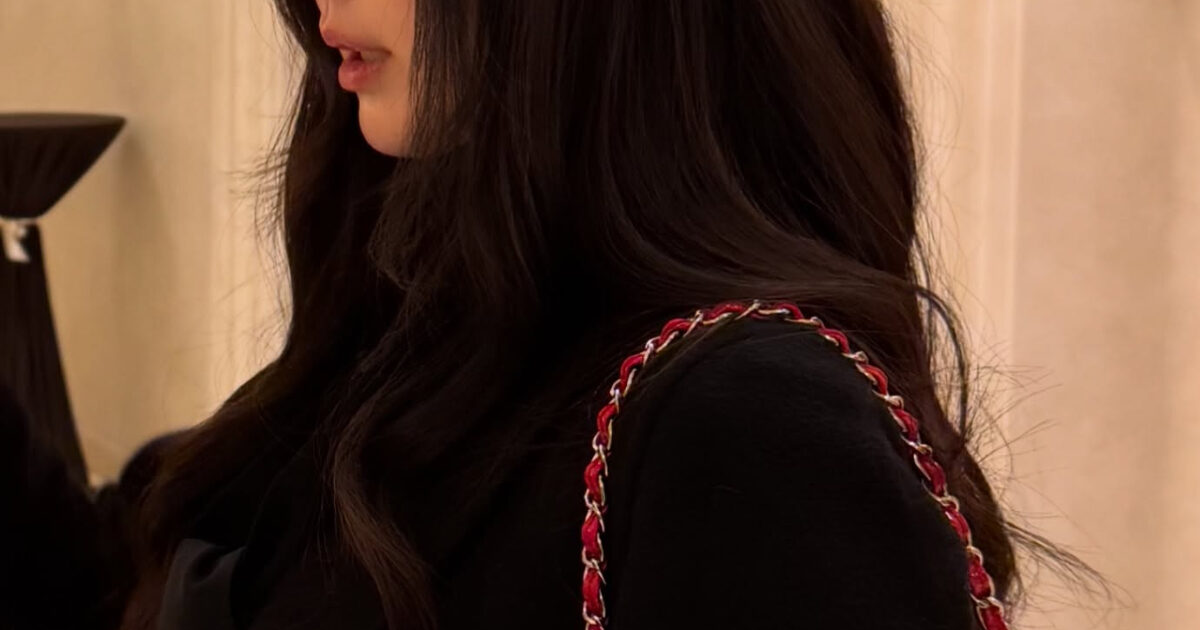
Accompanying the visuals was a message that quickly became the focal point of fan discussion: "Have a happy weekend! Don’t be shaken by the situation. Protect the happiness at your center. Today will never come again!"
In the context of South Korean celebrity culture, such messages are frequently used as a form of "silent rebuttal." By urging followers not to be "shaken by the situation," Kim Sa Rang appeared to be signaling to her fanbase that the media reports did not reflect her current reality or that she was mentally resilient enough to withstand the scrutiny. Critics, however, pointed out that the "unbothered" tone could be perceived as dismissive of the gravity of tax delinquency, which is a sensitive topic for the South Korean public.
Legal and Administrative Framework of Property Seizure in South Korea
The seizure of real estate for unpaid national taxes in South Korea is governed by the National Tax Collection Act. This process is a standard enforcement action taken by the National Tax Service to secure claims on tax revenue. When an individual fails to pay taxes after a grace period, the NTS can register a seizure on the person’s assets.
A key technical aspect of this process involves the valuation of the seized property. Under South Korean law, seized real estate is typically assessed based on its "publicly assessed value" (gong-si-gi-ga) for administrative purposes, rather than its actual market price, which is often significantly higher. Once a seizure is registered on the property’s title, the owner is restricted from selling, gifting, or placing further mortgages on the asset.
If the taxpayer settles the debt in full, as Kim Sa Rang reportedly did on May 9, the tax authorities must move to lift the seizure. However, there is often a lag between the payment and the administrative "clearing" of the title in the public ledger. This lag is precisely what appears to have led to the discrepancy between the news reports and the actress’s actual financial status at the time of the leak.

Broader Implications for Kim Sa Rang’s Brand and Career
Kim Sa Rang has enjoyed a long and successful career since her debut as Miss Korea in 2000. Known for her roles in hit dramas such as Secret Garden and This is My Love, she has maintained a reputation for elegance and a disciplined lifestyle. More recently, she has been active on YouTube, sharing content related to her fitness routines and "extreme" diet plans, which have garnered significant attention for her age-defying appearance.
Tax scandals in South Korea have historically been detrimental to celebrity careers. Notable figures in the past have faced years of hiatus or total career collapse following revelations of tax evasion or significant delinquency. The public sentiment usually revolves around the idea that celebrities, who benefit from public adoration and high income, have a heightened "noblesse oblige" to contribute to the national treasury.
However, the fact that Kim Sa Rang settled her debts before the news became public may serve as a significant mitigating factor. It suggests that the delinquency may have been an administrative oversight or a temporary liquidity issue rather than a deliberate attempt at tax evasion. Her agency’s eventual clarification—echoing the OSEN report—will be crucial in determining whether the public accepts her "unbothered" social media stance or views it as an act of defiance.
Professional Analysis of Crisis Management
The handling of this situation by Leo International and Kim Sa Rang offers a case study in modern celebrity crisis management. The initial "looking into it" response is a standard tactic to buy time, but it often allows a vacuum to be filled by speculation. The subsequent "unbothered" social media post is a riskier strategy. While it reassures loyal fans, it can alienate the general public if it is perceived as lacking humility or an apology for the initial delinquency.
In South Korea, the typical path to rehabilitation following a financial scandal involves a formal apology and a period of reflection. By choosing a message of self-protection and happiness, Kim Sa Rang has opted for a more modern, individualistic approach. This may reflect a shift in how veteran stars manage their public personas, moving away from traditional "public apologies" for administrative errors and toward a narrative of personal resilience.

Conclusion and Future Outlook
As of late May 2026, the immediate legal threat to Kim Sa Rang’s property appears to have been resolved through the full payment of her tax obligations. The administrative process of lifting the seizure from the Gimpo apartment is expected to be completed shortly, if it has not been already.
The long-term impact on her career will likely depend on her future transparency regarding the incident. As she continues to build her presence on digital platforms like YouTube, maintaining the trust of her audience will require a balance between her "unbothered" aesthetic and the accountability expected of a public figure. For now, Kim Sa Rang remains active, signaling to the industry and her fans that she intends to move past this controversy without letting it disrupt her professional momentum.
The incident serves as a reminder of the complexities of asset management for high-net-worth individuals in the entertainment sector and the speed at which private financial disputes can transform into public scandals in the digital age. Moving forward, the focus will likely shift from her tax records back to her creative output, provided no further legal complications arise.