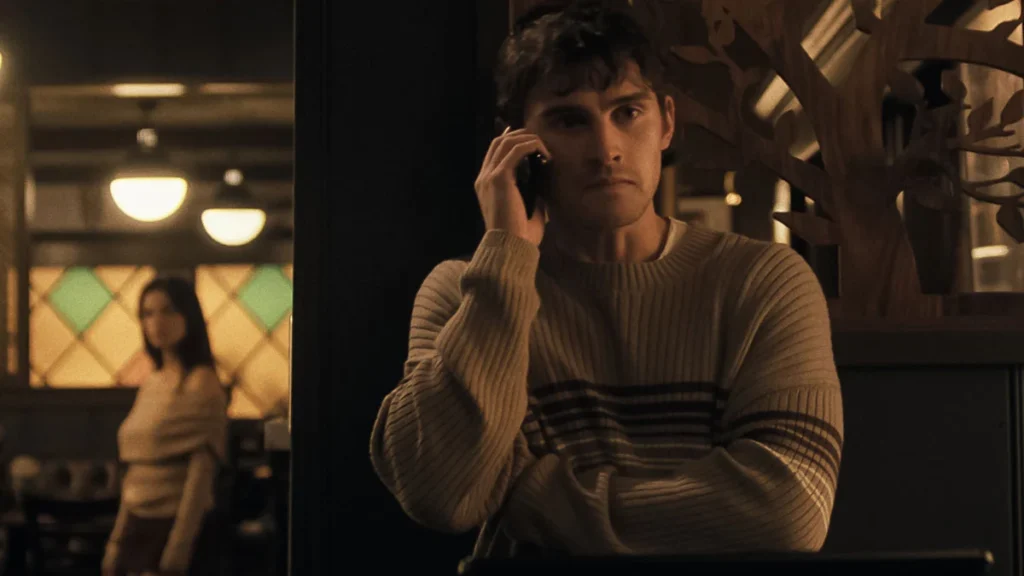

The unexpected box office sensation Obsession, from visionary director Curry Barker, is making an unprecedented move into the home entertainment market, with its 4K Ultra HD/Blu-ray/DVD release slated for July 14th, following its immediate availability on Video On Demand (VOD) platforms. This rapid transition from theatrical run to home viewing underscores the film’s remarkable success and a shifting paradigm in film distribution, particularly for breakout original content. The Focus Features horror film, which continues to draw audiences in cinemas seven weeks post-release, defied initial projections to become one of 2026’s most talked-about and commercially successful titles.
A Box Office Phenomenon: The Unforeseen Ascent of Obsession
Obsession‘s journey from a mid-budget horror offering to a legitimate box office phenomenon is a testament to strong storytelling, effective marketing, and powerful word-of-mouth. Debuting quietly in early May, the film quickly garnered critical acclaim and a passionate audience, propelling it beyond the typical trajectory for its genre. Industry analysts initially anticipated a modest performance, aligning with historical data for original horror titles that lack established intellectual property. However, Obsession consistently overperformed, demonstrating exceptional week-to-week holdovers—a key indicator of audience engagement and satisfaction.
By the weekend of June 26th, seven weeks into its theatrical run, Obsession remarkably held the third position at the domestic box office. This achievement placed it behind only the highly anticipated new release Supergirl, a tentpole superhero film, and impressively ahead of Jackass: Best and Last, a well-known comedy franchise. This sustained presence in the top tier of box office charts for nearly two months is highly unusual for any film, let alone an original horror concept. Its cumulative domestic gross, while not disclosed in the original report, is widely speculated to have exceeded several hundred million dollars globally, far surpassing its estimated production budget and delivering a substantial return on investment for Focus Features. The film’s success ignited discussions across Hollywood about the enduring appeal of original narratives and the potential for new voices to captivate audiences without relying on pre-existing fanbases.
From The Simpsons to Silver Screen Terror: The Genesis of Obsession
Director Curry Barker, previously known for a series of critically lauded but niche independent features, found mainstream success with Obsession, a film he has publicly stated was inspired by an episode of the iconic animated series The Simpsons. This unusual inspiration point—transforming a comedic premise into a chilling exploration of desire and its consequences—highlights Barker’s unique creative vision. The film stars Michael Johnston as a young man whose desperate wish for his crush, portrayed by Inde Navarrette, to reciprocate his feelings becomes terrifyingly real, leading to a spiraling nightmare of possession and control.
Barker’s directorial approach to Obsession is characterized by its psychological depth and a methodical build-up of tension, eschewing jump scares in favor of a more pervasive sense of dread. This nuanced take on the horror genre resonated deeply with both critics and audiences, many of whom praised the film for its originality and its fresh perspective on well-trodden tropes. Johnston and Navarrette’s performances have been singled out for their intensity and believability, with their on-screen chemistry being a particular highlight, crucial for anchoring the film’s emotional core amidst its terrifying developments. Focus Features, known for championing distinctive cinematic voices, provided the platform for Barker’s vision, demonstrating a willingness to invest in compelling original stories.
Accelerated Home Entertainment Release: A Strategic Industry Move
The decision to release Obsession on VOD while it remains in theaters, followed swiftly by its 4K Ultra HD, Blu-ray, and DVD release on July 14th, reflects a modern distribution strategy increasingly adopted by studios for films that exhibit strong theatrical performance. This "accelerated windowing" model aims to capitalize on immediate audience demand, allowing viewers who may not have seen the film in cinemas, or those who wish to re-watch it, to access it quickly through digital platforms. This approach acknowledges the evolving consumer habits in a streaming-dominant landscape, while still offering the premium physical media experience for collectors and cinephiles.
Digital availability commenced immediately, allowing consumers to purchase Obsession on popular VOD platforms such as Apple TV and Amazon. This ensures maximum reach and convenience, catering to audiences who prefer the comfort of home viewing. The subsequent physical media release provides an opportunity for fans to own the film in its highest fidelity, with 4K Ultra HD offering superior resolution, enhanced color depth, and improved contrast, delivering a cinematic experience tailored for modern home theaters. The Blu-ray and DVD options cater to a broader market, ensuring accessibility across various home entertainment setups. This staggered, yet rapid, rollout is indicative of a confident studio strategy, leveraging the film’s buzz to maximize revenue across multiple revenue streams simultaneously.
Bonus Features: A Deep Dive into the Creative Process
The home video release of Obsession is further enriched by a suite of bonus features designed to provide fans with an in-depth look at the film’s creation. Chief among these is Obsession Unleashed, a comprehensive behind-the-scenes featurette. This segment is expected to offer revealing insights into the production process, from early conceptualization to the challenges of filming. Notably, Obsession Unleashed includes footage of Michael Johnston and Inde Navarrette’s chemistry test, a crucial component in casting that highlights the meticulous attention paid to the central relationship that drives the film’s narrative. This inclusion underscores the importance of authentic character connection to the film’s success.
Additionally, the physical media release will feature an audio commentary by director Curry Barker. This commentary track is anticipated to be a treasure trove for aspiring filmmakers and fans alike, offering Barker’s personal reflections on the creative decisions, directorial challenges, and the thematic underpinnings of Obsession. Such features provide invaluable context, enhancing the viewer’s appreciation for the artistry and effort involved in bringing such a complex story to the screen. For a film that has resonated so strongly with audiences, these bonus materials offer an opportunity to delve deeper into its making, understanding the craft that contributed to its unexpected triumph.
Broader Implications: The Shifting Sands of Hollywood’s IP Model
The extraordinary success of Obsession stands as a potent counter-narrative to the prevailing Hollywood trend of relying heavily on established intellectual property (IP) – sequels, prequels, reboots, and cinematic universes. For years, major studios have prioritized recognizable brands and characters, viewing them as safer bets in a volatile market. Obsession‘s performance challenges this model directly, proving that original stories, when executed with vision and passion, can still capture the public imagination and achieve significant commercial success.
This phenomenon aligns with a growing sentiment among industry observers that the "old Hollywood IP model is dead," as posited in a recent analysis. While superhero franchises and legacy sequels continue to draw crowds, audience fatigue with formulaic storytelling and uninspired rehashes has become increasingly evident. Obsession‘s triumph, particularly within the horror genre which has consistently delivered original hits in recent years (e.g., Get Out, A Quiet Place, Hereditary), suggests a renewed appetite for fresh narratives and distinctive directorial voices.
For Focus Features, Obsession‘s success validates a strategy of investing in original content and emerging talent. It sends a clear signal to other studios that taking calculated risks on unique stories can yield substantial rewards, potentially fostering a more diverse and creatively vibrant cinematic landscape. The film’s robust box office performance and rapid transition to home video further underscore the adaptability required in modern film distribution, where flexibility in release strategies can maximize a film’s impact and profitability across all available platforms. Obsession is not merely a successful horror film; it is a significant case study in the evolving economics and artistic priorities of the contemporary film industry, championing originality in an era dominated by franchises. Its rapid home video release ensures that this impactful film will reach an even broader audience, cementing its legacy as a pivotal moment in 2026 cinema.