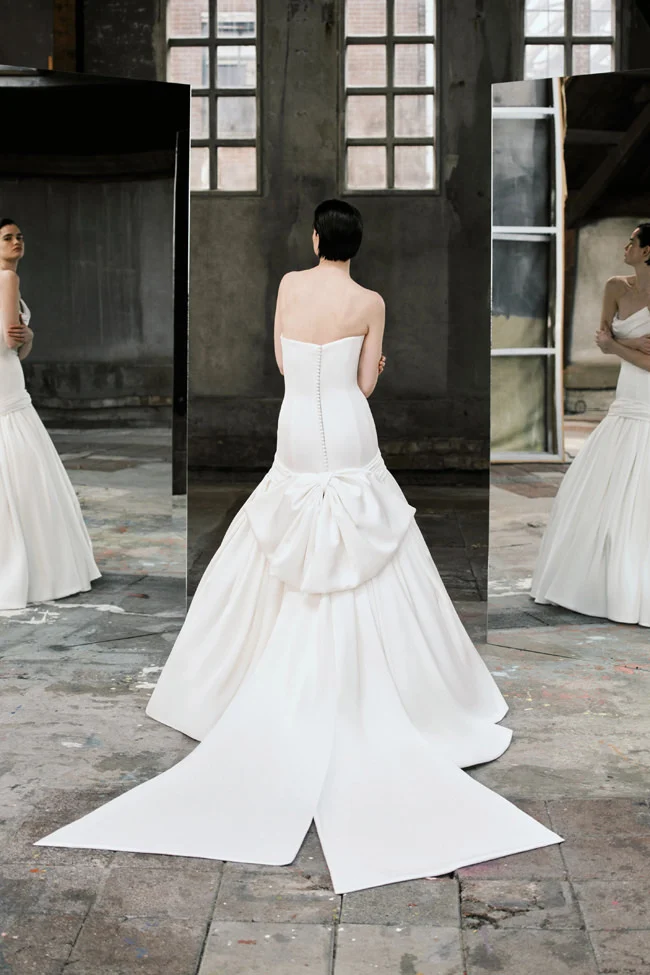

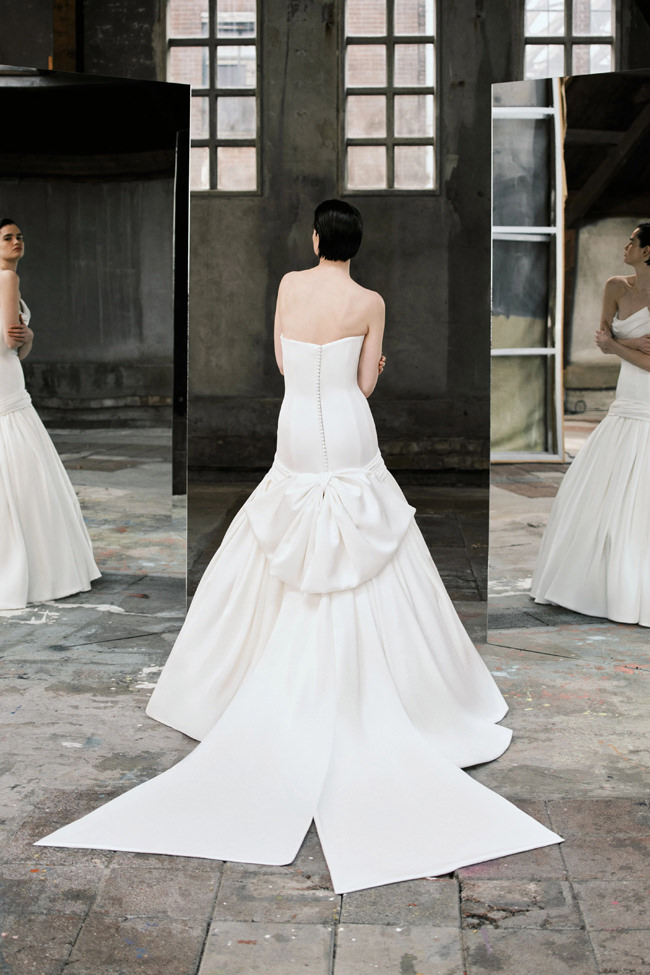
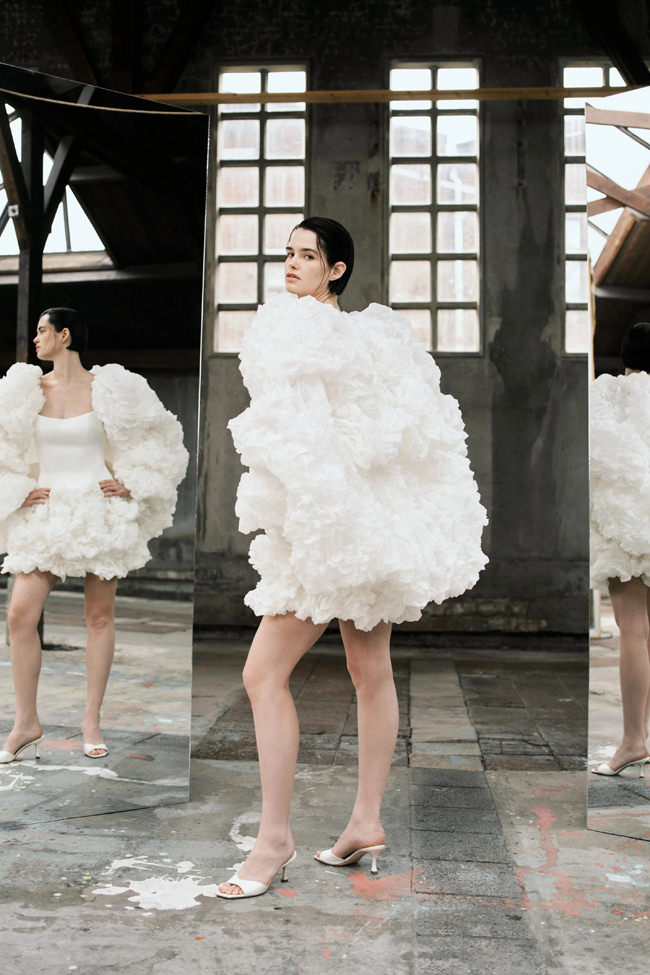
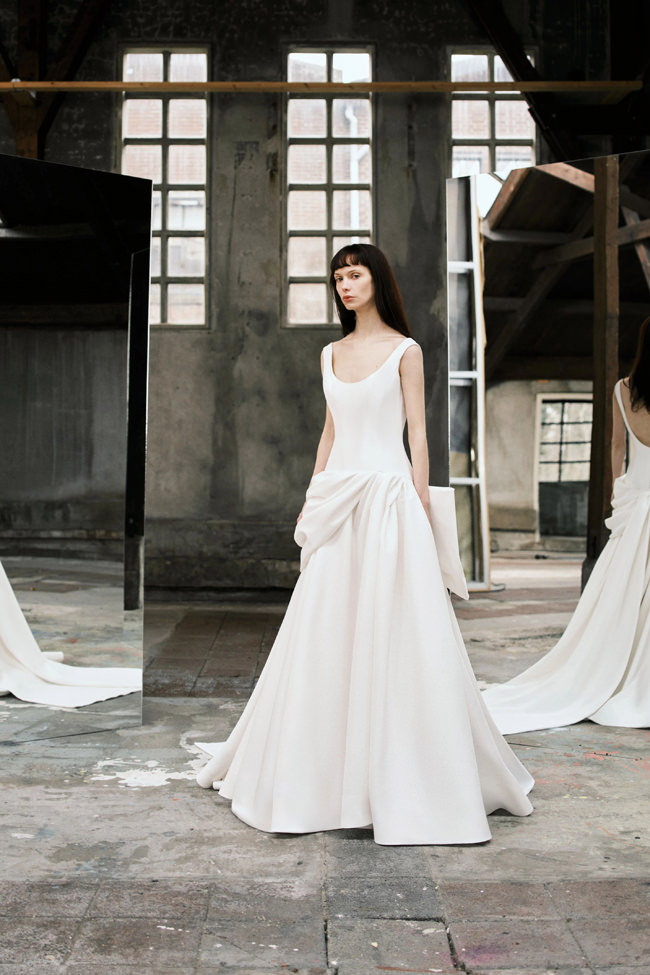
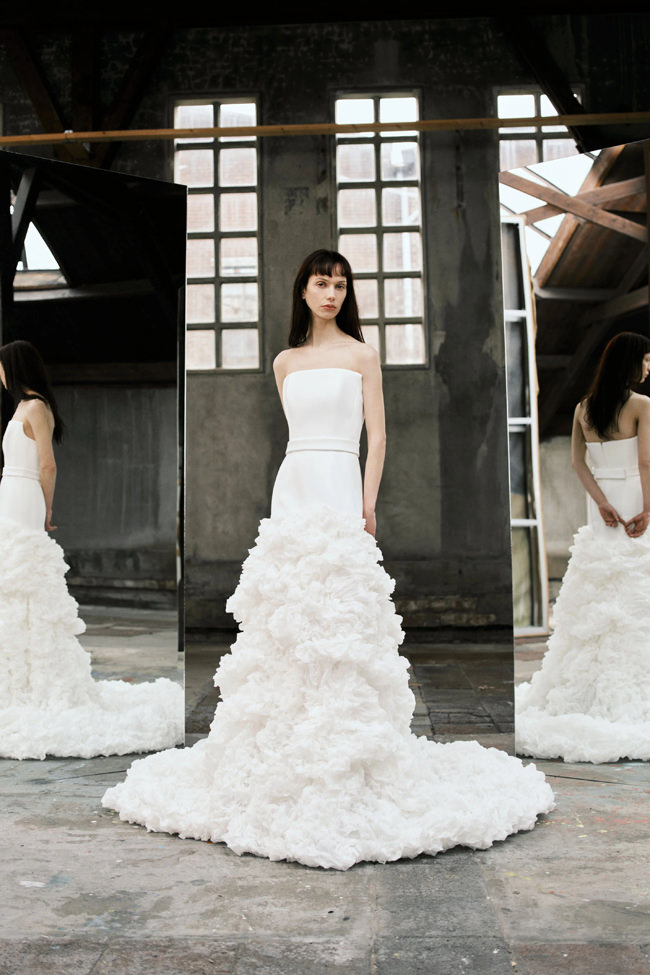
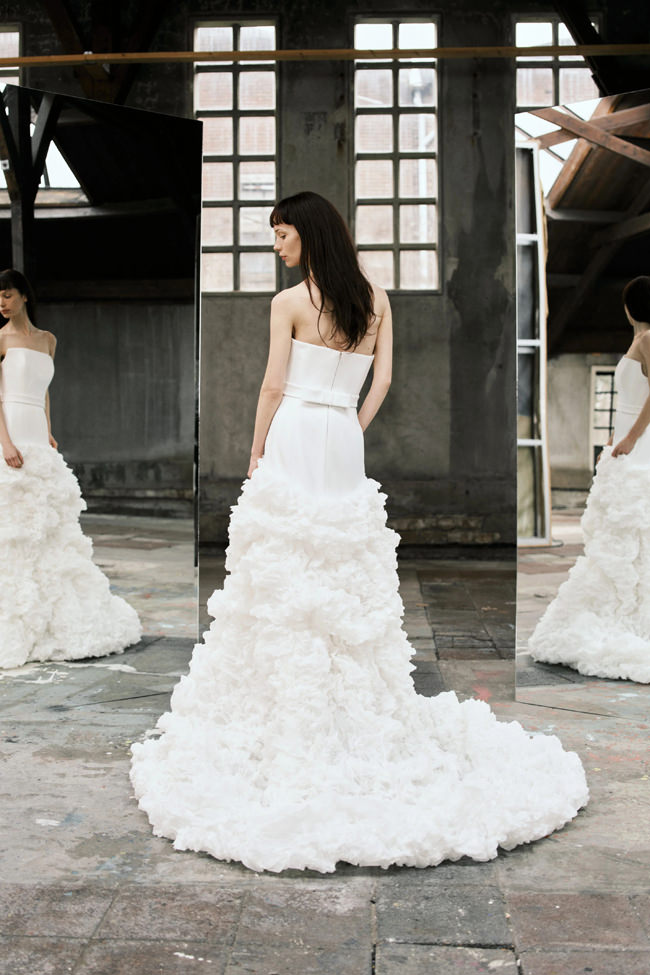
The Amsterdam-based luxury fashion house Viktor & Rolf has officially debuted its Mariage Spring/Summer 2027 collection, a comprehensive exploration of the expressive power inherent in bridal silhouettes. This latest seasonal offering, produced in a strategic partnership with the global bridalwear leader Justin Alexander, positions the wedding gown as both a structural feat and a vessel for emotional sentiment. By emphasizing the precision of a single line, the grace of a curve, and the complexity of a fold, designers Viktor Horsting and Rolf Snoeren continue to bridge the gap between avant-garde haute couture and the commercial bridal market. The collection’s campaign, set against a backdrop of mirrors, is intended to symbolize a "subtle pause"—a moment of quiet introspection for the modern bride as she transitions into a new chapter of life.
The SS2027 Design Philosophy: Silhouette as Sentiment
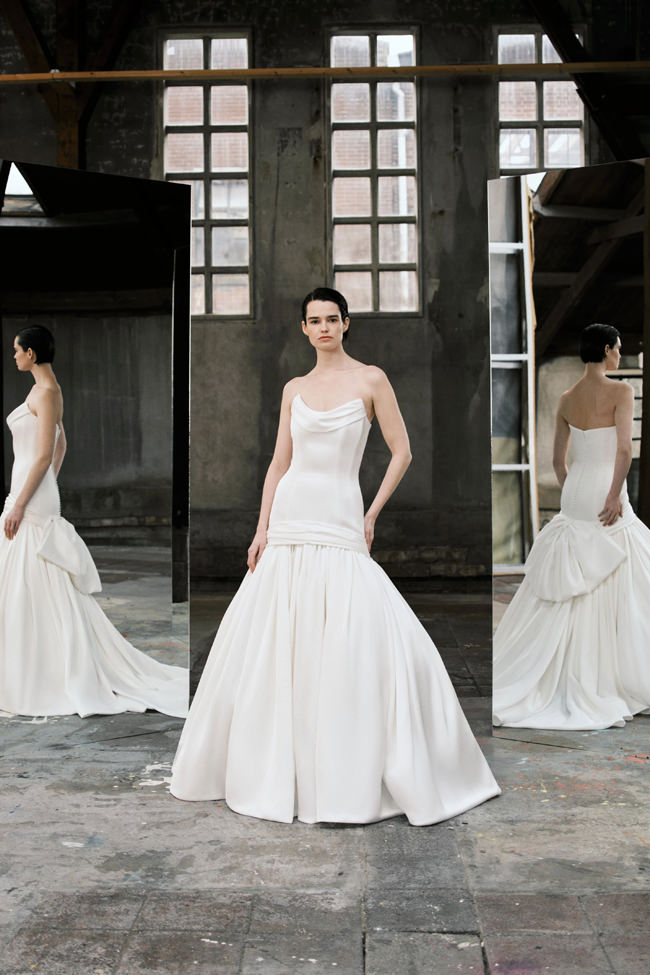
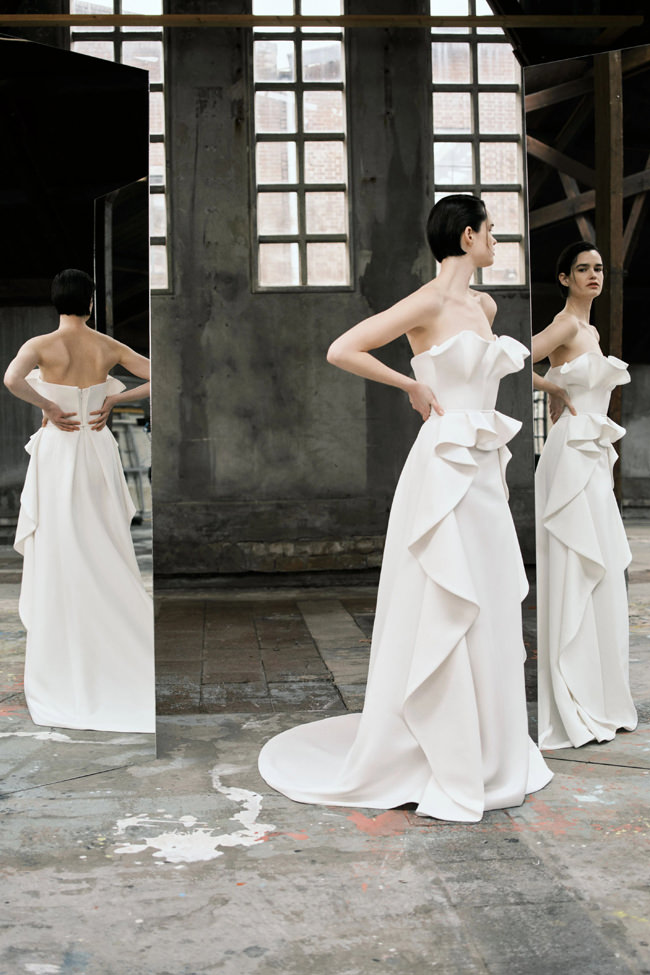
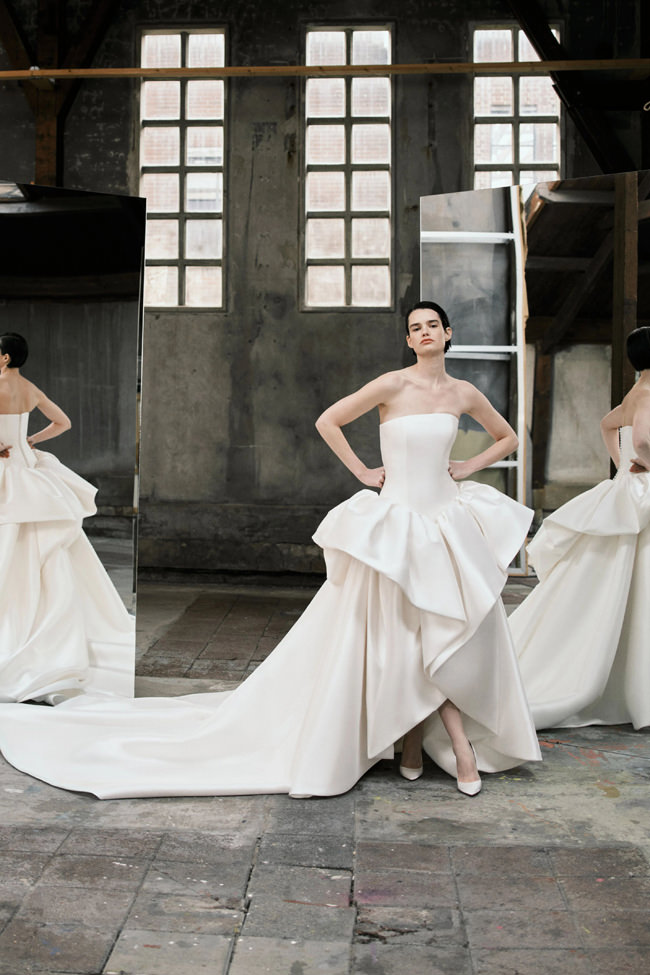
For the Spring 2027 season, Viktor & Rolf have moved beyond traditional bridal tropes to focus on the "becoming of a bride." The collection serves as a study in geometry and organic form, utilizing a range of silhouettes that cater to the diverse aesthetic demands of the contemporary luxury consumer. The offering includes signature voluminous ballgowns, fluid A-line shapes, and minimalist columns, all updated with the house’s idiosyncratic design language.
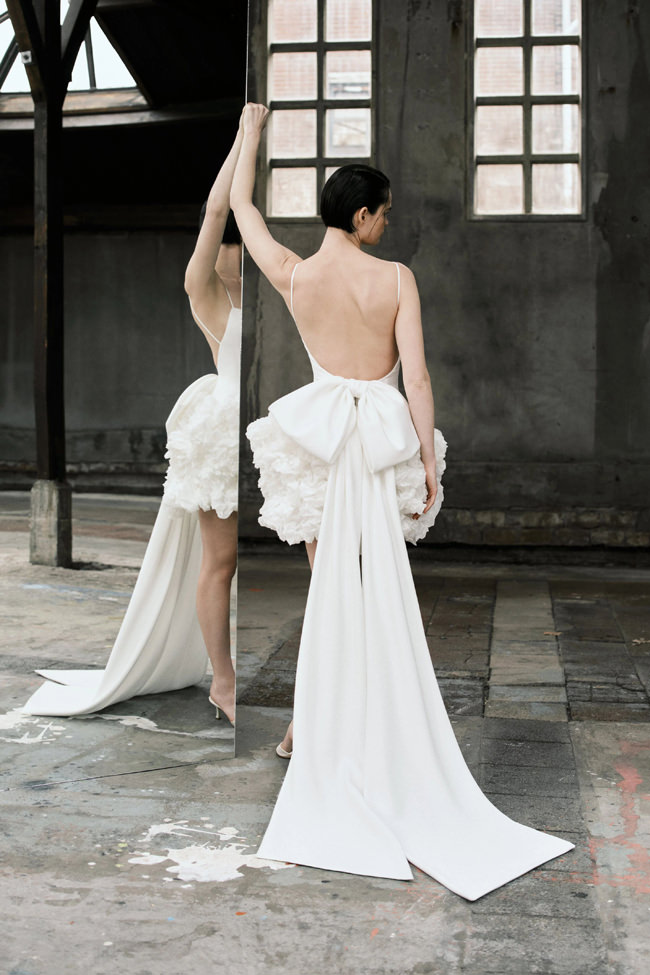
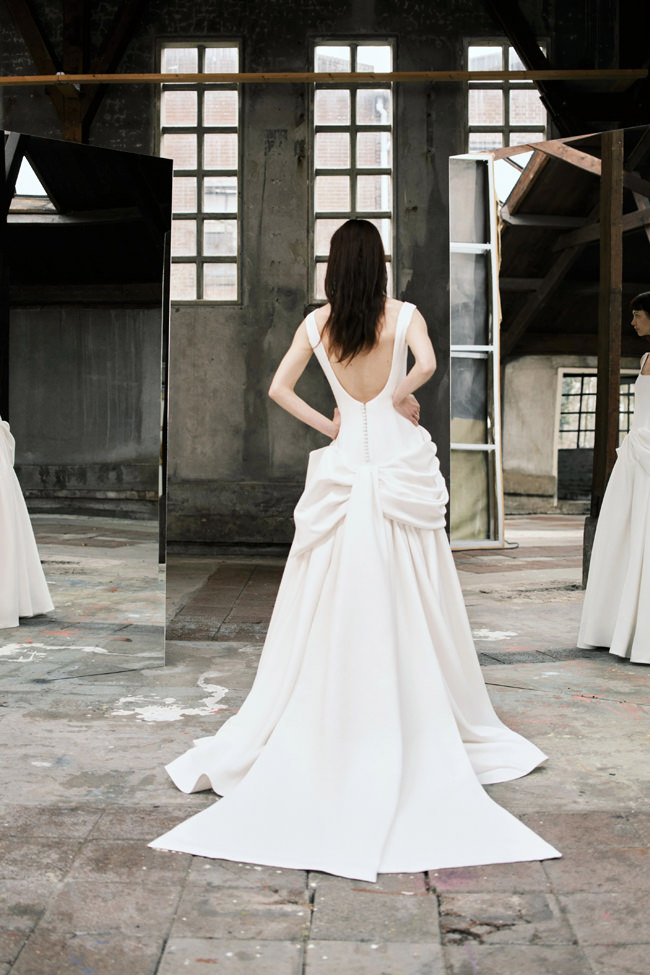
A central feature of the Spring 2027 collection is the introduction of new scooped necklines and romantic, exaggerated curves. These elements are designed to create a sense of modern elegance while maintaining the brand’s reputation for architectural rigor. By treating the gown as a three-dimensional sculpture, the designers have ensured that each piece remains luminous and dimensional from every vantage point. The interplay of light and fabric is a recurring theme, with the chosen textiles—satins, mikado, Italian faille, airy organza, and tulle—selected specifically for their ability to hold shape while reflecting a soft, ethereal glow.
Artistic Highlights: The Blushing Bouquet and Couture Cloud
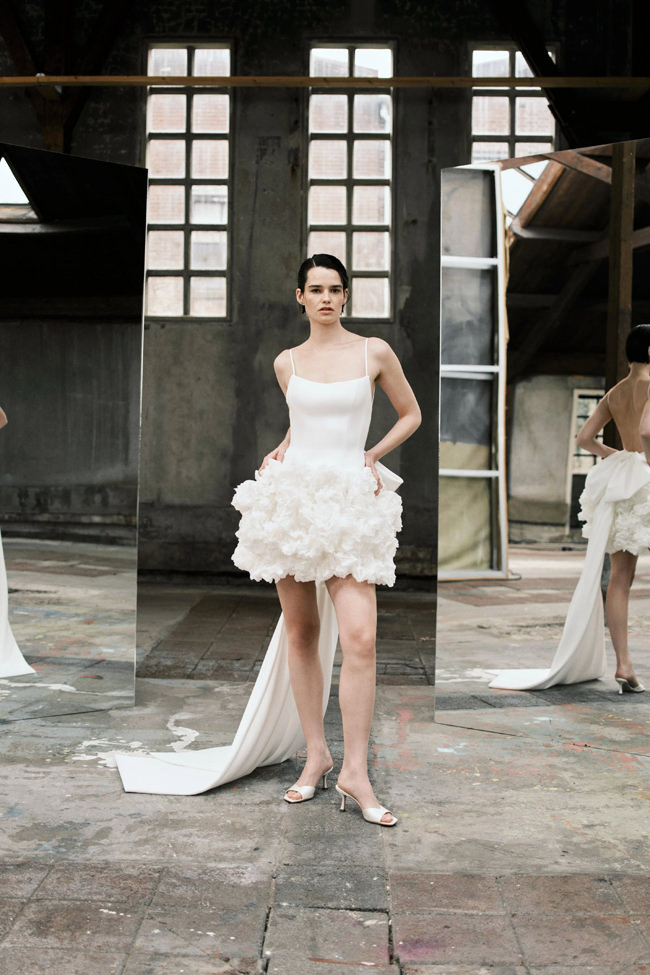
Within the broader collection, several specific design narratives emerge as the season’s focal points. The "Blushing Bouquet" series represents the pinnacle of the collection’s artisanal craftsmanship. In these gowns, floral elements including roses, lilies of the valley, dahlias, and anemones are rendered as 3D abstractions. These botanical motifs appear to bloom directly from the fabric, creating an effect of infinite growth across the wearer’s silhouette. This technique reflects a broader trend in high-end bridal wear toward "living textures," where embellishments are integrated into the structure of the garment rather than applied as mere surface decoration.
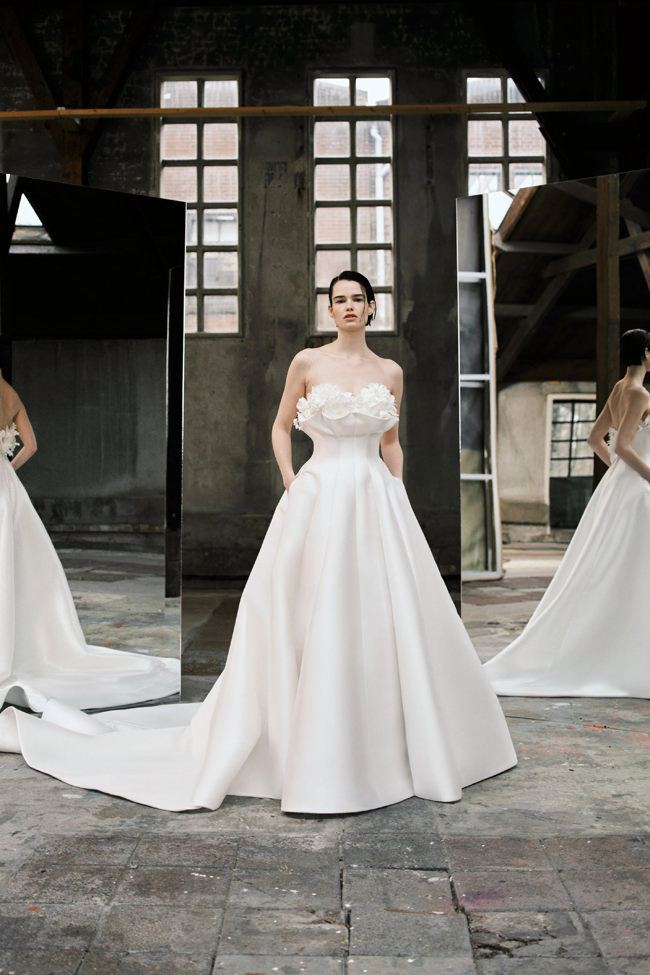
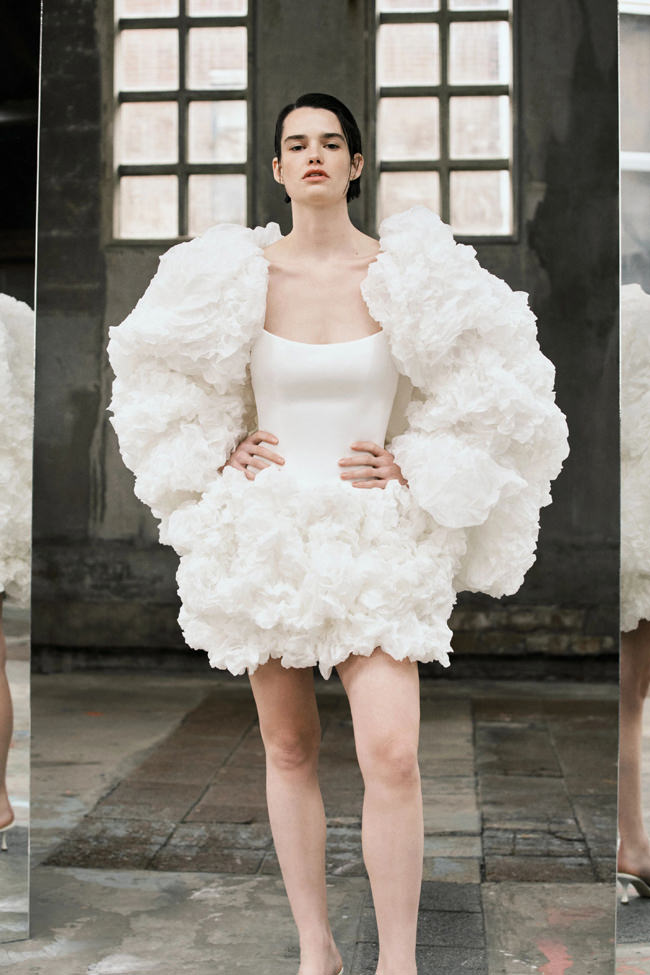
Complementing the floral narrative is the "Couture Cloud" series. These dresses prioritize volume and texture, utilizing "couture-crinkled" organza to evoke the ephemeral nature of clouds. The crinkling process adds a tactile, matte dimension to the organza, distinguishing it from the high-shine finishes seen in previous seasons. Finally, the "Floral Devotion" ballgown serves as the collection’s anchor, pairing the house’s signature tiered tulle skirt with a newly refined scoop neckline. This specific design is a calculated balance of historical romance and modern minimalism, a hallmark of the Viktor & Rolf Mariage brand since its inception.
Chronology and Evolution of Viktor & Rolf Mariage
The Spring 2027 collection marks a significant milestone in the decade-long evolution of Viktor & Rolf’s bridal division. To understand the impact of the current collection, it is necessary to examine the brand’s trajectory within the bridal industry:
- 1993: Viktor Horsting and Rolf Snoeren found the house of Viktor & Rolf in Amsterdam, quickly gaining fame for their conceptual and often provocative haute couture shows.
- 2006: The designers enter the mass-market consciousness through a high-profile collaboration with H&M, which included a singular, highly sought-after wedding dress.
- 2016: Viktor & Rolf officially launches "Mariage," its dedicated bridal line. The debut collection was praised for bringing "unexpected elegance" and surrealist touches—such as oversized bows and 3D laser-cut flowers—to the traditional bridal market.
- 2017–2022: The brand expands its global footprint by partnering with Justin Alexander for manufacturing and distribution. This period sees the brand move toward "demi-couture," offering high-fashion designs at a price point accessible to luxury boutique shoppers.
- 2024–2025: The house begins experimenting with more sustainable materials and lightweight constructions, responding to the rise in "destination weddings" and multiple-outfit wedding events.
- 2027: The current collection reflects a return to "expressive power," focusing on the psychological state of the bride and the architectural integrity of the garment.
Strategic Alliance: The Role of Justin Alexander
The continued partnership with Justin Alexander is a critical component of Viktor & Rolf’s success in the bridal sector. While Horsting and Snoeren provide the creative vision and "couture DNA," Justin Alexander provides the infrastructure necessary to produce high-complexity garments at scale.
Justin Alexander is one of the world’s most influential bridalwear designers and manufacturers, with a portfolio that includes brands such as Lillian West, Sincerity Bridal, and Adore by Justin Alexander. For the Spring 2027 Mariage collection, the partnership ensured that the technical requirements of the "Couture Cloud" organza and the "Blushing Bouquet" 3D appliqués met the rigorous standards of international luxury retail. This collaboration allows Viktor & Rolf to maintain a presence in over 60 countries, ensuring that their avant-garde designs reach a global audience of affluent brides.
Supporting Data: The Luxury Bridal Market in 2027
The release of the SS2027 collection comes at a time of robust growth for the global luxury bridal market. Market analysis indicates several key trends that align with Viktor & Rolf’s current direction:
- Market Valuation: The global bridal wear market is projected to reach an estimated valuation of $82.5 billion by 2027, driven largely by the Asia-Pacific and North American luxury sectors.
- The "Couture-Lite" Trend: There is an increasing consumer preference for "demi-couture"—gowns that offer the aesthetic of a custom runway piece but are available through high-end retailers. Viktor & Rolf’s Mariage line occupies the upper echelon of this segment.
- Fabric Innovation: Demand for technical fabrics like Italian faille and manipulated organza has risen by 15% year-over-year among Gen Z and Millennial brides, who prioritize unique textures over traditional lace.
- Multi-Event Dressing: While the Spring 2027 collection features grand ballgowns, the inclusion of clean columns and A-line silhouettes caters to the "second look" trend, where brides purchase multiple garments for different stages of the wedding weekend.
Broader Impact and Industry Implications
The Viktor & Rolf Spring 2027 collection is likely to influence the broader bridal industry in several ways. First, the emphasis on the "scooped neckline" marks a departure from the high-neck and plunging V-neck trends that have dominated the early 2020s. This move suggests a return to mid-century elegance, albeit updated with 21st-century fabric technology.
Furthermore, the "Floral Devotion" series’ use of dahlias and anemones—rather than the standard rose or peony—signals a shift toward more diverse and specific botanical inspirations in bridal embroidery. This attention to detail encourages other designers to move away from generic floral patterns in favor of "botanical accuracy."
From a business perspective, the success of the Viktor & Rolf and Justin Alexander partnership continues to serve as a blueprint for other haute couture houses looking to enter the bridal space. By offloading the manufacturing and logistics to a specialized partner, fashion houses can preserve their brand prestige while maximizing their commercial reach.
Conclusion: A Vision of Modern Romance
As the bridal industry moves toward the latter half of the decade, the Viktor & Rolf Mariage Spring 2027 collection stands as a testament to the enduring appeal of "conceptual romance." By stripping away the noise of fast-fashion trends and focusing on the fundamental power of the silhouette, Horsting and Snoeren have created a collection that feels both timeless and aggressively modern.
The collection’s ability to balance "structure and sentiment" ensures that it appeals to the bride who views her wedding dress not just as a garment, but as a piece of wearable art. With the support of Justin Alexander’s global distribution network, these architectural visions are set to define the aesthetic landscape of weddings throughout 2027 and beyond. The campaign’s mirrored setting ultimately serves as a fitting metaphor for the collection itself: a clear, polished reflection of the house’s past achievements and its future-forward design philosophy.