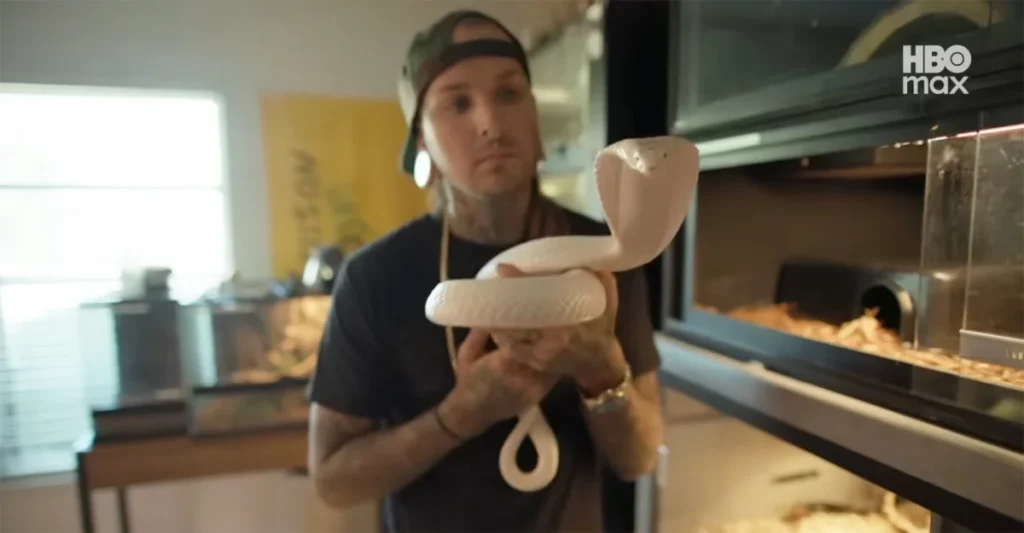

HBO Max is poised to delve into the shadowy and often perilous world of exotic reptile smuggling with its upcoming documentary series, Monsters of God. Set to premiere on August 6th, 2026, the series promises a gripping exposé of the intricate global network that supplies rare and unusual reptiles to collectors and institutions, often at immense personal and ecological cost. Directed by Eric Goode, a filmmaker with a documented passion for the natural world and a prior track record in high-profile docuseries like "Tiger King" and "Chimp Crazy," Monsters of God shifts its focus to the cold-blooded fascination with snakes, alligators, crocodiles, iguanas, lizards, and turtles. The series is being positioned as the next major true crime docuseries from the network, following in the footsteps of its predecessors that captivated audiences with their exploration of extreme human behavior and the animal kingdom.
The Allure of the Exotic: A Global Underground
The core narrative of Monsters of God centers on the clandestine operations of two rival kingpins whose vast global enterprise supplied exotic reptiles to zoos across the United States. This operation, described as lucrative, was reportedly shattered by a betrayal, igniting a devastating vendetta. The trailer for the series, released via YouTube, hints at a high-stakes drama unfolding across continents, driven by an insatiable desire for the rarest and most unusual species. "We wanted the most rare and unusual – no matter the consequences," a quote featured in the promotional material, encapsulates the reckless ambition that fuels this illicit trade.
The documentary aims to peel back the layers of this hidden underworld, revealing the lengths to which individuals will go to possess creatures that are deemed forbidden or extraordinary. The series suggests that this "mad obsession" is not only a driver of criminal activity but also a significant factor pushing numerous reptile species towards the brink of extinction. As one voiceover in the trailer ominously states, "People are going to continue to want that which is forbidden." This sentiment underscores the primal human drive for novelty and possession, even when it encroaches upon ethical boundaries and ecological preservation.

Director Eric Goode’s Return to His Roots
For director Eric Goode, Monsters of God represents a return to his earliest fascination: reptiles. Goode, an American conservationist and filmmaker, has previously demonstrated his ability to navigate complex and often controversial subjects within the animal documentary space. His previous works, "Tiger King" and "Chimp Crazy," garnered significant public attention for their unflinching portrayal of eccentric personalities and the often-unethical treatment of animals. In Monsters of God, Goode leverages his established expertise to explore the dark and "gonzo" underworld of exotic animal smuggling.
The series is produced by A24, Goode Films, and HBO Documentary Films, with an executive producing team that includes Jeremy McBride, Josh Safdie, Ronald Bronstein, Eli Bush, Harry Go, Emily Osborne, Nicole Stott, Kevin Turen, Nancy Abraham, Lisa Heller, and Tina Nguyen. The involvement of such a distinguished group of producers suggests a high level of ambition and commitment to the project.
A Chronology of the Reptile Trade
The documentary is expected to trace the evolution of the exotic reptile trade over several decades. This trade has, over time, become increasingly sophisticated, operating in the shadows and often skirting established legal frameworks, including the Endangered Species Act of 1973. The series aims to uncover a complex web of outlaw traffickers, bombastic collectors, and the persistent efforts of law enforcement agents to dismantle these operations.
The narrative likely unfolds as Goode gains unprecedented access to key players in this clandestine world. This access is crucial for understanding the intricate logistics of smuggling, the motivations of those involved—from traffickers to fanatical collectors—and the challenges faced by federal agents tasked with enforcing regulations. The series promises to reveal a "secretive, high-stakes world of backroom dealings and fanatical collectors," painting a vivid picture of an enterprise driven by extreme obsession.

Supporting Data and Ecological Concerns
The exotic pet trade, particularly for reptiles, is a multi-billion dollar global industry. While precise figures for the illicit trade are difficult to ascertain due to its clandestine nature, estimates suggest that a significant portion of the market operates outside legal channels. The demand for rare and exotic species is driven by a variety of factors, including aesthetic appeal, the desire for unique pets, and the perceived prestige associated with owning such creatures.
However, this demand comes with severe ecological consequences. The removal of animals from their natural habitats can disrupt ecosystems, leading to population declines and, in some cases, local extinctions. Furthermore, the stress of capture, transport, and unnatural environments contributes to high mortality rates among smuggled animals. The introduction of non-native species through escaped or released pets can also have devastating impacts on local flora and fauna, creating invasive species that outcompete native wildlife.
The Convention on International Trade in Endangered Species of Wild Fauna and Flora (CITES) is an international agreement aimed at regulating the trade of endangered species. While CITES provides a framework for international cooperation, enforcement remains a significant challenge, particularly in regions with weak governance and corruption. The series is likely to highlight instances where these regulations are circumvented.
Anticipated Reactions and Broader Implications
The premiere of Monsters of God at the 2026 SXSW Film Festival, where it secured the Audience Award in the TV Premiere section, indicates a strong initial reception. This award suggests that the series resonated with audiences, likely due to its compelling storytelling, dramatic subject matter, and the unique insights it offers into a hidden world.

The series is expected to generate significant discussion regarding the ethics of exotic pet ownership, the role of zoos and private collectors in conservation, and the effectiveness of current legal frameworks in combating wildlife trafficking. Similar to the cultural impact of "Tiger King," Monsters of God has the potential to spark widespread public debate and encourage a re-evaluation of our relationship with the animal kingdom.
Conservationists and animal welfare organizations are likely to welcome the series as a means of raising awareness about the plight of endangered reptiles and the devastating impact of illegal wildlife trade. However, they may also express concerns about the potential for sensationalism to inadvertently glamorize the very activities the series aims to expose. The documentary’s ability to balance dramatic narrative with factual reporting and a clear message about conservation will be crucial in determining its overall impact.
The "cold-blooded world" of reptile smuggling, as described in the series’ promotional material, is a complex intersection of human greed, obsession, and the inherent value of biodiversity. Monsters of God appears poised to offer a chilling and illuminating look into this often-overlooked facet of the global wildlife trade, urging viewers to consider the profound consequences of our desires for the exotic and the forbidden. The series’ exploration of the motivations behind such extreme obsessions, coupled with its portrayal of the devastating impact on both human lives and the natural world, positions it as a significant documentary event for the summer of 2026. The "insatiable desire for the forbidden" remains a powerful human trait, and Monsters of God promises to explore its most extreme manifestations within the reptilian realm.