
A Public Health Crisis Unfolds on Live Stream
The alarming events transpired earlier this week when Peters was livestreaming from a public setting, reportedly a mall and restaurant, accompanied by fellow influencers. Viewers of the live broadcast began to observe a concerning decline in Peters’ condition. Initial signs included increasingly slurred speech, repetitive phrases, and visible disorientation, which quickly escalated alarm bells among his audience and those present. The situation reached a critical point when, according to eyewitness accounts, Peters’ condition deteriorated rapidly. One particularly poignant moment captured during the stream involved Peters telling a woman, "Holy st dude, I’m trying my best, but I’m fking destroyed right now." Shortly thereafter, the live stream abruptly terminated, leaving thousands of viewers to speculate on the severity of the unfolding crisis.
The immediate aftermath was described as chaotic by those present. Fellow influencer Androgenic later provided a chilling account of the rapid progression of Peters’ health crisis. Androgenic detailed how Peters transitioned from coherent speech to near unresponsiveness in mere seconds, prompting a swift and decisive response from his companions. "I hadn’t seen him in this state before and he went from speaking to being fairly unresponsive in mere seconds," Androgenic stated in a social media post. "Within a minute we all realized the situation, turned the stream off, picked him up and rushed him to the hospital." This harrowing testimony underscored the sudden and life-threatening nature of the incident, transforming what began as a routine influencer outing into a desperate medical emergency. The rapid intervention by his peers highlights a critical, albeit often unacknowledged, aspect of the influencer ecosystem: the impromptu support networks that can form in times of crisis, even as the primary focus remains on content creation.
Clavicular’s Post-Hospital Revelation and Personal Admittance
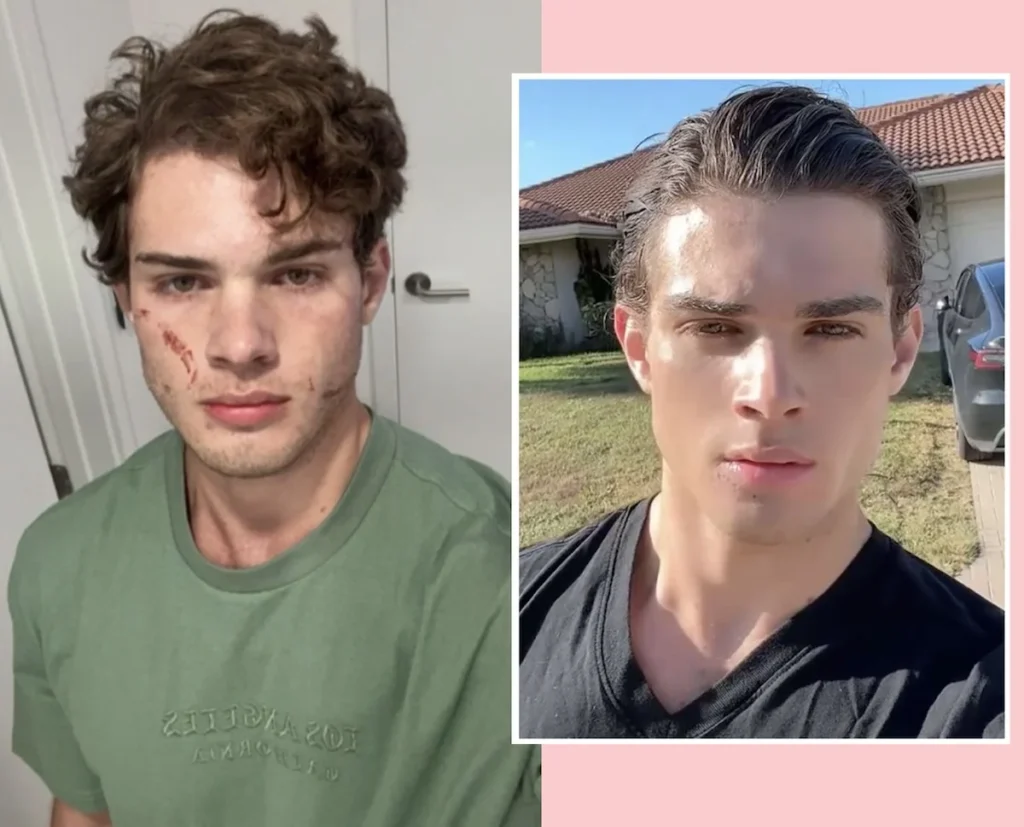
Following hours of uncertainty and public concern, Braden Peters, under his online moniker Clavicular, resurfaced on Wednesday with a deeply unsettling update from his X (formerly Twitter) account. He posted a selfie that visibly conveyed the trauma of his experience, showing a bloodied face and a visibly shaken demeanor. This raw and unvarnished image offered fans and critics alike a stark glimpse into the physical toll of the incident. Accompanying the photo was a candid and self-reflective statement: "Just got home, that was brutal. All of the substances are just a cope trying to feel neurotypical while being in public, but obviously that isn’t a real solution. The worst part of tonight was my face descending from the life support mask."
This admission represents a significant departure from the carefully constructed image Peters typically projects. It acknowledges the underlying struggles that may have contributed to the incident, specifically linking substance use to an attempt to manage social anxiety or neurodivergence in public settings. The mention of a "life support mask" further emphasizes the critical nature of his condition and the medical intervention required to stabilize him. Such a public and vulnerable disclosure from an influencer known for promoting physical optimization and an almost invincible online persona is rare and carries considerable weight, inviting both sympathy and scrutiny from his vast online following. The statement implicitly questions the sustainability and psychological cost of maintaining a high-pressure public image, especially for individuals navigating personal challenges.
The World of "Looksmaxxing" and Influencer Pressures
Clavicular has built his substantial online presence around the controversial subculture of "looksmaxxing," a movement primarily among young men focused on extreme self-improvement through physical and aesthetic optimization. This often involves rigorous routines encompassing diet, exercise, skincare, specific grooming practices, and sometimes even cosmetic procedures, all aimed at enhancing one’s perceived attractiveness and social standing. The community, while advocating for self-improvement, has also drawn criticism for its emphasis on superficiality, potential to foster body dysmorphia, and occasional association with broader misogynistic or incel (involuntary celibate) ideologies, particularly in its more extreme iterations.
Peters’ incident casts a harsh light on the inherent paradox of this culture: the pursuit of an idealized external image often masks or exacerbates internal struggles. Influencers like Clavicular are under immense pressure to embody the very ideals they promote, creating a constant performance loop that can be mentally exhausting. The expectation to be perpetually "on," to maintain an impeccable appearance, and to engage constantly with an audience that demands authenticity while simultaneously rewarding aspirational fantasy, can lead to significant psychological strain. Studies on influencer mental health have increasingly highlighted high rates of anxiety, depression, burnout, and body image issues among content creators, driven by the relentless cycle of content production, public scrutiny, and the commercial imperative to monetize their personal brand. The line between persona and personal reality often blurs, leading to a precarious balance that can easily tip into crisis, as evidenced by Peters’ recent ordeal.
Broader Implications for Online Safety and Mental Health
The public nature of Clavicular’s health scare, unfolding live for thousands of viewers, raises profound questions about online safety, the ethics of live streaming platforms, and the responsibility of both creators and consumers in the digital ecosystem. While platforms like X and Twitch (where many influencers operate) have community guidelines designed to prevent the broadcasting of self-harm or illegal activities, the real-time, unscripted nature of live streams makes comprehensive moderation incredibly challenging. Incidents like Peters’ force a re-evaluation of how platforms can better protect vulnerable creators and viewers from witnessing potentially traumatic events.
Moreover, the incident serves as a stark reminder of the broader mental health crisis affecting young people, exacerbated by the unique pressures of the digital age. Peters’ candid admission about using substances as a "cope trying to feel neurotypical while being in public" resonates with many individuals who struggle with social anxiety, neurodivergence, or other mental health challenges in an increasingly public-facing world. Advocacy groups and mental health professionals have long warned about the dangers of self-medication and the importance of seeking professional help. The visibility of this event could, paradoxically, open conversations about these critical issues within communities that might otherwise be resistant to discussing vulnerability. It underscores the need for greater awareness, accessible mental health resources, and a more compassionate approach to online interactions, moving beyond mere spectacle to genuine concern for well-being.
Prior Controversies and the Shifting Narrative
This health crisis does not occur in a vacuum but follows a period of heightened scrutiny and controversy for Braden Peters. Just days before the alleged overdose, Peters made headlines for abruptly terminating an interview with 60 Minutes Australia. The walkout occurred when he was pressed on his associations with controversial figures such as Andrew Tate, a self-proclaimed misogynist and former kickboxer who has been banned from numerous social media platforms for hate speech. At the time, Peters’ team defended his actions, framing the exit as a stand against what they perceived as unfair media tactics and questioning beyond his expertise.
This prior incident highlights Peters’ navigation of a contentious public image and his proximity to figures who embody polarizing ideologies. While his team initially attempted to control the narrative around the 60 Minutes interview, portraying him as a principled figure pushing back against aggressive journalism, the focus has now irrevocably shifted. The current health emergency has overshadowed previous controversies, transforming the conversation from one about media tactics and controversial affiliations to a much more personal and urgent discussion about mental health, substance use, and the profound human cost of life in the public eye. What began as another polarizing internet personality embroiled in controversy has morphed into a sobering narrative that transcends the usual internet drama, forcing a re-evaluation of the human being behind the Clavicular persona.
Official Responses and Community Reactions
In the immediate aftermath of the incident, a representative for Braden Peters declined to comment further on his current condition when approached by media outlets such as People. This official silence has left fans and critics to largely piece together the unfolding story from social media posts and the eyewitness accounts of those present, including Androgenic. The lack of a comprehensive official statement has fueled speculation but also highlights the complexity and sensitivity surrounding such a personal crisis.
Despite the ordeal, Peters has maintained a degree of online activity. He engaged with followers in the aftermath, offering further insights into his mindset. In response to a commenter who suggested he "just autistmaxx in public, who gives af what others think," Peters offered a revealing reply: "If i wasnt a livestreamer id agree with you." This statement is particularly insightful, underscoring the profound difference between personal behavior and the performance required of a livestreamer. It speaks to the constant pressure to conform to audience expectations, even at the expense of personal comfort or authenticity. This sentiment reveals a deep-seated conflict between his personal inclination and the demands of his profession, suggesting that the public persona he maintains might be a significant source of his internal struggle and the very reason he sought to "cope" with substances.
The incident has resonated deeply within the "looksmaxxing" community itself. While the culture often promotes a facade of invincibility and self-mastery, Peters’ vulnerability may force a moment of introspection for many. It highlights that even those who champion extreme physical optimization are not immune to profound personal challenges. The reaction from the broader online community has been mixed, ranging from expressions of concern and support to criticism and judgment. However, the prevailing sentiment among many observers is one of unease, as the incident lays bare the potential dark side of a culture that often prioritizes external validation over internal well-being.
Conclusion: A Call for Reflection
The public health scare involving Clavicular, Braden Peters, serves as a powerful and unfortunate case study in the evolving landscape of online influence. It underscores the immense pressures faced by content creators, the potential for substance misuse as a coping mechanism, and the critical need for greater awareness and support for mental health within digital communities. As the lines between public performance and private struggle continue to blur, this incident prompts a vital reflection on the responsibilities of platforms, the ethics of consumption, and the collective obligation to foster a more supportive and less demanding online environment. The hope remains that this traumatic event, while deeply personal, can spark broader conversations that lead to meaningful change and greater understanding of the human cost behind the screens.
If you or someone you know is experiencing substance abuse, help is available. Consider checking out the resources SAMHSA provides at https://www.samhsa.gov/find-help/national-helpline or check out StartYourRecovery.org.