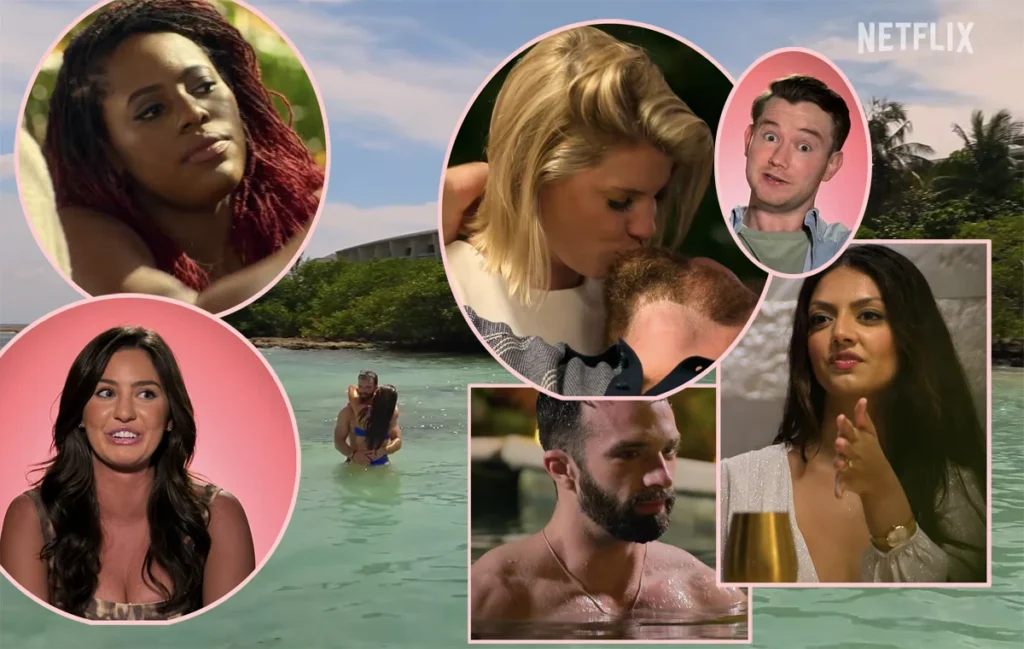

Netflix has officially confirmed the return of its social experiment reality series, Love Is Blind, with the eleventh season set to premiere on October 14, 2026. The upcoming installment shifts the production focus to Boston, Massachusetts, marking a continued expansion of the franchise’s strategy to localize its dating pool within major metropolitan hubs. As the streaming giant looks to maintain the momentum of one of its most reliable reality properties, the newly released trailer offers a preview of the interpersonal conflicts, health-related revelations, and high-stakes romantic decisions that have become synonymous with the brand.
Evolution of the Love Is Blind Franchise
Since its debut in February 2020, Love Is Blind has undergone significant shifts in both production scale and cultural impact. The series, which tasks participants with dating through opaque walls to establish emotional connections before seeing one another, has become a staple of the "unscripted" genre. Following the successful runs in cities such as Atlanta, Chicago, Dallas, Seattle, and Washington D.C., the decision to film in Boston reflects a desire to capture a specific regional demographic.
Data from Netflix’s periodic viewership reports indicates that the series consistently ranks in the Global Top 10 lists during its release windows, often accumulating hundreds of millions of hours viewed. The franchise’s ability to generate "viral" social media discourse has been instrumental in its longevity, with producers leaning into the psychological stressors of the "pod" environment to create heightened narrative tension.
Season 11 Chronology and Production Context
Production for the eleventh season was finalized in mid-2026, following a rigorous casting process that sought to diversify the professional backgrounds of the participants. The timeline of the season follows the established protocol of the series: approximately ten days of speed-dating in the pods, followed by a romantic retreat, a period of cohabitation in a neutral apartment complex, and the final "altar" decision.
The trailer released on September 30, 2026, provides a glimpse into the emotional trajectory of the participants. While the series typically keeps the outcomes of the marriages shielded until the final episodes air, the promotional material highlights several critical moments. These include a participant disclosing a significant medical diagnosis—specifically, the discovery of a "mass"—which serves as an example of the show’s tendency to weave real-world health crises into the romantic narrative. Additionally, the trailer features interpersonal friction, including a comparison between a participant and Isla Fisher’s character in the 2005 film Wedding Crashers, suggesting a season heavily focused on social compatibility and personality clashes.
Statistical Trends in Reality Dating Television
The success of Love Is Blind has triggered a broader shift in the streaming industry’s approach to dating content. Market analysis suggests that viewers are increasingly drawn to "hyper-realistic" scenarios where the stakes are perceived to be higher than in traditional dating shows.
A study on the genre’s growth suggests that the "blind" format removes the superficial biases of traditional dating, yet, statistically, the success rate of the marriages resulting from the show remains a point of contention for critics. Out of the dozens of couples who have reached the altar across ten previous seasons, only a fraction have maintained long-term marriages. This disparity between the "romantic ideal" presented in the episodes and the real-world outcomes has become a central point of critical discussion, often leading to public debates about the viability of reality television marriages.
The Role of Psychological Screening and Participant Well-being
As the franchise enters its eleventh season, Netflix has faced increased scrutiny regarding the duty of care provided to participants. In response to industry-wide conversations about the mental health of reality television contestants, producers have implemented more robust psychological support systems.
The inclusion of sensitive topics, such as the medical diagnosis revealed in the Season 11 trailer, underscores the ethical complexities of the production. While producers argue that the show provides a platform for authenticity, mental health advocates have historically urged the industry to ensure that contestants are not coerced into sharing private health information for the sake of entertainment value. The production team for the Boston season has reportedly maintained strict protocols to ensure that participants feel supported throughout the disclosure process, though the public remains divided on whether such intimate revelations belong on a commercial platform.
Broader Impact on the Boston Market and Streaming Economics
The choice of Boston as the host city is expected to have a minor but noticeable impact on the local perception of the reality dating scene. Historically, cities featured on the show see a temporary uptick in interest regarding their local social scenes. From a business perspective, the localized approach allows Netflix to tap into regional marketing partnerships and localized social media trends, which help in sustaining the show’s relevance across diverse viewer demographics.
The economics of the production are substantial. By utilizing local venues and vendors, the show contributes to the regional economy while keeping production costs controlled within the established framework of the series. Netflix’s continued investment in the franchise suggests that the cost-to-viewership ratio remains favorable compared to high-budget scripted series, reinforcing the reality genre’s status as a cornerstone of the platform’s business model.
Implications for the Upcoming Season
As the October 14 premiere approaches, the focus for Netflix will be on managing the anticipated surge in social media commentary. The "viral moments" mentioned in the promotional lead-up are essential for the show’s algorithmic performance. By teasing emotional volatility and high-tension interactions, the platform creates a "must-watch" atmosphere that encourages synchronous viewing—an increasingly rare phenomenon in the era of on-demand streaming.
Industry analysts expect that the success of the Boston season will determine the longevity of the series beyond its current multi-season renewal. Should the audience response remain robust, it is likely that the franchise will continue to explore other major urban centers, potentially expanding into international territories beyond the existing localized iterations in Brazil, Japan, and Sweden.
Ultimately, Love Is Blind Season 11 serves as both a continuation of a proven format and a test of audience endurance. Whether the show can maintain its cultural relevance while navigating the increasing demand for transparency and ethical oversight remains to be seen. The audience, as always, will play the role of the final arbiter, with their reactions on social media platforms serving as the primary metric for the show’s continued viability in an increasingly crowded streaming marketplace.
With the premiere date confirmed and the trailer successfully generating early discourse, the stage is set for a season that promises to lean heavily into the intersection of personal tragedy, social tension, and the quest for companionship in a digital age. The episodes will roll out in a staggered format, a strategy Netflix has employed successfully to extend the cultural conversation surrounding each season’s climactic episodes. As participants prepare to introduce their partners to their families and integrate into their respective social circles, the audience is expected to witness the familiar cycle of hope, heartbreak, and unexpected twists that have solidified Love Is Blind as a permanent fixture in modern pop culture.