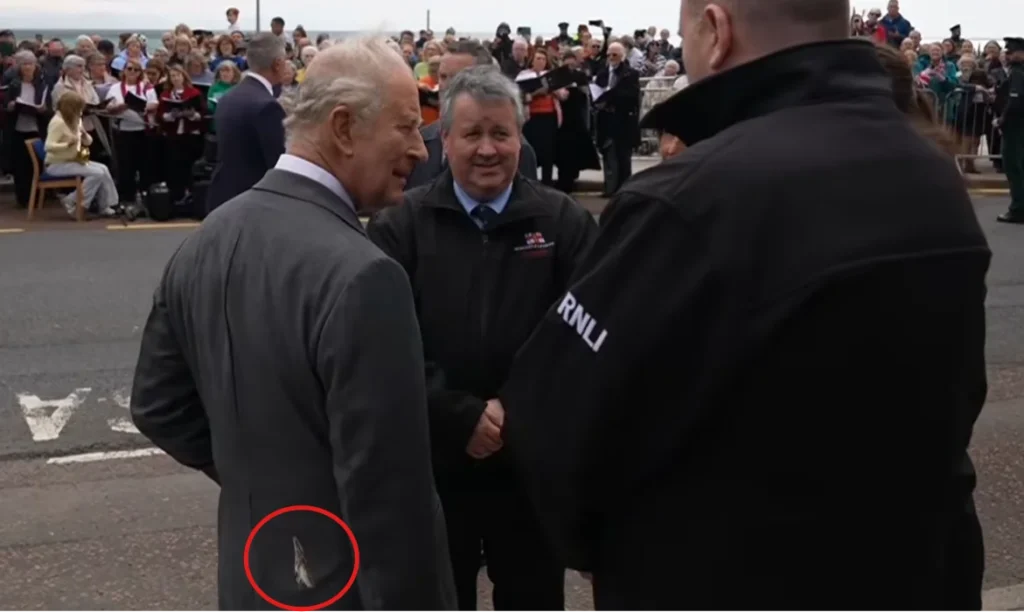

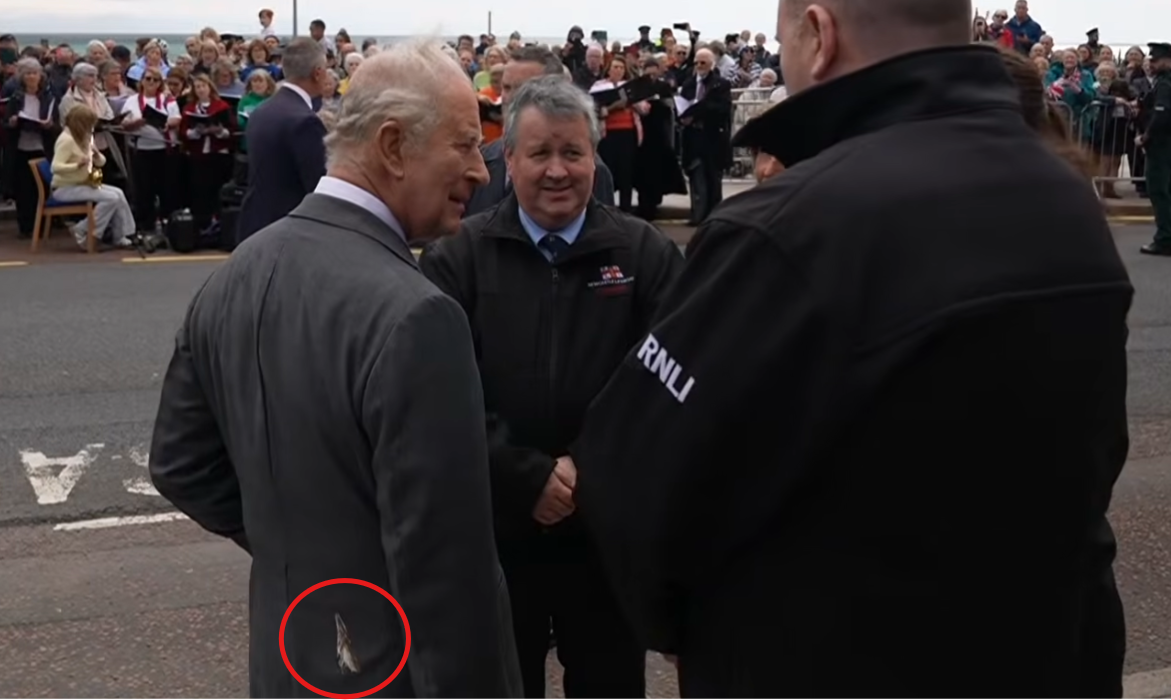
The second day of King Charles III’s three-day official visit to Northern Ireland was marked by an unexpected and rather messy incident when a seagull deposited droppings on the monarch’s suit during a public walkabout in the seaside town of Newcastle. The King, ever the diplomat, took the mishap in good humour, reportedly quipping, "At least it didn’t land on my head." The encounter, which also affected several members of the press, occurred on Wednesday as His Majesty was engaging with well-wishers, a hallmark of his public engagements aimed at fostering a connection with the communities he visits.
A Royal Mishap in Newcastle
The incident took place in Newcastle, County Down, a picturesque coastal town known for its stunning views of the Mourne Mountains and its vibrant community spirit. King Charles, 77, was in the area to recognise the invaluable work undertaken by local charities and community organisations. His itinerary included a visit to the Newcastle Community Cinema, where he was presented with a VIP movie ticket – a lighthearted memento from his visit. Following this, he lent his support to volunteers at the Pantry Foodbank, located at Donard Methodist Church, assisting with the crucial task of packing grocery boxes for individuals and families facing food insecurity.
Witnesses described the King’s reaction as one of immediate good humour. Far from being perturbed, he engaged in light-hearted banter with those around him, turning a potentially awkward moment into a shared, amusing anecdote. This composure under unforeseen circumstances is often noted as a key characteristic of seasoned royals, accustomed to the unpredictable nature of public life and the challenges that can arise from being in open public spaces.
Following the incident, a local resident shared with reporters that being "pooped" on by a seagull is traditionally considered a sign of good luck in some cultures. While this superstition offered a silver lining to the avian encounter, the immediate concern for the King would have been the practical matter of his attire. Royal aides are, of course, always on hand to manage such situations discreetly.
Queen Camilla’s Engagements in Hillsborough
While the King was navigating his engagements in Newcastle, Queen Camilla undertook her own schedule of visits in Hillsborough, a village renowned for its historic castle and its role as a significant royal residence in Northern Ireland. Her Majesty met with local business owners and residents, demonstrating her own commitment to engaging with the diverse fabric of Northern Ireland’s society.
A particularly memorable moment for Queen Camilla occurred during a visit to The Parson’s Nose pub. In a display of amiable engagement, she tried her hand at pouring a pint of the iconic Irish stout, Guinness. With a characteristic touch of wit, she remarked, "I’m not quite the expert, but my husband is." The crowd present responded with applause as she successfully completed the pour, a testament to her ability to connect with people through relatable and often charming actions. This act, while seemingly minor, highlights the modern approach of the Royal Family, blending tradition with accessible, down-to-earth interactions.
A Broader Context: The Royal Tour and Its Significance
This two-day visit to Northern Ireland, which began on Tuesday with the royal couple’s arrival in Belfast, is part of a larger itinerary designed to celebrate the region and its contributions. Belfast’s recent hosting of the prestigious Fleadh Cheoil na hÉireann, a major international festival of Irish music, language, and culture, provided a timely backdrop for the royal tour, underscoring the cultural vibrancy of the island of Ireland.
The King’s visit also carries significant political and diplomatic weight. It comes shortly after the announcement that he is expected to undertake his first official state visit to the Republic of Ireland since ascending the throne. This upcoming visit, extended by an invitation from Irish President Catherine Connolly, signals a deepening of diplomatic ties and a continued commitment to fostering positive relations between the United Kingdom and the Republic of Ireland. Such visits are crucial for maintaining and strengthening bilateral relationships, promoting trade, and discussing areas of mutual interest.
Supporting Data and Background
The Royal Family’s engagements in Northern Ireland are part of a long-standing tradition aimed at reinforcing the Union and acknowledging the contributions of all parts of the United Kingdom. Historically, royal visits have served to connect the monarchy with the people, fostering a sense of unity and shared identity. In recent decades, these visits have also increasingly focused on supporting community initiatives, promoting economic development, and celebrating cultural heritage.
The charities and community organisations visited by the King, such as the Pantry Foodbank, represent vital pillars of support within local communities. Food banks across the UK have seen a significant increase in demand in recent years, driven by economic pressures, rising living costs, and the lingering effects of the pandemic. The King’s visit to the Pantry Foodbank highlights these ongoing challenges and shines a spotlight on the critical role of volunteers and charitable organisations in addressing them. According to recent reports from The Trussell Trust, a leading UK food bank charity, millions of emergency food parcels were distributed annually across the country, underscoring the scale of need. The King’s direct involvement, even in a symbolic capacity, can help raise awareness and encourage greater support for these essential services.
The visit to the Newcastle Community Cinema also serves to highlight the importance of local cultural hubs. These venues often play a crucial role in the social fabric of smaller towns and villages, providing entertainment, fostering a sense of community, and offering accessible cultural experiences. The VIP movie ticket presented to the King is a symbolic gesture of welcome and appreciation for his support of such local institutions.
Broader Implications and Analysis
The King’s composure in the face of the seagull incident speaks volumes about his approach to public duty. It demonstrates a resilience and a capacity to remain unfazed by minor disruptions, allowing the focus to remain on the purpose of his visit. This ability to maintain dignity and grace, even in an unexpected and slightly undignified situation, is a crucial aspect of royal public relations.
Queen Camilla’s participation in a local pub and her attempt at pouring a Guinness exemplifies the modern monarchy’s strategy of engaging with everyday life and embracing local customs. This approach aims to make the Royal Family more relatable and accessible to the public, bridging the gap between tradition and contemporary society. Her witty remark about her husband’s expertise in Guinness pouring is a well-timed piece of lighthearted banter that would have endeared her to the patrons of The Parson’s Nose.
The upcoming state visit to the Republic of Ireland further underscores the ongoing evolution of the relationship between the UK and Ireland. Following Brexit, the importance of maintaining strong bilateral ties with neighbouring European nations has become even more pronounced. A state visit from the monarch represents a significant diplomatic event, signalling a commitment to cooperation and mutual understanding. The invitation from President Connolly indicates a positive and reciprocal desire for engagement at the highest levels. Such visits are carefully orchestrated to foster goodwill, facilitate discussions on key issues, and promote cultural exchange, ultimately contributing to regional stability and prosperity.
The royal tour of Northern Ireland, therefore, is not merely a ceremonial occasion. It is a multifaceted undertaking designed to acknowledge the region’s contributions, support its communities, celebrate its culture, and reinforce important diplomatic relationships. The unexpected seagull incident, while a minor footnote, serves as a reminder of the unpredictable nature of public engagements and the human element that can sometimes punctuate even the most formal of occasions. The enduring image, however, will likely be that of a King who handled a messy situation with good humour and a Queen who charmed a local pub with her down-to-earth approach, showcasing the adaptable and engaging nature of the modern British monarchy.