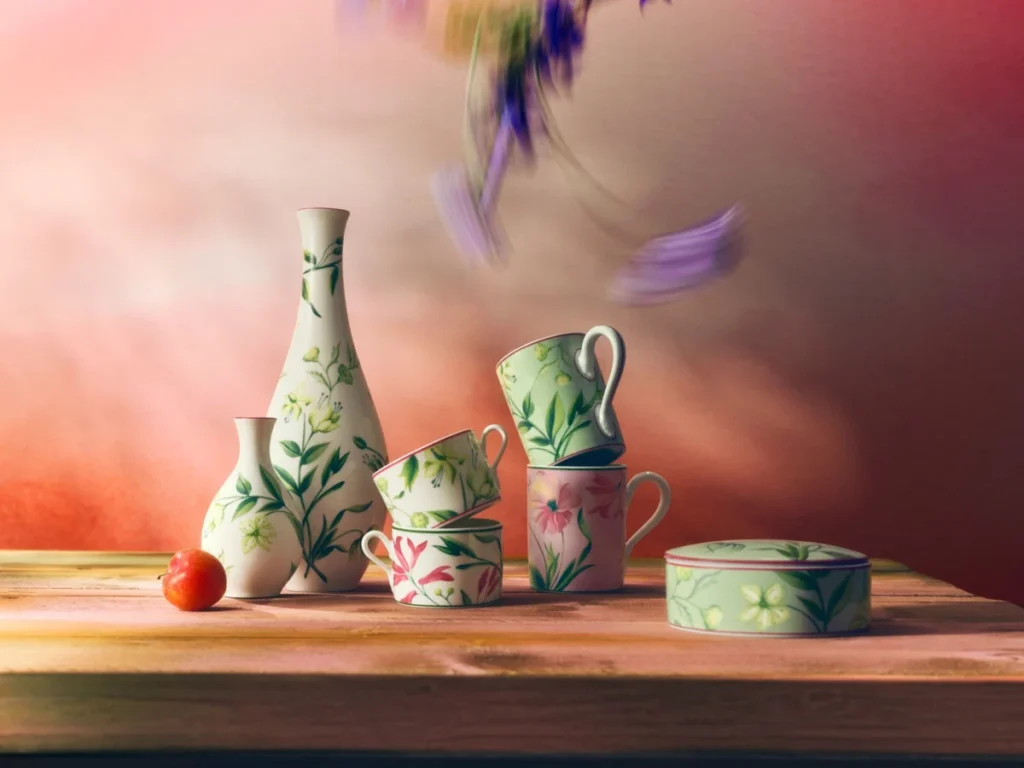

The vibrant aesthetic of two-tone porcelain plates, characterized by a kaleidoscope of blues, pinks, greens, and yellows and emblazoned with intricate chinoiserie-inspired floral motifs, has become an inescapable fixture of contemporary luxury. These pieces, which frequently anchor high-end wedding registries and dominate the "For You" pages of social media platforms like TikTok, represent more than a mere trend in interior design. They signify the successful revitalization of Ginori 1735, a brand that has navigated nearly three centuries of history to reinvent itself as the "Ferrari of tableware" for a younger, digitally native generation. This transformation from a dusty heirloom associated with previous generations into a whimsical status symbol—favored by cultural icons such as director Sofia Coppola—offers a masterclass in how heritage brands can leverage their archives to achieve modern relevance.
The Foundations of the Doccia Manufactory: 1735–1923
The story of Ginori 1735 began in the mid-18th century in Doccia, Italy, located just outside of Florence. Founded by Marquis Carlo Andrea Ginori, the company was established during a period when European nobility was obsessed with "white gold"—the fine porcelain that had previously been a closely guarded secret of East Asian manufacturers. Marquis Ginori was a pioneer, investing heavily in the chemistry and artistry required to produce high-quality hard-paste porcelain.

By the late 1700s, the Ginori Manufactory was already a household name among European royalty, competing with established houses like Meissen in Germany and Sèvres in France. The brand’s early success was built on a foundation of technical excellence and the patronage of the Grand Duchy of Tuscany. Throughout the 19th century, the manufactory continued to expand, merging with the Richard ceramic group in Milan in 1896 to become Richard-Ginori. This merger allowed the company to scale its production while maintaining the artisanal quality that defined its reputation. However, it was the transition into the 20th century that would provide the creative blueprint for the brand’s eventual 21st-century resurgence.
The Gio Ponti Revolution and the Birth of Italian Modernism
The brand’s modern identity is inextricably linked to the tenure of Gio Ponti, who served as creative director between 1923 and 1933. Ponti, often regarded as the father of modern Italian design, pushed Richard-Ginori into experimental territory. He moved away from the heavy, overly ornate styles of the Victorian era, instead introducing bold prints, fresh colorways, and designs that drew inspiration from classical antiquity but felt decidedly avant-garde.
Ponti’s influence was profound because he understood that porcelain could be a medium for storytelling and artistic expression, not just a functional utility. Under his guidance, the brand won the Grand Prix at the 1925 International Exhibition of Modern Decorative and Industrial Arts in Paris, the very event that gave "Art Deco" its name. Ponti’s archival designs—featuring motifs like the "Musica" bowl or the "Catene" series—remain among the most sought-after pieces by collectors today and serve as a primary source of inspiration for the brand’s current creative direction.

Decline, Bankruptcy, and the Gucci Intervention
Despite its storied history, Richard-Ginori faced a severe financial crisis in the early 21st century. By the 2010s, the brand was struggling with mounting debt and a perceived lack of relevance in a global market that was increasingly favoring minimalist, mass-produced home goods. In January 2013, the company filed for bankruptcy, a move that threatened the livelihoods of hundreds of artisans and the future of a crucial piece of Italian heritage.
The turning point came in April 2013, when the luxury conglomerate Kering, through its flagship brand Gucci, acquired Richard-Ginori for approximately €13 million ($17 million at the time). The acquisition was motivated by a desire to preserve Italian craftsmanship and to integrate the porcelain house into Gucci’s broader lifestyle vision. The revitalization was spearheaded by Alessandro Michele, who was then the creative director of Gucci.
Michele, known for his maximalist, romantic, and historically referential aesthetic, saw the untapped potential in the Ginori archives. He oversaw a total rebranding, which eventually led to the company being renamed "Ginori 1735" in 2020. Under Michele’s eye, the brand shifted its focus from traditional formal dinnerware to "lifestyle" objects that appealed to a younger demographic.

The Oriente Italiano Phenomenon: A New Status Symbol
The centerpiece of Ginori 1735’s modern success is the "Oriente Italiano" collection. While the pattern itself is archival—originating from the "Antico Doccia" shape—it was reimagined in a range of vibrant, saturated colors that aligned with the "Grandmillennial" and "Cottagecore" trends of the late 2010s. The collection’s two-tone aesthetic, featuring a stylized carnation motif, resonated with consumers who were moving away from minimalist silver and plain white china.
Industry experts note that the collection’s success is rooted in its versatility. Fashion editor Bella Gerard Fayne, a prominent collector of the brand, notes that it is rare for something so "vibrant, colorful, and whimsical to be elevated and timeless." This sentiment is echoed across the luxury market, where pieces are no longer relegated to china cabinets but are used as everyday luxuries, catch-alls for jewelry, or decorative accents on coffee tables.
The rebranding also capitalized on the shift in the wedding industry. Modern couples are increasingly prioritizing "heirloom 2.0" items—products that carry historical weight but fit a contemporary, colorful lifestyle. Retailers like Tuckernuck Home and Bergdorf Goodman have reported consistent sell-outs of the Oriente Italiano pattern, particularly in shades like "Malachite" green and "Porpora" pink.

Strategic Collaborations and Cultural Integration
A critical component of Ginori 1735’s resurgence has been its aggressive pursuit of high-profile collaborations. By partnering with figures and brands across the fashion, film, and art worlds, Ginori has established a level of cultural cachet that few other heritage porcelain brands possess.
- Sofia Coppola: The Academy Award-winning director, known for her highly curated visual style, is a long-time fan and collaborator. Her involvement has helped position the brand as the quintessential choice for a "cinematic" home life.
- Luke Edward Hall: The British artist and designer collaborated with the brand on the "Il Viaggio di Nettuno" collection, which features mythological figures and Greco-Roman motifs in a playful, hand-drawn style. This partnership successfully merged traditional porcelain with modern illustration.
- Khaite: By collaborating with the New York-based fashion label Khaite, Ginori 1735 signaled its status as a fashion-adjacent brand, appealing to the same consumers who invest in luxury ready-to-wear.
- Luxury Hospitality: Partnerships with the St. Regis hotel group and the opening of "Cafe Ginori" at Bergdorf Goodman in New York have allowed consumers to experience the brand in a curated, immersive environment.
These collaborations serve a dual purpose: they introduce the brand to new audiences and they prevent the 300-year-old name from feeling stagnant.
Market Analysis: The Rise of the "Tablescape"
The broader economic and social context of the 2020s has also favored Ginori 1735. The global pandemic led to a significant increase in consumer spending on home decor, as social lives shifted from public spaces to private residences. This period saw the rise of the "tablescape"—the art of creating an elaborate, aesthetically pleasing table setting for the purpose of social media sharing.

According to market research, the luxury tableware market is projected to continue growing as consumers seek out "durable luxury." Unlike fashion, which can be seasonal and ephemeral, fine porcelain is perceived as a long-term investment. Ginori 1735 has successfully marketed its products as "attainable luxuries"—while a full dinner set may cost thousands of dollars, a single mug or bread plate can serve as an entry point for younger collectors.
Broader Implications for Heritage Brands
The success of Ginori 1735 offers a blueprint for other legacy manufacturers struggling to find their footing in the modern era. Interior designer Mieke ten Have observes that for many years, there was a "backlash against things like silver and wedding china," which were viewed as relics of a grandmother’s generation. Ginori 1735 overcame this by not "reinventing the wheel," but rather reimagining its existing motifs through a modern lens.
The brand’s expansion into home fragrances, furniture, and textiles further demonstrates its evolution from a manufacturer of plates into a comprehensive lifestyle brand. By maintaining its manufacturing base in Doccia and continuing to employ traditional artisans, the company has managed to preserve its "Made in Italy" integrity while embracing a global, digital-first marketing strategy.

Conclusion: A Legacy Reimagined
Ginori 1735 stands today as a testament to the power of strategic rebranding and the enduring appeal of high-quality craftsmanship. By leveraging the creative genius of past directors like Gio Ponti and the branding brilliance of modern figures like Alessandro Michele, the company has bridged a three-century gap. It has transformed porcelain from a fragile, formal obligation into a vibrant, daily expression of personal style. As it continues to expand its presence in luxury cafes and high-end retailers worldwide, Ginori 1735 remains the gold standard for how a legacy brand can not only survive the digital age but thrive within it.