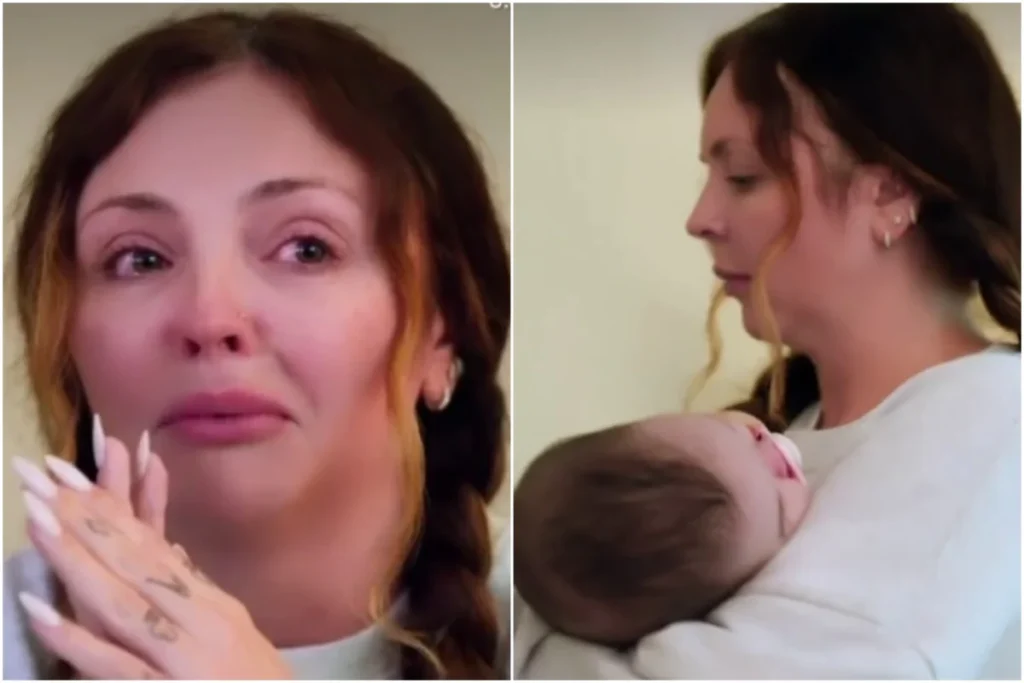

Former Little Mix star Jesy Nelson is set to unveil a deeply personal and emotionally charged documentary, Jesy Nelson: Life Changing, on Prime Video this July 17. The 35-year-old singer uses her powerful platform to shed light on the devastating impact of Spinal Muscular Atrophy (SMA), a genetic condition that affects her twin daughters. The documentary serves not only as an intimate portrayal of her family’s journey following their diagnosis but also as a fervent plea for the mandatory inclusion of SMA in the UK’s newborn blood spot screening program.
Nelson recently shared a poignant trailer for the documentary on Instagram, accompanying it with a heartfelt message that underscored the gravity of her experience. "I’m really not sure where to start with this one… All I can say is that I urge everyone to watch this documentary," she wrote. "It’s the most heartbreaking series I’ve ever had to make, but it’s one that needed to be made if we’re ever going to see real change." Her words resonate with an undeniable urgency, reflecting the profound challenges she and her daughters face daily. She continued, highlighting the stark reality: "This is only a small glimpse into what my girls have to go through every single day. It’s the reality that so many children born with SMA have to endure and this is only the beginning of their lives."
A Mother’s Plea: The Vital Importance of Early Diagnosis
At the core of Nelson’s advocacy is the unequivocal belief that early diagnosis can transform the lives of children born with SMA. "I truly hope this helps people understand why the heel prick test and treatment from birth are so incredibly vital," she stated emphatically. "Early diagnosis can change EVERYTHING. I’ll keep saying it until no family has to experience this again: no future babies born with SMA should have lives that look like this."
The documentary trailer offers a raw glimpse into Nelson’s emotional ordeal, capturing the harrowing moment she received her daughters’ diagnosis. Visibly struggling to compose herself, she is seen holding back tears, uttering the words, "I can’t believe this is happening." The weight of the news is palpable as she later confides, "My whole life has changed… I don’t know how we are going to do this." In a particularly heartbreaking scene, Nelson, speaking directly to the camera through tears, expresses a profound sense of despair, saying she feels like she is "going to feel heartbroken for the rest of my life."
This deep personal pain has fueled her fierce determination to advocate for change. The trailer shows Nelson campaigning tirelessly for mandatory SMA testing to be rolled out across the UK. "I refuse to allow anyone else to go through this," she declares, her voice unwavering despite the visible emotion. Reflecting on the potential impact of earlier intervention, she adds, "They could have been able to walk and run and live how a child should live. That’s the part I’ll never be able to accept." This statement underscores the profound difference that timely diagnosis and treatment could have made, a central theme of her campaign.

Chronology of a Life-Altering Journey
Jesy Nelson welcomed her twin daughters in May of last year with her now ex-fiancé, Zion Foster. The twins’ arrival was marked by an early birth, leading to a three-month hospital stay before they could return home. It was earlier this year that the family received the life-altering diagnosis of Spinal Muscular Atrophy for both girls. This period marked a significant turning point, thrusting Nelson into the role of a devoted advocate for her children and for all families affected by SMA. The announcement of the documentary, Jesy Nelson: Life Changing, and its subsequent release date of July 17 on Prime Video, represents the culmination of this emotional journey, bringing her private struggle into the public eye to inspire broader change.
Understanding Spinal Muscular Atrophy (SMA): A Deeper Dive
Spinal Muscular Atrophy (SMA) is a rare, inherited neuromuscular disorder that affects motor neurons, the nerve cells in the spinal cord that control voluntary muscle movement. It is caused by a genetic defect in the SMN1 gene, which is responsible for producing a protein crucial for the survival of motor neurons. Without sufficient SMN protein, these motor neurons progressively degenerate, leading to muscle weakness and wasting.
SMA is broadly categorized into several types based on age of onset and severity:
- Type 0 (Prenatal Onset): The most severe form, with symptoms appearing before birth or shortly after. Infants typically have severe hypotonia and respiratory failure, often leading to death within weeks.
- Type 1 (Infantile Onset, Werdnig-Hoffmann Disease): The most common and severe form, usually diagnosed within the first six months of life. Infants with SMA Type 1 never achieve the ability to sit independently. They experience profound muscle weakness, difficulty breathing, swallowing, and feeding. Without treatment, life expectancy is often less than two years due to respiratory complications.
- Type 2 (Intermediate Onset): Symptoms typically appear between 6 and 18 months of age. Children with SMA Type 2 can usually sit independently but rarely achieve the ability to walk. They may require respiratory support and often experience progressive muscle weakness and scoliosis.
- Type 3 (Juvenile Onset, Kugelberg-Welander Disease): Symptoms appear after 18 months of age, often in early childhood or adolescence. Individuals with SMA Type 3 can walk independently at some point, but they may lose this ability over time. They experience muscle weakness, tremors, and difficulties with motor skills.
- Type 4 (Adult Onset): The mildest form, with symptoms appearing in adulthood. It causes mild to moderate muscle weakness, typically affecting proximal muscles, and progresses slowly.
As the NHS describes, SMA causes muscle weakness, problems with movement, issues with breathing and swallowing, muscle tremors, and bone and joint problems. The impact on a child’s development and overall quality of life can be devastating, especially in the more severe forms, making early intervention critical.
The Transformative Power of Early Screening and Treatment

The push for mandatory SMA screening stems from a revolutionary shift in treatment options. In recent years, groundbreaking therapies have emerged that can significantly alter the natural course of SMA, especially when administered early. These treatments include:
- Gene therapy (e.g., Zolgensma): A one-time intravenous infusion that delivers a functional copy of the SMN1 gene, allowing the body to produce the missing SMN protein. It is most effective when given before symptoms develop or very early in the disease progression.
- Antisense oligonucleotide therapy (e.g., Spinraza/nusinersen): Administered via spinal injection, this therapy works by increasing the production of functional SMN protein from a different gene (SMN2). It requires ongoing treatment but has shown significant benefits in improving motor function and survival across various SMA types.
- Small molecule therapy (e.g., Risdiplam/Evrysdi): An oral medication taken daily, Risdiplam also works by increasing SMN protein production from the SMN2 gene. It offers a less invasive treatment option and has demonstrated efficacy in improving motor milestones and survival.
These therapies have transformed SMA from a rapidly progressive and often fatal disease into a manageable condition for many, particularly when treatment begins pre-symptomatically or very early in life. Studies have shown that infants treated shortly after birth, before the onset of symptoms, can achieve motor milestones comparable to their healthy peers. This stark contrast between treated and untreated outcomes is the driving force behind Jesy Nelson’s fervent campaign for universal newborn screening. Without early diagnosis, the precious window for optimal treatment efficacy can be missed, leading to irreversible motor neuron damage and profound disability.
SMA Screening in the UK: Progress and Persistent Gaps
The UK’s National Screening Committee (UK NSC) plays a crucial role in determining which conditions are included in national screening programs. For years, SMA advocates, including charities like SMA UK, have campaigned for its inclusion in the newborn blood spot screening (also known as the "heel prick test"). This test, typically performed on babies five days after birth, screens for several rare but serious conditions, allowing for early diagnosis and intervention.
In a significant victory for the SMA community, the UK NSC recommended adding SMA to the national newborn screening program in January 2023. This recommendation was based on compelling evidence demonstrating the clinical effectiveness of early treatment and the feasibility of screening. The implementation of this recommendation is expected to be phased in across the UK from 2024 onwards. While this is a monumental step forward, Nelson’s documentary highlights the urgent need to expedite and ensure comprehensive rollout across all regions, emphasizing that every day without screening is a day when a child could miss out on life-changing treatment.
Globally, the landscape of SMA newborn screening varies. Many countries, including parts of the United States, Germany, and Australia, have already implemented universal SMA newborn screening. Their experiences provide valuable data on the benefits of early detection, demonstrating improved patient outcomes, reduced healthcare costs in the long term, and fewer emotional and financial burdens on families. The UK’s decision to include SMA in its program aligns with this growing international consensus.
Jesy Nelson’s Advocacy: A Powerful Voice for the Vulnerable

Jesy Nelson is no stranger to using her platform for important causes. Her 2019 BBC documentary, Jesy Nelson: Odd One Out, bravely explored the devastating impact of cyberbullying on her mental health, garnering critical acclaim and contributing significantly to public discourse on online harassment. This previous experience showcases her commitment to authenticity and her ability to connect with audiences on deeply personal and impactful issues.
Her current advocacy for SMA screening leverages the immense reach of her celebrity status to amplify a critical public health message. Celebrity endorsements can significantly raise awareness for rare diseases, which often struggle for visibility and funding. By sharing her family’s intensely personal journey, Nelson humanizes the statistics and scientific facts surrounding SMA, making the issue relatable and compelling for a broad audience. Her refusal to "allow anyone else to go through this" transforms her private grief into a powerful call to action, potentially galvanizing public support and putting pressure on policymakers to accelerate the full implementation of SMA screening across the UK.
Broader Implications and the Future of Rare Disease Care
The release of Jesy Nelson: Life Changing carries significant implications beyond her immediate family. It is expected to:
- Increase Public Awareness: The documentary will undoubtedly educate millions about SMA, its symptoms, and the critical importance of early diagnosis. This increased awareness can empower parents to ask questions and advocate for screening.
- Accelerate Policy Implementation: While the UK NSC has recommended SMA screening, the full rollout can be a complex process involving infrastructure, training, and funding. High-profile advocacy like Nelson’s can help maintain momentum and ensure that the phased implementation is robust and timely.
- Reduce Diagnostic Delays: For conditions not yet screened, there is often a significant delay between symptom onset and diagnosis, known as the "diagnostic odyssey." By highlighting the need for screening, the documentary can contribute to reducing these delays for SMA and potentially inspire calls for screening of other rare diseases.
- Support for Families: The raw portrayal of Nelson’s emotional journey will resonate with countless families navigating the complexities of rare disease diagnoses, offering a sense of solidarity and understanding.
- Ethical Considerations: The documentary also subtly touches upon broader ethical discussions surrounding genetic screening—the balance between parental choice, public health benefits, and the potential societal implications of widespread genetic testing.
The narrative woven through Jesy Nelson: Life Changing underscores a fundamental truth in rare disease care: early detection is paramount. For conditions like SMA, where irreversible damage can occur rapidly, the window for effective intervention is incredibly narrow. Nelson’s personal sacrifice in sharing her story is a testament to her profound love for her daughters and her unwavering commitment to ensuring that other families do not have to endure the same heartbreak of a delayed diagnosis. As the documentary premieres on July 17, it is poised to not only move audiences but also to serve as a powerful catalyst for tangible change in public health policy, championing a future where every baby born with SMA has the opportunity for the earliest possible treatment and a life lived to its fullest potential.