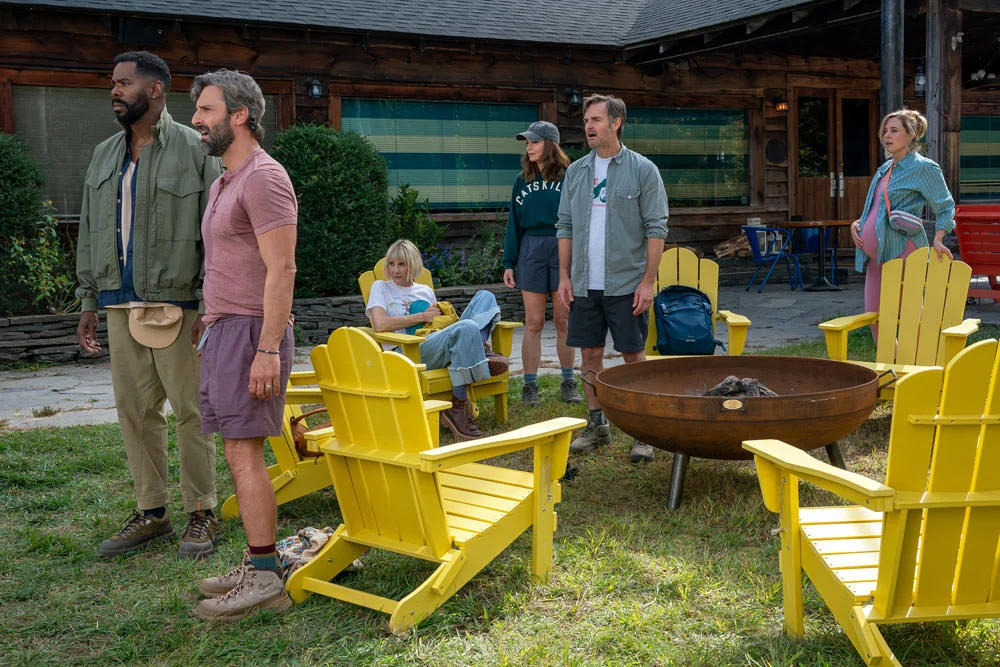

Netflix has officially released the trailer, poster, and promotional imagery for the highly anticipated second season of its original comedy-drama series, The Four Seasons. Scheduled for a global premiere on May 28, 2026, the series continues its exploration of the complex, often humorous dynamics of long-term friendship. Following a critically acclaimed debut season, the upcoming installment expands the narrative scope of the central friend group, transitioning from regional American settings to international landscapes while introducing new interpersonal challenges, including the addition of a child to the group’s travel dynamic.
Co-created by the powerhouse writing team of Tina Fey, Lang Fisher, and Tracey Wigfield, the series serves as a modern reimagining of the 1981 film of the same name, which was originally written, directed by, and starred Alan Alda. The second season maintains its core ensemble cast, featuring Tina Fey as Kate, Will Forte as Jack, Kerri Kenney-Silver as Anne, Colman Domingo as Danny, Marco Calvani as Claude, and Erika Henningsen as Ginny. This season, the group navigates the collective grief following the loss of a close friend, a plot point that serves as a catalyst for deeper introspection and the revelation of personal "blind spots" among the survivors.
Narrative Expansion and International Settings
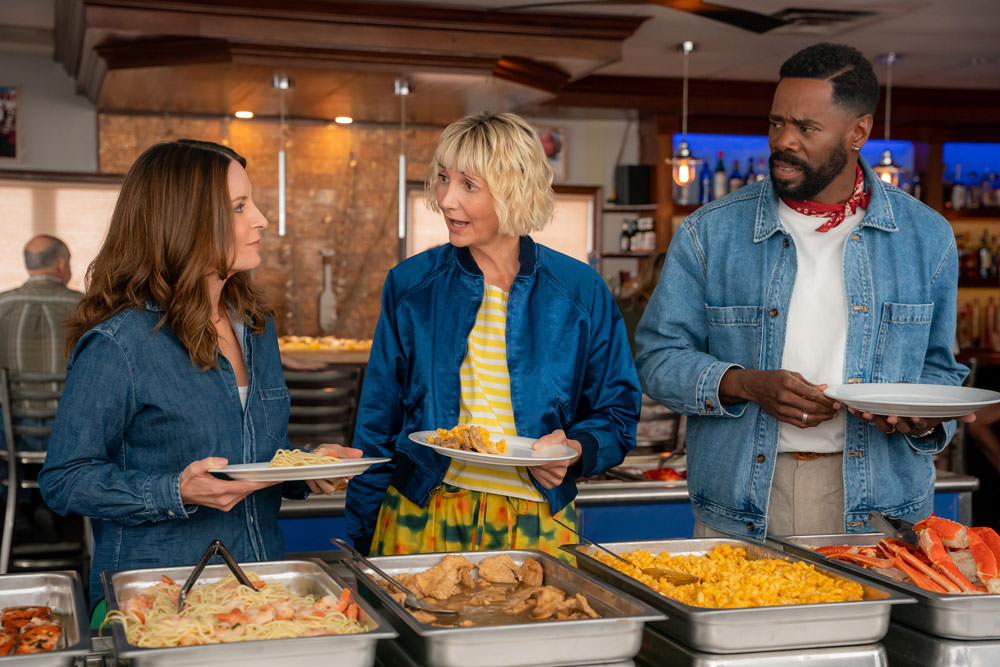
The primary plot of Season 2 follows the group as they maintain their established tradition of vacationing together once every season. While the first season focused on the familiar comforts of the Jersey Shore and Upstate New York, the new trailer reveals a significant shift in geography. The group is seen journeying to the scenic landscapes of Italy, a move that places the characters in a "fish out of water" scenario that heightens the comedic and dramatic tensions.
A pivotal element of the new season is the introduction of a baby into the group’s travel itinerary. This change shifts the established rhythm of their gatherings, forcing the characters to adapt their lifestyle and expectations. The inclusion of an infant serves as a narrative device to explore the evolution of friendships as individuals enter different stages of life. According to the series description, the season will blend warmth and wit as it examines how these long-term relationships endure the "highs, lows, and humor" of aging and shared history.
The Creative Architecture and Production Leadership
The Four Seasons represents a significant collaboration between some of the most successful figures in contemporary television comedy. Tina Fey, an Emmy-winning writer and performer known for 30 Rock and Saturday Night Live, serves as co-creator, co-showrunner, executive producer, and writer. She is joined by Lang Fisher, who previously served as the co-creator and showrunner of Netflix’s hit series Never Have I Ever, and Tracey Wigfield, the creator of the Saved by the Bell revival and an Emmy winner for her work on 30 Rock.

The production team also includes executive producers David Miner, Jeff Richmond, and Eric Gurian, all frequent collaborators within the Fey-led Little Stranger production banner. Notably, Alan Alda, the creator of the original 1981 property, remains involved as a producer alongside Marissa Bregman. This continuity ensures that while the series is updated for a 2026 audience, it retains the DNA of the original source material’s focus on the seasonal rhythms of adult life.
The directorial lineup for Season 2 features a diverse array of talent, including several members of the cast and creative team. Colman Domingo, an Academy Award nominee, directed the season premiere (Episode 201). Other directors include Lang Fisher (Episodes 207 and 208), Tracey Wigfield (Episode 204), and Tina Fey herself (Episode 202). The season also enlists the filmmaking duo of Shari Springer Berman and Robert Pulcini, known for their work on American Splendor, to direct several mid-season episodes.
Contextual Background: From Film to Series
The decision to adapt The Four Seasons for a streaming audience reflects a broader industry trend of reviving intellectual property with strong character-driven foundations. The original 1981 film was a box office success and earned multiple Golden Globe nominations, praised for its realistic portrayal of middle-aged friendship. By expanding the concept into a multi-season series, Fey, Fisher, and Wigfield have been able to delve deeper into the backstories and psychological motivations of each character than a two-hour film would allow.
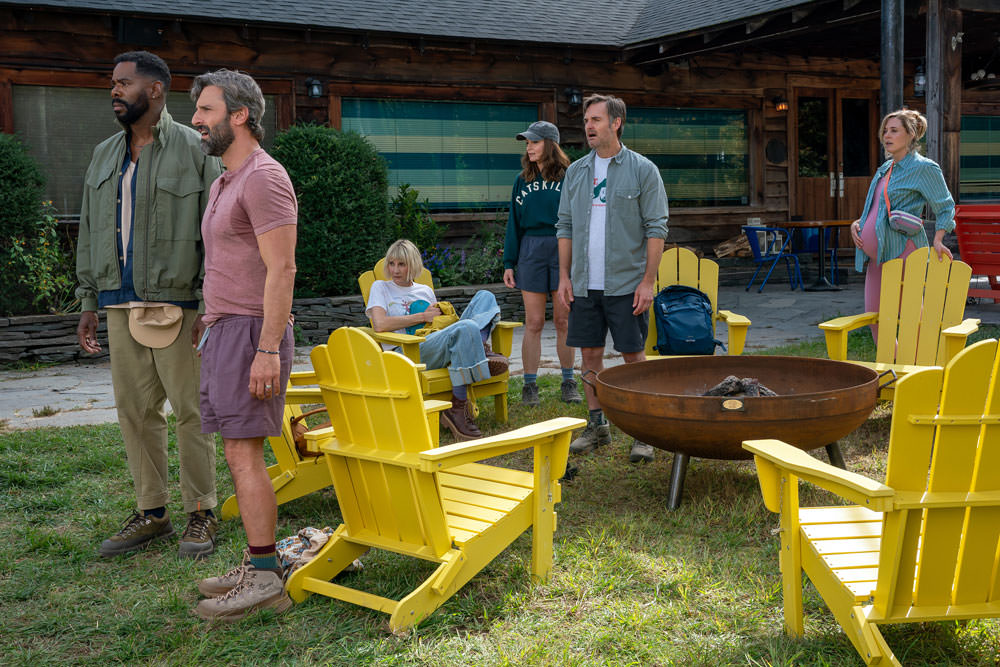
The first season established the "four seasons" format, where each segment of the story corresponds to a specific time of year—Spring, Summer, Autumn, and Winter. This structural choice allows the show to track the passage of time and the subtle shifts in character relationships. Season 2 appears to lean further into this thematic structure, using the change in scenery to Italy to mirror the internal transformations of the protagonists as they cope with loss and the arrival of a new generation.
Chronology of Development and Release
The journey toward the Season 2 premiere began shortly after the successful launch of the first season. Production for the second installment took place throughout 2025, with location scouting in Italy and various parts of the Northeastern United States.
- Early 2024: Netflix greenlights the series as a modern reimagining of the Alan Alda classic.
- Late 2024: Season 1 premieres to positive critical reception, specifically highlighting the chemistry of the ensemble cast.
- Spring 2025: Principal photography for Season 2 begins, with filming split between New York studios and on-location shoots in Europe.
- Late 2025: Post-production commences, with Jeff Richmond overseeing the musical score.
- May 2026: Official trailer and promotional materials are released, setting the stage for the May 28 launch.
Industry Impact and Thematic Analysis
The Four Seasons occupies a specific niche in the streaming landscape, targeting an adult demographic that values sophisticated, dialogue-heavy comedy over high-concept spectacle. The series follows in the footsteps of other "prestige comedies" that balance humor with genuine emotional stakes. By casting Colman Domingo and Will Forte alongside Fey and Kenney-Silver, the production bridges the gap between different comedic styles—from Forte’s penchant for the absurd to Domingo’s grounded, dramatic presence.
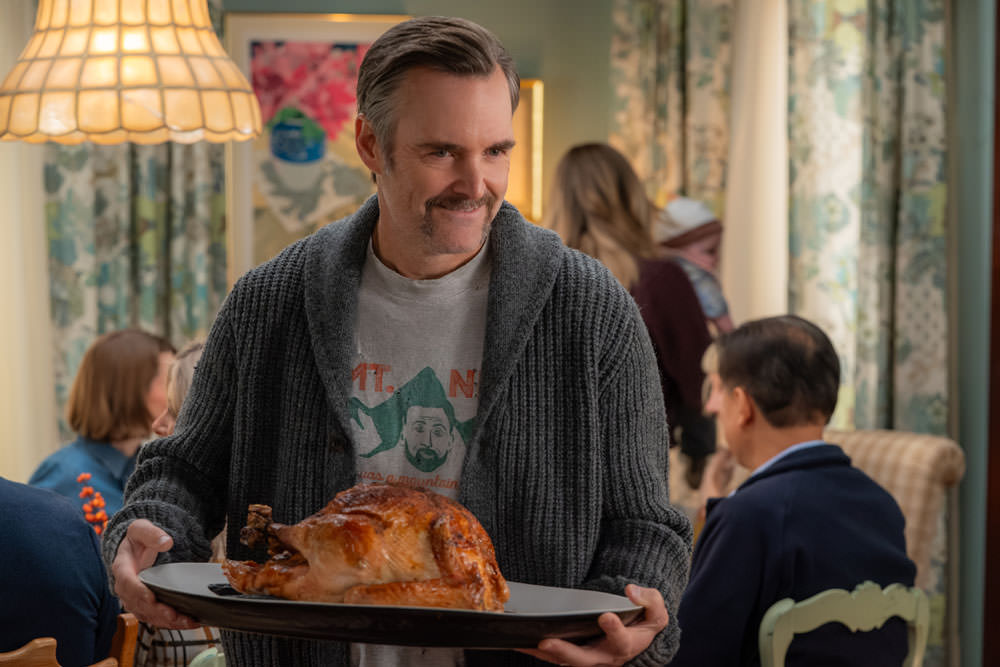
The inclusion of grief as a central theme in Season 2 is a significant narrative choice. In a television environment often dominated by escapism, The Four Seasons chooses to confront the reality of losing friends as one ages. This thematic depth is expected to resonate with viewers who have experienced similar shifts in their social circles. Furthermore, the exploration of "blind spots"—the personal flaws that friends often ignore or enable in one another—provides a rich vein of conflict that the show’s writers are well-equipped to mine for both laughs and pathos.
The move to Italy also reflects a post-pandemic trend in television production often referred to as "destination programming." Similar to shows like The White Lotus, the use of a stunning international backdrop serves not only as visual "eye candy" but also as a pressure cooker for character development. Removed from their domestic routines, the characters are forced to interact in ways that reveal their true natures.
Anticipation and Projected Reception
As the May 28 release date approaches, industry analysts expect The Four Seasons to be a strong performer for Netflix. The involvement of Tina Fey remains a significant draw for subscribers, and the positive word-of-mouth from the first season has built a dedicated audience. The series is positioned as a "must-watch" for the early summer season, offering a blend of travel-based escapism and relatable human drama.

The trailer suggests that the season will maintain the brisk pacing and sharp-witted dialogue that are hallmarks of Fey and Wigfield’s previous collaborations. However, the added emotional weight of the "late friend" storyline suggests a more mature tone than some of their earlier, more satirical works. This evolution demonstrates the creators’ ability to grow with their audience, moving from the fast-paced surrealism of 30 Rock to the more grounded, observational humor of The Four Seasons.
With a premiere date set for the end of May, The Four Seasons Season 2 is poised to become a central part of the cultural conversation regarding friendship, aging, and the enduring power of shared history. As the characters navigate the cobblestone streets of Italy and the complexities of their own hearts, viewers are invited to reflect on their own long-term relationships and the seasons of life that define them.