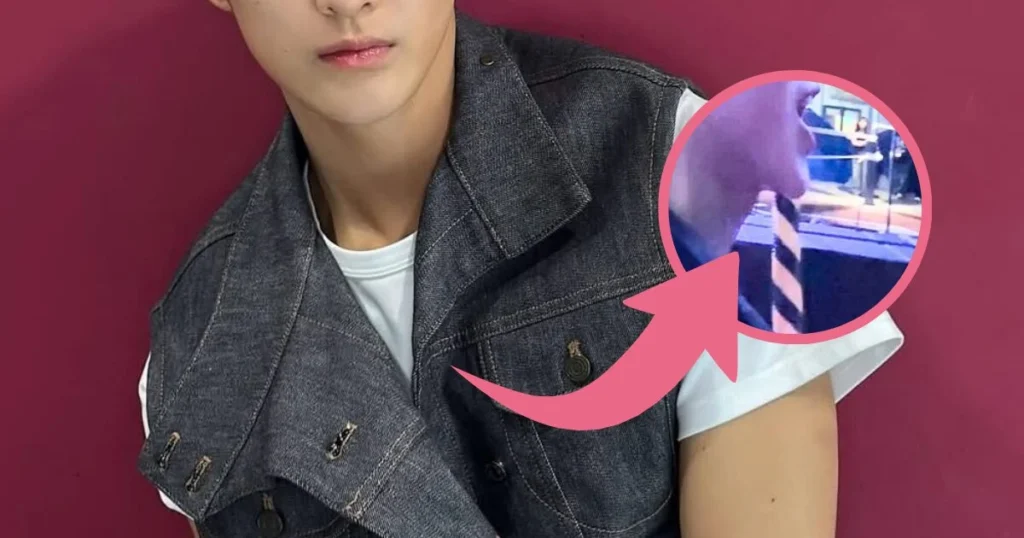

The global K-pop industry, often characterized by its rigorous aesthetic standards and the intense public scrutiny of its performers, has found itself at the center of a new controversy involving Keonho, a prominent member of the HYBE-managed group CORTIS. On May 22, 2026, allegations surfaced across various South Korean online communities suggesting that the idol had undergone a "botched" plastic surgery procedure, specifically a chin implant or jawline contouring. These claims, which originated from a viral post on a popular discussion forum, have sparked a massive divide between online critics and a dedicated fan base that has mobilized to defend the artist’s natural visuals.
The controversy began when an anonymous user posted a thread titled "Male idol suffering side effects from jaw surgery.jpg." The post featured several high-definition screenshots taken from a recent video appearance by Keonho, alongside official promotional photography from CORTIS’s recent activities. The original poster (OP) highlighted what they described as "unnatural" contours around the idol’s jawline and chin area, suggesting that these were clear indicators of surgical side effects or a poorly integrated implant. The post quickly gained traction, accumulating tens of thousands of views within hours and migrating to secondary social media platforms like X (formerly Twitter) and various international K-pop news portals.
Detailed Breakdown of the Allegations
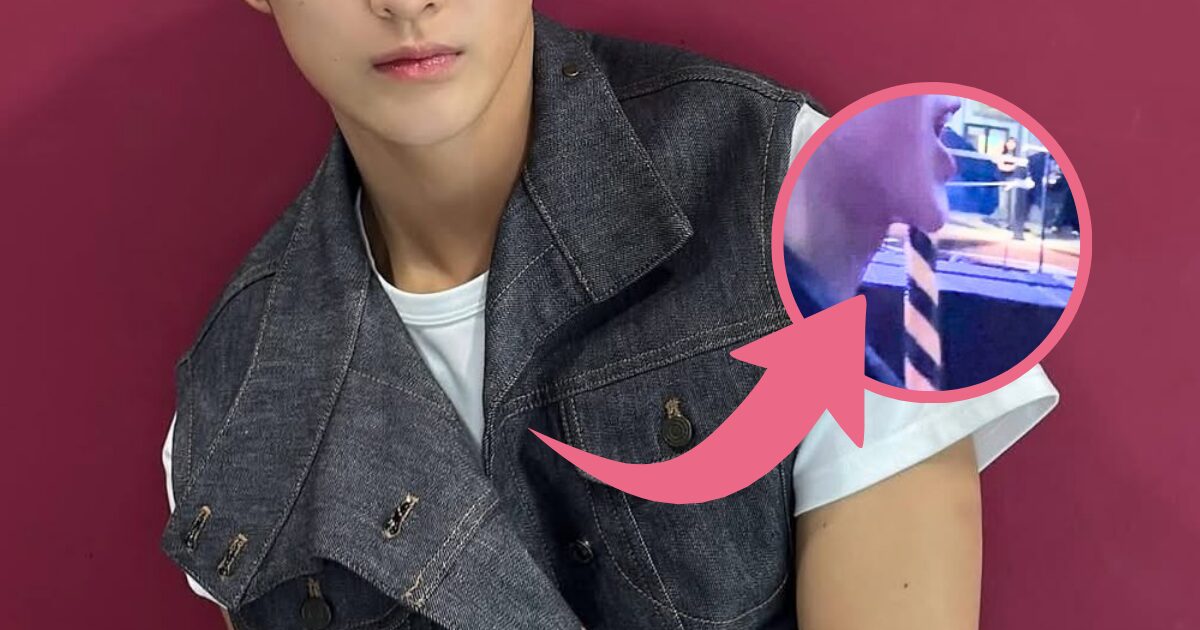
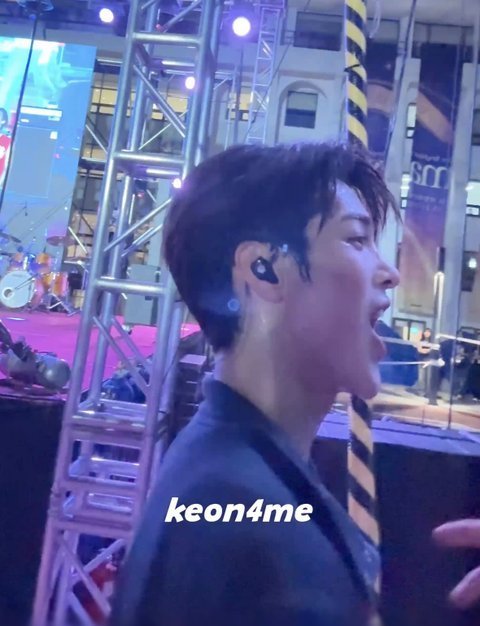
The primary evidence cited by the anonymous critic focused on a specific screenshot from a behind-the-scenes video. In the image, Keonho is seen from a three-quarter profile view. The OP argued that the shadow cast beneath his lower lip and the transition between his chin and jawline appeared "stepped" or "disjointed," a common talking point in online forums dedicated to identifying plastic surgery in celebrities. Furthermore, the post compared these recent images to Keonho’s appearance in the August 2025 issue of Weverse Magazine, claiming that the "effects" of the purported surgery were becoming more visible over time.
Speculation regarding "jaw surgery side effects" is a recurring theme in K-pop discourse. Critics often point to signs such as sagging skin (ptosis), unnatural dimpling, or what is colloquially known in South Korean forums as the "secondary angle"—a visible shelf-like appearance on the jawbone that can occur after V-line surgery. In Keonho’s case, the allegations were not merely about the existence of surgery, which is relatively common in the industry, but rather that the procedure had yielded a "botched" or medically unsuccessful result that was now impacting his physical appearance.
The Fandom’s Counter-Response and Evidence
The response from CORTIS’s fandom was immediate and highly organized. Fans, known for their protective stance toward HYBE artists, launched a counter-campaign to debunk the allegations using historical data and high-resolution imagery. The defense focused on three primary pillars: lighting and camera angles, weight fluctuations, and pre-debut documentation.

Supporters pointed out that the "proof" provided by the OP was taken from a video with harsh, overhead lighting, which can create dramatic shadows and distort facial features. To prove this point, fans circulated other photos and videos from the same day where Keonho’s jawline appeared smooth and consistent with his previous looks. They argued that "malicious screencapping"—the practice of pausing a video at an unflattering millisecond to create a false narrative—was being used to target the idol.
Furthermore, a significant amount of pre-debut content was brought forward. Photos of Keonho from his trainee days and even his middle school years were shared to demonstrate that his distinct jaw structure and chin shape have been present since childhood. By comparing these childhood photos with his current visuals, fans argued that his features are the result of natural maturation and professional makeup techniques rather than invasive surgery. One widely shared comment from a fan stated, "It is clear that all the jealous psychos are clinging onto him because CORTIS is succeeding. His chin has looked like that since he was ten years old."
Chronology of the Controversy
The timeline of the event illustrates how quickly visual-based rumors can escalate in the digital age:

- Early May 2026: CORTIS begins a new wave of promotional activities, including video interviews and magazine shoots.
- May 22, 18:30 KST: The initial post alleging surgery side effects is uploaded to a major South Korean forum.
- May 22, 20:00 KST: The post reaches the "Trending" section of the site, prompting hundreds of comments ranging from concern to mockery.
- May 22, 21:15 KST: International fans begin translating the post, leading to a global discussion on social media.
- May 22, 23:00 KST: Fans begin a systematic defense, uploading "debunking" threads and reporting the original post for defamation.
- May 23, 00:00 KST: Media outlets like Koreaboo report on the defense of the idol, shifting the narrative toward the "malicious" nature of the original claims.
Contextual Background: CORTIS and HYBE’s Visual Standards
CORTIS, a group under the HYBE umbrella, has seen a meteoric rise in popularity since their debut. As part of a conglomerate that includes global giants like BTS, SEVENTEEN, and NewJeans, any group under HYBE is subjected to an elevated level of scrutiny. Keonho, often cited as one of the group’s primary "visuals," is frequently at the center of public discourse regarding his appearance.
The pressure to maintain a "perfect" image is a well-documented aspect of the K-pop industry. HYBE, in particular, has been noted for its artists’ polished and often trend-setting aesthetics. However, this focus on visuals often makes idols targets for "anti-fans" who seek to undermine their success by attacking their physical authenticity. The current allegations against Keonho are viewed by many industry analysts as a byproduct of this "success tax," where rising popularity inevitably leads to increased efforts to find flaws.
Sociological and Industry Implications
The debate over Keonho’s appearance highlights several broader issues within the K-pop ecosystem. First is the "obsession with the jawline," a specific beauty standard in East Asia that prioritizes a slim, V-shaped face. This standard has led to a high prevalence of both actual surgeries and the constant suspicion of them. When an idol’s face does not perfectly align with a smooth, filtered ideal in every frame of a video, the immediate jump to "botched surgery" reflects a lack of tolerance for natural human variation.
Second, the incident underscores the power of online communities in shaping an artist’s reputation. A single anonymous post with a few screenshots can generate a news cycle that forces fans and sometimes agencies to respond. While HYBE has historically been aggressive in taking legal action against "malicious posts" and "defamation," the sheer volume of such comments makes it a continuous battle.
Official Responses and Legal Stance
As of the current reporting, HYBE has not issued a specific statement regarding Keonho’s chin. However, the agency’s standard operating procedure involves regular updates on legal proceedings against perpetrators of malicious rumors. In previous instances involving artists like V of BTS or members of LE SSERAFIM, the agency has emphasized that "distorting facts and spreading groundless rumors regarding an artist’s physical appearance" constitutes a violation of their rights.
Industry experts suggest that agencies often avoid commenting directly on plastic surgery rumors to avoid giving them more oxygen. Instead, they focus on the "malicious intent" of the posters. If the rumors persist and begin to affect Keonho’s brand endorsements or mental well-being, a more formal legal warning is expected to be issued.

Analysis of Visual Misinformation
The Keonho controversy serves as a case study in how visual misinformation functions. In the era of 4K video and high-speed internet, every pore and contour of an idol’s face is visible. However, the human eye and camera lenses interact in ways that can be deceptive. Focal length, for instance, can significantly alter the perceived width of a person’s jaw. A wide-angle lens used in a close-up interview can "stretch" the edges of the frame, making a chin appear more prominent or angled than it is in reality.
Furthermore, the K-pop industry utilizes "contouring" makeup, which uses dark and light pigments to artificially sharpen the jawline for the stage. When an idol moves or is caught in lighting that doesn’t align with the makeup’s intended perspective, it can create "ghost lines" that look like surgical scars or implants to the untrained eye.
Conclusion
The "botched chin implant" allegations against CORTIS’s Keonho appear to be the latest in a long history of visual-based attacks directed at successful K-pop idols. While the original claims relied on subjective interpretations of specific images, the overwhelming evidence provided by fans—including pre-debut photos and explanations of lighting physics—has largely shifted the public sentiment.

The incident reflects the double-edged sword of K-pop stardom: while Keonho and CORTIS enjoy global fame and the backing of a powerhouse like HYBE, they remain vulnerable to the hyper-critical gaze of an internet culture that often struggles to distinguish between professional styling and surgical intervention. As the group continues its promotional cycle, the focus remains on Keonho’s resilience and the unwavering support of a fandom that refuses to let "malicious" narratives define their artist’s career. For now, Keonho continues his activities as scheduled, with the controversy serving as a reminder of the intense pressures facing the modern idol.