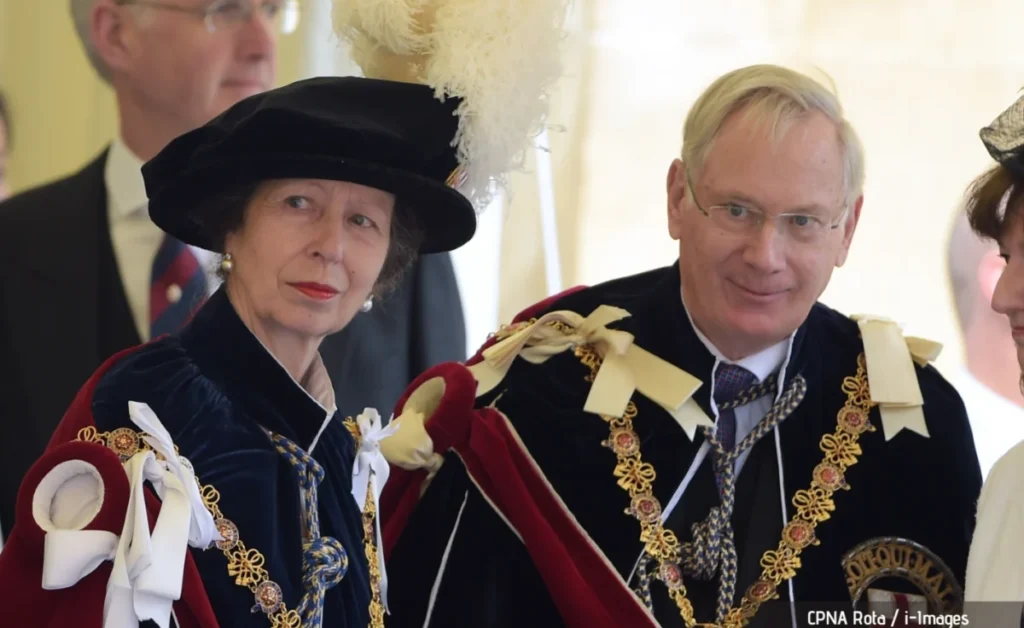

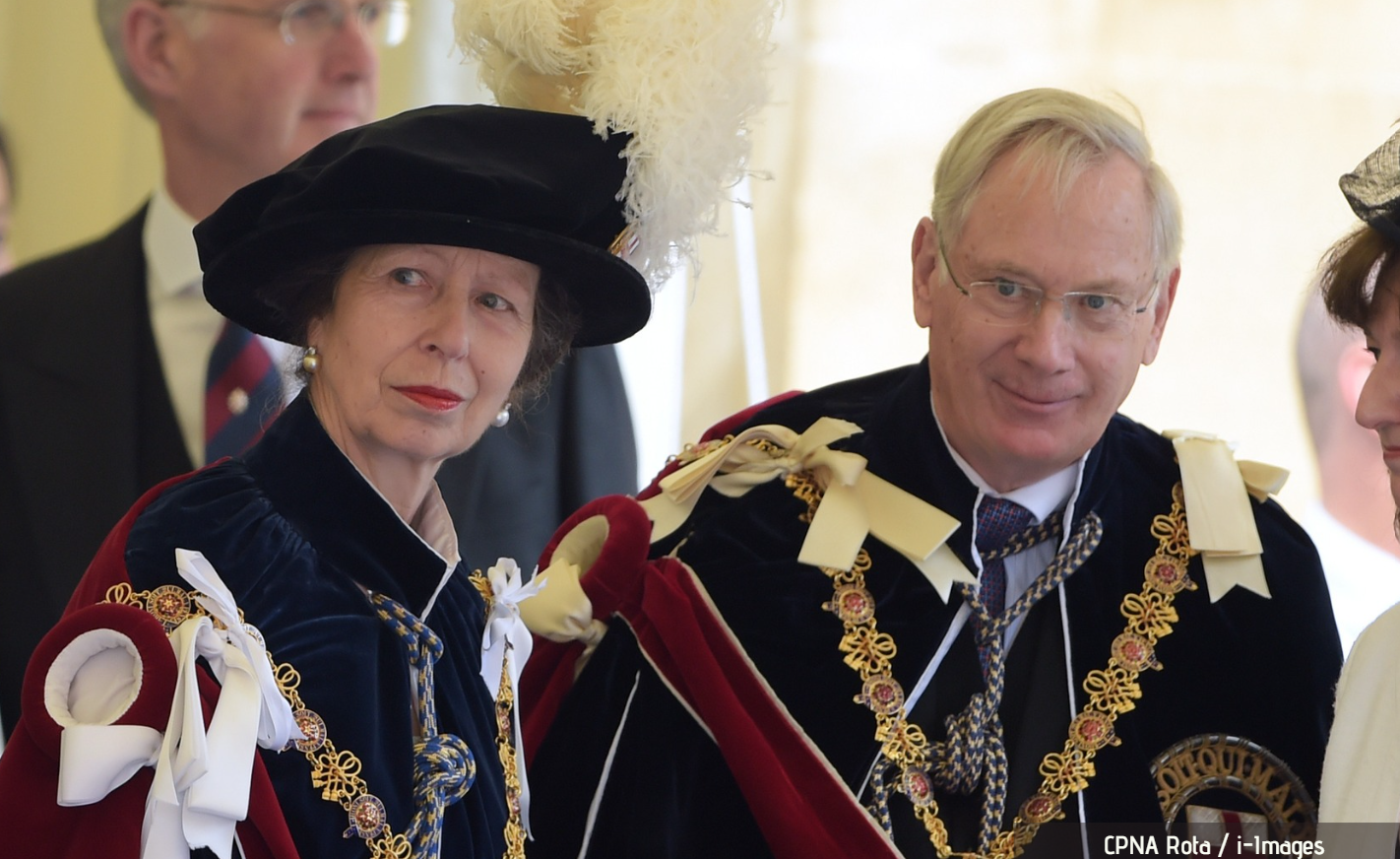
The Princess Royal, Princess Anne, and her cousin, His Royal Highness The Duke of Gloucester, will undertake a significant and rare joint engagement next month, traveling to France to lead commemorations marking the 110th anniversary of the Battle of the Somme. The poignant visit underscores the enduring commitment of the British Royal Family to honouring the sacrifices made during one of the most devastating conflicts in modern history. This joint appearance by two of the Royal Family’s most dedicated working members, who are seldom seen undertaking official duties together, highlights the profound importance of this centenary commemoration.
The Princess Royal, in her capacity as President of the Commonwealth War Graves Commission (CWGC), and the Duke of Gloucester, as Honorary President of the Somme Association, will attend solemn commemorative events on July 1st. These ceremonies will pay tribute to the hundreds of thousands of servicemen who fought and tragically died during the Battle of the Somme, a defining and harrowing chapter of the First World War. Their presence signifies a deep respect for the memory of those who made the ultimate sacrifice and underscores the continuing relevance of remembrance in the 21st century.
Historical Significance of the Battle of the Somme
The Battle of the Somme, which commenced on July 1st, 1916, remains etched in collective memory as a symbol of the brutal realities of trench warfare and the immense human cost of the First World War. Fought between the British and French armies against the German Empire, the offensive aimed to alleviate pressure on the French at Verdun and break through German lines. However, the battle devolved into a protracted and bloody stalemate, characterized by relentless artillery bombardments followed by waves of infantry assaults across No Man’s Land, met by machine-gun fire and entrenched defenses.
The opening day alone witnessed catastrophic losses for the British Expeditionary Force, with over 57,000 casualties – killed, wounded, or missing – by the end of July 1st. This grim statistic represents the single bloodiest day in the history of the British Army. Over the course of the five-month campaign, which concluded on November 18th, 1916, the total casualties across all participating nations, including Britain, France, and Germany, soared to over one million men. These figures represent not just numbers, but individual lives, families shattered, and futures extinguished. The Somme thus became a profound symbol of futility and sacrifice for a generation, forever altering the social and political landscape of Europe.
Royal Patronages and Dedication to Remembrance
Princess Anne’s role as President of the Commonwealth War Graves Commission places her at the forefront of efforts to preserve the memory of those who died in the service of the Commonwealth. The CWGC, established in 1917, is responsible for maintaining the graves and memorial sites of Commonwealth servicemen and women who died during the two World Wars. Princess Anne has consistently championed the vital work of the Commission, undertaking numerous visits to cemeteries and memorials across the globe, ensuring that the sacrifices made are never forgotten. Her dedication to this cause reflects a deep personal commitment to remembrance and a recognition of the importance of providing dignified resting places and enduring memorials for fallen soldiers.
Similarly, the Duke of Gloucester’s position as Honorary President of the Somme Association underscores his commitment to maintaining the legacy of those who fought in this particular, devastating campaign. The Somme Association is dedicated to preserving the memory and heritage of the Battle of the Somme, often through educational initiatives, battlefield tours, and support for historical research. The Duke’s patronage signifies his personal connection to the commemoration of this specific conflict and his understanding of its lasting impact.
A Chronology of Commemoration
The joint visit of Princess Anne and the Duke of Gloucester will be a focal point of the 110th-anniversary commemorations. The series of events typically begins on the eve of July 1st, with vigils and remembrance services held at key sites. The primary ceremonies on July 1st itself are often held at prominent locations such as the Thiepval Memorial to the Missing of the Somme, the Lochnagar Crater, and the Newfoundland Memorial Park at Beaumont-Hamel.
- 1916: The Battle of the Somme commences on July 1st, initiating five months of intense and costly fighting.
- 1917: The Commonwealth War Graves Commission is established to care for the burial places and memorials of Commonwealth forces.
- Post-War Years: Numerous memorials are erected across the Somme battlefield and in Britain, including the iconic Thiepval Memorial.
- Centenary Commemorations (2016): The 100th anniversary saw widespread national and international attention, with significant services led by senior members of the Royal Family and heads of state.
- Ongoing Anniversaries: Each subsequent anniversary, particularly those marking significant numerical milestones, continues to be observed with remembrance ceremonies and educational programs.
- 2026 (110th Anniversary): Princess Anne and the Duke of Gloucester lead a rare joint engagement to mark this significant anniversary, reinforcing the enduring importance of remembrance.
The commemorations in northern France will serve as a solemn reminder of the human cost of war and a testament to the enduring spirit of those who served. The presence of the Princess Royal and the Duke of Gloucester will lend considerable weight and solemnity to these events, drawing attention to the ongoing need for reflection and remembrance.
Supporting Data and Context
The scale of the Battle of the Somme is difficult to fully comprehend. The Western Front, a network of trenches stretching over 400 miles, became a killing field for millions. The introduction of new technologies, such as machine guns and artillery, combined with outdated tactics, led to unprecedented levels of casualties.
- Total Casualties (All Nations): Over 1,000,000 killed, wounded, or missing.
- British Casualties (First Day): Approximately 57,470.
- Duration of Battle: Five months (July 1 to November 18, 1916).
- Key British Frontage: From Maricourt to the Somme to Serre-lès-Puisieux.
- Key Objectives: To relieve pressure on the French at Verdun and achieve a decisive breakthrough.
The impact of the Somme extended far beyond the battlefield. Entire communities in Britain and across the Commonwealth lost a generation of young men. The psychological toll on survivors was immense, and the war profoundly reshaped societal attitudes towards conflict and heroism. The battle also highlighted the industrial nature of modern warfare, where immense resources and manpower were deployed for incremental territorial gains.
Inferred Official Responses and Broader Implications
While specific statements from the Princess Royal and the Duke of Gloucester are not yet public, their joint undertaking speaks volumes about the Royal Family’s commitment to national commemoration. Their presence is a powerful symbol of continuity and a reaffirmation of the nation’s gratitude to its armed forces, past and present.
The engagement serves several key purposes:
- Honouring Sacrifice: It directly honours the memory of the soldiers who fought and died, ensuring their sacrifices are not forgotten by future generations.
- Educational Value: It provides a platform for education and awareness about the realities of the First World War and the importance of peace.
- Diplomatic Significance: The joint visit to France, a key ally, reinforces historical ties and shared remembrance between the two nations.
- Promoting Remembrance Culture: By undertaking such a high-profile engagement, the Royal Family actively encourages a broader culture of remembrance within the United Kingdom and the Commonwealth.
The choice of the Princess Royal and the Duke of Gloucester for this specific commemoration is particularly apt. Their long-standing service and dedication to various patronages related to military history, heritage, and welfare make them ideal representatives. Their joint appearance emphasizes the enduring importance of these historical events and the continuity of royal commitment to national remembrance. In an era where historical memory can sometimes fade, such high-profile engagements are crucial for maintaining a connection to the past and understanding its lessons for the future. The 110th anniversary of the Battle of the Somme, through the solemn presence of the Princess Royal and the Duke of Gloucester, will once again bring into sharp focus the profound sacrifices made and the enduring lessons of that terrible conflict.