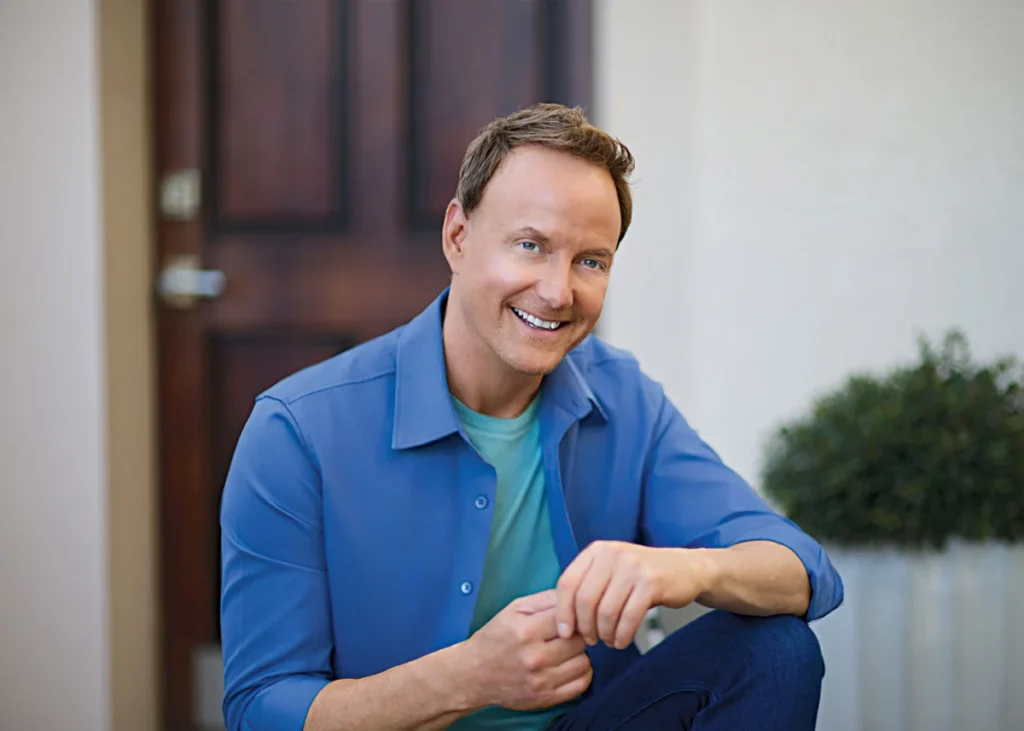

The television series Home for Good, hosted by Art Edmonds, debuted on May 20th as a cornerstone of ABC’s "Weekend Adventure" programming block, dedicated to honoring and transforming the living spaces of deserving individuals who have made significant contributions to their communities. Edmonds, who previously gained recognition for his work on Military Makeover With Montel, now leads a new initiative that focuses on providing remarkable home renovations for a diverse group of heroes, including military veterans, first responders, firefighters, police officers, and even dedicated animal rescuers. The series distinguishes itself through its accelerated production timeline, aiming to complete substantial renovations within an approximately seven to eight-day window from the initial meeting with the featured families. This condensed schedule necessitates a highly efficient and dedicated team, as Edmonds explains, "From start to finish, we have about seven, eight days from the time that we first meet these incredible families. These individuals tell their story, and we follow them along to what they do in their daily life, maybe have a little adventure along the way. Meanwhile, our construction and design team is working to bring that big reveal." Beyond the dramatic transformations, Home for Good also incorporates an educational component, integrating crucial information about fire, smoke, and carbon monoxide safety, thereby aiming to create not just aesthetically pleasing living environments but also secure sanctuaries for the families.
A Deeper Dive into the Renovation Process
The rapid pace of Home for Good is a defining characteristic, contrasting with longer-form renovation shows. Edmonds elaborates on the operational dynamics, stating, "These individuals tell their story, and we follow them along to what they do in their daily life, maybe have a little adventure along the way." This narrative arc allows viewers to connect with the honorees on a personal level, understanding their sacrifices and daily challenges. Simultaneously, the behind-the-scenes construction and design teams are tasked with executing complex renovations under significant time pressure. This dual focus on personal storytelling and tangible home improvement creates a compelling and emotionally resonant viewing experience. The series also leverages its platform to disseminate vital home safety information. "Along the way, we’re educating our viewers about fire, smoke, and carbon monoxide to help protect the home and not only make it a beautiful space, but a safe sanctuary," Edmonds notes. This proactive approach to home safety underscores the show’s commitment to the well-being of its featured families and the broader audience.
A Specific Case Study: Jeffrey Perry’s Backyard Transformation
A recent episode, scheduled to air on Saturday, June 20th, highlighted the impactful work of Home for Good by focusing on Jeffrey Perry, a Medal of Valor recipient residing in Austell, Georgia. Perry’s distinguished service includes 11 years in the U.S. Army followed by an extensive 31-year career as a police officer. His life took a challenging turn when he was medically retired due to an autoimmune disease, necessitating ongoing dialysis and oxygen support. Edmonds provided poignant details about Perry’s current circumstances, revealing, "He can’t travel, and you’ll see in the episode the dozens of oxygen tanks he goes through in a day." Despite these significant health hurdles, Perry harbored a deep desire for a revitalized outdoor space. "The one thing that he wanted, and desperately needed, was a backyard renovation," Edmonds confirmed.
The renovation project specifically addressed Perry’s immediate needs and long-standing passions. A primary necessity was the construction of a deck equipped with a ramp, as his existing deck was "literally falling apart," according to Edmonds. This functional improvement was crucial for Perry’s mobility and safety within his home environment. Furthermore, Perry’s love for gardening and his enjoyment of watching his dogs play in the yard were central to the design considerations. The transformed backyard, therefore, was not merely an aesthetic upgrade but a life-changing intervention designed to enhance his quality of life, providing him with a safe, accessible, and enjoyable outdoor sanctuary. "He has spent a lifetime serving others, so we thought it was a great opportunity to serve him," Edmonds remarked, encapsulating the ethos of the series.
The Broader Impact and Community Service
Home for Good taps into a widespread societal appreciation for the sacrifices made by individuals in service professions. Military veterans, law enforcement officers, firefighters, and emergency medical personnel consistently rank high in public esteem for their dedication and courage. This series offers a tangible way to express gratitude, moving beyond ceremonial recognition to provide lasting improvements to their living conditions. The show’s focus on specific community needs, such as enhanced accessibility for individuals with disabilities or improved safety features, also resonates with viewers. By integrating safety education, the series extends its impact beyond the individual recipients, potentially preventing accidents and enhancing the well-being of a wider audience.
The accelerated timeline of Home for Good also presents an interesting case study in project management and efficient resource allocation within the home renovation industry. The logistical challenges of coordinating design, construction, and reveal within a tight deadline require meticulous planning and execution. This aspect of the show may offer insights for professionals in the construction and design fields, demonstrating how rapid yet high-quality transformations can be achieved. Furthermore, the emotional component of the series, showcasing the joy and relief experienced by the honorees, reinforces the power of community support and collective action in making a meaningful difference in people’s lives. The series aligns with a growing trend in television programming that emphasizes positive social impact and celebrates everyday heroes.
Supporting Data and Context
The need for home modifications and support for veterans and first responders is well-documented. According to the U.S. Department of Veterans Affairs, a significant percentage of veterans experience service-connected disabilities that may require home modifications for accessibility and safety. Similarly, first responders, by the nature of their work, often face heightened risks and stress, which can impact their health and living situations. Organizations dedicated to supporting these groups frequently highlight the importance of safe, comfortable, and accessible housing as a critical factor in their overall well-being and recovery.
The average cost of a significant home renovation can range from tens of thousands to well over a hundred thousand dollars, depending on the scope of work. For individuals facing medical challenges or fixed incomes, such as Medal of Valor recipient Jeffrey Perry, undertaking such projects independently can be financially prohibitive. This is where programs like Home for Good play a vital role, bridging the gap between need and possibility. The series’ commitment to providing these renovations free of charge to the honorees underscores the significant financial and logistical resources required to produce such an undertaking.

Chronology of the Series and Future Outlook
Home for Good premiered on ABC as part of its "Weekend Adventure" block on May 20th. The series is designed as an episodic program, with each installment focusing on a different individual or family. The episode featuring Jeffrey Perry, scheduled for June 20th, serves as an example of the type of impactful stories the series aims to tell. The production schedule, emphasizing an eight-day turnaround for renovations, suggests a continuous cycle of identifying deserving individuals, planning their renovations, executing the work, and documenting the reveal.
While specific future episodes beyond the initial run are not detailed in the provided content, the success of similar community-focused renovation shows suggests a potential for sustained viewership and ongoing production. The series’ formula of celebrating heroes, providing tangible assistance, and incorporating educational elements positions it as a program with potential for long-term appeal. The involvement of Art Edmonds, a seasoned personality in the home renovation television space, further bolsters the show’s credibility and reach. The Hearst Media Production Group’s involvement indicates a significant backing for the series, suggesting a commitment to its continued development and broadcast. The series’ structure allows for flexibility in the types of heroes featured, potentially expanding to include educators, healthcare workers, or other community pillars in future seasons.
Official Responses and Industry Context
The debut of Home for Good on ABC’s "Weekend Adventure" block aligns with broader trends in broadcast television to offer programming that is both entertaining and socially conscious. Networks are increasingly seeking content that resonates with audiences on an emotional level and reflects positive societal values. The partnership with Hearst Media Production Group, a significant player in content creation, further signifies the network’s investment in the series’ potential.
Statements from hosts and producers, such as Art Edmonds’ insights into the show’s operational tempo and mission, are crucial for understanding the creative and logistical intentions behind the program. Edmonds’ emphasis on the dual goals of transformation and safety education highlights a comprehensive approach to improving the lives of the featured families. The show’s focus on a diverse range of community contributors—from military personnel to animal rescuers—broadens its appeal and acknowledges the multifaceted nature of service.
In the context of the home renovation genre, Home for Good distinguishes itself by its concentrated timeline and its specific focus on honoring community service. While many renovation shows focus on personal projects or flipping properties, Home for Good centers on altruism and gratitude. This thematic differentiation likely contributes to its appeal among viewers who are drawn to inspirational stories and acts of generosity. The educational component regarding home safety also sets it apart, adding a layer of practical value for the audience beyond the visual spectacle of renovation.
Broader Impact and Implications
The implications of a series like Home for Good extend beyond its immediate broadcast. By shining a spotlight on the contributions of veterans, first responders, and other community heroes, the show fosters a greater public appreciation for their sacrifices and ongoing service. This increased awareness can translate into broader societal support for these individuals and groups, potentially influencing policy, charitable giving, and volunteerism.
The show’s emphasis on practical home improvements, such as accessibility features and safety upgrades, also raises awareness about the importance of safe and functional living environments for all individuals, particularly those facing health challenges or disabilities. The educational segments on fire, smoke, and carbon monoxide safety serve as a vital public service, potentially preventing tragedies and promoting a culture of proactive home safety.
Furthermore, Home for Good contributes to the narrative of community resilience and mutual support. In an era often characterized by division, programs that highlight unity, service, and collective action can have a unifying effect on audiences. The success of such series can inspire viewers to engage in their own communities, whether through volunteering, donating, or simply offering support to neighbors in need. The accelerated nature of the renovations also demonstrates the power of focused effort and teamwork in achieving significant outcomes, a message that can resonate across various professional and personal endeavors. The series, therefore, serves not only as entertainment but as a catalyst for positive social change and a celebration of the human spirit.