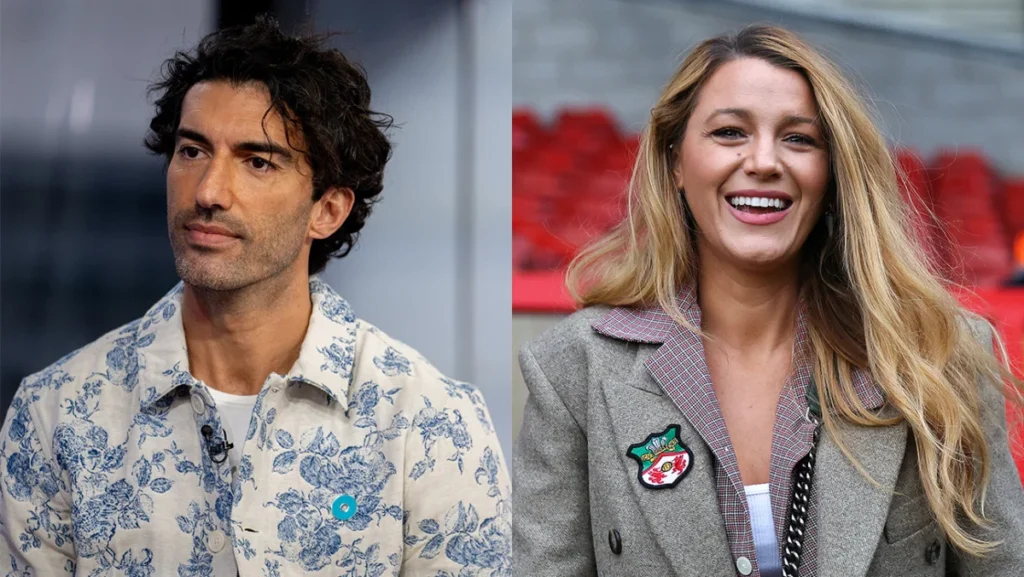

The surprising settlement earlier this week of the protracted sexual harassment lawsuit stemming from the production of the blockbuster film It Ends With Us has spared Blake Lively and Justin Baldoni a contentious courtroom drama, yet it has undeniably ushered them into a different kind of trial: one fought in the unforgiving court of public opinion and industry perception. While the legal skirmishes between the actress and the actor-director have concluded, the arduous task of rehabilitating their respective careers in Hollywood has only just begun, casting a long shadow over their recent professional triumph.
The Legal Battle Concludes: A Surprise Resolution
The legal imbroglio, which saw Blake Lively and Justin Baldoni entangled in a web of lawsuits and countersuits, reached an unexpected resolution, averting what many anticipated would be a high-profile and potentially damaging trial. The dispute was not centered on the financial success or creative credits of It Ends With Us, a romantic drama that Lively led and produced, and Baldoni directed, produced, and co-starred in. Instead, the core of the conflict lay in the tumultuous behind-the-scenes dynamics during the film’s production, specifically concerning accusations of sexual harassment leveled against Baldoni and allegations of smear campaigns from both parties.
It Ends With Us, released in 2024, proved to be a significant commercial success, grossing an impressive $351 million globally against a modest budget of $25 million. This financial triumph, however, has been overshadowed by the bitter legal feud that followed, which saw both Lively and Baldoni exchanging accusations of professional misconduct and personal attacks. The settlement, the specific terms of which remain undisclosed, effectively closed the chapter on the formal legal proceedings, allowing both parties to avoid the further public scrutiny and reputational damage that a prolonged trial would have inevitably entailed. However, the shadow cast by the allegations and the public nature of the dispute persists, leaving a discernible mark on their professional standing.
Industry Repercussions: A Collective Assessment
Immediately following the settlement, a prevailing sentiment emerged from an informal survey conducted by The Hollywood Reporter among a wide array of agents, producers, studio executives, and casting directors. The consensus was stark and uncompromising: both Lively and Baldoni face significant hurdles in re-establishing their careers. "They’re in jail. Both of them," remarked one high-ranking studio executive, a sentiment echoed repeatedly throughout the industry.
This assessment, while severe, reportedly did not diminish the recognition of either individual’s talent, which is evident in their past work. Rather, it reflected the profound damage inflicted by a protracted legal and public relations battle, where even a "pyrrhic victory" — a settlement reached after immense cost and struggle — offered little solace. The industry, particularly in the post-#MeToo era, has become increasingly sensitive to allegations of misconduct and contentious working environments. "Who wants to work with people that go this far?" questioned the same studio executive, highlighting a palpable reluctance within Hollywood to engage with talent embroiled in such public and acrimonious disputes.
Casting director Matthew Barry, known for his work on acclaimed films such as The Notebook and Rush Hour, succinctly summarized the immediate outlook: "They’re both in for a tough time." Barry drew parallels to the careers of Johnny Depp and Amber Heard, whose highly publicized and acrimonious divorce led to a lengthy hiatus from major studio work for both. While Depp is set to star in Paramount’s forthcoming Ebenezer: A Christmas Carol, marking his first significant studio film since 2018, Heard has largely remained out of the Hollywood spotlight, illustrating the long-lasting and often gender-disparate consequences of such public feuds.
Blake Lively’s Path Forward: Brand Rehabilitation and Strategic Choices
Among the industry insiders surveyed, there was a general agreement that Blake Lively, despite the considerable damage to her brand, likely faces an easier path to career rehabilitation compared to Baldoni. Her established career, which includes notable roles in Gossip Girl, The Shallows, and A Simple Favor, provides a foundation upon which to rebuild. However, the consensus is that her immediate strategy must be one of deliberate introspection and careful re-entry.
Many suggest that Lively should take a significant break from the public eye to allow the furor to subside. "Be thoughtful about what part she chooses next," advised an executive with prior experience navigating controversies involving high-profile talent. The nature of her next project will be critical in shaping public perception and demonstrating a commitment to moving beyond the recent turmoil. One producer, half-jokingly, offered a bold suggestion: "If I were her, I would do a villain role and lean into the baggage." This unconventional approach, while risky, could potentially allow Lively to reclaim agency over her narrative and channel the negative attention into a compelling performance.
The financial ramifications for Lively are also substantial. Before the lawsuit, some studio executives estimated her potential paydays post-It Ends With Us could have reached $12 million per film, capitalizing on the film’s success and her star power. "Today, she’s worth $3 million," one executive starkly assessed, indicating a drastic reduction in her market value. This estimation aligns with court filings from Lively, where she claimed that the alleged smear campaign had cost her over $100 million in potential earnings, noting she was on track to secure roles with paydays ranging from $10 million to $15 million each. Rebuilding this financial standing will require not only strategic career choices but also a sustained period of positive engagement and performance.
Justin Baldoni’s Uphill Climb: Directorial Future in Question
Justin Baldoni, according to most industry observers, faces a considerably tougher and more complex road to recovery. The allegations of an "unsafe set" environment during the production of It Ends With Us are particularly damaging for a director, as they directly impact the ability to attract and manage talent. "The allegations of an unsafe set, it’s hard to imagine he could cast a movie," stated one studio executive, underscoring the severe implications for his directorial career.
The role of a director inherently demands trust, leadership, and the ability to foster a collaborative and safe creative space. Concerns about a contentious or unsafe set can deter actors, crew members, and even studios from collaborating, making it challenging to secure projects. One casting director predicted that Baldoni might need to return to his roots as a television actor, where he gained prominence as a romantic lead on The CW’s Jane the Virgin. This person expressed doubt that he would be offered directing opportunities in the foreseeable future.
Casting director Jen Rudin, author of Confessions of a Casting Director, believes Baldoni will eventually work again, but acknowledges that being associated with a contentious set will undoubtedly be a "mark against him, at least in the short term." Rudin emphasized a broader industry shift: "We’re at risk with anybody that we hire for anything," she noted regarding the casting process. Her general hiring philosophy reflects a heightened emphasis on professional conduct: "I just want to work with great people, on and off set. Now more than ever, we really need to just be good, kind human beings to each other." This sentiment highlights the increased scrutiny faced by industry professionals, particularly those in positions of power.
Despite these challenges, Baldoni possesses a potential avenue for a comeback: his company, Wayfarer Entertainment. Backed by billionaire Steve Sarowitz, Wayfarer provides Baldoni with the unique ability to potentially self-finance his own projects. "He could bring his own career back, but no one will hire him right now," observed a studio executive, suggesting that while external opportunities may be scarce, his entrepreneurial ventures could provide a pathway to creative output, albeit outside the traditional studio system for the immediate future.
The Ryan Reynolds Factor: Collateral Damage to a Star’s Brand
The ripple effects of the Lively-Baldoni dispute extended even to Ryan Reynolds, Lively’s husband, who was named in Baldoni’s now-dismissed countersuit. Reynolds, a highly bankable star known for his roles in Deadpool and Free Guy, has found his own reputation taking a hit as collateral damage from the contentious legal proceedings.
Several industry sources reported that Apple hesitated for several months in setting a release date for Reynolds’ action-comedy Mayday before finally committing to a September 4 premiere in early February. This delay, whether directly attributable to the legal saga or merely coinciding with it, suggests a degree of caution from major platforms when dealing with talent embroiled in public controversy, even if peripherally.
Reynolds, typically one of Hollywood’s highest-paid actors, could also be staring down a potential pay cut in the immediate future, although a new installment in the highly lucrative Deadpool franchise would likely be an asterisk to this trend, given its established commercial success and fan base. An agency partner suggested that Reynolds could regain goodwill and credibility by opting for a "leaner and scrappier" project as his next movie, rather than another big studio production. "He should do a Van Wilder movie for scale and regain his coolness," the partner quipped, only half-jokingly, alluding to Reynolds’ early career success in independent, character-driven comedies. This approach would allow him to demonstrate artistic integrity and a willingness to step away from his current blockbuster persona, potentially disassociating himself from the recent controversy.
Broader Industry Context: Navigating Controversy and Gender Disparity
The careers of Lively and Baldoni, and the collateral impact on Reynolds, serve as a potent case study in Hollywood’s evolving landscape for managing public controversies. The comparison to Johnny Depp and Amber Heard is particularly illuminating, not just in terms of career pauses but also in highlighting a perceived gender disparity in recovery. One agent pointed out that while Depp is making a comeback in Ebenezer: A Christmas Carol, "You don’t ever hear Amber’s name" when discussing that movie. "It’s easier for men," the agent concluded, reflecting a persistent criticism that women often face harsher and more enduring professional consequences for public scandals compared to their male counterparts.
This observation is not new but gains renewed relevance in the current climate. The industry’s increased focus on set safety, ethical conduct, and fostering inclusive environments, largely spurred by movements like #MeToo, means that allegations of sexual harassment and hostile workplaces carry significant weight. While settlements can resolve legal disputes, they do not necessarily erase the reputational stain, especially when such allegations touch upon deeply held industry values.
Financial Fallout and Reputational Damage: A Lingering Shadow
Beyond the immediate casting and directing opportunities, the financial and reputational damage is a long-term concern. For Blake Lively, the estimated reduction in per-film paydays from $12 million to $3 million represents a substantial loss in potential earnings, potentially totaling tens of millions over several years. Her claims of over $100 million in reputational fallout underscore the profound financial impact of such a public dispute, not just in direct legal costs but in foregone opportunities.
For Justin Baldoni, the ability to secure financing and attract top-tier talent for his projects is directly tied to his reputation. Even with the backing of Wayfarer and Steve Sarowitz, launching independent projects without broader industry support can be an uphill battle, especially if the perception of an "unsafe set" lingers. The financial health of his company and his personal earning potential are inextricably linked to his ability to rebuild trust and demonstrate a commitment to professional conduct.
Conclusion: An Unsettled Future
As Blake Lively and Justin Baldoni navigate the challenging terrain of Hollywood’s post-settlement landscape, their journeys will serve as a bellwether for how the industry handles talent embroiled in high-profile legal and public relations battles. While the courtroom doors have closed, the critical eyes of studios, producers, and audiences remain open, scrutinizing their every move. Their ability to regain the industry’s trust and reclaim their positions will depend not only on their talent but also on their strategic choices, their resilience, and their demonstrated commitment to fostering positive and professional environments in an industry that is increasingly holding its members to account. The path ahead is uncertain, fraught with challenges, and will undoubtedly be a long one for both stars.