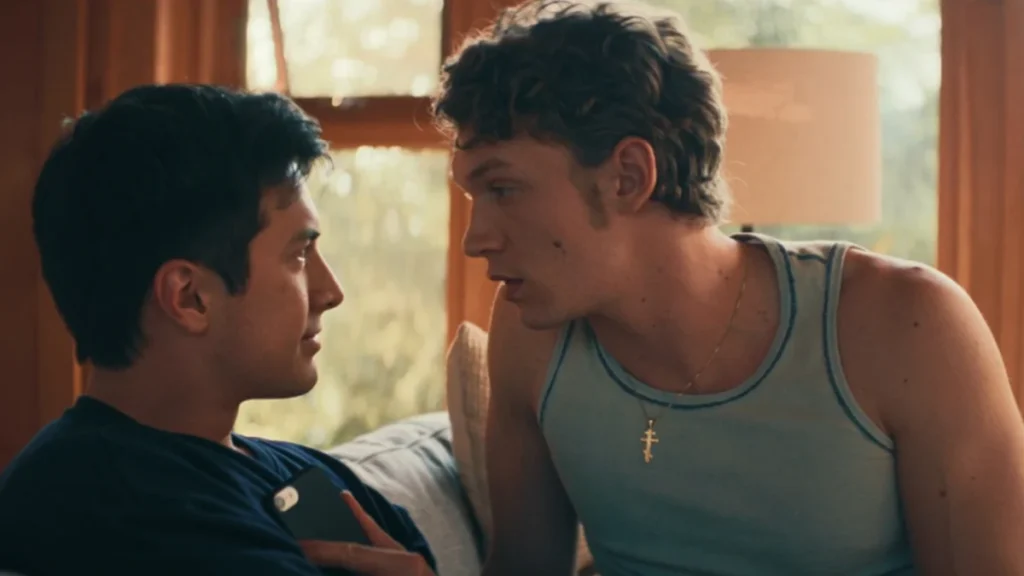

The highly anticipated second season of the television adaptation of Rachel Reid’s beloved hockey romance series, Heated Rivalry, is generating considerable excitement among fans and critics alike. Season 1, which premiered to widespread acclaim, has been lauded for its remarkably faithful portrayal of the source material, a testament to the vision of show creator Jacob Tierney. As anticipation mounts for Heated Rivalry Season 2, all eyes are on Tierney and his team to maintain this high standard of adaptation, particularly as they delve into the narrative of The Long Game, a novel widely considered by many, including publications like Swooon, to be author Rachel Reid’s magnum opus. The success of Season 1 in translating the intricate emotional journeys of protagonists Shane (portrayed by Hudson Williams) and Ilya (played by Connor Storrie) to the screen has set a precedent, fueling optimism for the continuation of their story.
Season 1: A Benchmark for Faithful Adaptation
The first season of Heated Rivalry successfully captured the essence of Reid’s novel, a feat that is not always achieved when adapting literary works for television. The show’s commitment to authenticity resonated deeply with the existing fanbase, many of whom have followed Shane and Ilya’s journey through Reid’s written word. Show creator Jacob Tierney’s evident respect for the source material has been a critical factor in this success. This reverence is crucial, especially when dealing with a story that relies heavily on the internal lives and evolving relationship dynamics of its central characters.
The transition from the intimate perspective of a novel to the visual medium of television inherently presents challenges. While Reid’s novels often provide deep dives into the characters’ inner monologues, offering readers direct access to their thoughts and feelings, the television adaptation must find visual and performative ways to convey these internal states. Season 1 adeptly navigated this by translating moments that might have been mere passing mentions or internal reflections in the book into fully realized, on-screen scenes. This approach allowed for the development of character arcs and the exploration of their burgeoning relationship in a way that felt both natural and compelling to a wider audience, including those unfamiliar with the original books. The success of this translation underscores the skillful work of the writing and production teams in bridging the gap between literary and visual storytelling.
The Long Game: A Narrative Apex and Future Direction
The narrative continuation of Shane and Ilya’s story in The Long Game represents a significant milestone in Rachel Reid’s Heated Rivalry series. This novel is not only a critical part of the overall arc but is often cited as a fan favorite, lauded for its emotional depth and the profound development of the central relationship. Swooon’s designation of The Long Game as Reid’s "magnum opus" further elevates the stakes for the television adaptation. This distinction suggests a narrative that is rich, complex, and potentially more demanding to translate to the screen than previous installments.
Fans are keenly observing whether the creative team behind the Heated Rivalry series will adopt a similar approach to The Long Game as they did with the first season. The expectation is that the same level of care and fidelity will be applied, ensuring that the nuances of Shane and Ilya’s continued journey are honored. This includes preserving the emotional resonance, the character growth, and the pivotal moments that define this particular chapter of their story. The challenge lies in maintaining the integrity of the narrative while still making necessary adjustments for the visual medium, a balance that Season 1 proved the show capable of achieving.
Adapting Literary Nuances for the Screen: Challenges and Triumphs
The process of adapting a beloved book series for television is fraught with both opportunities and inherent challenges. For Heated Rivalry, the creative team has demonstrated a keen understanding of these dynamics. Season 1 provided numerous examples where changes, though perhaps seemingly minor to a casual viewer, served to enhance the storytelling for a visual medium. The absence of internal monologues, a staple of literary fiction, necessitates a re-imagining of how characters’ thoughts and feelings are communicated. This often involves expanding scenes that were brief in the book, using dialogue, body language, and visual cues to convey internal states.
For instance, moments of quiet reflection or unspoken tension in the novel might be transformed into extended scenes of dialogue or subtle interactions between Shane and Ilya on screen. This not only makes the story more accessible to viewers who haven’t read the books but can also add layers of meaning and emotional weight. The show’s ability to translate these internal struggles and burgeoning affections into palpable on-screen chemistry between Hudson Williams and Connor Storrie has been a cornerstone of its success. This visual translation of emotional subtext is a delicate art, and the show’s execution has been widely praised.
The Significance of Rachel Reid’s Work and the Heated Rivalry Series
Rachel Reid’s Heated Rivalry series has carved out a significant niche within contemporary romance literature, particularly within the LGBTQ+ romance subgenre. The series is celebrated for its authentic portrayal of complex relationships, its nuanced character development, and its exploration of themes such as vulnerability, trust, and the challenges of navigating public and private lives. The sports romance element, specifically within the professional hockey world, adds another layer of appeal, offering a dynamic and high-stakes backdrop for the unfolding drama.
The series’ popularity has been amplified by its presence on platforms that cater to a growing demand for diverse and inclusive storytelling. The success of the television adaptation can be seen as a reflection of this broader cultural shift, where audiences are actively seeking out and embracing stories that reflect a wider range of experiences and identities. The Heated Rivalry series, with its focus on a compelling same-sex relationship at its core, has become a touchstone for many readers and viewers, offering representation and aspirational narratives.
Looking Ahead: Expectations for Heated Rivalry Season 2
As production gears up for Heated Rivalry Season 2, the expectations are exceptionally high. Fans are eager to see how the adaptation will tackle the intricate plot points and emotional complexities of The Long Game. The established chemistry between Hudson Williams and Connor Storrie is a vital asset, and their continued portrayal of Shane and Ilya is crucial for the series’ success. The anticipation is not just for the continuation of the romance but also for the exploration of the challenges and triumphs that lie ahead for the couple.
The success of Season 1 has provided a solid foundation, demonstrating the creative team’s ability to honor the source material while effectively translating it for a visual medium. The question now is whether this high level of fidelity and skillful adaptation will be sustained as the series delves into what is widely regarded as the most significant narrative arc of the Heated Rivalry saga. The critical reception and fan engagement surrounding Season 1 suggest a strong desire for a continuation that respects the literary integrity of Rachel Reid’s work, while also providing a compelling and engaging television experience.
Supporting Data and Industry Context
The success of romantic dramas, particularly those with diverse representation, has been a growing trend in the television landscape. Platforms that host such content have seen significant engagement. For example, streaming services have reported a surge in viewership for LGBTQ+ focused content, indicating a robust and growing audience base. The Heated Rivalry series taps directly into this demand, offering a narrative that is both timely and deeply resonant.
The average production budget for a streaming series can range from millions to tens of millions of dollars per season, depending on the scope and ambition of the project. The quality of the adaptation of Heated Rivalry Season 1, with its professional production values and strong performances, suggests a significant investment, which is likely to continue for Season 2. This investment reflects the industry’s recognition of the commercial viability and cultural significance of such narratives. The continued success of the series will likely depend on its ability to maintain critical acclaim, strong viewership numbers, and positive social media engagement, all of which were evident after Season 1.
Broader Implications and Future of the Series
The continued success of the Heated Rivalry television adaptation holds broader implications for the representation of LGBTQ+ relationships in mainstream media. By faithfully adapting a popular book series that centers on a same-sex couple, the show contributes to the normalization and broader acceptance of such narratives. This can inspire further investment in similar projects and encourage more diverse storytelling across the industry.
The potential for future seasons, drawing from other novels in Rachel Reid’s bibliography, also remains a significant point of interest. The Heated Rivalry universe is rich with characters and storylines that could translate well to the screen, potentially expanding the franchise and further solidifying its place in popular culture. The careful and respectful approach taken thus far by showrunner Jacob Tierney and his team will be crucial in determining the long-term trajectory and impact of the Heated Rivalry series. The commitment to adapting The Long Game with the same level of integrity that defined Season 1 will be a key indicator of its continued promise.