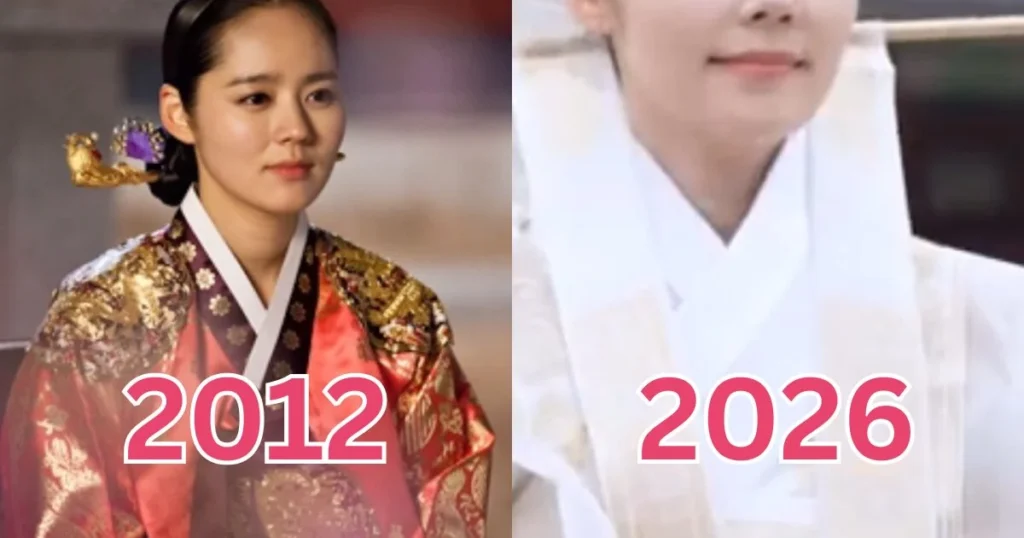

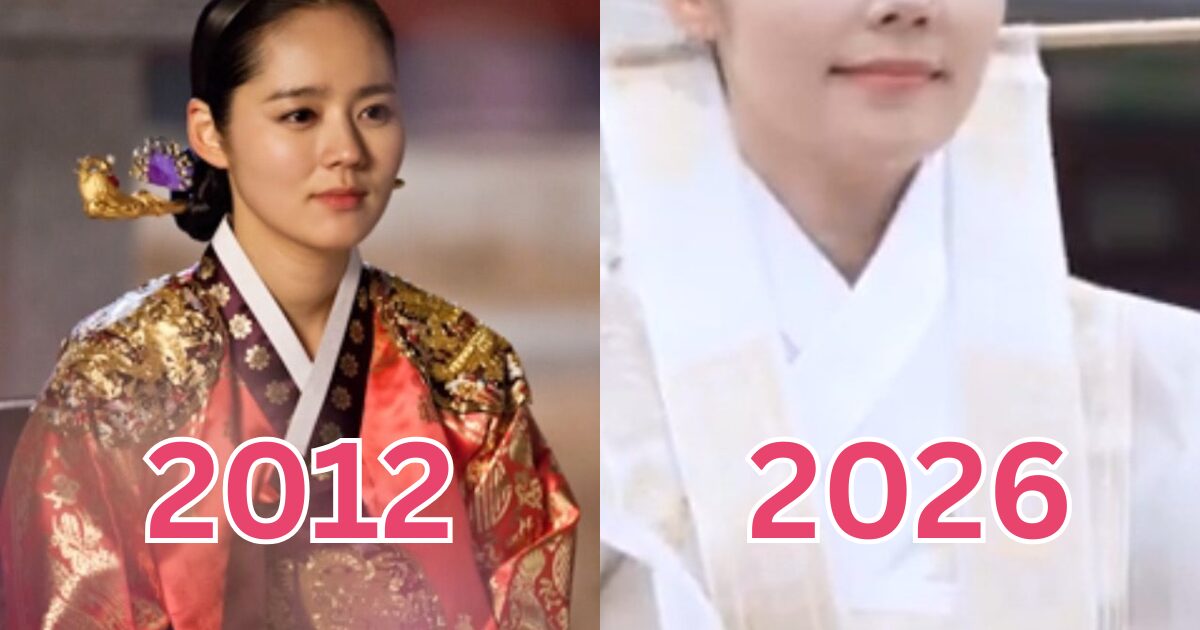
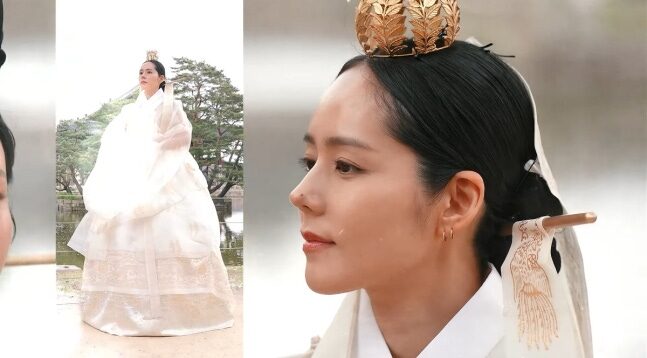
South Korean actress Han Ga In has sparked a significant wave of nostalgia and public interest following her recent appearance at Gyeongbokgung Palace, where she donned a traditional royal hanbok. The visit, which was documented for her official YouTube channel, served as a deliberate homage to her career-defining role in the 2012 MBC historical drama, The Moon Embracing the Sun. Dressed in the elaborate attire of a Joseon-era queen, the actress drew massive crowds and went viral across multiple social media platforms, highlighting the enduring legacy of one of South Korea’s most successful television productions.
The event was not merely a casual outing but a curated response to the persistent requests from her domestic and international fanbase. Since launching her digital presence, Han Ga In has engaged more directly with her audience, many of whom expressed a desire to see her return to the "sageuk" (historical drama) aesthetics that first cemented her status as a Hallyu icon. The resulting footage and photographs have reignited discussions regarding the cultural impact of historical dramas and the timelessness of traditional Korean fashion.
The Cultural Context of a Royal Return
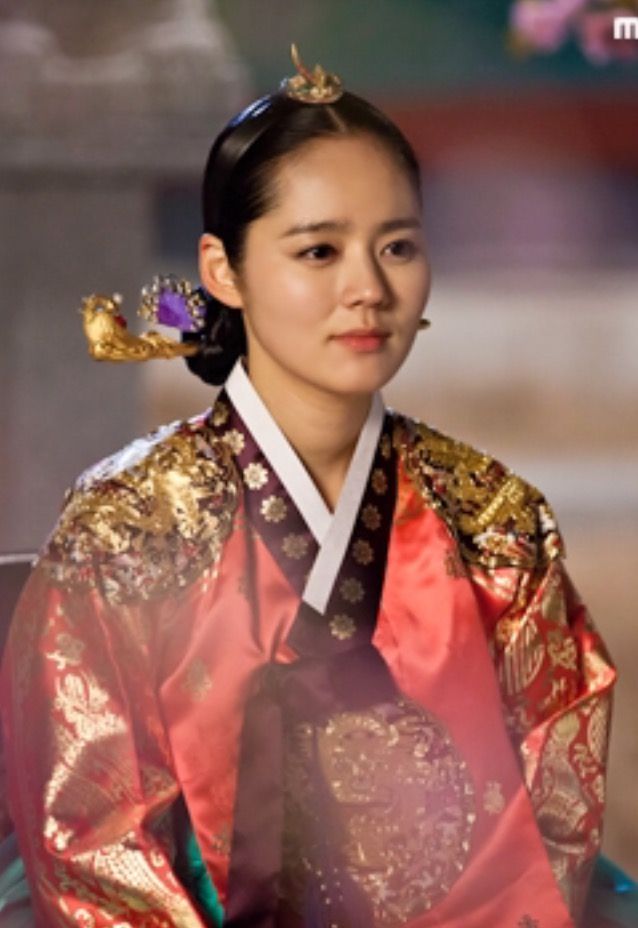
The primary motivation behind the palace visit, as explained by Han Ga In in her video, was to fulfill a decade-long "wardrobe regret" from her time filming The Moon Embracing the Sun. In the drama, which reached a staggering peak viewership rating of 42.2%, Han Ga In played the role of Heo Yeon-woo, a noblewoman who becomes the Crown Princess but is later presumed dead. She returns years later as a shaman named Wol, having lost her memories.
Due to the narrative constraints of her character being a shaman for the majority of the series, Han Ga In spent most of the production wearing the simplified, humble garments associated with the lower social classes of the Joseon Dynasty. It was only in the final episodes that her character regained her status as the Queen. Han Ga In noted that while her co-stars frequently wore the vibrant and ornate silks of the royal court, she often felt she missed the opportunity to fully showcase the grandeur of the era’s high-fashion heritage.
By visiting Gyeongbokgung Palace in a "dangui" (a semi-formal jacket for royalty) and a "dae-cheol" (grand ceremonial robe) adorned with intricate gold leaf patterns, the actress effectively completed the visual journey of her character, Heo Yeon-woo. The choice of Gyeongbokgung, the main royal palace of the Joseon Dynasty, provided an authentic backdrop that blurred the lines between historical fiction and contemporary reality for onlookers.

Chronology of the Event and Production Details
The project began with a meticulous styling process. Han Ga In collaborated with traditional hanbok artisans to ensure that the garments were historically accurate and reflected the status of a queen. The ensemble included the "binyeo" (traditional hairpins), "norigae" (decorative pendants), and the "jjokjin meori" (braided bun) hairstyle, which are essential components of high-ranking Joseon female attire.
Upon arriving at Gyeongbokgung Palace, the atmosphere reportedly shifted as tourists and locals alike recognized the actress. The timeline of the visit was as follows:
- Preparation and Styling: Han Ga In underwent several hours of traditional styling to replicate the look of a Joseon monarch. She expressed excitement about finally wearing the "Hwarot" (wedding robe) and other high-status garments that were absent from her previous acting roles.
- Arrival at Gyeongbokgung: The actress entered the palace grounds through the main gates, immediately drawing the attention of the public.
- Interaction with Tourists: Despite the heavy security and production crew, Han Ga In engaged with visitors. Reports indicate that she received numerous photo requests from international tourists who recognized her from the drama, which remains a staple on global streaming platforms like Netflix and Viki.
- Content Creation: The visit was filmed for her YouTube channel, focusing on the education of hanbok culture and the personal significance of the location.
- Viral Dissemination: Within hours of the visit, images surfaced on community portals such as theqoo and Nate Pann, with netizens praising her "unchanging visuals" and the "regal aura" she maintained nearly 14 years after the drama’s original airing.
Statistical Impact of The Moon Embracing the Sun
To understand the magnitude of the reaction to Han Ga In’s palace visit, one must look at the historical data surrounding The Moon Embracing the Sun. The drama is categorized as a "national drama" in South Korea, a title reserved for shows that exceed a 40% viewership rating.
- Viewership Peak: 42.2% (Episode 20).
- Average Viewership: 33.0%.
- Awards: The series won "Best Drama" at the 48th Baeksang Arts Awards and multiple MBC Drama Awards.
- Global Reach: The series was exported to over 20 countries, generating millions of dollars in revenue and significantly boosting tourism to sites like Gyeongbokgung and the Korean Folk Village.
The drama’s success was attributed to the chemistry between Han Ga In and her co-star Kim Soo-hyun, as well as the high production value of the costumes and sets. Han Ga In’s return to this aesthetic serves as a powerful marketing tool for both her personal brand and Korean cultural tourism.
Implications for K-Heritage and Tourism
Han Ga In’s appearance at the palace coincides with a broader movement by the South Korean government and the Cultural Heritage Administration to promote "K-Heritage." In recent years, the practice of wearing hanbok to palaces has become a major tourist attraction, with the government offering free admission to Gyeongbokgung, Changdeokgung, and other historical sites for those dressed in traditional attire.
Industry analysts suggest that celebrity-led initiatives, such as Han Ga In’s YouTube content, provide a significant boost to these cultural policies. When a high-profile figure showcases the beauty of the hanbok in its most authentic form, it elevates the perception of the garment from a historical relic to a living piece of art. This "celebrity endorsement" of heritage sites often leads to an uptick in foot traffic and a renewed interest in traditional crafts among younger generations.
Furthermore, the visit highlights the shift in how veteran actors manage their public personas. By transitioning into the digital space, Han Ga In is able to leverage her past successes while controlling her own narrative. This move allows her to bridge the gap between the "unreachable" star of the 2010s and the relatable content creator of the 2020s.
Public and Industry Reactions
The reaction from the entertainment industry has been overwhelmingly positive. Colleagues and production staff from her previous projects have noted that her ability to carry the weight of traditional attire is a rare skill. A representative from a prominent hanbok design house commented, "The way Han Ga In carries herself in a dangui is a masterclass in poise. She understands that the hanbok is not just a costume, but a representation of social order and grace."
On social media, the sentiment was echoed by fans:
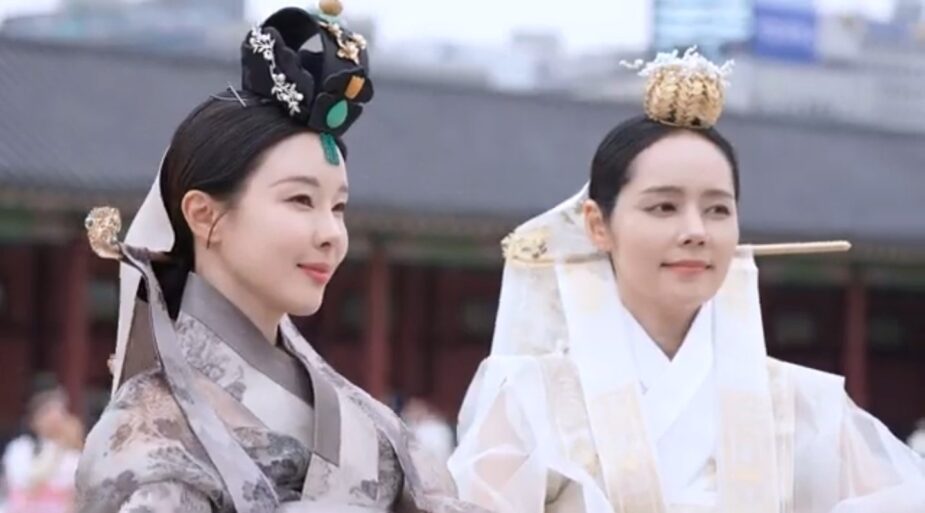
- "It feels like the drama never ended. She looks exactly the same as she did in 2012."
- "Finally, Queen Yeon-woo has returned to her rightful place in the palace."
- "This is the best promotion for Gyeongbokgung Palace. I want to visit and wear a hanbok now."
From a journalistic perspective, the event demonstrates the "long-tail" effect of successful K-dramas. Even a decade after a show concludes, its imagery and characters remain potent symbols in the public consciousness, capable of generating significant social media engagement and cultural discourse.
Future Outlook for Han Ga In and K-Content
As Han Ga In continues to expand her digital footprint, the success of this palace visit suggests a strong market for content that blends entertainment with cultural education. Moving forward, the actress is expected to explore more facets of Korean tradition, potentially collaborating with artisans and historians to bring more "K-Culture" to her global audience.
In the broader context of the Hallyu wave, this event serves as a reminder of the foundational dramas that built the global audience South Korea enjoys today. While modern hits like Squid Game and The Glory dominate current headlines, the "classic" period dramas continue to provide a deep reservoir of nostalgia and cultural pride. Han Ga In’s visit to Gyeongbokgung is a testament to the enduring power of a well-told story and the timeless elegance of the Joseon era, proving that some roles and some styles never truly fade from the spotlight.