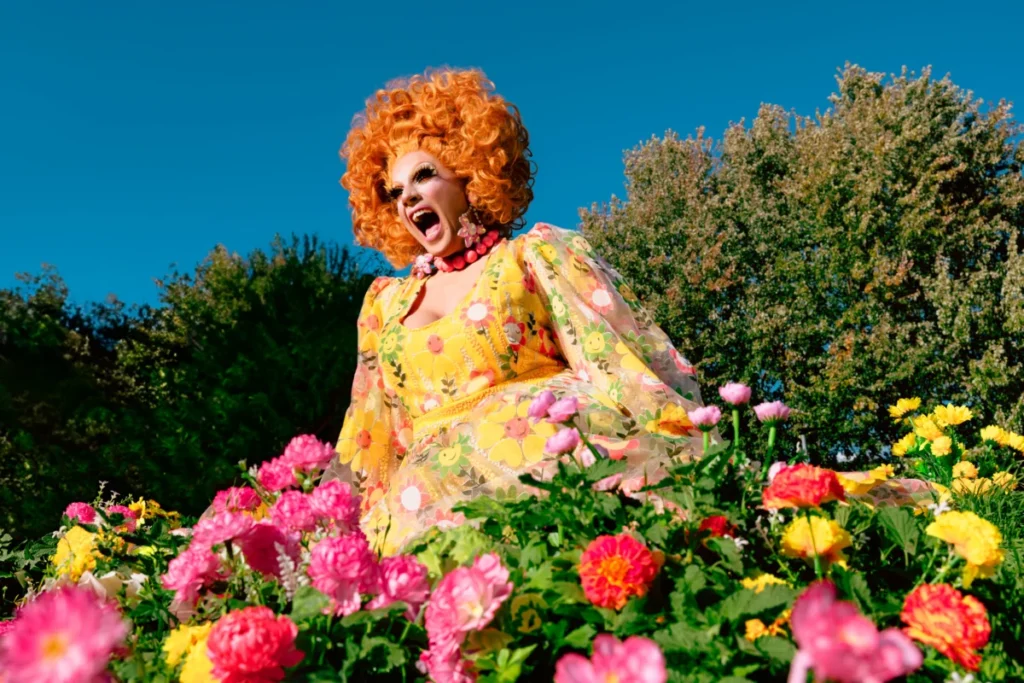

The announcement that the BBC will cease production of the British iteration of the global phenomenon RuPaul’s Drag Race marks a significant shift in the landscape of queer television in the United Kingdom. Following eight seasons of competition, the national broadcaster cited “significant financial pressures” as the primary driver behind the decision to axe the series, a move that has sent ripples through the entertainment industry and sparked a broader debate regarding the role of public service media in representing marginalized communities.
A Timeline of a Cultural Phenomenon
RuPaul’s Drag Race UK first premiered in 2019, arriving at a time when the American format had already achieved cult status globally. The show provided a platform for British drag performers to showcase their unique blend of camp, comedy, and high-fashion aesthetics. Over the course of eight seasons, the show became a fixture on BBC Three, featuring a high-profile panel of judges, including RuPaul, Michelle Visage, Graham Norton, and Alan Carr.
The series served as a launchpad for dozens of performers, including The Vivienne, Baga Chipz, Danny Beard, and Ginger Johnson. Its departure comes just days after the eighth season premiered, catching many fans and industry insiders off guard. While the show will continue to exist on the streaming platform WOW Presents Plus, the transition from a national, free-to-air broadcaster like the BBC to a niche subscription service represents a major contraction in the show’s reach.
Ginger Johnson on the Loss of Mainstream Visibility
Ginger Johnson, the Season 5 winner—whose real name is Donald Marshall—offered a measured critique of the decision. Speaking on the cultural impact of the series, she noted the inherent tension between her gratitude for the platform the BBC provided and her concern for the future of LGBTQ+ visibility on mainstream television.

"I’m feeling two ways about it," Johnson stated. "I’m immensely grateful that it has happened and that we have had Drag Race UK and that it’s been on the BBC. I think the impact that it has had on the culture and on the art form will last for a very, very, very long time. But at the same time, it is quite sad that that representation isn’t going to be there in the mainstream in British culture anymore."
For Johnson, the loss is not merely about a television program being cancelled; it is about the erasure of a specific type of storytelling from the public consciousness. She emphasized that the "real magic" of the show, hidden behind the high-production costumes and musical performances, was the opportunity for queer individuals to articulate their own lived experiences to a national audience.
The Financial Pressures Facing Public Broadcasting
The BBC’s decision to drop the show is symptomatic of the broader financial challenges currently facing the corporation. In recent years, the BBC has been forced to make deep budget cuts across its channels to contend with a frozen license fee, rising production costs, and a shifting media landscape where audiences are increasingly migrating to on-demand platforms.
While BBC Three has historically been the home for youth-oriented and diverse programming, the channel has faced constant scrutiny over its budgetary allocations. The axing of a high-profile, production-heavy series like Drag Race UK suggests that the broadcaster is prioritizing internal cost-saving measures over maintaining long-running, non-news or non-drama franchises that, while culturally significant, carry high price tags.
Implications for Representation and Queer Media
The impact of this decision on the LGBTQ+ community is multifaceted. For many young queer people, the presence of drag on the BBC functioned as a normalizing force. Johnson, reflecting on her own upbringing, suggested that such visibility could have fundamentally altered her own experience with identity.

"I know that if that kind of representation had been around when I was that age, I might not have struggled with a lot of the feelings of shame and isolation seeing my place in the world and in society," she said.
From a sociological perspective, the movement of the show to a subscription-only platform creates a “ghettoization” of queer content. By moving from a public broadcaster to a niche digital platform, the audience for drag becomes self-selecting—composed largely of existing fans rather than a broad, mainstream audience that might encounter the art form by chance while channel-surfing. This effectively limits the potential for drag to act as a bridge for social understanding among those outside the LGBTQ+ community.
Supporting the Art Form in the Real World
Despite her concerns, Johnson is urging fans to remain proactive. She argues that the removal of the show from the BBC does not signal the death of the art form, but rather a pivot in how it must be supported.
"My advice to people that love drag and want to continue to support it is to get out there in the real world and experience it," she advised. "You know, it might not be quite as comfortable as sitting on your sofa and watching Drag Race, but you’ll certainly get a deeper and richer understanding of the art form by doing that."
Johnson’s own career trajectory serves as a testament to the transformative power of the platform. Since winning Season 5, her career has expanded far beyond the small, underground basement bars where she cut her teeth. Her success—including winning Celebrity MasterChef—highlighted the potential for drag performers to transition into the broader entertainment ecosystem. She remains committed to live performance, currently touring her show Show Pony, which centers on themes of childhood innocence and reconnection, a project she hopes will offer audiences a sense of wonder in an increasingly volatile global climate.

Looking Ahead: The Future of British Drag
The departure of Drag Race UK from the BBC leaves a vacuum in the British television schedule. While other networks may eventually seek to fill the void with their own queer-focused programming, the reach and prestige of the BBC brand will be difficult to replicate.
Industry analysts suggest that the decision reflects a broader trend in television: as budgets tighten, broadcasters are opting for lower-risk, lower-cost content. This, however, risks alienating the diverse demographics that the BBC is legally and ethically mandated to serve. As the dust settles on the announcement, the focus for the queer community is likely to shift toward independent theater, grassroots venues, and digital platforms that operate outside the influence of traditional broadcast media.
For now, performers like Ginger Johnson are calling on the public to acknowledge that the value of drag lies not in its presence on a television screen, but in the talent, resilience, and creativity of the performers themselves. While the "mainstream" window may be closing, the art form, as Johnson notes, "always finds a way."
The final seasons of the show on the BBC will likely be viewed as a definitive chapter in British pop culture, leaving behind a legacy that transformed the career paths of hundreds of performers and provided a decade of visibility that, for many, was life-changing. Whether that visibility can be sustained in the absence of a national, state-funded platform remains the central question for the future of British queer arts.