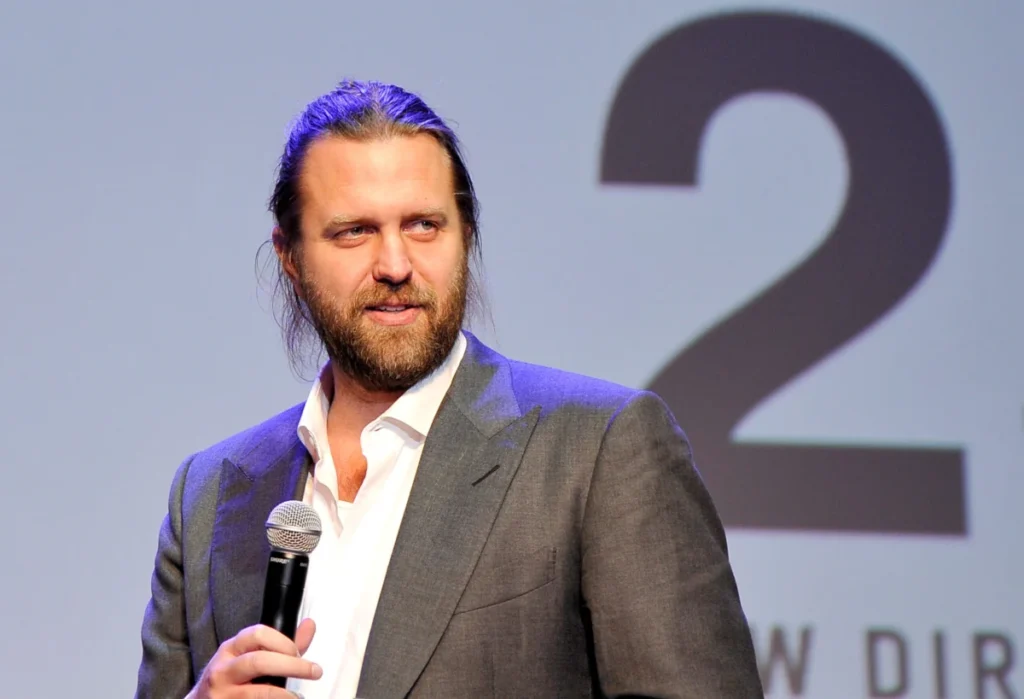

Filmmaker Carl Erik Rinsch, known for directing the 2013 Keanu Reeves-starring samurai epic 47 Ronin, was sentenced on Monday to 30 months in federal prison for orchestrating an elaborate scheme to defraud streaming giant Netflix out of $11 million. The funds were initially earmarked for a grand science fiction series titled White Horse, which Rinsch never delivered. The sentencing, handed down by U.S. District Judge Jed Rakoff in Manhattan, followed a jury’s conviction last year on charges of wire fraud, money laundering, and multiple counts related to engaging in illegal monetary transactions. In addition to the prison term, Rinsch was ordered to serve three years of supervised release and must pay Netflix $11 million in restitution, reflecting the full amount of the defrauded funds.
The Genesis of a Grand Project: White Horse
The saga began in 2018 when Netflix, in its aggressive expansion phase and pursuit of original content, entered into a lucrative agreement with Rinsch. The deal centered around White Horse, an ambitious, large-scale science fiction series that Rinsch was set to write and direct. Netflix initially invested a substantial $44 million into the project, a testament to the streamer’s confidence in Rinsch’s vision, despite his previous film, 47 Ronin, having been a critical and commercial disappointment. The initial $11 million payment was intended as development funds, allocated for pre-production, script refinement, concept art, and assembling a creative team. Such upfront investments are common in Hollywood, providing creators with the necessary capital to bring complex projects to fruition. However, this particular allocation of funds would ultimately become the core of the criminal charges.
Rinsch’s reputation in the industry was complex. While 47 Ronin struggled, he had a background in commercials and short films that showcased a distinctive visual style, earning him a reputation as a visionary, albeit sometimes challenging, talent. This combination of perceived potential and a major streamer’s hunger for content created the perfect storm for a high-stakes, high-risk endeavor like White Horse. Netflix’s strategy at the time involved empowering creators with significant budgets, sometimes with less oversight than traditional studios, in a bid to attract top-tier talent and distinctive projects. This operational approach, while fostering creativity, also inadvertently created vulnerabilities, as this case starkly illustrates.
Diverted Funds and Financial Speculation
Instead of diligently applying the $11 million to the White Horse project, federal prosecutors revealed that Rinsch systematically diverted the funds into highly speculative and risky securities trades. These investments included positions in various stock market securities and, notably, a significant portion in cryptocurrency markets, which were experiencing volatile swings during the period in question. The prosecution detailed how Rinsch treated Netflix’s development budget as his personal investment portfolio, leveraging the company’s capital for private gain rather than project advancement.
The director reportedly saw considerable profits from some of these initial trades. However, instead of returning the gains to the White Horse production budget or even liquidating them to mitigate risks, Rinsch used these profits to finance an extravagant lifestyle and pursue further personal ventures. Evidence presented during the trial showcased a pattern of lavish spending, including the purchase of luxury automobiles, high-end watches, and substantial investments in private jets and real estate. This profligate spending directly contradicted the purpose of the Netflix funds and formed a critical component of the money laundering charges, as Rinsch was accused of obscuring the illicit origins of the money through these purchases.
As the White Horse project languished, with little to no tangible progress despite the substantial initial investment, Netflix grew increasingly concerned. The lack of deliverables, coupled with Rinsch’s increasingly erratic communication and demands for further funding, eventually triggered an internal investigation by the streaming service.
Legal Battles and Arbitration
In an audacious move, even as the White Horse project remained unproduced and the initial $11 million effectively vanished from its intended purpose, Rinsch initiated a lawsuit against Netflix. He demanded an additional $14 million, claiming that the company was contractually obligated to provide further payments to complete the series. This legal maneuver, prosecutors argued, was an attempt to strong-arm Netflix into injecting more money into a project that Rinsch had already compromised, all while providing a veneer of legitimacy to his ongoing financial demands.
Netflix vehemently disputed Rinsch’s claims, asserting that he had failed to meet his contractual obligations and had misused the initial funds. The dispute proceeded to arbitration, a common method for resolving contractual disagreements in the entertainment industry outside of traditional court proceedings. Last year, the arbitrator ruled decisively against Rinsch, confirming Netflix’s position that he had breached the agreement and was not entitled to any further payments. This ruling was a significant setback for Rinsch and paved the way for the criminal charges that would follow.
Federal Investigation and Conviction
Following the arbitration ruling and Netflix’s internal findings, federal authorities launched a comprehensive investigation into Rinsch’s financial dealings related to the White Horse project. The investigation culminated in Rinsch’s indictment on charges of wire fraud, money laundering, and engaging in illegal monetary transactions. Wire fraud charges typically apply when someone uses electronic communications (like emails or wire transfers) as part of a scheme to defraud. Money laundering charges address the act of concealing the origins of illegally obtained money, often through a series of transactions or purchases designed to make the funds appear legitimate.
During the trial, federal prosecutors laid out a meticulous case, presenting evidence of Rinsch’s financial transactions, his communications with Netflix, and the conspicuous absence of any substantial work on White Horse. The Manhattan jury ultimately found Rinsch guilty on all counts, concluding that he had intentionally defrauded Netflix and engaged in a deliberate scheme to misuse company funds for personal enrichment. The conviction exposed the gravity of Rinsch’s actions and the potential legal ramifications for individuals who breach contractual and ethical obligations in the entertainment industry.
Sentencing Phase: Mental Health and Judicial Discretion
The sentencing phase brought forth a complex interplay of criminal accountability and mitigating factors, particularly concerning Rinsch’s mental health. Federal prosecutors had recommended a 60-month (five-year) prison sentence, arguing for a significant deterrent effect given the scale of the fraud and the deliberate nature of Rinsch’s actions. The maximum statutory penalty Rinsch faced was a staggering 90 years, underscoring the severity of the charges.
However, U.S. District Judge Jed Rakoff ultimately issued a sentence on the lower end of the sentencing guidelines, opting for 30 months. This decision was notably influenced by newly presented evidence pertaining to Rinsch’s mental health. During the sentencing hearing, Judge Rakoff acknowledged the emergence of an untreated mental health condition, stating, "The perhaps improper medication Mr. Rinsch received may have played a role." Despite this consideration, the judge underscored that Rinsch’s deliberate deceit remained paramount: "But he was determined to lie to get substantial moneys from Netflix, cover it up through money laundering and lies. That was brought home to the court by his testimony. So, prison is required." This statement highlighted the court’s challenge in balancing accountability for criminal acts with an understanding of underlying psychological factors.
U.S. Attorney Jay Claton issued a firm statement following the sentencing, emphasizing the broader message of the court’s decision: "Today’s sentence sends a deterrent message: fraud will not be tolerated." This official response underscored the government’s commitment to prosecuting financial crimes, particularly those involving significant sums and breaches of trust within corporate dealings.
Testimonies on Rinsch’s Mental State
The court received multiple letters and testimonies from individuals close to Rinsch, shedding light on a significant decline in his mental state preceding and during the period of the fraud. These accounts played a crucial role in shaping the judge’s sentencing decision.
Daniel Rinsch, the director’s brother, wrote a poignant letter to the court detailing observable changes in his brother’s behavior. "Beginning in 2019, family members, friends, and colleagues observed significant changes in his thinking, communication and behavior," Daniel Rinsch stated. He further elaborated, "By late 2019, the toll on Carl’s psyche was clear. His emails had become strange and troubling, suggesting that he was no longer reasoning clearly." These observations coincided directly with the period when Rinsch was diverting funds and engaging in speculative trades.
Mike Seid, a screenwriter who had known Rinsch since childhood, corroborated these concerns, pointing to specific social media posts from 2020. In these posts, Rinsch made extraordinary claims, including assertions that he had solved aspects of the COVID-19 pandemic. Seid also recounted conversations where Rinsch claimed to be able to communicate with "divine forces," indicating a clear departure from reality.
Jesse Warfield, Rinsch’s former assistant, provided another compelling account. Warfield described witnessing a profound shift in Rinsch’s demeanor and cognitive function. "What I was witnessing was not eccentricity or stress. It seemed like a break from reality, and I believe that break was at the root of everything that followed," Warfield wrote. These collective testimonies painted a picture of a man experiencing severe mental health deterioration, which, while not excusing his criminal actions, provided context for his increasingly irrational and self-destructive behavior.
Keanu Reeves’ Plea for Leniency
Perhaps one of the most high-profile interventions came from actor Keanu Reeves, who had starred in Rinsch’s 47 Ronin. Reeves submitted a letter to the court urging leniency for his former collaborator. While acknowledging his lack of professional expertise in mental health, Reeves offered a perspective rooted in his long-standing artistic and personal relationship with Rinsch. "I am, of course, not a therapist or psychologist. I write instead as an artistic peer of Carl’s, and as a friend," Reeves’ letter began.
Reeves’ insight into Rinsch’s professional tendencies offered a unique angle: "In my opinion, Carl can self-sabotage by amplifying the scale, scope and landscape of what had been negotiated, accordingly placing himself and his counterparties at odds." This observation suggested a pattern of behavior where Rinsch’s ambitious vision, coupled with a propensity to overextend commitments, could lead to conflicts and ultimately undermine his projects. While not directly addressing the fraud, Reeves’ letter hinted at an underlying psychological dynamic that might contribute to Rinsch’s difficulties in managing large-scale productions and financial responsibilities.
Broader Implications for the Entertainment Industry
The Carl Erik Rinsch case sends a potent message throughout the entertainment industry, particularly to streaming platforms and content creators. For Netflix and other major streamers that have invested billions in original content, the case underscores the critical importance of robust financial oversight and contractual enforcement. The initial period of rapid expansion in streaming saw many companies prioritizing talent acquisition and content volume, sometimes with less stringent financial controls than traditional studios. This case serves as a stark reminder of the financial risks inherent in such ventures when trust is misplaced.
The $11 million restitution order, coupled with Netflix’s pursuit of an additional $4.4 million in legal fees incurred during the protracted litigation, highlights the substantial financial and operational costs associated with such fraud. Beyond the immediate monetary loss, such incidents can damage a company’s reputation, erode trust with other creators, and necessitate more complex and potentially restrictive contractual agreements in the future.
This case may lead to a re-evaluation of how development funds are disbursed and monitored, with a potential shift towards milestone-based payments, stricter auditing requirements, and more detailed reporting obligations for creators. It also puts the spotlight on the intersection of creative ambition, financial responsibility, and mental well-being in high-pressure industries. While Rinsch’s mental health condition was a mitigating factor in his sentencing, the court firmly established that it did not absolve him of criminal culpability for his actions. The verdict and sentence reinforce the principle that even in the often-unconventional world of Hollywood, fundamental legal and ethical boundaries must be respected, and fraud, regardless of its underlying causes, will be met with severe consequences. The industry will undoubtedly watch for the long-term impact of this ruling on how talent is managed and how large-scale creative projects are financed and brought to fruition.