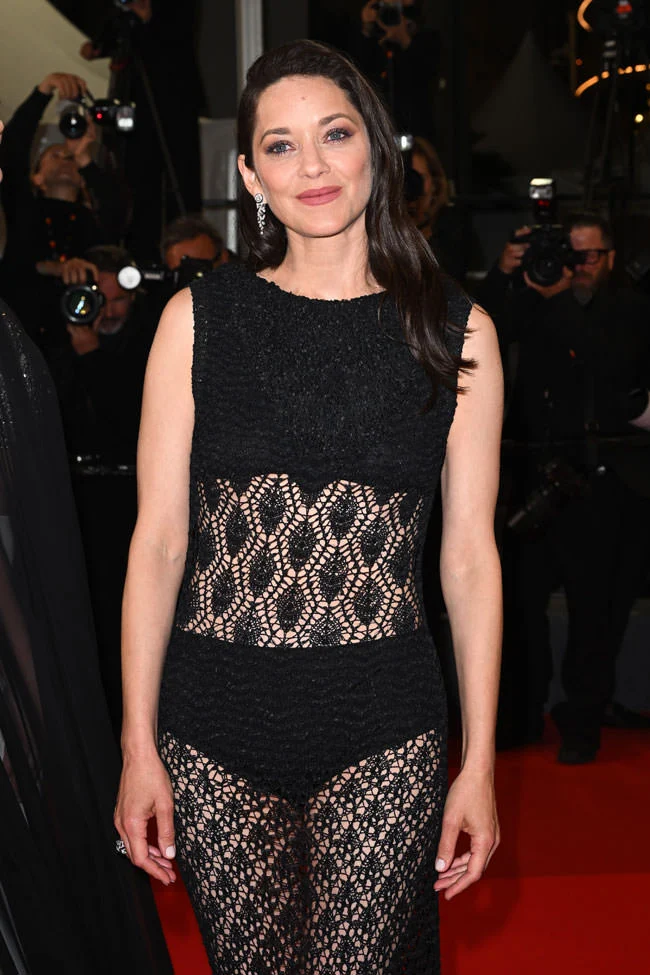

The 79th annual Cannes Film Festival reached a definitive stylistic peak during the premiere of "Roma Elastica," a highly anticipated science-fiction feature directed by Bertrand Mandico. Among the luminaries gracing the red carpet at the Palais des Festivals, Academy Award winner Marion Cotillard commanded significant attention, appearing in a custom Chanel ensemble that challenged traditional gala attire. As a long-standing ambassador for the French luxury house, Cotillard’s presence at Cannes has historically served as a showcase for the brand’s haute couture and artisanal capabilities. However, her choice for the "Roma Elastica" screening represented a departure from classic silhouettes, leaning instead into a contemporary exploration of texture, transparency, and artisanal crochet work.
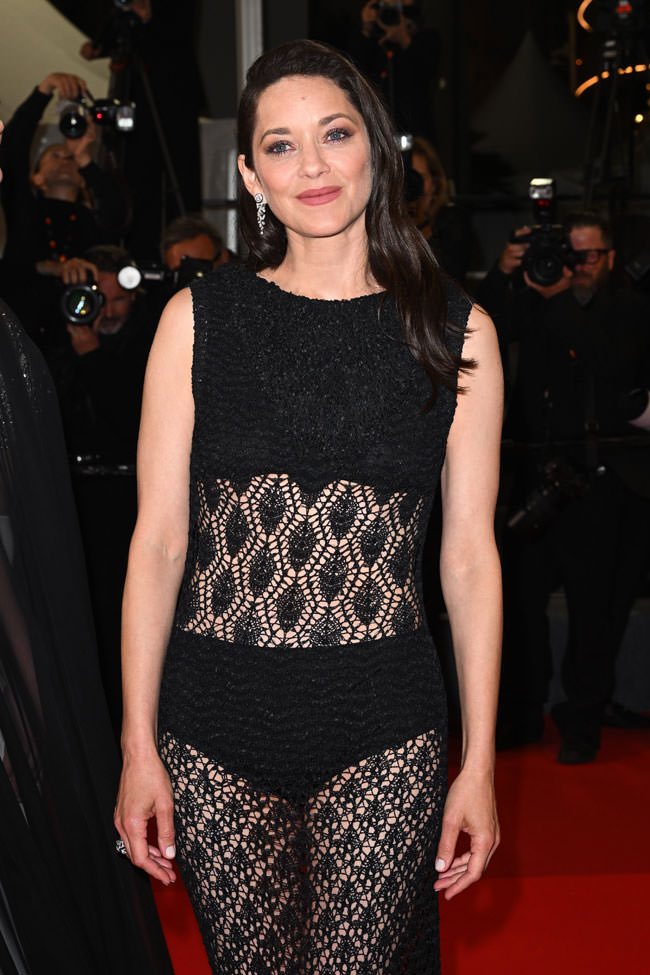
The appearance comes at a pivotal moment for the festival, which in 2026 continues to balance its rigorous "black tie" traditions with an evolving landscape of experimental red carpet fashion. Cotillard, styled by her long-time collaborator Eliott Bliss, stepped onto the Croisette in a floor-length, jet-black crochet gown. The garment, characterized by its intricate open-weave pattern, was notably unlined, revealing a pair of high-waisted black boyshorts beneath. This stylistic choice—merging the craftsmanship of traditional needlework with the "naked dress" trend that has permeated high fashion for several seasons—immediately sparked a dialogue among industry observers and fashion critics regarding the boundaries of formal festival attire.
Technical Artistry and the Chanel Crochet Revival
The gown itself is a testament to the "Métiers d’art" philosophy that Chanel has championed for decades. While crochet is often associated with casual or bohemian aesthetics, the custom piece worn by Cotillard utilized high-gauge silk and metallic-infused threads to achieve a structured, architectural drape. The pattern featured a repeating geometric motif that transitioned in scale from the bodice to the hem, creating a visual rhythm that complemented the actress’s movement.

This appearance marks the second significant instance of high-fashion crochet appearing at the 2026 festival. Earlier in the week, fellow Chanel ambassador Kristen Stewart debuted a similarly constructed piece, suggesting a concerted effort by the house of Chanel to reposition hand-knitted and crocheted textures as viable options for evening wear. Historically, crochet has been absent from the Cannes red carpet for much of the 21st century, often relegated to the "resort" or "daywear" categories. The elevation of this technique to a custom, premiere-level gown signifies a broader industry shift toward "tactile luxury," where the value of a garment is derived from the visible hours of manual labor required for its creation.
To complement the bold texture of the dress, Cotillard wore pieces from Chanel’s High Jewelry collection. This included a pair of drop earrings and a cocktail ring, both featuring white diamonds set in 18k white gold. The brilliance of the stones provided a necessary contrast to the matte finish of the black crochet, grounding the experimental look in the traditional opulence expected at a Cannes premiere.
Roma Elastica: Context and Cinematic Significance
The premiere of "Roma Elastica" was one of the most sought-after tickets of the festival’s second week. Directed by Bertrand Mandico, a filmmaker known for his surrealist and visually saturated style, the film is set in 1982 and follows the story of Eddie (played by Cotillard), an American actress whose career is in decline. The narrative centers on Eddie’s journey to Rome to star in a low-budget science-fiction film, a project that is framed as her final opportunity to reclaim her former glory.
The film’s 1980s setting and its focus on the "film-within-a-film" trope provided a thematic backdrop for Cotillard’s red carpet choice. The 1980s were a period of significant experimentation in knitwear and bold silhouettes, and the "Roma Elastica" premiere look seemed to pay homage to that era’s disregard for conventional modesty. The cast, which includes Noémie Merlant, Ornella Muti, and Franco Nero, represents a cross-generational assembly of European cinema talent, further cementing the film’s status as a major cultural event.
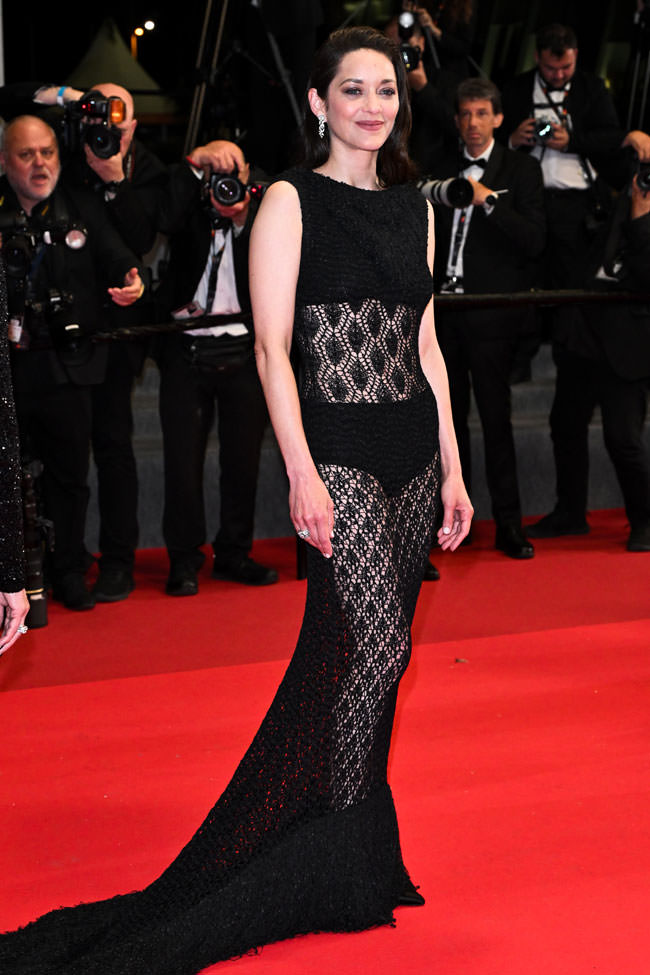
Industry analysts have noted that the synergy between a film’s aesthetic and an actor’s red carpet wardrobe is becoming increasingly vital for brand marketing. By choosing a look that felt both futuristic and nostalgic, Cotillard effectively bridged the gap between her character’s 1982 reality and the science-fiction elements of Mandico’s vision.
The Evolution of the Cannes Dress Code
The reception of Cotillard’s ensemble must be viewed through the lens of the Cannes Film Festival’s notoriously strict dress code. For decades, the festival has enforced a rigid standard: evening gowns for women and tuxedos with black ties for men. In recent years, however, the festival organizers and the public have become more accepting of "elevated subversion."
Data from fashion tech platforms suggests that "transparency" and "texture" are the two most searched-for terms regarding red carpet fashion in the 2025-2026 cycle. Cotillard’s look fits squarely into this trend, yet it distinguishes itself by replacing the ubiquity of sheer tulle with the substance of crochet. While the visible undergarments—the black boyshorts—remain a point of contention for traditionalists, they reflect a broader movement toward "functional modesty" in high fashion, where the under-layer is treated as an intentional component of the design rather than a hidden necessity.
Broader Implications for the Luxury Market
The collaboration between Marion Cotillard and Chanel continues to be one of the most lucrative and stable partnerships in the luxury sector. Since becoming the face of Lady Dior in 2008 and later transitioning to a primary role at Chanel, Cotillard has influenced significant retail trends. Market analysis following her previous Cannes appearances has shown a measurable "Cannes Effect," where specific styles or accessories worn by the actress see a 15% to 25% increase in consumer interest within the European and Asian markets.
The "Roma Elastica" premiere look is expected to drive interest in Chanel’s upcoming knitwear and accessories lines. By showcasing crochet in such a high-profile environment, Chanel is effectively "pre-seeding" the trend for the 2027 spring/summer season. Furthermore, the use of custom, artisanal techniques reinforces the brand’s commitment to exclusivity at a time when the luxury market is facing increased pressure from high-end "ready-to-wear" competitors.
Chronology of the Event
The evening began at 6:30 PM CET as the first limousines arrived at the red carpet. The atmosphere was described by onlookers as electric, fueled by the reputation of director Bertrand Mandico for delivering polarizing, avant-garde cinema.
- 18:45 PM: The supporting cast of "Roma Elastica," including Noémie Merlant and the legendary Franco Nero, arrived, setting a tone of classic European elegance.
- 19:05 PM: Marion Cotillard arrived at the foot of the stairs. Her appearance caused an immediate stir among the international press corps. Photographers noted that the dress required specific lighting to capture the depth of the crochet weave.
- 19:15 PM: Cotillard was joined by Mandico and the rest of the lead cast for the traditional "group climb" of the Palais stairs.
- 19:30 PM: The delegation entered the Grand Théâtre Lumière for the screening. The film received a standing ovation that lasted approximately eight minutes, a standard but significant metric of success at Cannes.
Official Responses and Industry Reactions
While Chanel has not released a formal statement regarding the specific hours of labor required for the dress, sources close to the atelier suggest it was a multi-month project involving several specialized lace and knitwear artisans. Eliott Bliss, Cotillard’s stylist, hinted in social media posts that the look was intended to be "a dialogue between the past and the future of French craft."
Critics from major fashion publications have been divided. Some have praised the look as a "masterclass in modernizing heritage techniques," while others have questioned whether the "unlined" aesthetic has become a repetitive trope on the red carpet. Regardless of the subjective verdict, the consensus remains that Cotillard’s ability to carry such a daring garment with composure is what maintains her status as a premier fashion icon.
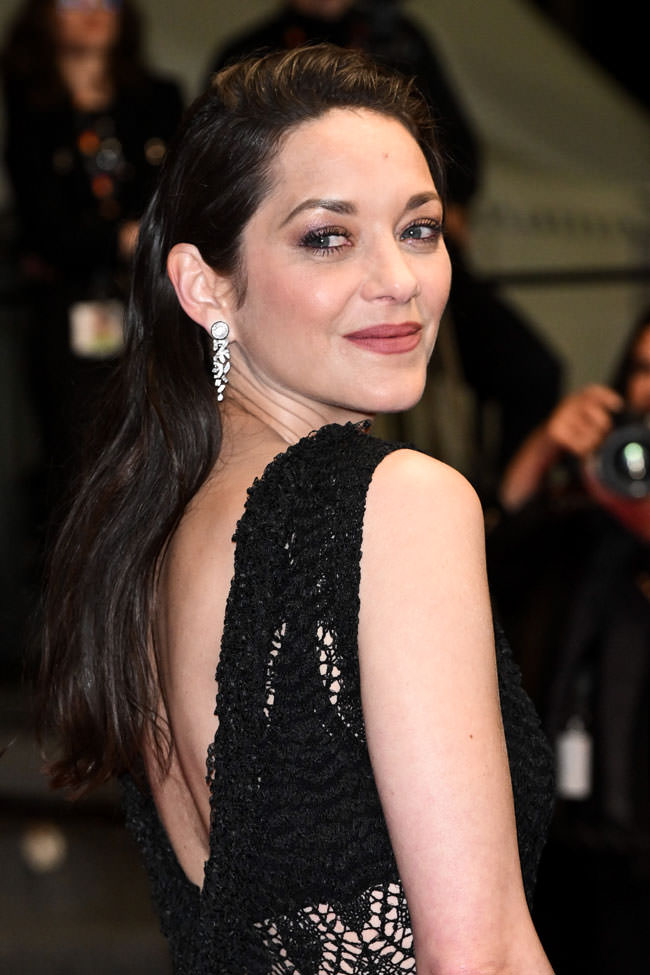
As the festival moves toward its closing ceremony, the conversation surrounding Cotillard’s Chanel crochet gown remains a highlight of the 2026 red carpet season. It serves as a case study in how heritage brands can utilize their most famous ambassadors to push the boundaries of "acceptable" formal wear while simultaneously celebrating the intricate, time-consuming labor of the artisans who define the true meaning of luxury. The "IN or OUT" debate regarding the outfit continues to circulate among fashion enthusiasts, but its impact on the year’s style trajectory is undeniable.