
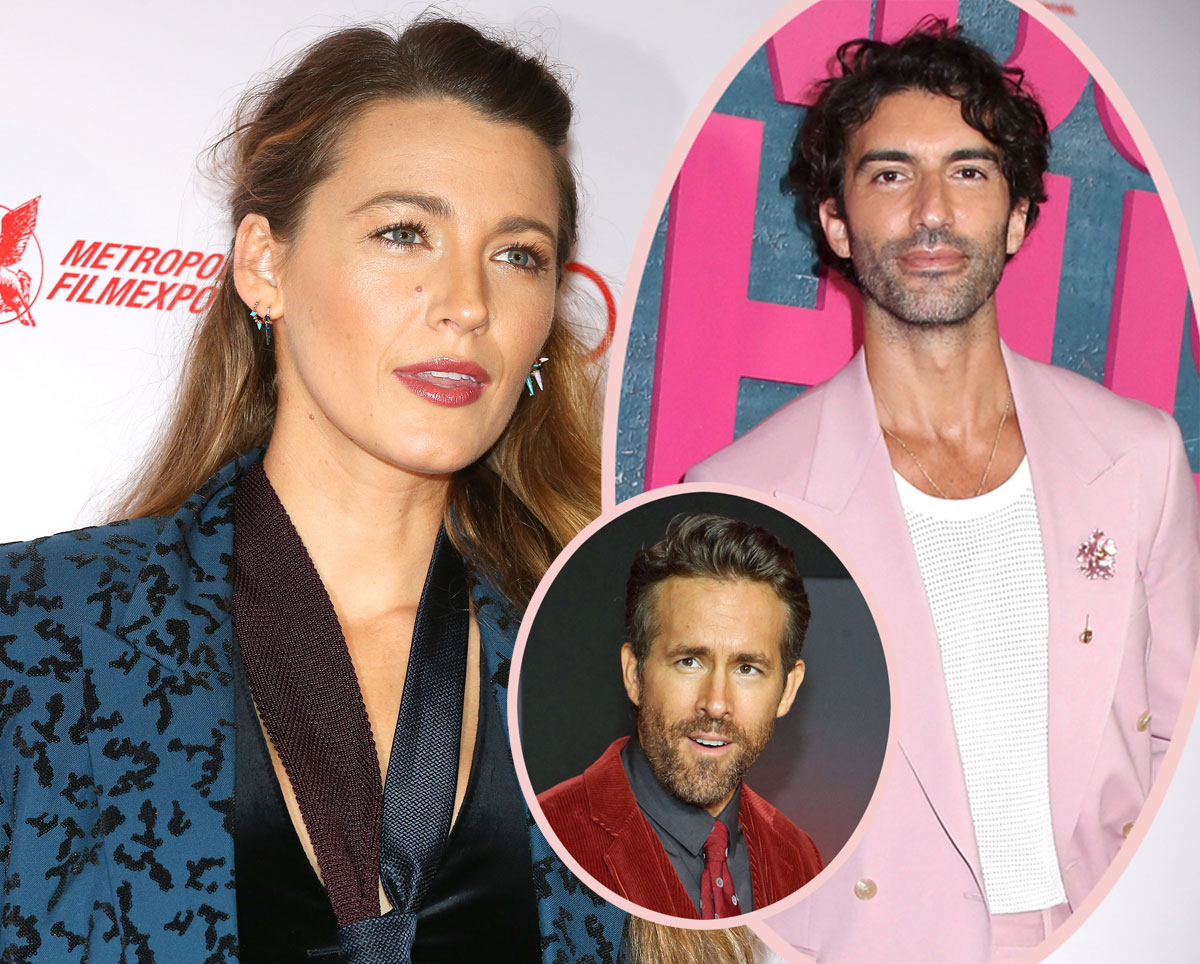
The recent settlement of the high-profile It Ends With Us lawsuit involving Blake Lively and Justin Baldoni has been widely interpreted as a calculated maneuver to safeguard Lively’s esteemed public image and pave the way for a carefully orchestrated return to the spotlight. The resolution, which occurred just weeks before the contentious case was slated to proceed to trial, marks a critical juncture in the careers of both individuals, with industry insiders suggesting it was a strategic imperative driven by the paramount concern of reputation management.
The Strategic Imperative of Settlement
Legal and public relations experts concur that the decision to settle such a prominent case before trial is almost invariably a move aimed at mitigating potential damage to all parties involved. Megan Thomas, a New York-based lawyer not affiliated with the case, articulated this perspective to Radar Online, explaining that pre-trial settlements are frequently pursued when both sides recognize the formidable strength of their opponent’s arguments. More significantly, such agreements serve to prevent the public dissemination of sensitive and potentially damaging information, including private communications like emails and text messages, especially when high-profile personalities are involved. "Often, parties settle because they know that both sides have a strong case," Thomas observed. "They enter into a settlement agreement to try to mitigate those concerns and not try them in the public eye."
For Blake Lively, the stakes were particularly high. Her career, built on a foundation of carefully curated public appearances and lucrative brand endorsements, had already faced scrutiny due to previous leaks of private messages, including exchanges with pop superstar Taylor Swift. The prospect of further intimate details being exposed in a public trial presented an unacceptable risk to her carefully constructed persona and future professional endeavors. A prolonged legal battle, with its inevitable media circus and granular examination of private communications, could have inflicted irreparable harm, potentially eroding public trust and diminishing her commercial appeal.
Background to the Dispute: The "It Ends With Us" Saga
The lawsuit itself stemmed from issues surrounding the highly anticipated film adaptation of Colleen Hoover’s bestselling novel, It Ends With Us. Hoover’s book, published in 2016, quickly became a cultural phenomenon, resonating with millions of readers globally for its poignant exploration of domestic violence, trauma, and resilience. Its immense popularity created significant buzz for a screen adaptation, with fans eagerly awaiting its translation to film.
Blake Lively was cast in the lead role of Lily Bloom, a decision that generated considerable discussion among the book’s devoted fanbase. Justin Baldoni, known for his roles in Jane the Virgin and for his philanthropic work, was not only slated to co-star as Ryle Kincaid but also served as a director and producer on the project. The confluence of a beloved source material, a passionate fanbase, and two prominent actors/filmmakers created a project with immense potential, but also one susceptible to intense public scrutiny and internal disagreements.
While the precise nature of the lawsuit remains largely undisclosed, it is understood to have involved contractual disputes, creative differences, or other significant disagreements that arose during the production phase. Such conflicts are not uncommon in large-scale film productions, especially when multiple creative and financial stakeholders are involved. However, when these disputes escalate to legal action involving highly recognizable names, the implications extend far beyond the courtroom, touching upon careers, reputations, and future opportunities. The litigation cast a shadow over the film’s production, creating an environment of uncertainty and potential negative publicity even before its release.
Ryan Reynolds’ Influence: A Guiding Hand
Reports from various insiders suggest that Blake Lively’s husband, actor Ryan Reynolds, played a pivotal role in advocating for the settlement. Reynolds, a successful actor and entrepreneur with a keen understanding of Hollywood’s intricate dynamics and the broader business landscape, reportedly recognized the long-term ramifications of a protracted legal battle. One insider commented, "Ryan saw the full picture early. He knew the longer this dragged on, the more it would erode everything – her career, her reputation, even their closest relationships."
Reynolds’ business acumen, honed through ventures like Mint Mobile and Maximum Effort, likely informed his perspective. He understands the delicate balance between creative integrity, financial viability, and public perception in the entertainment industry. His counsel would have emphasized the strategic necessity of a swift resolution to prevent further brand erosion and to allow Lively to refocus on her career rehabilitation. For a couple whose joint public image is meticulously cultivated, protecting Lively’s professional standing was undoubtedly a shared priority. His influence underscores the often-unseen strategic considerations that shape major decisions in the lives of celebrity power couples.
The Road to Rehabilitation: A Curated Public Image
With the lawsuit behind her, Blake Lively now faces the formidable task of rebuilding her public narrative and reassuring the industry of her viability. Her immediate post-settlement strategy has been meticulously crafted to control the messaging and minimize exposure to unpredictable questions. According to sources speaking to Rob Shuter’s Naughty But Nice Substack, Lively has adopted a highly selective approach to public engagements, favoring intimate, controlled events with pre-approved photographers and limited press access. This strategy is designed to create a visual narrative of grace and composure, circumventing the need to directly address the lawsuit or its aftermath.
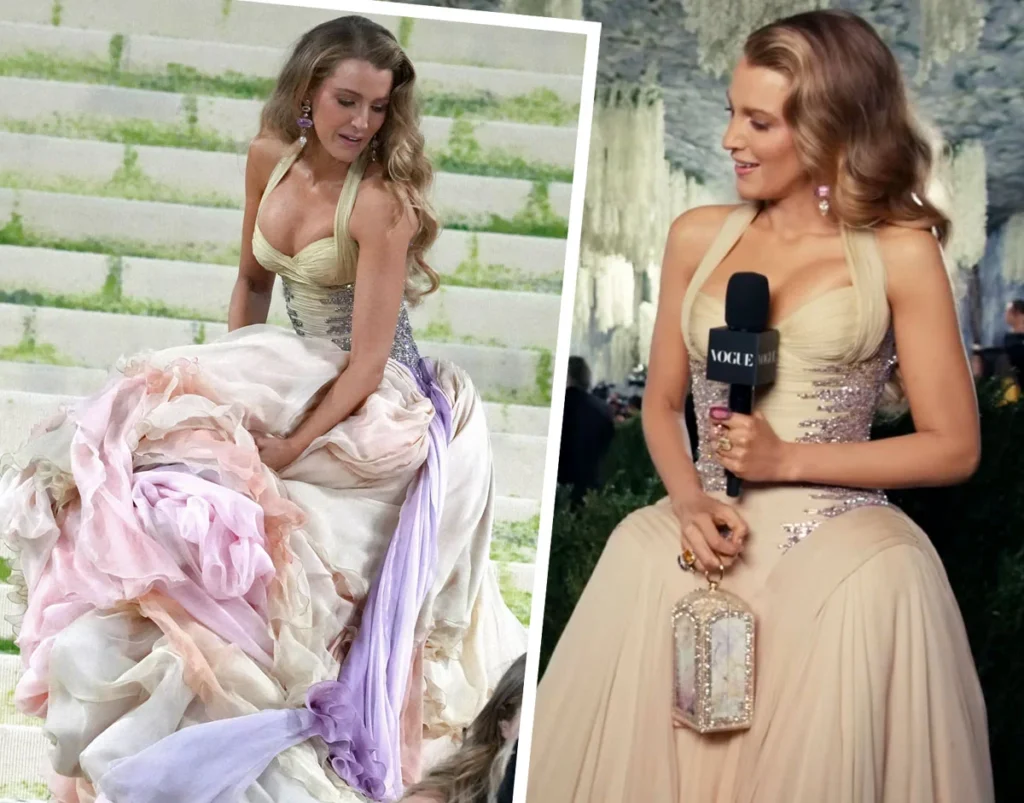
"Blake knows exactly how powerful a perfect photograph can be," a source revealed. "A stunning image creates conversation without creating risk. Photos don’t ask difficult follow-ups." This approach was conspicuously evident at the Met Gala, which coincided with the news of her settlement. Lively’s appearance was a masterclass in controlled elegance, where she posed for photographs and engaged in brief, superficial interviews devoid of any probing questions. The objective was clear: to flood media feeds with images of her looking "incredible," thereby redirecting public discourse away from past controversies and towards her undeniable star power and aesthetic appeal. "The mission is very deliberate," another source shared. "They want audiences talking about how incredible she looks, not revisiting old narratives."
This strategy leverages the inherent power of visual media in the digital age. In a landscape saturated with content, a striking image can go viral, dominating social feeds and overshadowing less flattering stories. For a celebrity like Lively, whose career has always intertwined with fashion and aspirational lifestyle, this visual-first approach is a natural extension of her brand.
Industry Perspectives on a Comeback
The entertainment industry’s reaction to Lively’s comeback strategy is mixed but generally cautiously optimistic, especially when compared to Baldoni’s prospects. An industry executive, speaking anonymously, acknowledged the damage inflicted on both individuals by the legal battle but posited that Lively, due to her established status, has a stronger chance of a successful re-emergence. "Lively and Baldoni both did major damage, but because she’s so established, I think she stands a chance of reemerging better than he does. I would struggle to hire both of them – but I would gamble on her."
This assessment highlights the enduring power of a proven track record and a well-defined public persona in Hollywood. Lively, a veteran of hit shows like Gossip Girl and numerous successful film roles, commands a higher level of recognition and has cultivated a dedicated fanbase over two decades. Her existing celebrity capital provides a buffer that newer or less established talents might lack when facing similar challenges. While Baldoni is a recognized face, his career trajectory, particularly as a director and producer, might be more sensitive to perceived professional disputes.
However, the path to full rehabilitation is not without its hurdles. There remains a contingent of industry professionals who view Lively’s highly curated approach with skepticism. "There are executives and publicists who still think Blake has an authenticity problem," a source speculated. "Looking flawless helps, but eventually audiences want to hear something real too." This sentiment reflects a broader shift in celebrity culture, where audiences increasingly demand transparency and genuine connection from public figures. The meticulously managed image, while effective in the short term, can sometimes alienate those seeking more substance.
The Challenge of Authenticity in the Digital Age
The "authenticity problem" flagged by some insiders is a critical challenge in the contemporary media landscape. In an era dominated by social media, where celebrities often engage directly with their fans and share seemingly unvarnished glimpses into their lives, a highly controlled narrative can sometimes backfire. Audiences, empowered by direct access and the ability to critically analyze public presentations, are quick to spot what they perceive as inauthenticity. The resurfacing of past footage or comments that contradict a carefully constructed image can quickly undermine rehabilitation efforts.
For Lively, this means navigating a delicate balance. While her current strategy of "silence is part of the strategy" and "letting the visuals speak for her" may provide immediate insulation from difficult questions, the long-term sustainability of this approach is debatable. The public’s appetite for "something real" often grows with time, and eventually, a more direct engagement with past events or a genuine articulation of lessons learned might become necessary for a complete and lasting comeback. However, the timing of such a move is crucial and would undoubtedly be orchestrated with the same meticulous care as her current visual campaign.
Long-Term Implications for Lively’s Career
The successful implementation of Lively’s comeback strategy will have significant implications for her long-term career trajectory. Should she effectively pivot past the lawsuit, she stands to reclaim her position as a sought-after actress and a powerful brand ambassador. Her ability to secure new acting roles, renew endorsement deals, and potentially venture into new entrepreneurial endeavors will serve as key indicators of her success.
The film It Ends With Us itself, once released, will also play a role in this narrative. Its reception, both critically and commercially, could either further complicate or smooth her path. If the film is a success, it could demonstrate her resilience and ability to deliver despite production challenges. Conversely, a poor reception could inadvertently reignite discussions about the underlying controversies.
Ultimately, Blake Lively’s journey back to unchallenged prominence will be a fascinating case study in modern celebrity crisis management. Her team is banking on the rapid churn of public opinion and the power of compelling visuals to reshape her narrative. While the immediate objective is to re-establish her as a flawless, aspirational figure, the enduring challenge will be to bridge the gap between this curated image and the public’s evolving demand for authenticity. The coming months will reveal whether her strategic silence and visual dominance are enough to fully erase the shadows of the past and secure her enduring place in Hollywood.