
The unveiling of a K-pop group’s official light stick is traditionally a moment of celebration, marking a significant milestone in a rookie group’s journey and solidifying the identity of their burgeoning fandom. However, the recent reveal from HYBE’s newest rookie boy group, CORTIS, has sparked an uncharacteristically polarized debate across social media platforms and online communities. On July 9, 2026, the entertainment conglomerate officially introduced the design for the CORTIS light stick, an accessory that deviates sharply from the established aesthetic norms of the industry. While some herald the design as a sophisticated leap forward in K-pop merchandise, others have raised concerns regarding its practicality and its striking resemblance to traditional household items, specifically vintage candlesticks.
The Aesthetic Departure: A Detailed Look at the Design
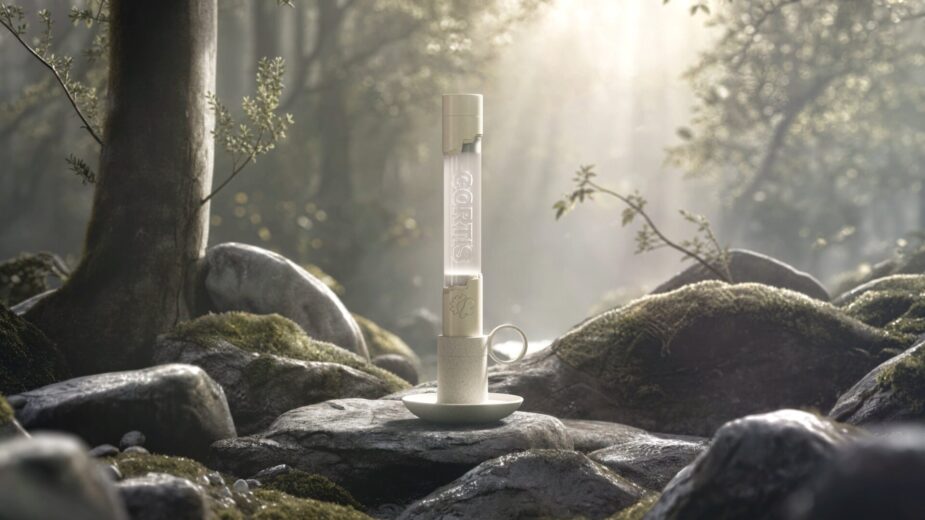
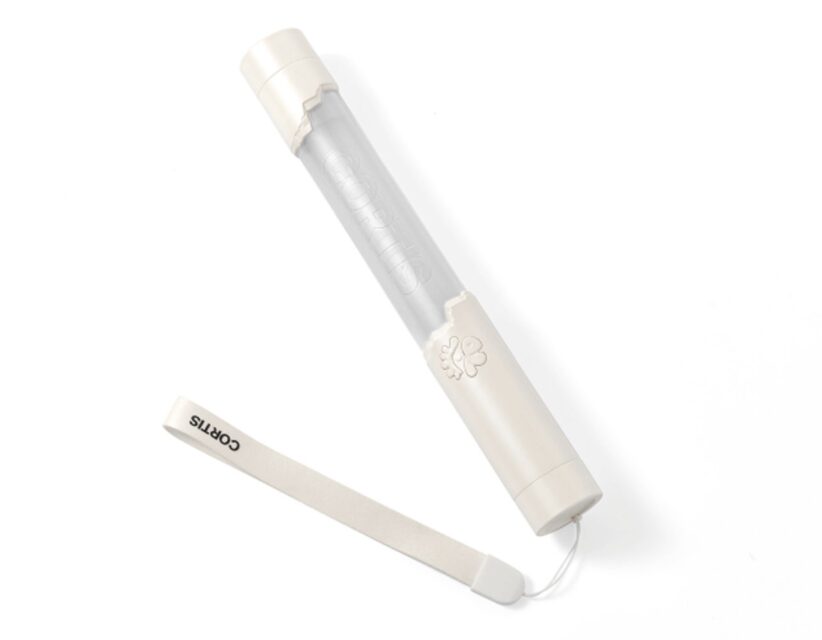
The CORTIS light stick represents a bold departure from the "globe-and-handle" silhouette that has dominated the market for the past decade. Most contemporary light sticks, such as those belonging to label-mates BTS or TXT, feature a clear resin sphere or a geometric topper housing the group’s logo. In contrast, the CORTIS design utilizes a more elongated, vertical structure with ornate, gothic-inspired detailing.
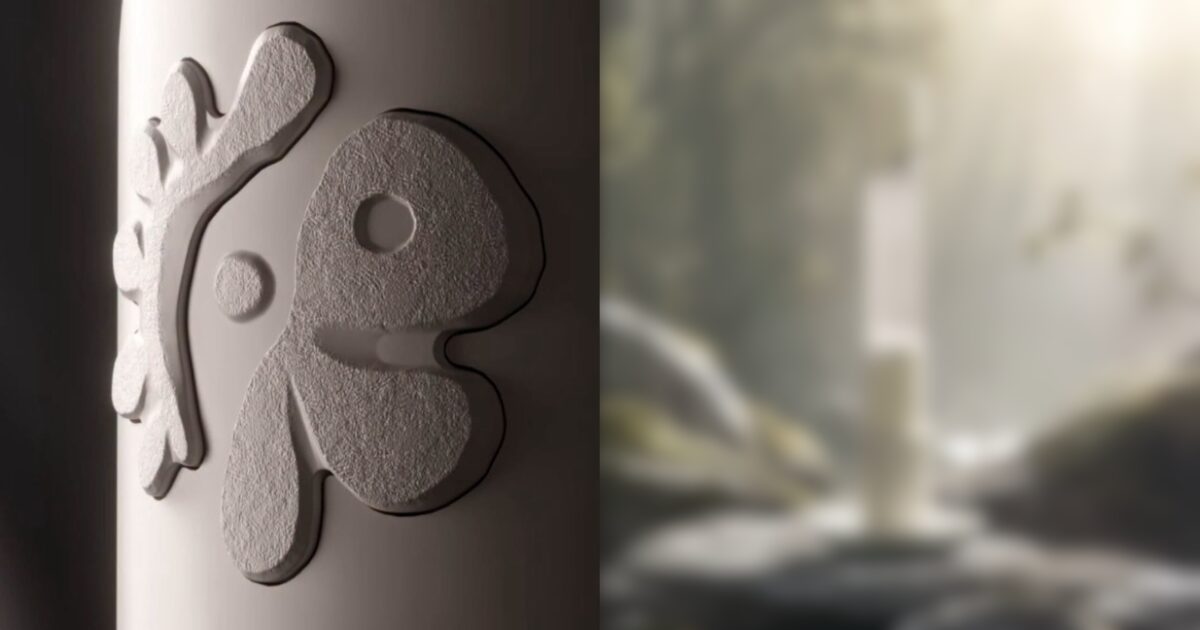
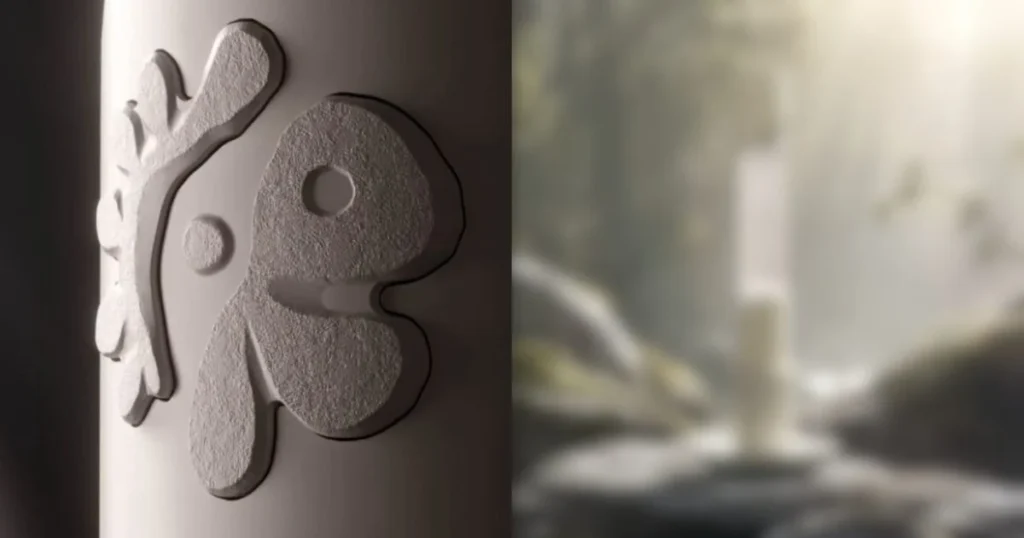
Initial promotional images showcase a sleek, metallic-finished body with intricate engravings that align with the group’s "dark-academic" and "mystic" concept. The light-emitting portion is situated at the very top, designed to mimic a flickering flame or a concentrated beam rather than a diffused glow. This stylistic choice has been described by industry analysts as an attempt to elevate K-pop merchandise from "concert gear" to "lifestyle decor," appealing to a demographic that values aesthetic cohesion within their personal spaces.
Chronology of the Reveal and Immediate Fan Reaction
The rollout of the CORTIS light stick followed a meticulously planned teaser campaign that began in early July. On July 7, HYBE’s social media accounts posted cryptic silhouettes, hinting at a "new light for the path of CORTIS." This generated immense anticipation, with the group’s fandom—known as "Cores"—speculating on features such as OLED screens or kinetic movement.
When the full design was finally published on July 9, the reaction was instantaneous. Within three minutes of the announcement, "CORTIS Light Stick" and "Candlestick" began trending globally on X (formerly Twitter). The international fanbase was the first to react, primarily through the lens of internet humor. Memes quickly proliferated, with fans juxtaposing images of the light stick against scenes from Disney’s Beauty and the Beast or Victorian-era period dramas.

One viral post, which garnered over 200,000 likes in a matter of hours, featured a fan holding a literal candelabra with the caption, "Me at the CORTIS concert." This humorous take highlighted the core of the controversy: the design’s literal interpretation of its "light" function, which many felt leaned too heavily into the "stick" aspect and not enough into the "pop" aesthetic.
Domestic Sentiment: K-Netizens Weigh In
While the international reaction was characterized by humor and memes, the response from South Korean netizens (K-netizens) on platforms like Instiz and TheQoo was more analytical and critically divided. A significant portion of the domestic audience praised the design for its "luxurious" and "unique" feel. Comments on Instiz suggested that the design reflects CORTIS’s position as a premium HYBE brand, moving away from the plastic, toy-like appearance of older generations.
However, a vocal minority expressed disappointment, citing concerns over concert safety and ergonomics. "It looks too heavy to wave for three hours," one top-voted comment read. Others questioned how the light stick would look when synchronized during a concert’s central control (DMX) sequences. In K-pop, the visual impact of a "light stick ocean"—where thousands of devices change color in unison—is a crucial element of the concert experience. Critics argue that the candlestick shape may not provide the same volume of light as spherical designs, potentially dimming the overall visual effect in a stadium setting.
Supporting Data: The Evolution of HYBE Merchandise
To understand the context of the CORTIS reveal, one must look at HYBE’s broader strategy regarding intellectual property (IP) and merchandise. HYBE has consistently pushed the boundaries of what constitutes "fan goods." From the "Artist-Made Collection" by BTS to NewJeans’ "Binky Bong," which features customizable parts, the company has prioritized brand differentiation.
Market data suggests that light sticks are no longer just tools for fan support; they are significant revenue drivers. In 2025, the global K-pop merchandise market was valued at approximately $1.2 billion, with light sticks accounting for a substantial percentage of "hard" merchandise sales. By opting for a polarizing, high-concept design for CORTIS, HYBE may be banking on the "collector’s item" appeal. Even fans who find the design unusual are likely to purchase it to complete their collection or to participate in the "candlestick" trend during the group’s upcoming world tour.
Technical Specifications and Integration
Despite the aesthetic debate, the CORTIS light stick is expected to feature top-tier technical specifications. According to preliminary product descriptions on the Weverse Shop, the device will include:
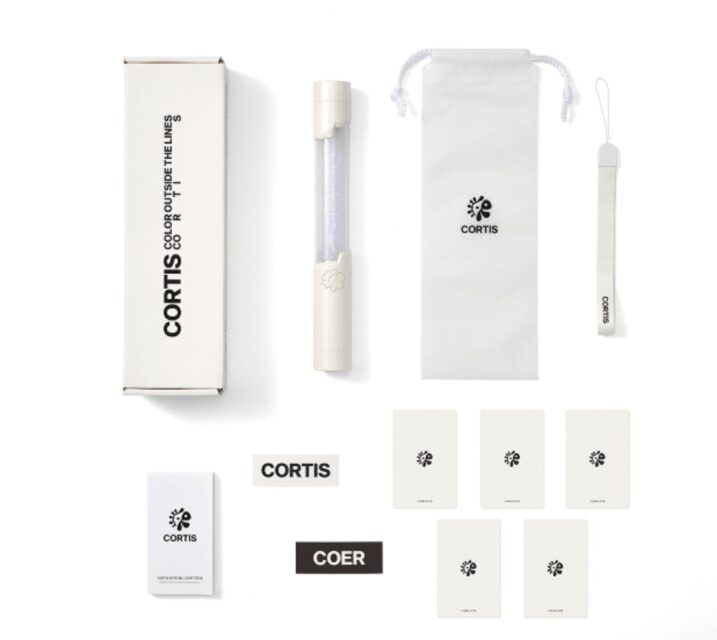
- Bluetooth 5.2 Connectivity: Ensuring seamless synchronization with the official CORTIS app for seat-mapping during live performances.
- OLED Indicator: A small, discreet screen on the handle to show battery life and connection status.
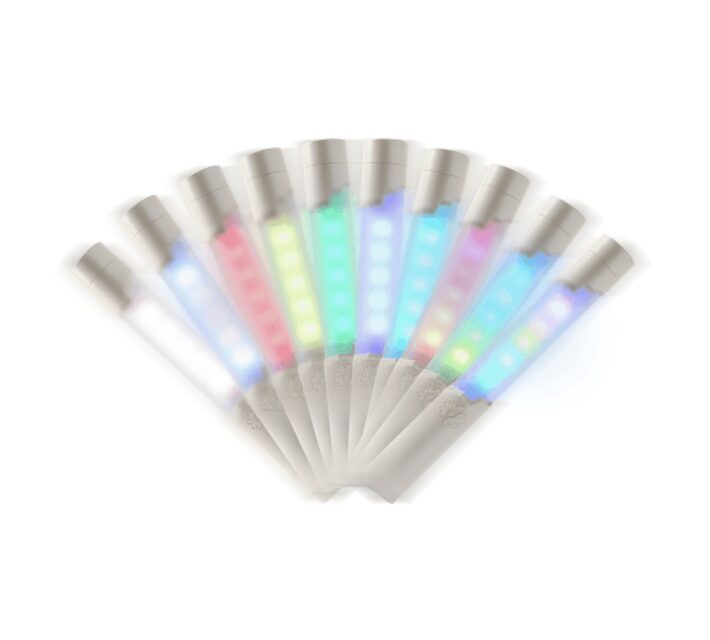
- Customizable "Flame" Modes: Multiple light patterns, including a "flicker" mode that enhances the candlestick aesthetic.
- Haptic Feedback: Vibrations that sync with the beat of the group’s title tracks.
These features suggest that while the exterior is vintage in inspiration, the interior is a product of modern engineering, aimed at providing an immersive fan experience.
Official Responses and Industry Implications
As of July 10, HYBE has not issued a direct statement regarding the "candlestick" memes, though this is typical for the company. Historically, HYBE allows fan discourse to drive engagement, recognizing that even "divided" responses contribute to the group’s visibility. Industry insiders suggest that the CORTIS light stick could set a new trend for "Object-Oriented" merchandise, where the item is designed to look like a specific object related to the group’s lore rather than a generic wand.
"The CORTIS light stick is a litmus test for the 5th and 6th generations of K-pop," says Choi Kang-ho, a cultural critic specializing in Hallyu trends. "We are seeing a shift where the ‘lore’ of the group dictates the physical form of the merchandise. If CORTIS’s story involves themes of light, truth, or historical mystery, then a candlestick is a perfect narrative tool. The divide in response actually proves that the design is provocative and memorable, which is often the goal in a saturated market."
Broader Impact: The "Meme-ification" of K-pop Merch
The CORTIS situation highlights a growing trend in the K-pop industry: the "meme-ification" of product launches. In an era where social media engagement is a primary metric of success, a design that triggers a "hit or miss" response can often be more effective than one that is universally liked but quickly forgotten. The candlestick memes have effectively provided CORTIS with millions of dollars’ worth of free advertising, reaching audiences far beyond the existing fanbase.
Furthermore, this event underscores the changing expectations of K-pop fans. Today’s fans are highly literate in design and branding; they expect their favorite groups to have a distinct visual language. The fact that the CORTIS light stick looks "nothing like other designs" is, in itself, a testament to the group’s unique positioning within the HYBE ecosystem.
Conclusion: A New Era of Fandom Identity
As CORTIS prepares for their first showcase featuring the new light stick, the initial shock of the design appears to be transitioning into a form of "ironic affection" and genuine curiosity. Pre-order numbers on the Weverse Shop have reportedly reached record highs for a rookie group, suggesting that the "divided response" has not hindered commercial success.
Whether the CORTIS light stick becomes a timeless classic or remains a curious outlier in K-pop history will depend on its performance during live events. If the "candlestick ocean" creates the magical, atmospheric effect that HYBE’s designers intended, the skeptics may soon be won over. For now, CORTIS has successfully achieved something rare for a rookie group: they have captured the undivided attention of the global K-pop community, one candlestick at a time. The transition from traditional designs to experimental "objects d’art" reflects a maturing industry that is no longer afraid to trade convention for a bold, albeit polarizing, creative vision.