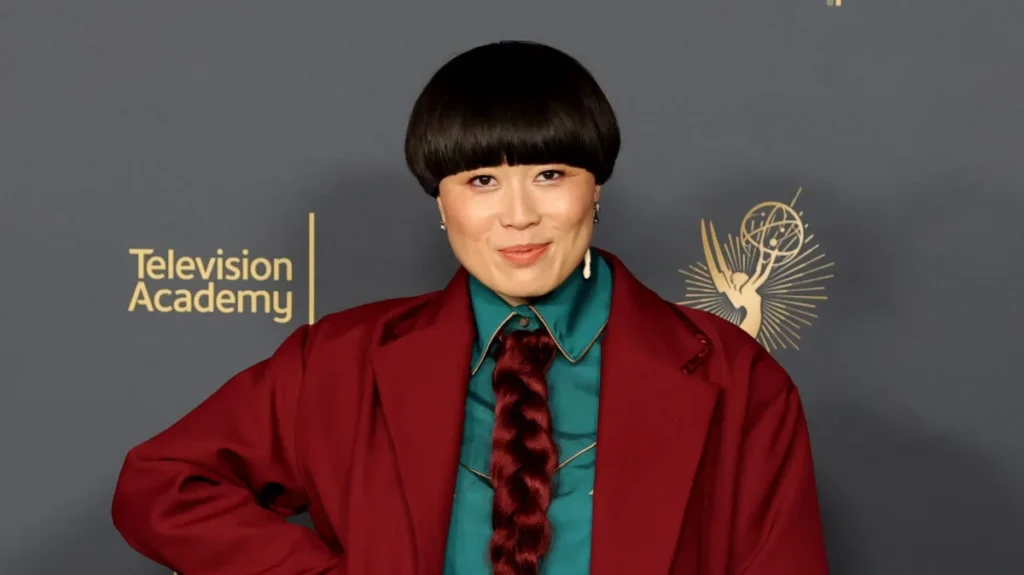

Atsuko Okatsuka recently cemented her status as a pivotal figure in contemporary comedy, receiving the coveted Breakout Comedy Star of the Year trophy at the Comedy Pro industry conference during the Just For Laughs festival in Montreal. This accolade arrives on the heels of a landmark achievement in 2022, when Okatsuka became only the second Asian-American female comedian in history to release an HBO comedy special, following trailblazer Margaret Cho’s groundbreaking appearance in 1994. The nearly three-decade gap between these two historic moments underscores a persistent void in mainstream representation, a reality Okatsuka herself poignantly highlights. “More than 27 years between us. That’s way too long. And there hasn’t been a third one yet, and mine was only four years ago,” Okatsuka remarked to The Hollywood Reporter, drawing attention to the slow pace of progress despite her recent success.
A Historic Milestone and Industry Recognition
Okatsuka’s HBO special, "The Intruder," was met with critical acclaim, praised for its unique blend of observational humor, personal storytelling, and an endearing, often surreal delivery style. Her distinct voice and stage presence resonated deeply, making her a standout in a competitive landscape. The significance of her special extends beyond individual achievement; it represents a crucial step forward for diversity in a sector historically dominated by specific demographics. For nearly three decades, Margaret Cho stood as a solitary figure, her 1994 special, "Margaret Cho: I’m the One That I Want," having been a cultural touchstone that challenged stereotypes and opened doors for future generations, albeit slowly. Okatsuka’s emergence on HBO signifies a long-awaited broadening of the platform’s comedic horizons, signaling a potential shift towards more inclusive programming decisions across the industry.
The recognition at Just For Laughs, one of the world’s most prestigious comedy festivals, further validates Okatsuka’s rising star. Held annually in Montreal, the festival serves as a critical platform for talent discovery, industry networking, and celebrating comedic excellence. The Breakout Comedy Star of the Year award is typically bestowed upon artists who have demonstrated exceptional talent and made significant strides in their careers, often signaling a trajectory towards mainstream success and widespread influence. Past recipients have frequently gone on to achieve significant fame, making Okatsuka’s award a strong indicator of her burgeoning impact on the global comedy scene. The festival, which wraps over the weekend, brings together comedians, agents, producers, and fans from around the globe, creating a vibrant hub for the art form.
A Legacy of Laughter: Tracing Asian-American Voices in Comedy
The history of Asian-American representation in mainstream comedy is a narrative of slow but steady progress, marked by the resilience and talent of pioneering artists. Before Margaret Cho, few Asian-American comedians, especially women, had managed to break through the industry’s formidable gatekeepers to achieve national recognition. Cho’s groundbreaking work in the 1990s not only provided a voice for Asian-American experiences but also openly addressed themes of identity, sexuality, and cultural stereotypes, paving the way for future generations. Her HBO special was a watershed moment, but as Okatsuka notes, it was an isolated one for many years.
In the intervening decades, other Asian-American comedians have found success, including figures like Bobby Lee, Ken Jeong, and Jo Koy, who have carved out significant careers in stand-up, film, and television. More recently, Ali Wong’s highly successful Netflix specials have garnered widespread critical acclaim and massive viewership, demonstrating the significant demand for diverse voices and perspectives. However, the specific statistic of only two Asian-American female comedians having HBO specials in nearly 30 years underscores a particular challenge within the broader movement for diversity. It highlights the unique obstacles faced by women of color in a historically male-dominated industry, where opportunities for high-profile platforms have remained disproportionately scarce. Okatsuka’s achievement, therefore, is not merely personal; it is a collective triumph for a community striving for greater visibility and authentic representation.
The Digital Catalyst: Social Media’s Unprecedented Influence
A significant factor in Okatsuka’s rapid ascent is her astute utilization of social media. With a formidable online presence boasting over 5 million followers across various platforms, she has effectively bypassed traditional industry bottlenecks, cultivating a massive, engaged audience directly. This digital strategy has proven instrumental in knocking down barriers to an international stand-up career, a feat that would have been far more challenging in previous eras. "With the Internet, stand-up comedy was able to boom, because people speak when they find their favorite comedians," Okatsuka explains, highlighting the democratizing power of online platforms.
This phenomenon is not unique to Okatsuka but reflects a broader paradigm shift in content consumption and artist development. The rise of platforms like YouTube, Instagram, TikTok, and X (formerly Twitter) has profoundly altered how comedy is discovered, consumed, and disseminated. Aspiring comedians no longer solely rely on open mics and club residencies to build a following; they can share bite-sized clips, short skits, and behind-the-scenes content directly with a global audience. This direct-to-fan model empowers artists to cultivate a distinct brand and test material in real-time, receiving immediate feedback and building a loyal community. Okatsuka’s success exemplifies this new model, where viral moments on social media can translate into sold-out tours and major streaming deals. Her Hulu comedy special and an upcoming Netflix special are direct testaments to the power of her digital footprint.
From Niche to Global: Building an International Audience
Okatsuka’s embrace of digital platforms has not only boosted her domestic profile but also facilitated an extraordinary international reach. She notes that her online presence allows her to "tour internationally in many countries that other American comedians don’t perform in or don’t even know how to perform in." This global appeal is a direct consequence of her content transcending geographical boundaries through social media. Unlike traditional television or film distribution, which often involves complex licensing and regional adaptations, digital content can be accessed anywhere with an internet connection.
Her personal background has also played a crucial role in shaping her international outlook and tech-savvy approach. Having come to America from Japan and maintaining close ties with her Japanese father and Taiwanese family on her mother’s side, Okatsuka was inherently driven to utilize technology for connection. "I was always going to have to be on the Internet, even if I wanted to talk to my own family. So it just worked out that way," she explains. This inherent need to bridge geographical distances through digital communication translated seamlessly into her professional life, equipping her with the skills and mindset necessary to leverage the internet for career growth. Her ability to connect with diverse audiences globally, sharing humor that often bridges cultural nuances, positions her as a unique ambassador for stand-up comedy. This global perspective not only enriches her material but also fosters cross-cultural understanding through the universal language of laughter.
The Craft and the Connection: Okatsuka’s Unique Perspective
Beyond the strategic deployment of social media, Okatsuka’s success is fundamentally rooted in her distinctive comedic voice and relentless work ethic. Her stand-up often delves into observational humor, cultural identity, and the idiosyncrasies of everyday life, delivered with a charming awkwardness and a penchant for physical comedy. Her ability to find humor in both mundane and profound experiences resonates with a broad audience, fostering a sense of shared humanity.
Okatsuka also emphasizes the sheer volume of engagement generated by her short-form content. "It’s the clips of my specials that I posted on my social media sites that went viral, and those are the ones that amassed over 100 million views, far more than people who turn on the actual HBO special and watch it in its entirety," she insists. This insight reveals a critical shift in audience behavior: while full-length specials remain important for artistic integrity and prestige, bite-sized, shareable clips are often the primary entry point for new fans. This fragmented consumption pattern means that comedians must not only craft compelling hour-long narratives but also identify and optimize moments that can thrive in the fast-paced, attention-economy of social media feeds.
Despite the digital nature of much of her success, Okatsuka deeply values the traditional aspects of comedy, particularly the camaraderie and recognition from her peers. While she playfully refers to comedians as "freaks" and outsiders within the broader entertainment business, she acknowledges the profound significance of peer validation. "It’s great to be able to not just be embraced but be recognized by my fellow peers who I respect so much," she explains. This sentiment reflects a fundamental truth about the comedy world: despite its competitive nature, there is a strong sense of community and mutual respect among those who understand the unique challenges and triumphs of the craft. Receiving accolades at a festival like Just For Laughs, surrounded by fellow artists and industry veterans, offers a powerful form of affirmation that transcends viewership numbers or viral metrics.
Beyond the Stage: Implications for the Future of Comedy and Representation
Atsuko Okatsuka’s journey offers compelling insights into the evolving landscape of stand-up comedy and the ongoing quest for diverse representation. Her success story illustrates a viable new pathway for comedians, one where digital savviness and direct audience engagement are as crucial as traditional club circuits and network deals. This model not only democratizes access to the industry but also allows for a wider array of voices and comedic styles to flourish, unburdened by the conservative tastes of traditional gatekeepers.
The continued scarcity of Asian-American female comedians on major platforms, as highlighted by Okatsuka, serves as a stark reminder that while progress is being made, significant work remains. The industry must move beyond sporadic, tokenistic gestures towards systemic change, actively seeking out and nurturing talent from underrepresented communities. Okatsuka’s ability to draw millions of views and secure multiple streaming specials demonstrates that there is a vast, hungry audience eager for diverse narratives and perspectives. Ignoring these voices is not just a moral failing but a missed business opportunity.
As the Just For Laughs festival concludes, Okatsuka’s triumph stands as a beacon of what is possible when talent meets tenacity and a keen understanding of modern media. Her unique blend of cultural perspective, relatable humor, and strategic digital engagement positions her not just as a breakout star, but as a vanguard for a new era of global, inclusive comedy. Her journey underscores that the future of laughter will be shaped by those who are willing to innovate, connect directly with their audience, and fearlessly tell their own unique stories, paving the way for many more "thirds" and "fourths" to come.
The Path Forward: Sustaining Momentum and Inspiring New Voices
The impact of Okatsuka’s achievements extends beyond her personal career trajectory; it serves as a powerful inspiration for aspiring comedians from diverse backgrounds. Her journey validates the belief that authentic voices, when amplified effectively, can break through established barriers. For young Asian-American women, in particular, seeing Okatsuka succeed on major platforms like HBO, Hulu, and Netflix provides tangible proof that their stories and comedic sensibilities have a place in the mainstream.
Sustaining this momentum will require continued effort from both artists and the industry. Comedians will need to keep innovating their craft and their engagement strategies, constantly adapting to the ever-evolving digital landscape. For networks and streaming platforms, the imperative is to actively invest in and promote diverse talent, ensuring that the "27-year gap" becomes a relic of the past rather than a recurring phenomenon. This means fostering inclusive development pipelines, committing to diverse programming slates, and recognizing that true universality in entertainment comes from embracing the specificities of myriad human experiences. Okatsuka’s success story is a powerful testament to the fact that when diverse voices are given a platform, they don’t just entertain; they enlighten, challenge, and ultimately enrich the cultural fabric for everyone.