
In the desolate aftermath of a global nuclear catastrophe, a Serbian science fiction action thriller, originally released in its native country as Son’s Will in 2024, is now making its debut in the United States under the new title Warriors of the Wasteland. This Nemanja Čeranić-directed film, shot entirely in English, plunges viewers into a grim post-apocalyptic landscape in the Western Balkans, a region grappling with the harsh realities of survival following widespread destruction. The film, which has been available on VOD in the U.S. since July 7th, 2026, centers on an anti-hero named Jovan, portrayed by Igor Benčina, whose prowess with a samurai sword makes him a formidable figure in the lawless territories.
The narrative of Warriors of the Wasteland unfolds in a distant future where the fabric of society has been irrevocably torn by nuclear war. In this new world, where bullets are the most coveted currency, a solitary drifter named Jovan navigates the perilous wastelands. His journey is driven by a personal quest: to find his sister and the individual responsible for her kidnapping. The film’s synopsis paints a vivid picture of a dark tale set in the ravaged Western Balkans, where the truth is often found in the ancient lore surrounding a formidable sword.
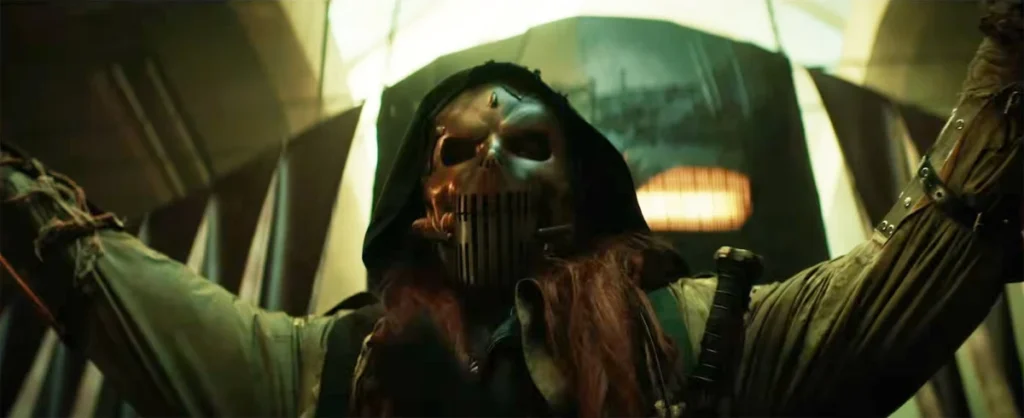
The film’s visual landscape is a key element, showcasing a post-apocalyptic setting that evokes a sense of profound desolation and the struggle for existence. The trailer, released by Well Go USA, offers a glimpse into this world, featuring elements characteristic of the post-apocalyptic genre, including metal-masked adversaries and the pervasive sense of danger. While the film’s ambition for a Serbian production is acknowledged, its thematic and visual cues have led to comparisons with established franchises like Mad Max.

Genesis and International Debut
Warriors of the Wasteland is the product of Serbian filmmaker Nemanja Čeranić, who has previously directed films such as Loan Shark and Nedelja, along with a series of epic poems that serve as a prelude to this cinematic endeavor. Produced by Mir Media Group, with Milos Avramovic and Aljosa Ceranic listed as producers, the film initially premiered in Serbia in 2024. Its international festival circuit included a screening at Screamfest in 2025, indicating its appeal to genre enthusiasts and critics alike.
The decision to release the film under a new title for the U.S. market, Warriors of the Wasteland, suggests a strategic marketing approach aimed at resonating with a broader American audience familiar with the conventions of the post-apocalyptic action thriller genre. The film’s original title, Son’s Will (Serbian: Sinova Volja), carries a different connotation, potentially emphasizing a more familial or internal conflict, whereas the English title leans into the action-oriented, survivalist themes.
Narrative Threads and Thematic Exploration
The core plot of Warriors of the Wasteland revolves around Jovan, a character who embodies a morally ambiguous yet compelling figure. His skill with a samurai sword positions him as a warrior capable of dispensing brutal justice in a world that has abandoned conventional laws. His personal quest for vengeance and reunion with his sister is intertwined with the broader struggle for survival in a land scarred by nuclear conflict.
Beyond Jovan’s immediate mission, the film also introduces elements of a larger narrative concerning the "Grain People," a peaceful community of wheat cultivators who resist the oppressive authority of a distant city. This aspect of the story introduces a socio-political dimension to the post-apocalyptic setting, highlighting the clash between oppressive regimes and the resilience of those who seek to maintain peace and sustainability. The narrative also touches upon themes of mental fortitude and the psychological toll of living in a devastated world, with mentions of radioactive cults and hallucinations suggesting a deep dive into the characters’ internal struggles.

The film’s setting in the Western Balkans adds a unique geographical and cultural layer to the post-apocalyptic genre. This region, with its complex history and recent experiences with conflict, provides a fertile ground for exploring themes of resilience, loss, and the enduring human spirit in the face of overwhelming adversity. The depiction of the wastelands, presumably shaped by the specific environmental and political conditions of the region, could offer a fresh perspective on the genre.
Cast and Performances
The film features a cast of Serbian actors, with Igor Benčina taking the lead role as Jovan. His performance is central to the film’s action sequences and character development. Supporting him are Isidora Simijonović, Sergej Trifunović, Marta Bjelica, and Jovo Maksić, whose contributions are crucial in populating this desolate world with compelling characters. The fact that the film is shot in English allows for a wider accessibility to international audiences, potentially enhancing the careers of these actors on a global scale.
The performance of Igor Benčina as the anti-hero Jovan, wielding a samurai sword with lethal precision, is expected to be a focal point of the film. His character’s motto, "I won’t kill a man who hasn’t harmed me," suggests a code of conduct, however brutal, that differentiates him from the pure anarchy of the wasteland. This moral complexity is often a key ingredient in compelling post-apocalyptic protagonists.
Genre Trends and Cultural Resonance
The emergence of Warriors of the Wasteland aligns with a discernible trend of post-apocalyptic action thrillers originating from Eastern Europe. This trend is arguably a reflection of contemporary global anxieties and a collective consciousness grappling with the potential for societal collapse. The films often tap into a primal desire for self-reliance and the fight against overwhelming odds, resonating with audiences who feel a sense of unease about the current state of the world.

These Eastern European productions, while sometimes drawing comparisons to established Western franchises, often bring a unique cultural perspective and a gritty realism that can distinguish them. The resourcefulness and often stark visual aesthetics employed in these films can be a direct consequence of production realities, but they also contribute to a distinctive cinematic voice.
The specific context of the Western Balkans, a region that has itself experienced significant geopolitical upheaval and conflict, adds a layer of historical resonance to these narratives. The themes of rebuilding, survival, and the search for order amidst chaos can find a particularly potent echo in the cultural memory of such regions.
Broader Impact and Industry Implications
The direct-to-VOD release strategy for Warriors of the Wasteland in the U.S. is indicative of the evolving landscape of film distribution. This model allows for wider accessibility to niche genres and independent films, bypassing traditional theatrical release barriers. For a Serbian production, this can be a crucial pathway to reaching a global audience and achieving commercial viability.
The success of Warriors of the Wasteland could pave the way for other Eastern European genre films to find international distribution. It highlights the growing global appetite for diverse cinematic voices and stories that offer fresh perspectives on familiar themes. Furthermore, it underscores the increasing importance of streaming platforms and VOD services in democratizing film consumption.

The film’s performance in the U.S. market will likely be closely watched by industry observers. Its reception could influence future investment in Serbian and other Eastern European film productions targeting international audiences. The ability to translate a film’s local success into global recognition is a key challenge and opportunity for filmmakers from emerging cinematic hubs.
The critical reception of Warriors of the Wasteland will ultimately determine its long-term impact. However, its arrival on the U.S. VOD market signifies a significant step for Serbian cinema in the international arena, offering a compelling narrative of survival and vengeance set against a visually striking post-apocalyptic backdrop. The film’s unique setting and thematic depth, coupled with its action-packed premise, position it as a noteworthy entry in the contemporary science fiction landscape. The question remains whether its narrative depth and stylistic execution will elevate it beyond the confines of genre conventions and resonate with a broader audience, solidifying its place in the ongoing dialogue surrounding post-apocalyptic storytelling.