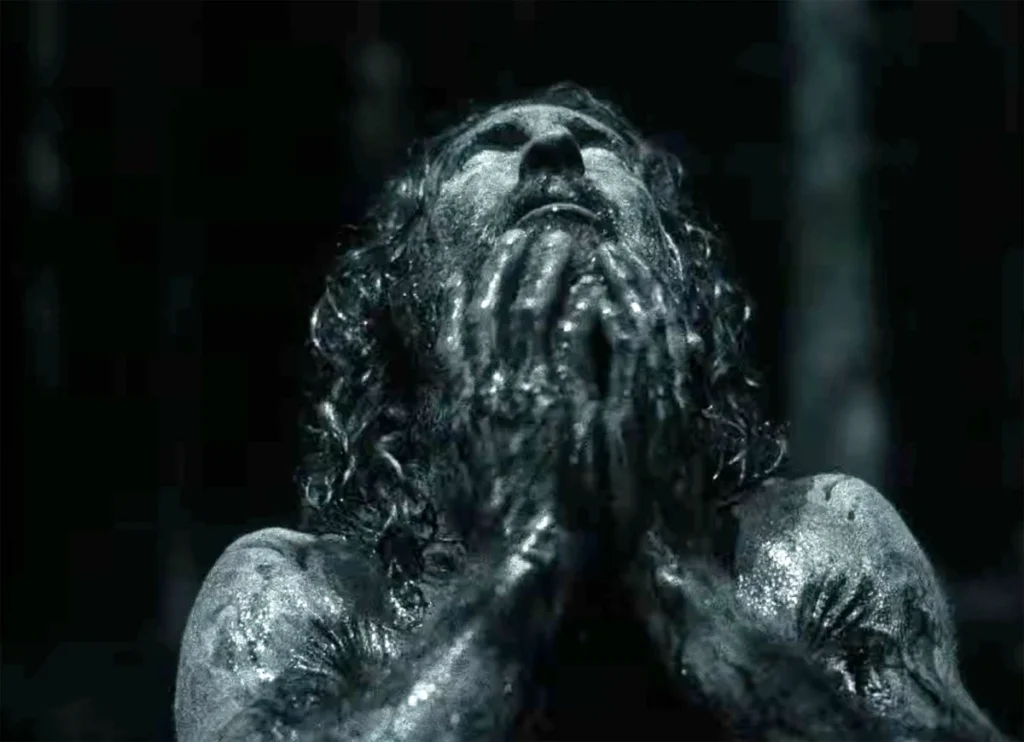

Focus Features has officially unveiled the second full-length trailer for acclaimed filmmaker Robert Eggers’ highly anticipated horror feature, Werwulf, setting the stage for what studio executives and early promotional materials describe as his most visceral and uncompromising cinematic descent into darkness. Following his atmospheric reimagining of German expressionist horror in Nosferatu and his exploration of Norse mythology in The Northman, Eggers turns his meticulous historical lens toward medieval England, adapting classic lycanthropic folklore into a terrifyingly grounded historical reality.
Set against the unforgiving landscape of 13th-century Britain, Werwulf explores a world where ancient superstitions and religious devotion violently collide with supernatural terror. The newly released footage offers audiences a deeper look into the foggy, oppressive atmosphere of a medieval village besieged by an unknown predator. With a Christmas Day theatrical release scheduled for December 25, 2026, the film is poised to be one of the most prominent prestige horror events of the holiday season, trading traditional blockbuster cheer for a harrowing tale of damnation and the devil within.
Main Facts and Production Overview
Werwulf marks another major collaboration between director Robert Eggers and Focus Features, continuing a creative partnership that has consistently pushed the boundaries of modern cinematic horror. The film stars Aaron Taylor-Johnson in the central, physically demanding role of a cursed medieval farmer battling a monstrous transformation. He is joined by an ensemble cast featuring Lily-Rose Depp, Willem Dafoe, Ralph Ineson, Jack Morris, Bodhi Rae Breathnach, Jan Bijvoet, and Ritchi Edwards.

True to Eggers’ reputation for uncompromising historical authenticity, the production went to extraordinary lengths to ground the supernatural narrative in historical fact. The screenplay, penned by Eggers in collaboration with acclaimed Icelandic author and frequent artistic partner Sjón, is reportedly the darkest script the director has ever written. Notably, the film’s dialogue is entirely performed in authentic old Middle English, requiring intensive linguistic coaching for the cast to ensure historical fidelity.
The technical crew comprises key members of Eggers’ regular filmmaking stable. Cinematographer Jarin Blaschke utilizes natural lighting and moody, fog-drenched compositions to capture the harsh realities of the medieval countryside, building upon the distinct visual styles he established alongside Eggers in The Witch, The Lighthouse, The Northman, and Nosferatu. The musical score is composed by Robin Carolan, further reinforcing the eerie, haunting texture of the production. Principal photography took place across several atmospheric locations in the United Kingdom, including stages at Elstree Studios, remote terrain in Wales, and the ancient woodlands of the Forest of Dean in Gloucestershire.
Chronology of Development and Marketing
The trajectory of Werwulf reflects a carefully managed rollout by Focus Features, designed to maximize audience anticipation through deliberate, atmospheric promotional phases.
The project’s origins trace back to the completion of Eggers’ previous gothic ventures, with pre-production quietly commencing as early as 2024 and 2025. As anticipation mounted regarding Eggers’ next cinematic move following his take on Dracula, industry insiders speculated on which classic monster would receive the director’s signature historical treatment.

The first official trailer debuted a few months prior to the current release, sending shockwaves through the horror community by offering a stark, unvarnished look at the medieval setting and hinting at the linguistic challenges of the film. The initial preview established the project’s alternative working title, VVervvulf, acknowledging medieval spelling conventions.
The rollout expanded significantly with the release of the second official trailer, which coincided strategically with a lunar cycle—a nod to traditional werewolf folklore. Alongside the second trailer, Focus Features launched an interactive promotional website, encouraging audiences to explore the grim mythology surrounding the project. This meticulous marketing campaign will culminate on December 25, 2026, when Focus Features deploys the film globally in commercial theaters.
Supporting Data and Context within Eggers’ Filmography
To fully appreciate the significance of Werwulf, one must examine Robert Eggers’ systematic deconstruction of classic cinematic monsters and historical folklore. Since his breakout feature The Witch (2015), which meticulously reconstructed 17th-century New England Puritan life, Eggers has carved out a unique niche as a purveyor of historical horror.
His subsequent works continued this trajectory:

- The Lighthouse (2019): A psychological maritime descent into madness set in late 19th-century New England, shot in stark black-and-white 35mm film using vintage lenses.
- The Northman (2022): An epic, blood-soaked Viking revenge saga rooted deeply in Scandinavian mythology and historical vernacular.
- Nosferatu (released prior to Werwulf): A gothic reimagining of the vampire mythos that solidified Eggers’ mastery of classic cinematic terror.
Werwulf represents a thematic evolution in this lineage. While The Witch dealt with isolated hysteria and religious paranoia in a domestic setting, and The Northman explored outward vengeance, Werwulf merges these elements into an intimate, claustrophobic community nightmare. The choice of 13th-century England provides a backdrop characterized by feudal oppression, deep-seated Catholic guilt, and an agrarian vulnerability to nature—elements that amplify the terror of a physical monster stalking the countryside. Furthermore, the decision to write and perform the dialogue in old Middle English places Werwulf in a rare category of linguistic purism, surpassing even the archaic dialogue structures of his previous period pieces.
Official Responses and Industry Implications
While formal critical reviews are embargoed until closer to the December premiere, industry response to the marketing materials has been overwhelmingly enthusiastic. Genre publications and film analysts have praised Focus Features for backing an auteur-driven, high-budget horror film that refuses to pander to contemporary mainstream sensitivities.
The casting of Aaron Taylor-Johnson as a cursed protagonist undergoing a brutal physical and psychological transformation has drawn significant interest from trade publications. Taylor-Johnson, known for balancing blockbuster action roles with intense dramatic performances, is anticipated to deliver a career-defining physical portrayal under heavy prosthetic and atmospheric conditions. Additionally, the recurring presence of Willem Dafoe and Ralph Ineson—both veterans of Eggers’ cinematic universe—underscores the director’s reliance on a trusted core ensemble capable of navigating complex, archaic dialogue and demanding physical environments.
Broader Impact and Analysis of the Horror Landscape

The release of Werwulf arrives at a fascinating juncture for the horror genre within the global film market. Over the past decade, "elevated horror" or prestige horror has transitioned from a niche arthouse phenomenon into a commercially viable, award-season contender for studios like A24, Neon, and Focus Features.
However, Robert Eggers occupies a singular space within this movement. Unlike directors who use horror primarily as an allegory for contemporary social anxieties, Eggers treats historical periods as alien, terrifying realities where the supernatural was an accepted, terrifying part of daily life. By stripping away modern sensibilities and forcing audiences to inhabit the worldview of 13th-century peasants—complete with their linguistic barriers, religious fanaticism, and profound isolation—Eggers avoids the trap of historical pastiche.
The economic and cultural implications of releasing an R-rated, Middle-English-speaking period horror film on Christmas Day are equally noteworthy. Rather than opting for traditional family-friendly holiday programming, Focus Features is signaling confidence in a counter-programming strategy that targets dedicated cinephiles and horror enthusiasts seeking uncompromising artistic visions. If Werwulf achieves box-office success matching the anticipation of its promotional campaign, it will further cement Robert Eggers’ status as one of the defining horror auteurs of the 21st century, proving that historical accuracy and visceral supernatural dread can successfully merge on the mainstream theatrical stage.