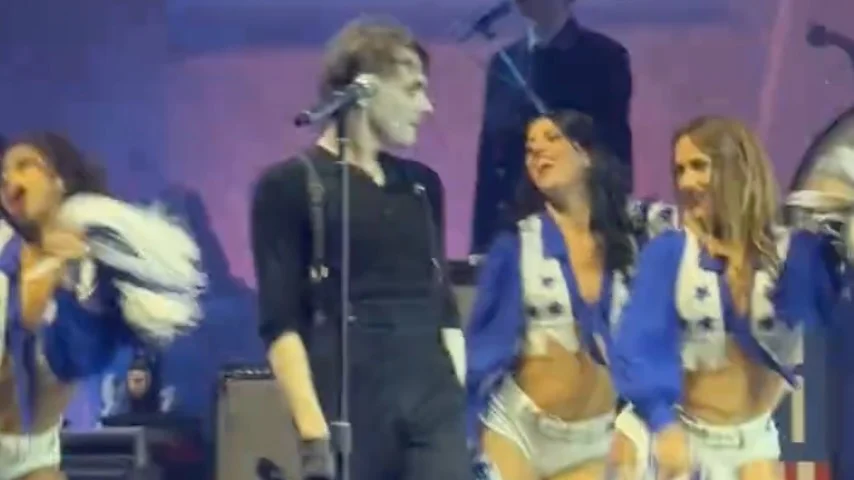

The long-standing intersection between music, performance art, and intellectual property has entered a contentious new chapter as Pro Silver Star Ltd., the parent company overseeing the Dallas Cowboys Cheerleaders (DCC) brand, has initiated formal legal proceedings against the rock band My Chemical Romance. The lawsuit, filed in the wake of the band’s highly publicized residency at the Hollywood Bowl, centers on the unauthorized use of the iconic DCC uniform during a theatrical sequence that the plaintiffs argue causes irreparable harm to their brand’s reputation and commercial viability.
The dispute stems from the opening night of the band’s five-show engagement at the Hollywood Bowl on October 21, 2026. As My Chemical Romance performed their 2006 hit "Teenagers," the stage production featured a group of dancers outfitted in costumes that closely replicated the distinct aesthetic of the Dallas Cowboys Cheerleaders. This visual choice, intended to bolster the narrative of the band’s thematic production, has now become the focal point of a significant legal battle that pits the rights of musical artists against the protected trademark assets of a professional sports organization.
Chronology of the Conflict
The friction between the two parties became public following the October 21 performance. According to the court filings, the sequence in question was designed to fit into the broader narrative of The Black Parade, a concept-heavy theatrical show set in a dystopian, fictional dictatorship. Within this narrative, the performers—dressed in the disputed attire—began the routine with synchronized choreography before transitioning into a staged tactical sequence, which included the use of prop rifles. The performance concluded with the dancers being depicted as casualties in a simulated firefight.
Pro Silver Star Ltd. acted quickly following the event, noting that the immediate reaction from fans and spectators on social media confirmed a level of confusion regarding the performers’ identities. The filing explicitly cites the prevalence of online commentary that erroneously identified the performers as the actual Dallas Cowboys Cheerleaders. By October 23, 2026, legal representatives for Pro Silver Star Ltd. had compiled sufficient evidence to seek a temporary restraining order and a temporary injunction to prevent the use of the uniforms in subsequent performances of the residency.
The Legal Basis of the Claim
The core of the legal action rests on trademark infringement and the dilution of brand identity. The Dallas Cowboys Cheerleaders brand is one of the most recognizable and highly protected entities in the world of professional sports. Since their inception, the cheerleading squad has been carefully curated to project a specific image of athleticism, professionalism, and wholesome American tradition.
In its filing, Pro Silver Star Ltd. maintains that the use of the uniform in the context of a "militarized" and "violent" performance creates a false association between the DCC brand and the themes presented in The Black Parade. The plaintiffs emphasize that they are not challenging the artistic freedom of My Chemical Romance regarding their music, setlist, or political messaging. Rather, they are asserting that the specific visual identity of their trademark is being misappropriated in a way that is antithetical to the values the brand seeks to maintain.
The legal document states: "Silver Star is not litigious, and it takes no issue with MCR’s music, its artistic ambitions, or any message Defendants seek to convey. Silver Star does not ask Defendants to change their setlist, narrative, politics, choreography, or even their decision to put gun-toting performers on stage. Silver Star asks only that those performers not wear the DCC Uniform while doing it."
Economic and Brand Implications
The request for unspecified monetary damages reflects the potential economic impact of the perceived infringement. For an organization like Pro Silver Star Ltd., the value of the DCC brand is tied to licensing, commercial appearances, and a carefully managed public persona. When that persona is juxtaposed with themes of state violence and armed conflict, the organization argues that the "commercial magnetism" of the brand is diluted.
Furthermore, the lawsuit highlights the complexities of modern performance art where visual cues often rely on cultural tropes. My Chemical Romance has long been known for their theatrical, narrative-driven concert tours. However, the use of a proprietary uniform creates a liability issue. Legal analysts suggest that the standard for trademark infringement often hinges on the "likelihood of confusion"—whether a reasonable consumer would believe that the Dallas Cowboys Cheerleaders were officially participating in or endorsing the concert. Given the visual fidelity of the costumes, the plaintiffs are arguing that this threshold has been met.
The Landscape of Trademark and Performance
This case serves as a prominent example of how copyright and trademark law interact with creative performance. While musicians have broad latitude to parody or comment on societal structures, the use of specific, recognizable commercial assets creates a legal gray area.
If the court grants the temporary restraining order, My Chemical Romance will be forced to alter the costumes for the remainder of their residency, or risk further legal action and potentially steeper financial penalties. Conversely, if the court finds that the use constitutes "fair use" or protected artistic parody, it could establish a significant precedent for how brands are permitted to protect their visual identity against use in third-party theatrical productions.
Industry Reactions and Public Sentiment
The incident has sparked a wider conversation about the limits of artistic expression. On one side of the debate, fans of My Chemical Romance argue that the band is engaging in social commentary, using a recognizable symbol of American culture to critique militarism and the state. They argue that the very point of the performance is to subvert traditional symbols, and that the lawsuit is an attempt to censor the band’s artistic vision.
On the other side, intellectual property experts and brand management consultants point to the necessity of protecting assets that organizations have invested decades in building. "A brand is not just a logo; it is a composite of values, associations, and visual identifiers," notes one legal observer. "When an entity allows their trademarks to be used in ways that contradict their core mission, they risk losing the exclusivity and control that define the value of that trademark."
Looking Ahead
As the legal proceedings continue, all eyes are on how the court will balance the First Amendment protections afforded to artistic performance against the property rights held by Pro Silver Star Ltd. The outcome of this case may have far-reaching implications for concert producers, theatrical designers, and major brands that rely on their uniforms and logos for their market identity.
While the immediate concern is the remainder of the Hollywood Bowl residency, the broader legal question—how much of a brand’s visual identity can be borrowed for artistic commentary—remains unresolved. My Chemical Romance has not yet released a detailed public statement regarding the specifics of the lawsuit, though their legal team is expected to file a formal response in the coming days.
In the interim, the production at the Hollywood Bowl remains a focal point for both music enthusiasts and legal scholars. Whether the result is a settlement, a court-ordered change in costume design, or a landmark ruling on the intersection of art and trademark law, the outcome will likely define the parameters of visual borrowing in major stage productions for years to come. For now, the "Black Parade" continues, though perhaps with a slightly altered aesthetic as the band navigates this complex legal challenge.