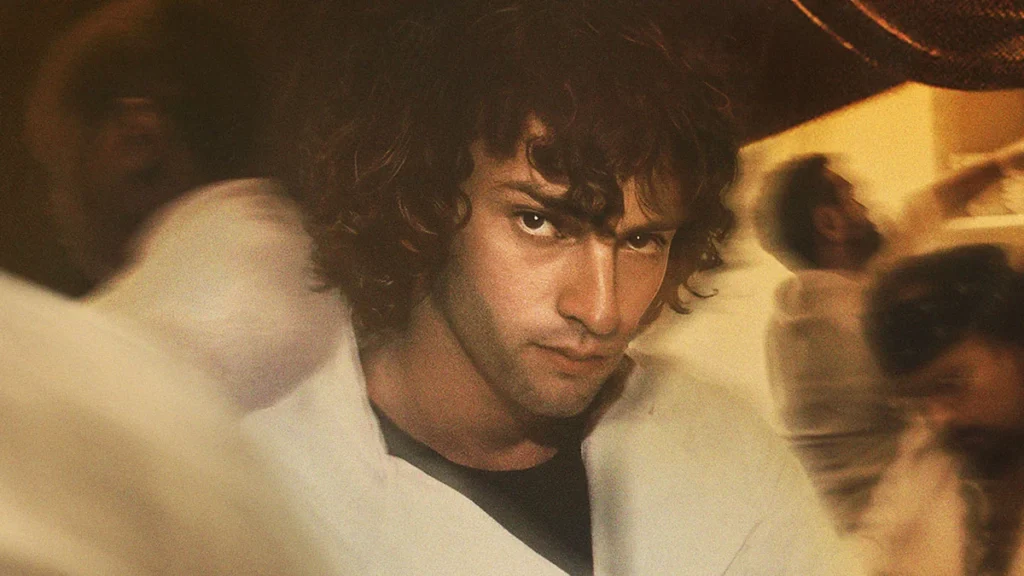

The highly anticipated biopic Tony is poised to transport audiences to the formative years of the iconic chef, author, and television personality, Anthony Bourdain, with the release of its inaugural trailer offering a compelling glimpse into his nascent culinary journey. Dominic Sessa, acclaimed for his breakout role in The Holdovers, steps into the shoes of the legendary figure during a pivotal, less-documented period of his life, specifically the tumultuous and inspiring genesis of his career in the kitchen. The trailer reveals a young Bourdain grappling with professional setbacks, notably losing a writing fellowship, only to find an unexpected yet profound new direction and passion within the demanding world of professional cooking. This transformative phase unfolds as he takes on a challenging role under the tutelage of an exacting head chef in a Provincetown kitchen, a character brought to life by the esteemed Antonio Banderas.
The Genesis of Tony: A Glimpse into Bourdain’s Formative Years
Directed by Matt Johnson, known for his critically lauded work on Blackberry and the unique comedic style of Nirvanna: The Band – The Show – The Movie, Tony promises a narrative distinct from conventional biographical films. Johnson, in an interview with EW, clarified that the screenplay deliberately hones in on specific chapters from Bourdain’s seminal, best-selling memoir, Kitchen Confidential: Adventures in the Culinary Underbelly. This strategic focus on Bourdain’s early immersion in professional kitchens aims to illuminate the foundational experiences that forged his distinctive voice and worldview, long before he became a global cultural phenomenon. The choice to explore this particular era is endorsed by Bourdain’s estate, which released a statement emphasizing that the film "is not a standard biopic and doesn’t attempt to summarize a life… It is an interpretation, as that part of Tony’s life will always remain somewhat unknown." This sentiment underscores a desire to present an authentic yet artistically interpreted narrative, respecting the complexities and private aspects of Bourdain’s early existence. By focusing on a period prior to his widespread fame, the film avoids the pitfalls of attempting to encapsulate an entire, sprawling life, instead offering a concentrated study of the raw ambition, frustrations, and eventual epiphanies that shaped him.
Dominic Sessa as Anthony Bourdain: Casting and Portrayal
The casting of Dominic Sessa as Anthony Bourdain represents a significant moment for the young actor, building on the critical acclaim he garnered for his performance in Alexander Payne’s The Holdovers. Sessa, who also has a role in the upcoming Now You See Me: Now You Don’t, faces the formidable task of portraying a figure whose public persona became synonymous with authenticity, wit, and a certain world-weary charm. Bourdain, throughout his extensive career in television with shows like A Cook’s Tour, No Reservations, and Parts Unknown, cultivated a larger-than-life image as an intrepid traveler, a discerning eater, and a brutally honest commentator on food, culture, and life itself. The challenge for Sessa lies not in mimicking the later, well-known Bourdain, but in embodying the younger, less polished, yet equally driven individual who was still finding his voice and his place in the world. This requires a nuanced performance, capturing the blend of intellectual curiosity, artistic frustration, and burgeoning culinary passion that characterized Bourdain during his pre-fame years. The trailer suggests Sessa is delving into the grit and determination required to survive and thrive in the high-pressure environment of a professional kitchen, hinting at the physical and emotional intensity that defined Bourdain’s early culinary experiences.
Matt Johnson’s Vision: Directorial Approach and Style
Matt Johnson’s involvement as director signals a distinct approach to the biopic genre. His previous works, particularly Blackberry, which chronicled the dramatic rise and fall of the titular smartphone, have demonstrated a knack for blending historical detail with a dynamic, often fast-paced narrative style. Johnson’s films frequently employ a mockumentary aesthetic or a raw, almost improvisational feel, which could lend a unique texture to Tony. The estate’s insistence that the film is "not a standard biopic" aligns well with Johnson’s track record of subverting conventional storytelling. Instead of a linear, comprehensive life story, audiences can anticipate a more impressionistic or thematic exploration of Bourdain’s early struggles and triumphs. This approach could utilize archival elements, a non-linear structure, or a heightened sense of realism to capture the chaotic yet creatively fertile atmosphere of professional kitchens in the era depicted. Johnson’s ability to extract compelling drama from real-life events, coupled with his distinctive visual and narrative style, positions Tony to offer a fresh perspective on a figure whose story has often been recounted through his own eloquent prose and charismatic screen presence.
The Narrative Core: Kitchen Confidential and the Culinary Underbelly
At the heart of Tony‘s narrative lies Kitchen Confidential, the groundbreaking memoir published in 2000 that irrevocably altered public perception of the culinary world and launched Bourdain into an unexpected celebrity. The book was a raw, unfiltered exposé of the realities of restaurant life – a world of intense pressure, long hours, questionable hygiene, and an undeniable camaraderie forged in the heat of the kitchen. Bourdain’s prose was a revelation: witty, cynical, poetic, and utterly captivating. By focusing on chapters from this seminal work, Tony promises to delve into the specific incidents and environments that shaped Bourdain’s professional identity. The plot point of Bourdain losing a writing fellowship before finding his calling in the kitchen is a poignant detail from his life, illustrating a path not taken and the serendipitous discovery of his true métier.
The Provincetown kitchen setting, where Antonio Banderas’s character serves as a demanding head chef, is likely to be a crucible for young Bourdain. Such figures are often instrumental in a young chef’s development, pushing them to their limits, instilling discipline, and ultimately igniting a deeper passion for the craft. Banderas, known for his versatile roles ranging from romantic leads to intense villains, is well-suited to portray a character who is both a mentor and a formidable challenge. His presence suggests a dynamic tension that will drive Bourdain’s transformation from a disillusioned writer to a nascent culinary force. The culinary world of the late 20th century, particularly in places like Provincetown which has a vibrant, if seasonal, restaurant scene, would have been a melting pot of ambition, talent, and eccentricity, providing fertile ground for Bourdain’s developing observational skills and his eventual literary voice.
Supporting Cast and Creative Team
Beyond Sessa and Banderas, Tony features a robust ensemble cast including Emilia Jones, Dagmara Domińczyk, Rich Sommer, Stavros Halkias, and Leo Woodall. While their specific roles have not been fully detailed, their collective presence suggests a rich tapestry of characters who will populate Bourdain’s early world, from fellow kitchen staff to acquaintances who influenced his journey. The film’s distribution by A24 is another significant indicator of its potential quality and unique artistic vision. A24 has established itself as a powerhouse in independent cinema, renowned for backing critically acclaimed and often unconventional films that push creative boundaries. Their portfolio includes a diverse range of genres, but a consistent thread is a commitment to strong storytelling and distinctive directorial voices. A24’s involvement not only lends significant credibility to Tony but also suggests that the film will prioritize artistic integrity and character depth over mainstream commercial appeal, aligning perfectly with the estate’s vision of a "non-standard biopic."
Anthony Bourdain’s Enduring Legacy: Why This Story Matters Now
Anthony Bourdain’s influence on global culture extends far beyond the kitchen. He democratized food, making it accessible and fascinating to a broader audience by stripping away pretension and embracing authenticity. His shows were not just about food; they were about travel, culture, politics, and the human condition. He possessed an unparalleled ability to connect with people from all walks of life, from street vendors to Michelin-starred chefs, sharing their stories with empathy and incisive commentary. His death in 2018 sent shockwaves across the globe, leaving a void in culinary journalism and travelogue programming. The enduring fascination with Bourdain stems from his intellectual curiosity, his unwavering honesty, his irreverent humor, and his willingness to expose his own vulnerabilities.
A film like Tony, which explores his foundational experiences, offers a crucial lens through which to understand the origins of this complex and beloved figure. By focusing on his struggles and early inspirations, the movie can provide context for the later development of his iconic persona. It can illustrate how the gritty realities of kitchen life shaped his anti-establishment ethos and fueled his desire to explore the world and its diverse cuisines. For a new generation unfamiliar with Bourdain’s initial impact, Tony serves as an introduction to the man before the myth, showcasing the nascent talents that would eventually make him a cultural touchstone. For long-time fans, it offers an intimate, perhaps revelatory, look at the experiences that forged the voice they came to admire.
The Biopic Landscape: A Non-Traditional Approach
The landscape of biopics has evolved significantly, moving beyond linear, comprehensive narratives to more focused, thematic explorations of a subject’s life. Tony‘s decision to concentrate on a specific, less-documented period aligns with this trend, offering a deeper dive into a critical juncture rather than a superficial overview. This approach, supported by Bourdain’s estate, allows for artistic interpretation and avoids the trap of attempting to encapsulate an entire, multi-faceted life into a two-hour film. The estate’s statement about the "unknown" aspect of Bourdain’s early life also grants the filmmakers a certain creative license, allowing them to construct a compelling narrative while remaining true to the spirit of the individual. This nuanced approach could set Tony apart from other biopics, which sometimes struggle with balancing factual accuracy and dramatic necessity.
Furthermore, the film’s potential to explore themes of ambition, disillusionment, artistic struggle, and the pursuit of passion resonates universally. Bourdain’s journey from a frustrated writer to a celebrated chef and author is a testament to the unpredictable nature of life and the importance of finding one’s true calling, even if it comes later than expected. The film’s examination of the demanding, often brutal, yet ultimately rewarding environment of professional kitchens also offers a glimpse into a world that continues to fascinate and intimidate.
Anticipation and Implications
The release of Tony is poised to reignite conversations about Anthony Bourdain’s life, his legacy, and his profound impact on food culture and media. Fan expectations are high, given Bourdain’s enduring popularity and the quality of the talent involved. Critics will likely scrutinize Sessa’s portrayal and Johnson’s directorial choices, evaluating how effectively they capture the essence of a man so deeply ingrained in the public consciousness. The film’s August release, typically a window for both prestige indies and counter-programming, positions it for a potentially strong critical and audience reception.
Beyond its artistic merits, Tony could also serve as a cultural touchstone, prompting renewed interest in Bourdain’s literary works and television series. It may also contribute to broader discussions surrounding mental health, particularly in high-pressure industries like the culinary world, and the complex realities faced by public figures. By focusing on the origin story, the film offers a new perspective on the man whose later struggles became tragically public, inviting audiences to reflect on the journey that shaped him into the icon he became. The combination of a compelling subject, a rising star, an acclaimed director, and the backing of A24 positions Tony not merely as a biographical film, but as a significant cultural event that promises to enrich the understanding of one of the 21st century’s most influential voices. The trailer itself, a mere glimpse, has already set the stage for a compelling and insightful cinematic experience.