
The intersection of high fashion and avant-garde interior design has reached a new milestone as Louis Vuitton unveils its latest expansion of the Objets Nomades collection. Debuted during the prestigious Salone del Mobile in Milan, the new series serves as a profound homage to the brand’s historical collaboration with Pierre Legrain, a visionary of the Art Deco movement. By revisiting designs that were first conceived over a century ago, Louis Vuitton is not merely releasing luxury furniture; it is reasserting its position as a custodian of French decorative arts. The collection features a meticulous blend of archival accuracy and contemporary material innovation, bridging the gap between the roaring 1920s and the sophisticated demands of 21st-century collectors.
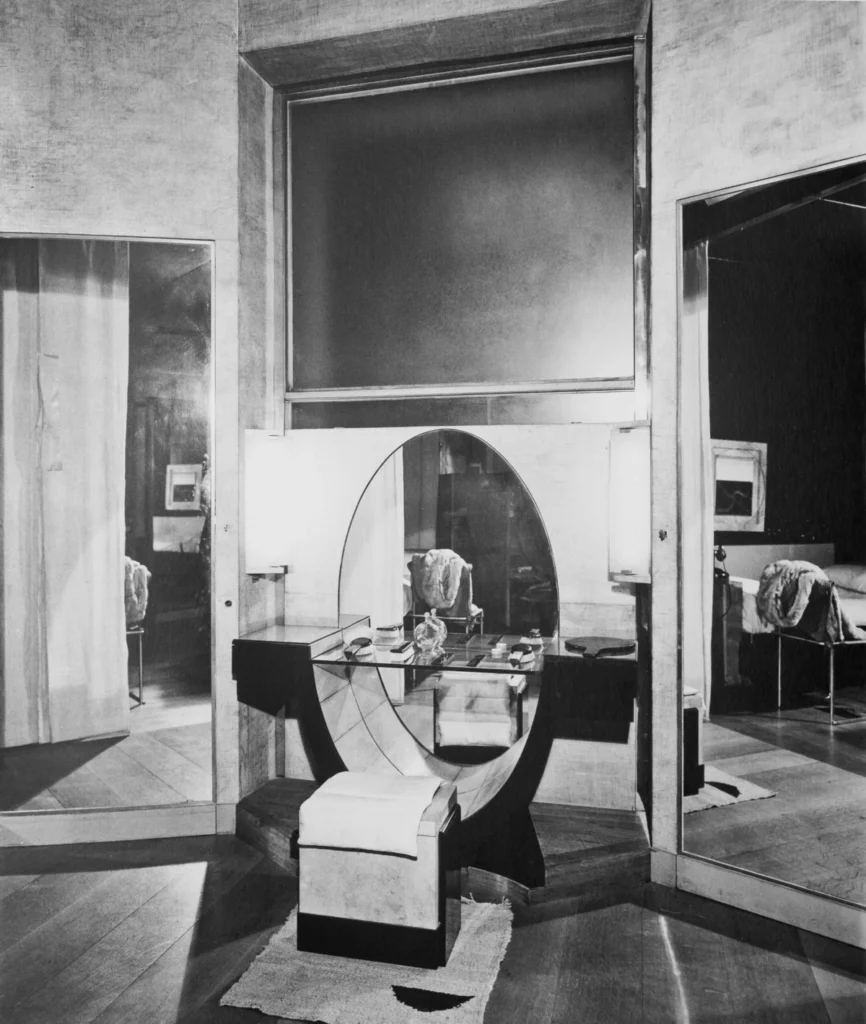
The centerpiece of this revival is the reimagining of the label’s first-ever furniture edition, a dressing table designed by Legrain in 1921. Alongside this flagship piece, the collection introduces textiles, folding chairs, and decorative screens that draw from Legrain’s prolific career as an illustrator and master bookbinder. This strategic move by Louis Vuitton coincides with a global resurgence of interest in Art Deco, a style characterized by geometric precision, rich materials, and a relentless pursuit of modernity.

The Genesis of a Partnership: Gaston-Louis Vuitton and Pierre Legrain
To understand the significance of the new collection, one must look back to the early 20th century. Gaston-Louis Vuitton, the grandson of the house’s founder and the third generation to lead the brand, was a man of immense curiosity and artistic sensibility. Unlike his predecessors, who focused primarily on the technical perfection of trunks and travel gear, Gaston-Louis was deeply immersed in the cultural zeitgeist of Paris. He was an avid collector of books, a patron of the arts, and a keen observer of the shifting aesthetic landscape.
In the early 1920s, the world was moving away from the organic, flowing lines of Art Nouveau toward the structured, industrial elegance of what would later be known as Art Deco. Gaston-Louis identified Pierre Legrain as a key figure who could translate this new energy into the world of Louis Vuitton. Legrain was already a rising star, having worked under the tutelage of the legendary couturier and collector Jacques Doucet. Legrain’s versatility was his greatest asset; he was equally skilled at creating delicate illustrations, designing bespoke furniture, and revolutionizing the art of bookbinding.
The collaboration began with Legrain providing delicate linework for Louis Vuitton’s advertisements in 1910. However, the partnership reached its zenith in 1921 when Gaston-Louis commissioned Legrain to design a piece of furniture that would represent the brand’s entry into the domestic sphere. The result was a lacquered wood dressing table, a piece so radical in its geometry and finish that it caused a sensation at the Salon des Artistes Décorateurs in Paris. It was later acquired by the prominent arts patron Jeanne Tachard, cementing its status as a masterpiece of early modern design.

Chronology of the Louis Vuitton and Legrain Collaboration
The relationship between the luxury house and the designer can be mapped through several key milestones that defined the aesthetic direction of the brand for decades:
- 1910: Pierre Legrain begins his association with Louis Vuitton, contributing illustrations that would define the brand’s early 20th-century visual identity.
- 1921: The debut of the first furniture edition at the Salon des Artistes Décorateurs. This red-and-black lacquered dressing table marked Louis Vuitton’s official foray into high-end furniture design.
- 1920s-1929: Legrain continues to influence the brand’s aesthetic while simultaneously producing over 1,000 bespoke bookbindings for elite Parisian clients, including Jacques Doucet.
- 1925: The International Exhibition of Modern Decorative and Industrial Arts in Paris takes place, where the Art Deco movement receives its name and Louis Vuitton’s influence on modern luxury is solidified.
- 2012: Louis Vuitton launches the Objets Nomades collection, a series of travel-inspired furniture and objects created in collaboration with world-renowned designers.
- 2024: The house returns to its roots, integrating Legrain’s archival designs into the contemporary Objets Nomades line, presented at Salone del Mobile.
From Archive to Atelier: The Modern Reimagining
The 2024 collection is not a mere reproduction of historical artifacts but a sophisticated "translation" of Legrain’s vision using modern techniques and materials. Nathalie Fremon, Senior Vice President of Architecture and Home Collections at Louis Vuitton, emphasizes that while the original pieces were revolutionary for their time, they possess a timeless quality that allows them to integrate seamlessly into modern homes.
The Celeste Coiffeuse
The original 1921 dressing table has been reborn as the "Celeste Coiffeuse." While the silhouette remains faithful to Legrain’s geometric original, the material application has been updated to reflect Louis Vuitton’s mastery of leather. Where the original utilized lacquer—a traditional Art Deco medium—the new version is wrapped in exquisite leather, providing a tactile softness that contrasts with the rigid, architectural form. This shift highlights the brand’s "savoir-faire" in leatherwork, a core pillar of its identity since 1854.

The Riviera Chilienne
Another standout piece is the Riviera Chilienne, an oak folding chair inspired by African art—a major influence on Legrain and the broader Art Deco movement. The modern iteration features intricate inlays of mother-of-pearl, adding a layer of opulence and light-reflecting brilliance to the dark wood. The chair’s design speaks to the "nomadic" spirit of the collection, offering a functional piece that can be folded and moved, echoing the brand’s heritage in travel.
Textiles and Accessories
Perhaps the most expansive part of the collection is the range of textiles and home accessories. Legrain’s legacy as a bookbinder provided a rich visual vocabulary for these items. Throughout his career, Legrain designed more than 1,000 bespoke book jackets, each a unique exploration of color and pattern. Louis Vuitton has adapted these motifs into hand-tufted carpets and decorative pillows. The "Metropolis" textile, for instance, uses silk, wool, and bamboo to recreate Legrain’s collage-like graphics. Fremon notes that the carpets were constructed like "marquetry," with different fibers and colors fitted together with the precision of inlaid wood.
Supporting Data: The Value of Heritage in the Luxury Market
The decision to revive Legrain’s work is supported by current market trends within the luxury sector. According to recent industry reports, the "Heritage Luxury" segment has seen a 15% increase in consumer interest over the last three years. Collectors are increasingly seeking items that offer a narrative connection to the past, viewing them as more stable investments than trend-driven contemporary pieces.

Furthermore, the Art Deco period remains one of the most sought-after eras in the secondary furniture market. Auction data from firms like Christie’s—which has handled several of Legrain’s original bookbindings and furniture pieces—shows that original Art Deco works continue to command premium prices, often exceeding pre-sale estimates by 20% to 30%. By aligning its modern production with these high-value historical designs, Louis Vuitton is effectively capturing both the primary luxury market and the collector’s market.
Official Responses and Strategic Vision
Nathalie Fremon’s insights provide a window into the brand’s strategic philosophy. She suggests that the revival is about understanding the "roots" upon which the brand sits. "Designers were searching for a very pure product that would still convey exceptional craftsmanship and beautiful materials," Fremon stated, referring to the original Art Deco pioneers. She believes that the current global climate has created a renewed appetite for the "timelessness" of Art Deco.
This sentiment is echoed by design critics who viewed the Milan presentation. The consensus among industry experts is that Louis Vuitton is successfully leveraging its archive to differentiate itself in a crowded home decor market. By highlighting a specific historical collaborator like Legrain, the brand moves beyond the generic "luxury" label and positions itself as a cultural institution.

Broader Impact and Implications for the Design Industry
The release of the Legrain-inspired Objets Nomades collection has several implications for the broader design and fashion industries. First, it reinforces the trend of "Quiet Luxury" in home interiors. The use of exotic woods like palm and ebony, combined with the subtle reflection of mother-of-pearl and the softness of high-grade leather, prioritizes material quality over overt branding.
Second, the collection marks a significant moment in the "democratization" of archival design. While the original Legrain pieces are tucked away in private collections or museums, this new series allows a broader (albeit still exclusive) audience to interact with and own a piece of Art Deco history. It also sets a precedent for other heritage houses to look deeper into their own archives for collaborative inspiration rather than relying solely on contemporary celebrity designers.
Finally, the intersection of bookbinding and furniture design showcased in this collection suggests a move toward "holistic" interior branding. Louis Vuitton is not just selling a chair or a table; it is selling an entire aesthetic ecosystem that spans from the library to the dressing room. As the Art Deco movement approaches its official centennial milestones, Louis Vuitton’s tribute to Pierre Legrain stands as a testament to the enduring power of structured elegance and the "exceptional craftsmanship" that defined the 20th century and continues to shape the 21st.