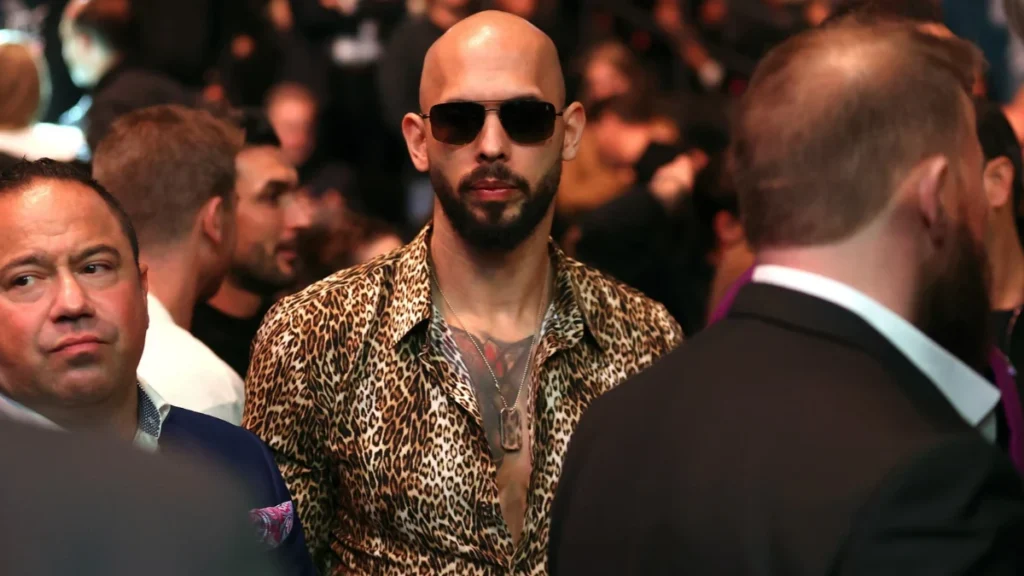

The landscape of modern digital media has frequently been disrupted by self-proclaimed influencers who leverage the architecture of social platforms to amass vast fortunes, devoted followings, and unprecedented cultural influence. Among the most polarizing figures to emerge in recent years are Andrew Tate and his brother, Tristan Tate, former kickboxers turned online personalities whose outspoken commentary on masculinity, wealth, and societal structures has ignited global debates. Now, the complex trajectory of their digital empire and the severe criminal allegations shadowing their success are set to receive an in-depth examination in an upcoming television project. Investigation Discovery (ID) has officially scheduled the release of a four-part docuseries titled Andrew Tate: Toxic Empire, designed to dissect the meteoric rise, controversial business models, and subsequent legal reckonings of the Tate brothers.
Slated to premiere on November 25, the docuseries will be broadcast on the Investigation Discovery network while simultaneously becoming available for streaming on HBO Max. Directed and produced by a team consisting of Julian P. Hobbs, Elli Hakami, and Adrian Murray, the project promises a meticulous journalistic inquiry into how a pervasive online subculture intersected with serious criminal accusations. As the premiere date approaches, media analysts, legal observers, and the public are turning their attention toward the structural mechanics of the Tates’ online operations and the far-reaching implications of the ongoing judicial proceedings spanning multiple international jurisdictions.
An In-Depth Look at the Toxic Empire Production and Scope
According to official programming descriptions and industry reports from outlets such as Variety, Andrew Tate: Toxic Empire aims to provide a comprehensive, multi-faceted look at the narrative that has consistently dominated international headlines. The production team secured unprecedented access to a diverse array of sources, including former male followers, internal insiders, alleged survivors of abuse, and specialized investigative journalists. Furthermore, the series incorporates an extensive archive of historical material documenting the brothers’ public and private communications over the years.
The core premise of the documentary explores the thin line between aspiration and exploitation in the digital age. Andrew Tate initially captured mainstream attention through a combination of flashy displays of wealth, motivational rhetoric regarding physical fitness, and aggressive promotions of male dominance. While this messaging alienated many critics who labeled his content as deeply misogynistic and harmful to young audiences, it simultaneously resonated with millions of impressionable young men worldwide. The docuseries examines how this carefully curated persona was monetized, transforming online notoriety into a sprawling financial ecosystem.
Beyond the cultural commentary, the project directly tackles the darker allegations that have trailed the brothers’ business ventures. Investigators and former associates interviewed in the series shed light on the mechanisms behind the Tates’ early webcam modeling operations and their controversial educational initiatives, which allegedly functioned as recruitment pipelines. By assembling testimonies from individuals intimately familiar with the inner workings of the empire, Investigation Discovery seeks to construct a definitive timeline of how these controversial enterprises were established and operated.
Unpacking the Business Models: From Webcam Operations to Digital Academies
To fully understand the gravity of the allegations presented in the upcoming docuseries, it is necessary to examine the commercial enterprises that formed the foundation of the Tate brothers’ wealth. Long before achieving universal digital ubiquity through short-form video algorithms on platforms like TikTok, Instagram, and YouTube, the brothers ventured into the webcam industry, operating studios out of Romania.
According to investigative reports and previous law enforcement disclosures, the Tates employed numerous women to work as webcam models, interacting with online clients globally. While the brothers maintained that these operations were entirely legitimate and lucrative business ventures, former associates and critics have alleged a much darker reality characterized by psychological manipulation and coercion. The docuseries specifically explores these webcam operations alongside the infamous "PhD" (an acronym colloquially utilized within their circles) course. This digital program allegedly instructed paying subscribers on how to manipulate women, build emotional dependencies, and systematically recruit them into the webcam industry to generate passive income for male operators.
As their digital footprint expanded, the brothers transitioned from webcam enterprises to broader educational platforms, most notably "Hustlers University" and its successor, "The Real World." These subscription-based online communities promised members financial freedom through cryptocurrency trading, e-commerce, copywriting, and content creation. At its peak, the platform boasted hundreds of thousands of paying members, generating millions of dollars in monthly recurring revenue. However, critics, educational advocates, and regulatory watchdogs frequently condemned the programs as pyramid schemes that preyed on financially vulnerable young men seeking quick pathways to wealth. The documentary delves into the inner mechanics of these digital academies, questioning the ethical boundaries of monetizing modern male insecurity and aspiration.
Chronology of Legal Scrutiny and International Investigations
The trajectory of Andrew and Tristan Tate is defined not only by their digital output but also by a steadily escalating series of legal challenges across multiple countries. The timeline of their encounters with law enforcement highlights a complex web of international jurisdictions and severe criminal accusations.
The foundational legal pressures materialized in late 2022. On December 29, 2022, Romanian authorities belonging to the Directorate for Investigating Organized Crime and Terrorism (DIICOT) raided the Tates’ compound near Bucharest. Andrew Tate, Tristan Tate, and two Romanian female suspects were detained. In June 2023, Romanian prosecutors formally indicted the brothers, along with their alleged accomplices, on charges of human trafficking, rape, and forming an organized criminal group to sexually exploit women. Throughout the subsequent months and years, the brothers were subjected to periods of preventative arrest, house arrest, and strict judicial control as the Romanian judicial system reviewed the case files and proceeded through preliminary chamber hearings. Both brothers have consistently and vigorously denied all allegations, claiming that the charges are part of a coordinated conspiracy designed to silence their political and cultural speech.
As the Romanian legal proceedings slowly progressed, additional international pressures began to mount, particularly from British authorities. The Tate brothers, who hold dual United States and British citizenship, became the focus of investigations by law enforcement agencies in the United Kingdom regarding historical allegations of sexual assault and physical abuse dating back years.
The transcontinental legal drama reached a significant milestone in July of the following year. Following formal extradition requests issued by British authorities, law enforcement officers apprehended Andrew and Tristan Tate in Miami, Florida. The arrest marked a dramatic escalation in their legal battles, shifting the focal point from Eastern Europe to the United Kingdom. Despite the execution of the extradition requests and their subsequent processing in the United States, the brothers have yet to formally appear in a British court to answer the specific charges of rape and trafficking for sexual exploitation. Legal analysts note that extradition proceedings and jurisdictional negotiations between U.S., British, and Romanian authorities involve intricate legal maneuvers that can significantly extend the timeline before a definitive trial commences in the UK.
Statements, Denials, and Public Relations Strategy
Throughout the unfolding legal crises and the relentless media scrutiny, the Tate brothers and their legal representation have maintained a calculated public relations strategy. Utilizing whatever digital access they retained during periods of freedom—and frequently issuing statements through spokespersons or legal teams during periods of detention—the Tates have characterized themselves as victims of political persecution.
Representatives for the brothers have consistently asserted their innocence regarding all allegations of human trafficking, sexual assault, and organized crime. In public statements, their legal counsel has argued that the prosecution’s case relies on unreliable testimonies, misconstrued statements, and a concerted effort by institutional powers to censor independent male voices who challenge mainstream cultural narratives.
Furthermore, the brothers have attempted to leverage the very media attention directed against them to reinforce their brand loyalty among their remaining supporters. By framing investigative documentaries, news reports, and governmental investigations as badges of honor in a supposed war against traditional masculinity, they have maintained a core demographic of devoted followers who reject mainstream media narratives entirely. This polarized dynamic ensures that releases like Investigation Discovery’s Toxic Empire enter a highly charged environment where objective fact-finding must contend with entrenched ideological biases.
Broader Impact and Implications of the Tate Phenomenon
The impending release of Andrew Tate: Toxic Empire underscores a broader cultural and sociological phenomenon defining the mid-2020s: the mainstream media’s struggle to reckon with decentralized, internet-born figures who wield immense influence over young demographics.
The rise of the Tate brothers highlights critical vulnerabilities in contemporary digital infrastructure. Algorithmic amplification on major social media platforms historically rewarded provocative, highly polarizing content, allowing figures to bypass traditional media gatekeepers and build direct, parasocial relationships with millions of followers. Even when major platforms enacted bans against Andrew Tate for violating community guidelines regarding hate speech and dangerous organizations, the decentralized nature of his fanbase—who continuously re-uploaded his clips across thousands of smaller accounts—demonstrated the extreme difficulty of censoring determined digital presences.
Moreover, the societal implications of the "manosphere" subculture represented by the Tates have alarmed educators, psychologists, and public health advocates. Studies and reports from educational institutions indicate a growing ideological divide between young men and women, with a notable percentage of adolescent males adopting reactionary views on gender roles, relationships, and societal equality. The normalization of aggressive rhetoric and the commodification of misogyny under the guise of self-improvement have sparked urgent conversations about the need for digital literacy programs, robust mental health support for young men, and proactive interventions by technology corporations.
As Investigation Discovery prepares to broadcast Andrew Tate: Toxic Empire, the series will undoubtedly reignite global discussions surrounding accountability, the responsibilities of media platforms, and the boundaries of free speech in an interconnected world. Whether the documentary serves as a definitive historical record or merely another chapter in an ongoing saga, its release marks a pivotal moment in the public reckoning with the power and perils of digital celebrity.