
The clever medical drama Watson concluded its run on Sunday, May 3rd, with a series finale that brought John Watson’s personal health crisis to a head while simultaneously reuniting him with his enigmatic friend, Sherlock Holmes. The episode, airing on CBS and now available for streaming on Paramount+, delivered a complex tapestry of medical emergencies, criminal intrigue, and profound personal revelations, leaving viewers with a sense of closure, albeit with the characteristic complexity that defined the series.
A Ticking Clock and a Friend’s Return
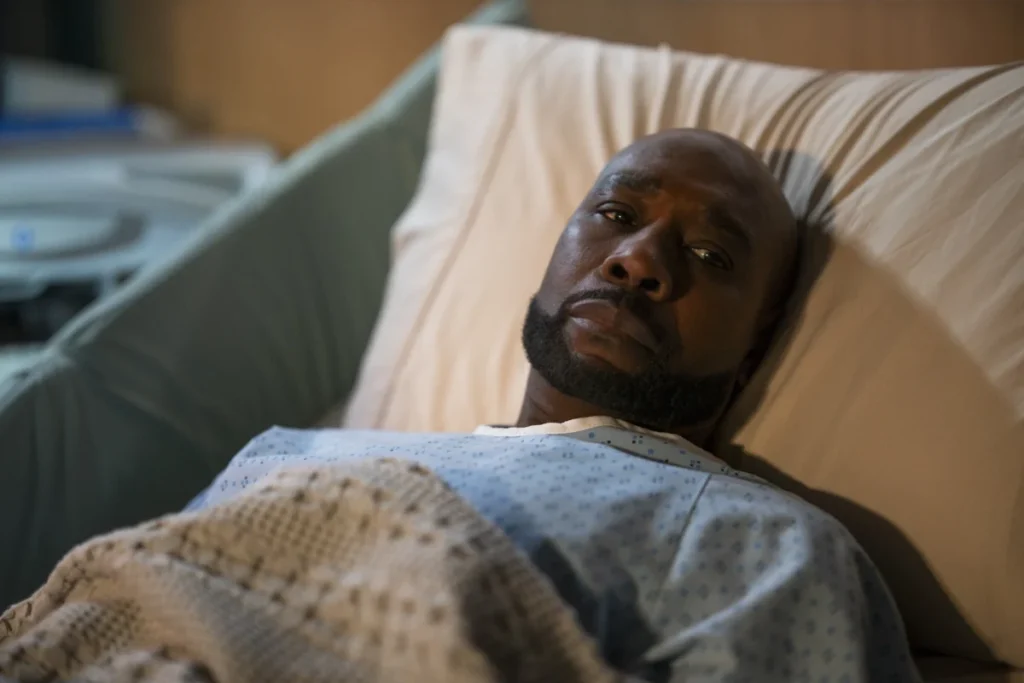
The central conflict of the finale revolved around Dr. John Watson’s (Morris Chestnut) battle with a brain tumor. Having reluctantly agreed to surgery, Watson’s plans were dramatically upended by the reappearance of Sherlock Holmes (Robert Carlyle), a figure he had been hallucinating throughout the season. This unexpected return, coupled with the re-emergence of Sebastian Moran (Eddie Izzard) and a significant revelation from Mary (Rochelle Aytes), set the stage for a gripping and emotionally charged conclusion.
Watson’s medical prognosis was dire. His doctors had warned him of the tumor’s potential to cause severe pain, memory loss, and debilitating seizures. The recommended course of action was immediate surgery to preserve his cognitive functions and identity. However, the news of Sherlock’s apparent survival propelled Watson to abandon his own urgent medical needs. In a poignant moment, he left a simple, yet deeply meaningful, apology for Mary on his hospital room’s communication board: "I’m sorry." This act underscored Watson’s enduring loyalty and his ingrained instinct to prioritize others, even at immense personal risk.
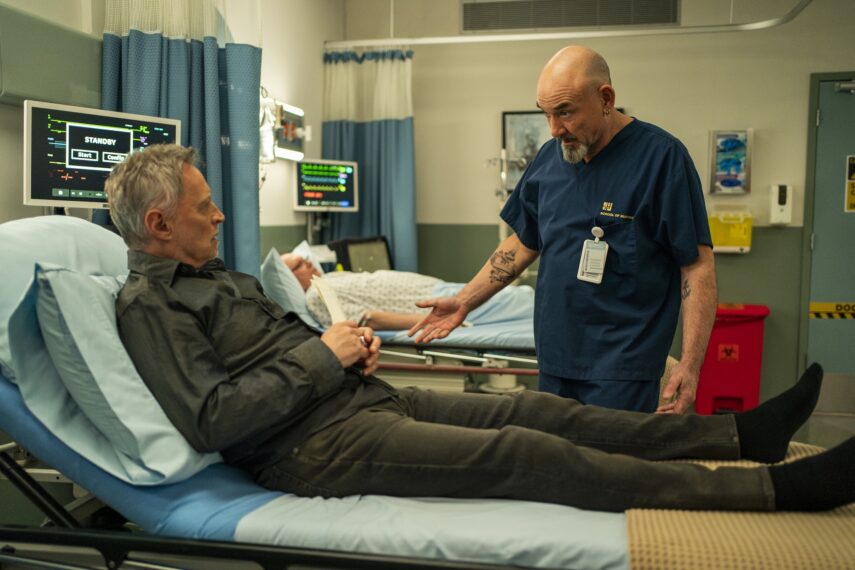
The medical team at UHOP expressed their frustration and concern over Watson’s decision to defer his treatment. His colleagues, including Dr. Ingrid (Eve Harlow), pleaded with him to focus on his own well-being. The situation escalated when Sherlock, having regained his memories, understood the severity of Watson’s condition. He, too, urged his friend to seek immediate medical attention. Despite the availability of a surgeon willing to travel to Pittsburgh for the procedure, Watson remained resolute in his desire to first address Sherlock’s issues. This dynamic highlighted the profound, almost codependent, relationship between the two men, where their shared history and mutual concern often superseded individual needs.
Moran’s Shadow and a Seizure’s Grip
The tension further amplified with the arrival of Sebastian Moran, a dangerous associate of Moriarty. Moran’s presence introduced a new layer of threat, as he sought to "fix" Sherlock to make him useful again, holding Mary’s safety as leverage. This manipulative tactic created an impossible dilemma for Watson, forcing him to navigate a perilous intersection of personal danger and criminal threats.
Watson’s unwavering commitment to Sherlock ultimately led to a critical medical event. He suffered a seizure, described by Dr. Ingrid as his brain firing erratically, pushing him to the brink of irreversible damage. The worst-case scenario, she explained, was a continuous seizure, which is often fatal, or one that, even if stopped, would result in profound and permanent loss of language, memory, and self. Ingrid’s emotional plea, “Dr. Watson, John. You mean something to me. You gave me a place in this awful, beautiful world. And if I have to visit you in a long-term care facility every day forever, I’ll do it. But please, please, don’t make me,” resonated deeply, emphasizing the human connections forged within the hospital walls.
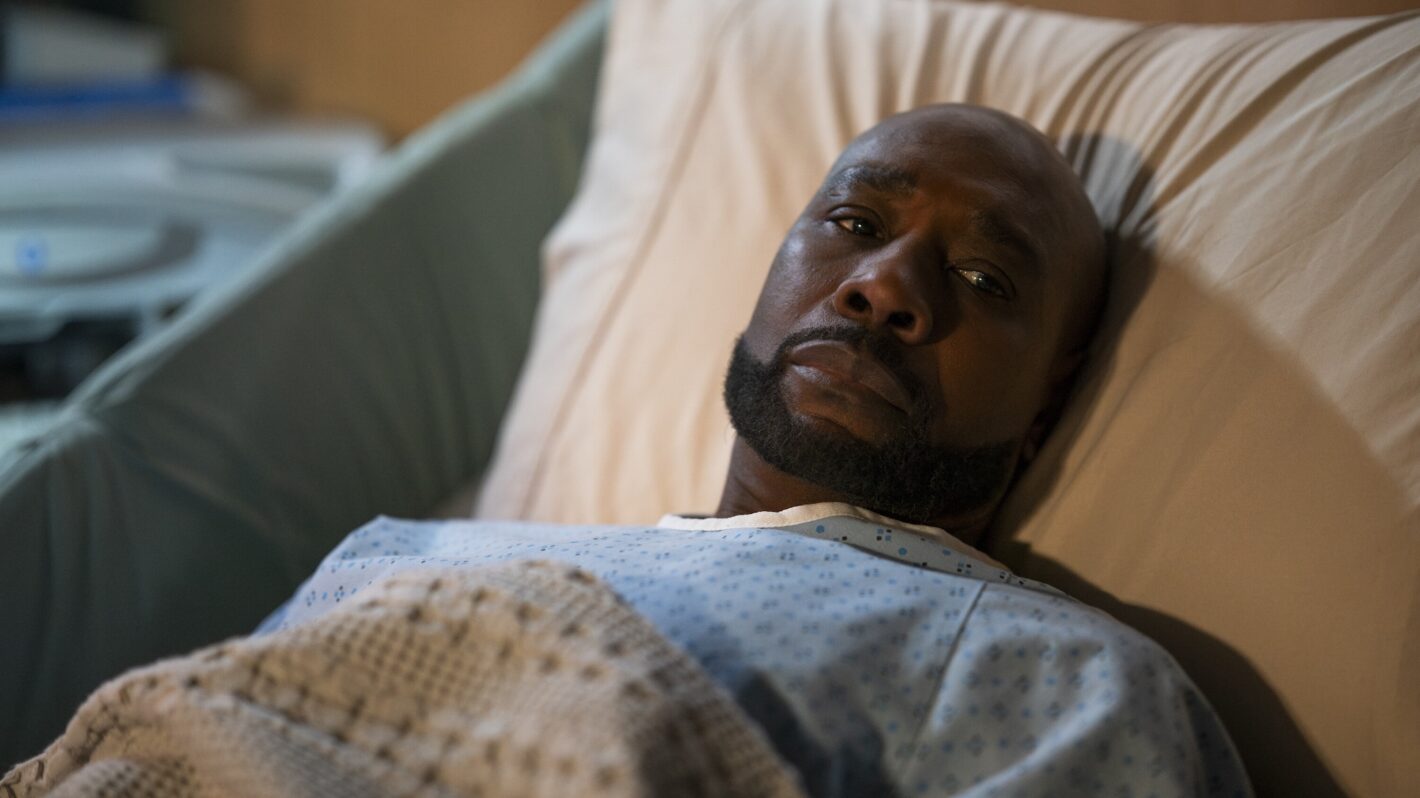
Despite these dire warnings, Watson continued to press for answers regarding Sherlock’s condition. This dedication culminated in the prolonged seizure, necessitating his intubation and placement in a medically induced coma. The uncertainty surrounding his recovery was palpable, with doctors uncertain of his state even if the seizure subsided.
A Tapestry of Goodbyes and a Glimmer of Hope
As Watson lay unconscious, a series of heartfelt visits unfolded. Shinwell (Ritchie Coster) offered words of encouragement. Adam (Peter Mark Kendall) expressed his love, a follow-up to an earlier heartfelt exchange, while his twin, Stephen, conveyed his gratitude. Sasha (Inga Schlingmann) promised their collective support. Ingrid, deeply affected, remained silent but present. Mary’s visit proved to be the most pivotal. She confessed that her world had changed the day she met him and assured him of her unwavering presence.
It was at this moment, amidst Mary’s heartfelt declaration, that Watson awoke. His first question, "Do you remember?" led to a profound conversation with Mary. He recalled a pivotal moment in her conference room, an intimate scene he had inadvertently witnessed, and his intention to declare his love. He painted a vivid picture of their shared future on Baker Street, a silent understanding and contentment that spoke volumes about their deep bond. Mary, cherishing this vision, expressed her certainty that he would recover, unable to imagine a world without him. Their embrace and her kiss before he underwent surgery offered a powerful symbol of their enduring love and his will to survive.
Following this emotionally charged reunion, the Watson title card appeared, but the narrative continued. The final scene shifted to Baker Street, specifically 221B, where Watson, alive and recovering, was greeted by Mary, who playfully noted his early return. The poignant visual confirmed Watson’s survival, a testament to his resilience and the power of human connection.
Sherlock’s Recovery and the Cobalt Fissure Connection
Meanwhile, Sherlock Holmes, grappling with his own recovery, began to piece together his fragmented memories. He awoke in his hospital bed, disoriented but recognizing Watson. His partial recall indicated a plan to fake his own death and a subsequent pursuit of Watson into the Falls.
The medical team, including Watson, worked to diagnose Sherlock’s ailment. After a period of cardiac arrest and Watson’s own seizures, they uncovered a shared link to the Cobalt Fissure case. Both men had been exposed to lingering radiation. The crucial question was why Watson developed a brain tumor while Sherlock’s condition manifested differently. Watson, before his critical seizure, deduced that Sherlock’s genes were being altered by the radiation. With Sherlock now undergoing treatment, his recovery was deemed likely, underscoring their shared vulnerability and mirroring their illnesses as yet another parallel in their extraordinary lives.
Shinwell’s Violent Justice and the Pursuit of Moran
The confrontation with Sebastian Moran added another significant narrative thread. Moran, introduced as a guest star played by Eddie Izzard, initiated the episode’s violent opening by randomly shooting a nurse. His interaction with Watson regarding Sherlock led Watson to seek out Shinwell, a character with a complex past involving Moriarty.
Shinwell, despite his efforts to reform and return to a life free from violence, found himself drawn back into the fray. His history with Moran and the lingering trauma of Moran’s actions against those who cared for him created a potent internal conflict. Instead of reporting Moran to Lestrade (Rachel Hayward), Shinwell pursued him, extracting information about other individuals connected to Moran, including one who was monitoring Mary.
The climax of this subplot saw Shinwell return to his fiancée, Carla (Margot Bingham), with bloody hands. He had physically confronted Moran, incapacitating him to obtain the whereabouts of his associates. Despite the brutality of his actions, Shinwell immediately contacted Lestrade, demonstrating his commitment to a more lawful path. He confessed to Carla that he couldn’t abandon this opportunity to reclaim his life and sought reassurance about their future, a plea that Carla met with silence, leaving their relationship’s status uncertain.
Fellows Navigating New Beginnings and Uncertain Futures
The series finale also provided updates on the other key characters within the Watson ensemble, exploring their evolving personal lives and unresolved arcs.
Sasha’s world was significantly impacted by the revelation that Beck (Noah Mills) had impersonated her birth mother. This deception shattered her optimism, prompting Ingrid to offer her the opportunity to connect with her real mother. The implications of this discovery and the potential for reconciliation left Sasha in a state of emotional flux.
Adam, now a father to triplets, grappled with the legacy of his own father’s potential suicide. He extracted a promise from his twin brother, Stephen, to reach out if he ever experienced similar despair. Stephen, however, seemed more focused on building a future, a future that took an unexpected turn.
When Stephen broached the subject of starting a family and even discussed marriage with Sasha, she recoiled. The fallout from Beck’s deception had left her questioning her own identity and past optimism. She confessed to feeling like a fool for her naivety and declared her intention to fundamentally change her life. The uncertainty about who she was led her to question her relationship with Stephen, ultimately resulting in her walking away from him.
Ingrid’s storyline continued to be fraught with peril and legal scrutiny. Lestrade remained suspicious of her involvement in Beck’s death, questioning her account of self-defense. The discovery of hidden cameras in Beck’s condo, capturing Ingrid lingering after retrieving his laptop, intensified Lestrade’s suspicions. Despite Ingrid’s insistence on self-defense, Lestrade remained unconvinced, highlighting the ongoing consequences of her actions, even if driven by a desire to protect a friend. Ingrid’s journey culminated in her return to group therapy, where she introduced herself with a profound declaration: “I’m Ingrid Derian, and I have antisocial personality disorder,” signaling a potential path toward self-awareness and recovery.
The Watson series finale successfully wove together its intricate plotlines, providing satisfying resolutions for some characters while leaving others on the cusp of new, albeit uncertain, chapters. The enduring friendship between Watson and Holmes, their shared resilience in the face of profound adversity, and the complex emotional landscapes of the supporting cast formed the heart of this compelling conclusion, leaving a lasting impression on viewers.