
The intersection of aggressive film marketing and public sensitivity often creates a flashpoint for controversy. Throughout the history of cinema, studios have utilized increasingly visceral imagery to capture audience attention, occasionally crossing the threshold of public tolerance. From the early days of supernatural thrillers to modern psychological horror, several promotional campaigns have triggered formal complaints, theatrical bans, and intense debates regarding the ethical boundaries of advertising. This report examines the historical trajectory of these controversial campaigns and the subsequent regulatory responses they prompted.
The Evolution of Horror Marketing and Public Sensitivity
The history of the horror genre is intrinsically linked to the evolution of film ratings and advertising standards. As studios recognized that psychological and visceral shocks were highly effective at driving box-office revenue, marketing strategies became more aggressive. However, this growth has frequently clashed with the Motion Picture Association (MPA) guidelines, which mandate that advertising material must be suitable for the general audience that views the trailers.
The fundamental conflict arises when high-intensity promotional material is screened before films with lower age ratings, or when such content is broadcast during peak television viewing hours. This disconnect between the content creators’ intent—to shock and captivate—and the audience’s expectation of content safety has historically resulted in organized public backlash.
A Chronology of Controversial Promotional Campaigns
The timeline of these controversies illustrates an increasing tension between creative expression and corporate responsibility.
1973: The Exorcist and the Birth of Modern Horror Marketing
When William Friedkin’s The Exorcist debuted, the promotional material represented a radical departure from traditional horror advertising. By employing disorienting strobes and rapid-fire audio-visual cues, the trailer induced genuine physical discomfort in audiences. Reports from the era indicate that theater managers in several jurisdictions pulled the trailer after patrons complained of nausea, anxiety, and panic. This event established a precedent: horror trailers were no longer just advertisements; they were immersive, potentially distressing experiences that required oversight.
2010–2011: Found Footage and Extreme Imagery
The success of the Paranormal Activity franchise brought found-footage horror to the mainstream. In 2010, the trailer for the sequel, Paranormal Activity 2, faced a localized ban in Texas after Cinemark theaters received complaints from parents whose children were exposed to the footage before screenings of The Twilight Saga: Eclipse. Shortly thereafter, The Human Centipede 2 faced an even more significant hurdle. The British Board of Film Classification (BBFC) refused to certify the film for distribution, citing its extreme content. The marketing team’s subsequent decision to pivot the campaign around this refusal highlighted a growing trend of "ban-vertising," where controversy is leveraged as a primary promotional tool.
2016–2019: Contextual Mismatches and Regulatory Oversight
In 2016, the trailer for 10 Cloverfield Lane faced backlash for being screened before Kung Fu Panda 3. While the trailer itself did not contain extreme gore, its atmosphere of isolation and psychological dread was deemed inappropriate for a younger demographic. This served as a catalyst for a broader industry discussion on the placement of trailers. By 2019, the conversation shifted to television standards. During the Super Bowl, the trailer for Jordan Peele’s Us triggered a series of complaints to the Federal Communications Commission (FCC). Viewers argued that the disturbing home-invasion imagery was unsuitable for a family-oriented sports broadcast, raising questions about whether major television events should be subject to stricter content filters than theatrical releases.
The Role of Religious and Cultural Sensitivity
The horror genre frequently utilizes religious imagery, which has historically led to friction with institutional bodies. In 2018, the promotional campaign for The Nun caused significant controversy in Lebanon. A Catholic censorship group successfully lobbied for the film’s ban, arguing that the depiction of a demonic entity in religious attire was inherently sacrilegious.
More recently, the 2024 film The Carpenter’s Son faced severe public outcry prior to its release. By reinterpreting the early life of Jesus through a supernatural horror lens, the production attracted criticism from various religious organizations. The backlash demonstrated that even if a film adheres to legal standards, it may still face significant cultural pushback if its premise is perceived as violating deeply held social or religious tenets.
The Phenomenon of Guerilla Marketing and Public Safety
Beyond traditional trailer screenings, some studios have adopted "guerilla" marketing tactics that extend into the public sphere. Both the 2017 adaptation of Stephen King’s IT and the 2022 film Smile utilized real-world installations to build anticipation.
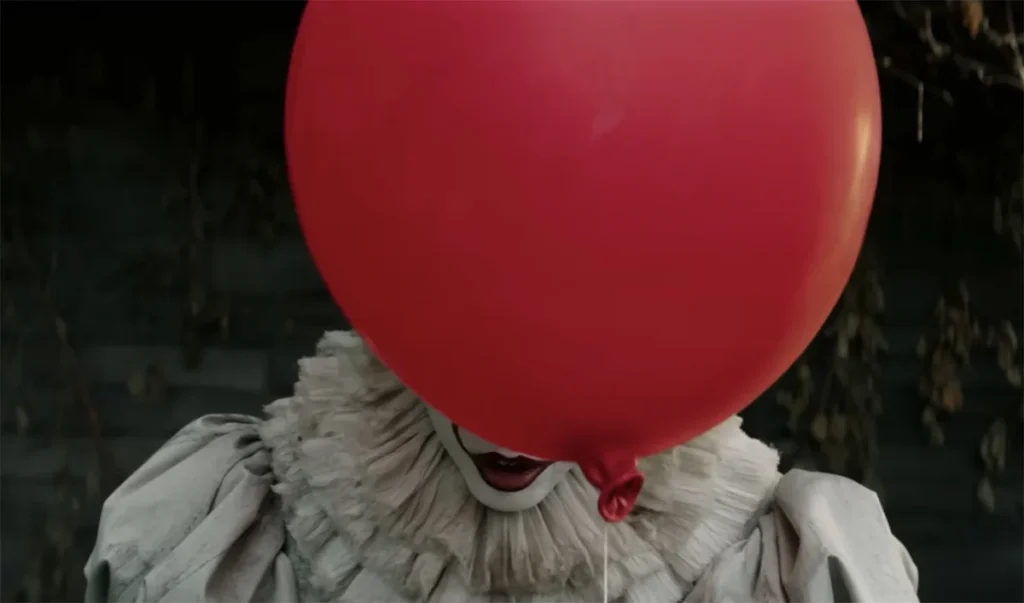
In the case of IT, the appearance of clowns in public spaces across the United States—some mimicking Pennywise the Clown—created a climate of genuine alarm. Law enforcement agencies in several states were forced to issue statements clarifying whether the sightings were related to the film or represented credible threats. Similarly, the Smile campaign involved actors appearing at high-profile events, including sporting games, to maintain a frozen, disturbing smile. While these tactics were undeniably effective in generating viral interest, they also prompted ethical questions regarding the public’s right to occupy shared spaces without being subjected to fear-based psychological stimuli.
Regulatory and Ethical Implications
The recurring nature of these controversies has led to tighter internal self-regulation by major studios. The case of the 2013 Evil Dead remake is a prime example of the MPA’s intervention. The trailer for the film was so violent that it was initially rated NC-17, effectively rendering it unmarketable. Director Fede Álvarez was compelled to recut the footage to meet the criteria for a lower rating. This underscores the power of the MPA in dictating the "marketing window" for horror films.
From a sociological perspective, these incidents highlight a persistent struggle between the artistic desire to push boundaries and the public’s desire for media regulation. Data from the film industry suggests that while controversy can provide a temporary boost in awareness, it also carries the risk of alienating audiences if the "scare factor" is deemed predatory or excessively invasive.
Summary of Impact
The impact of these events on the film industry has been twofold. First, it has led to more sophisticated placement strategies, where studios are increasingly mindful of the target audience for the main feature film. Second, it has solidified the role of the internet as the primary destination for "hardcore" promotional content. By moving the most disturbing aspects of trailers to digital platforms—where viewers have to actively click to view—studios have managed to mitigate the risks associated with involuntary exposure in traditional settings like theaters and broadcast television.
Ultimately, the history of horror marketing serves as a case study in audience psychology. The public’s reaction to these trailers is often a barometer for broader cultural anxiety, reflecting what society deems acceptable in the realm of entertainment. As technology advances and marketing tactics become more integrated into daily life, the tension between cinematic innovation and public sensitivity is likely to continue, necessitating ongoing dialogue between content creators, regulatory agencies, and the viewing public.