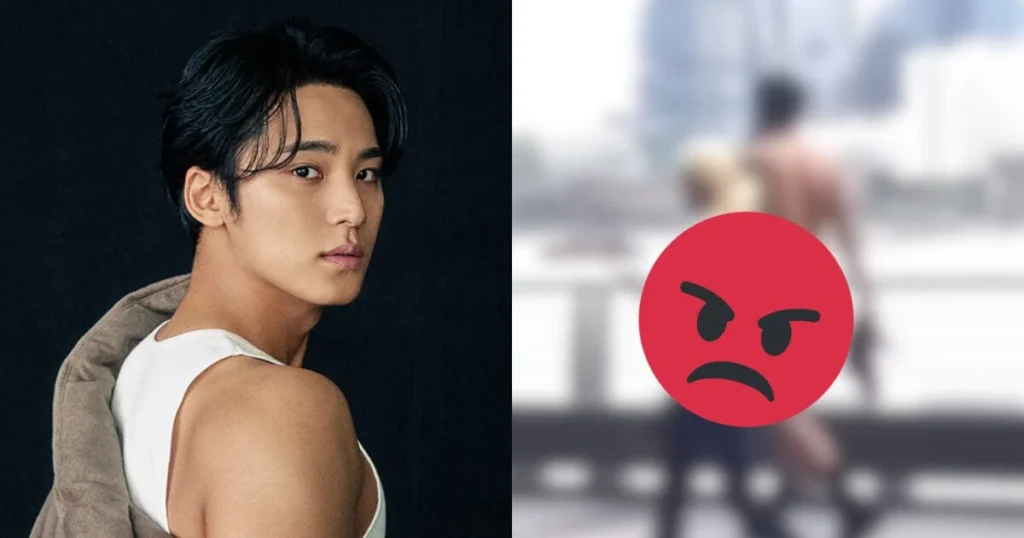

Discussions surrounding the prominent K-pop boy group SEVENTEEN and their concert stage performances have recently ignited a polarizing debate across various social media platforms, drawing sharp divisions within the global fandom community. The controversy, which gained significant traction in late October 2026, centers on the incorporation of backup dancers during live stages, specific interactions between members and the dance crew, and subsequent allegations that quickly escalated into wider discussions concerning online harassment, gender dynamics, and fandom accountability.
Main Facts of the Controversy
The discourse originated from fan complaints regarding the choreography and stage composition utilized during recent SEVENTEEN performances. A segment of the fandom expressed dissatisfaction over the staging choices, arguing that the volume and placement of backup dancers occasionally obstructed the audience’s view of the primary members. What began as a critique of concert production and stage design, however, rapidly transformed into targeted scrutiny directed at individual dancers.
Criticism intensified after several social media posts highlighted specific interactions between SEVENTEEN members and members of the performance crew. Among the primary subjects of online scrutiny was member Mingyu, whose stage presence and interactions with a particular female dancer became the focal point of speculative online commentary. Certain users circulated edited clips and unverified claims suggesting inappropriate familiarity, including allegations that Mingyu was directing personalized performance elements toward the dancer. Furthermore, internet sleuths circulated footage purporting to show Mingyu and the same individual walking together outside of scheduled performance contexts, presenting these clips as circumstantial evidence of a personal relationship.
Parallel to these claims, separate online criticisms were leveled against a backup dancer for her wardrobe choices during a live performance, with accusations alleging she appeared without a brassiere while performing alongside the male idols. This aspect of the discourse drew swift condemnation from various online commentators, triggering a cascade of derogatory remarks, speculative accusations, and baseless claims regarding the personal lives of the professional crew members.
Chronology of Events
The escalation of the controversy followed a structured timeline of digital dissemination across platforms such as X (formerly Twitter) and regional community boards:
- Initial Stage Critiques: Following recent live performances, fans initially posted observations regarding stage blocking, expressing a desire for unobstructed views of all thirteen SEVENTEEN members during choreography-heavy numbers.
- Shift to Personal Scrutiny: Within days, the conversation pivoted from stage mechanics to individual scrutiny. Specific social media accounts began isolating footage of Mingyu and compiling parallel videos of a female backup dancer, attempting to construct narratives surrounding their professional and personal interactions.
- Amplification and Viral Spread: Select posts containing speculative claims accumulated thousands of likes and millions of impressions, facilitated by viral algorithms and shared hashtags. Concurrently, separate threads targeted the wardrobe and physical appearance of specific dancers, introducing derogatory terminology.
- Fandom Counter-Mobilization: As the speculative narratives gained ground, rational factions within the fandom—known globally as Carats—began organizing counter-campaigns to debunk the rumors, provide missing context, and condemn the harassment directed at both the artists and the production staff.
Supporting Data and Visual Evidence Analysis
As the debate intensified, cooler heads within the international fandom brought forward comprehensive video evidence and contextual data that effectively discredited many of the viral allegations.
Regarding the claims of isolated interactions between Mingyu and the specific backup dancer, full-length archival footage from the event revealed that Mingyu was not alone with the individual in question. Instead, the wider video context demonstrated that the idol was part of a larger, collective group of artists and staff members moving together in a public backstage or transit setting. Furthermore, the footage showed Mingyu actively acknowledging and greeting surrounding fans as he moved through the area, contradicting the insinuation of a private or clandestine encounter.
Data regarding the engagement metrics of the originating posts also raised questions within the community. Observers noted that several accounts spearheading the targeted harassment against the dancers had previously maintained inactive statuses or histories of inciting fan-wars involving other prominent entertainment groups before resurfacing to amplify the SEVENTEEN-related rumors. This pattern led to widespread speculation that the controversy was artificially inflamed by malicious actors seeking to sow discord rather than genuine fans expressing legitimate production concerns.
Official Responses and Industry Silence
As of the reporting period, neither PLEDIS Entertainment, the agency managing SEVENTEEN, nor the individual members have issued formal statements addressing the online rumors. In the K-pop industry, agencies frequently balance the need to protect their artists and associated staff from targeted defamation with the risk of granting unwarranted visibility to unfounded internet gossip. Silence from management often reflects a calculated strategy to prevent minor social media controversies from escalating into mainstream news cycles, though it leaves production crew members temporarily vulnerable to unchecked digital harassment.
Industry analysts note that backup dancers, choreographers, and touring staff operate under rigorous professional contracts and are integral components of high-level concert productions. The physical proximity required during complex, synchronized choreography is a standard occupational necessity rather than an indicator of personal relationships. Consequently, agencies face growing pressure from international fan communities to implement stronger protective measures and clear conduct guidelines regarding the harassment of supporting personnel.
Broader Impact and Implications for K-Pop Fandom Culture
The unfolding situation surrounding SEVENTEEN highlights enduring systemic issues within contemporary K-pop fandom culture, particularly regarding parasocial dynamics, misogyny, and digital accountability.
Misogyny and Professional Respect

A central theme emerging from the defense mounted by level-headed fans is the undeniable presence of gender-based bias within the criticism. Observers pointed out that male backup dancers frequently share close physical proximity and collaborative spaces with K-pop idols without facing equivalent scrutiny, privacy invasions, or derogatory labeling. The targeted vitriol directed at female dancers—ranging from invasive wardrobe critiques to baseless accusations regarding their personal character—underscores a persistent strain of misogyny among certain segments of fandoms who struggle to separate professional performance environments from personal boundaries.
The Illusion of Access and Parasocial Boundaries
The controversy also serves as a case study in the perils of modern parasocial relationships. When fans develop an intense, localized sense of ownership over an idol’s public image, routine professional collaborations can be misinterpreted through a lens of jealousy or betrayal. The weaponization of edited video clips to fabricate narratives of romantic entanglement illustrates how easily digital communities can distort reality to fit preconceived emotional narratives.
Fandom Self-Policing and Accountability
Positively, the incident demonstrated the growing capacity of fandoms to self-police and push back against toxic online behavior. Prominent fan accounts across Korean, Japanese, Chinese, and Western communities actively utilized metrics, full-context video uploads, and educational threads to dismantle the misinformation campaign. By calling out malicious accounts and reframing the conversation around the protection of working professionals, these fans underscored the importance of digital literacy and ethical engagement.
Conclusion
The recent controversy involving SEVENTEEN and their staging crew underscores the complex challenges facing modern entertainment groups in an era of hyper-connected, instantaneous social media critique. What began as a minor discussion regarding concert production evolved into a broader cultural test for the fandom, exposing the darker corners of online speculation while simultaneously highlighting the resilience of rational community members committed to truth, professionalism, and mutual respect. As the industry continues to evolve, the demand for enhanced digital safety protocols—protecting both idols and the dedicated staff who share the stage with them—remains more critical than ever.