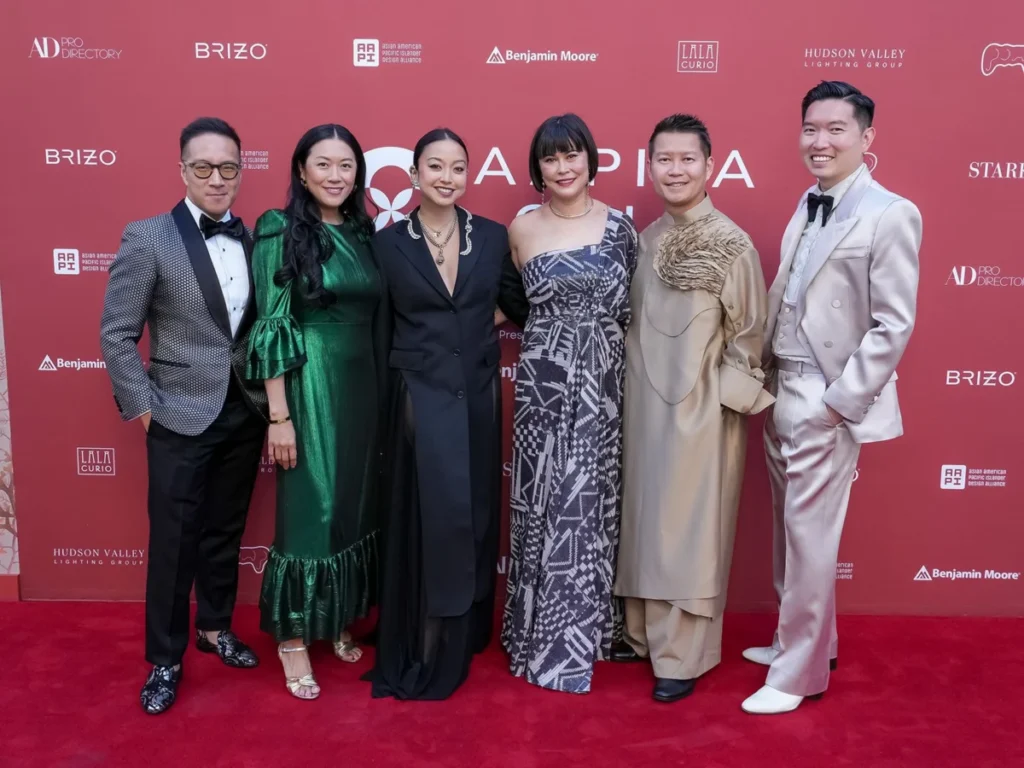

On the evening of May 6, the Audrey Irmas Pavilion in Los Angeles served as the backdrop for a historic milestone in the American design landscape: the inaugural Asian American Pacific Islander Design Alliance (AAPIDA) Gala. Welcoming more than 300 guests, including world-renowned architects, interior designers, and industry stakeholders, the event marked the first formal gala for the national nonprofit organization. Since its inception five years ago, AAPIDA has evolved from a nascent networking group into a vital force for advocacy and professional development. The gala, themed "An Evening of Light," celebrated the contributions of AAPI professionals while addressing the ongoing need for visibility and equity in the home and design industries.
A Gathering of Creative Visionaries and Cultural Heritage
The atmosphere at the Audrey Irmas Pavilion was one of both high-fashion elegance and a "far-flung family reunion," as described by attendees. The event drew a national crowd, with professionals flying in from major hubs including New York, Seattle, Chicago, Atlanta, and Hawaii. This geographical diversity underscored the expansive reach AAPIDA has achieved in half a decade.
Cultural identity was at the forefront of the evening’s aesthetics. Will Nguyen, founder of the Los Angeles-based design gallery Collective Form, exemplified the spirit of the event by wearing a traditional gold silk Vietnamese áo dài, tailored specifically for the occasion. This embrace of heritage was echoed throughout the room, as executive board members such as Eric Chang, Claudette McCarron, James Fung, and Noz Nozawa welcomed a guest list that featured some of the industry’s most influential figures. Attendees included AD100 designers Jamie Bush and Leo Marmol, Queer Eye star Bobby Berk, designer Mikel Welch, and etiquette expert Sarah Jane Ho.

The choice of venue was equally symbolic. The Audrey Irmas Pavilion, designed by Shohei Shigematsu of the world-renowned firm OMA, is a masterpiece of modern architecture located in the heart of Koreatown. Its striking geometric form and intricate facade provided a fitting environment for an organization dedicated to pushing the boundaries of spatial and aesthetic innovation.
The Evolution of AAPIDA: From Mentorship to National Advocacy
The Asian American Pacific Islander Design Alliance was founded by interior designers Jessica Davis and Young Huh. Both women recognized a systemic lack of representation for AAPI voices in the mainstream design narrative and sought to create a platform that fostered both professional growth and community solidarity.
Over the past five years, AAPIDA has implemented a multi-faceted approach to industry engagement:
- Educational Seminars: Providing technical and business insights tailored to the unique challenges faced by AAPI entrepreneurs.
- Mentorship Programs: Connecting established industry leaders with emerging talent to bridge the generational and professional gap.
- Curated Tours and Workshops: Offering opportunities for designers to explore traditional crafts and modern manufacturing processes.
Co-founder Young Huh, an AD100 designer, noted that while the organization’s digital and educational initiatives have been successful, the gala was a necessary step in solidifying the community’s physical presence. "We needed a reason to gather and see each other’s faces in one room," Huh stated, emphasizing the human connection required to sustain long-term advocacy.

Recognition of Excellence: The 2026 Award Recipients
A central component of the gala was the presentation of awards recognizing excellence across various stages of the design career path. These awards were themselves works of art, crafted by furniture and lighting designer John Pomp, who is celebrated for his artisanal glasswork.
Lifetime Achievement: Robert Kuo
The evening’s most prestigious honor, the Lifetime Achievement Award, was presented to master artisan Robert Kuo. Known for his profound ability to reinterpret ancient Chinese decorative traditions—such as cloisonné, repoussé, and lacquerwork—for a contemporary audience, Kuo has long been a titan in the world of high-end furnishings. His work is characterized by an organic elegance that bridges Eastern craftsmanship with Western modernism. The award served as a tribute to his decades of influence and his role as a trailblazer for subsequent generations of Asian designers.
Student Scholarship Awards
In a move to ensure the future of the industry, AAPIDA awarded two Student Scholarship Awards to Calvin Ma and Loren Brittany Cruz. These scholarships are designed to alleviate the financial burdens of design education and provide recipients with direct access to the organization’s network of professionals.
Industry Ally Award: Benjamin Moore
The Industry Ally Award was presented to the paint and coatings giant Benjamin Moore. The company was recognized for its consistent support of AAPI designers and its proactive efforts to promote diversity and equity within its corporate structure and marketing initiatives. Such corporate partnerships are seen by AAPIDA leadership as essential for moving the needle on representation at the institutional level.

Cultural Programming and the Power of Representation
The gala was emceed by comedian Dylan Adler, whose presence injected a sense of levity and joy into the proceedings. The evening featured a powerful musical performance by singer Milck, whose anthem "Quiet" has become synonymous with social justice movements. In a poignant moment of personal connection, it was revealed that Milck and AAPIDA board member Noz Nozawa have been friends since kindergarten, highlighting the deep-rooted personal bonds that often underpin professional networks.
The cultural program also included a performance by Kishin Daiko, a taiko drumming group whose rhythmic precision and energy resonated through the pavilion. These performances were not merely entertainment; they were a deliberate integration of AAPI artistic expressions into a space often dominated by Eurocentric design standards.
Jessica Davis, co-founder of AAPIDA, addressed the crowd with a message of empowerment. "Tonight is a testament to the strength of community, the power of creativity, and the importance of representation across our industries," she said. This sentiment was echoed in the closing remarks by Eric Chang, which touched upon the complexities of identity and the struggles often faced by AAPI professionals in navigating industries where they have historically been marginalized.
Industry Implications and the Path Forward
The success of the inaugural AAPIDA Gala reflects a broader shift in the design industry toward inclusive practices. According to industry data, while the AAPI community represents a significant and growing portion of the creative workforce, they remain underrepresented in senior leadership roles within major architecture and design firms—a phenomenon often referred to as the "bamboo ceiling."

By creating a high-profile event that attracts media attention and corporate sponsorship, AAPIDA is effectively lobbying for a permanent seat at the table. The presence of AD PRO as a media sponsor further validates the organization’s influence and the market value of the AAPI design community.
The implications of this movement extend beyond mere networking. There is an increasing demand for "culturally competent" design that respects and integrates diverse heritages without resorting to caricature. Organizations like AAPIDA provide the intellectual and creative framework for this evolution, ensuring that the stories of AAPI designers are told with authenticity and sophistication.
Conclusion: A Celebration That Continued into the Night
As the formal program concluded, the event transitioned into a spirited afterparty. In keeping with a beloved cultural tradition, the night ended with a karaoke session that lasted until 2:00 a.m. Will Nguyen summed up the evening’s conclusion perfectly: "It’s not an Asian party without karaoke."
The inaugural AAPIDA Gala was more than a social event; it was a declaration of presence and a celebration of the enduring impact of Asian American and Pacific Islander talent on the world of design. As the organization looks toward its next five years, the "Evening of Light" serves as a beacon for what is possible when a community unites to celebrate its history while building its future. With plans to expand its scholarship programs and increase its national footprint, AAPIDA has firmly established itself as an indispensable pillar of the American design industry.