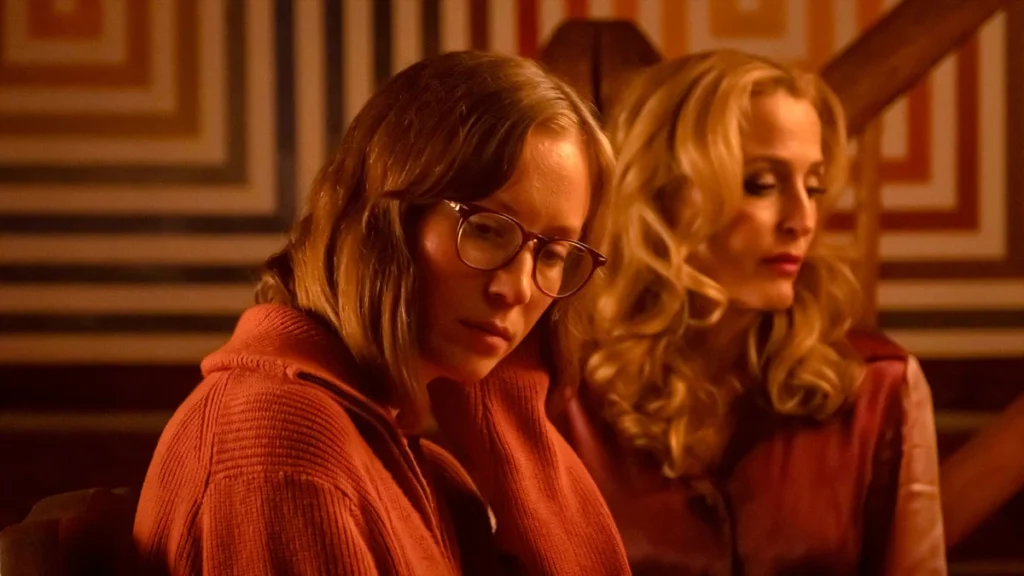

The 79th annual Cannes Film Festival, a cornerstone of the international cinematic calendar, has unveiled its highly anticipated lineup, featuring a provocative and genre-bending entry from acclaimed trans filmmaker Jane Schoenbrun. The film, titled Teenage Sex & Death at Camp Miasma, made its debut on May 14, 2026, generating significant buzz for its audacious exploration of sexuality, horror fandom, and the complex intersection of personal identity and artistic expression. While lauded for its originality and bold creative choices, the film has also sparked discussions regarding its narrative depth and self-indulgent tendencies, drawing a spectrum of reactions from critics and festival-goers alike.
A Bold New Vision from Jane Schoenbrun
Teenage Sex & Death at Camp Miasma marks Schoenbrun’s third feature film, following the critical success of their breakout hit, I Saw the TV Glow, which premiered at Sundance in 2024 and garnered widespread acclaim for its poignant portrayal of online subcultures and identity. With Camp Miasma, Schoenbrun continues to push the boundaries of independent cinema, delving into themes that resonate deeply with their established artistic preoccupations. The film is described as a meta-horror narrative, ostensibly about the struggles of a horror aficionado grappling with profound personal anxieties, particularly around sexual expression and experience.
The central premise of Teenage Sex & Death at Camp Miasma revolves around Kris, a queer horror filmmaker portrayed by Hannah Einbinder. Kris is tasked with developing a remake of a defunct, iconic horror franchise, reminiscent of the Friday the 13th or Halloween series. Her journey takes her to the Pacific Northwest in search of the original "final girl" star of the first film, a reclusive actress named Billy, brought to life by the versatile Gillian Anderson. Kris’s intention is to convince Billy to star in the new production, a move that echoes the recent trend of legacy sequels in established horror franchises. However, the encounter evolves into an unexpected and complex exploration of Kris’s own sexual awakening and inhibitions, blurring the lines between professional ambition and personal revelation.
Thematic Ambitions and Critical Reception
The film’s narrative is deeply rooted in autobiographical introspection, with Schoenbrun reportedly using the horror genre as a vehicle to dissect personal experiences. The review highlights that the film is less about traditional horror scares and more about the internal struggles of its protagonist, framing it as a meta-commentary on the difficulties of sexual expression and fulfillment. The phrase, "There is a hole at the bottom of the lake where the movies come from," serves as a thematic anchor, hinting at the origins of cinematic narratives and their potential to both reflect and distort reality, particularly in the context of personal desires and fears.
However, the film’s approach has been met with a divided response. While acknowledging Schoenbrun’s directorial competence and the film’s unique creative vision, some critics, including the original reviewer, have pointed to a tendency towards self-indulgence. The critique suggests that Camp Miasma, like Schoenbrun’s previous works, can feel overly "therapy-as-filmmaking," prioritizing personal catharsis over robust narrative development. The film’s exploration of horror tropes, particularly its commentary on Hollywood’s penchant for rebooting established franchises with a "woke" agenda, is seen by some as ironically undercut by its own meta-narrative, which involves the creation of a fake remake. This has led to discussions about whether the film’s self-awareness elevates its message or ultimately dilutes it.
Performance Highlights: Einbinder and Anderson
Despite these narrative critiques, the performances in Teenage Sex & Death at Camp Miasma have been widely praised. Hannah Einbinder delivers a compelling and vulnerable portrayal of Kris, embodying the character’s insecurities and artistic aspirations with a raw honesty. Her performance is crucial in anchoring the film’s emotional core.

However, it is Gillian Anderson’s turn as Billy, the enigmatic former "final girl," that has truly captivated audiences and critics. Anderson is lauded for her seamless transition into the complex role, bringing a nuanced depth and magnetic presence to the character. Her performance is described as being on a "whole other level," effortlessly drawing viewers into Billy’s world and her own unique narrative arc. The synergy between Einbinder and Anderson is seen as a significant strength of the film, providing a compelling dynamic that elevates the material.
Cannes 2026: A Festival of Diverse Voices
The inclusion of Teenage Sex & Death at Camp Miasma in the Cannes lineup underscores the festival’s commitment to showcasing diverse and challenging cinematic voices. The 79th edition of the festival, which runs from May 13 to May 24, 2026, features a robust selection of international films, spanning various genres and directorial styles. The presence of Schoenbrun’s work alongside established auteurs and emerging talents reflects Cannes’ ongoing role as a global platform for cinematic innovation and artistic discourse.
The film’s thematic engagement with the evolution of horror cinema, the cultural impact of remakes, and the personal journeys of queer artists positions it as a significant talking point within the broader conversation about contemporary filmmaking. As the festival progresses, further critical analysis and audience reactions are expected to provide a more comprehensive understanding of Teenage Sex & Death at Camp Miasma‘s place within the cinematic landscape.
Implications for Independent Cinema and Genre Exploration
Teenage Sex & Death at Camp Miasma‘s reception at Cannes offers valuable insights into the current state of independent horror and the increasing visibility of trans filmmakers. Jane Schoenbrun’s continued exploration of identity through unconventional narrative structures and genre subversion aligns with a broader trend in cinema towards more personal and introspective storytelling. The film’s success in sparking debate, even amidst criticism of its execution, highlights the power of cinema to provoke thought and engage audiences on complex emotional and psychological levels.
The film’s commentary on the current state of horror franchises and the concept of "woke" remakes also taps into a significant cultural dialogue. By directly addressing and, in some ways, participating in this phenomenon through its meta-narrative, Schoenbrun’s film prompts questions about authenticity, artistic intent, and the commercial pressures that shape the film industry. The fact that the film is generating such discussion, and received a rating of 7 out of 10 from the initial review, suggests that despite its perceived flaws, it possesses a unique artistic merit that resonates with a segment of the film community. The careful consideration given to the performances, particularly Anderson’s, indicates that the film’s strengths lie in its character development and the emotional authenticity of its leads, even if the overarching narrative structure invites critique.
As Teenage Sex & Death at Camp Miasma continues its festival run and awaits potential wider distribution, its impact on discussions surrounding queer cinema, genre filmmaking, and the evolving role of directors like Jane Schoenbrun will undoubtedly be a subject of continued interest and analysis. The film stands as a testament to the enduring power of cinema to explore the depths of human experience, even when navigating the often-turbulent waters of personal identity and artistic ambition.