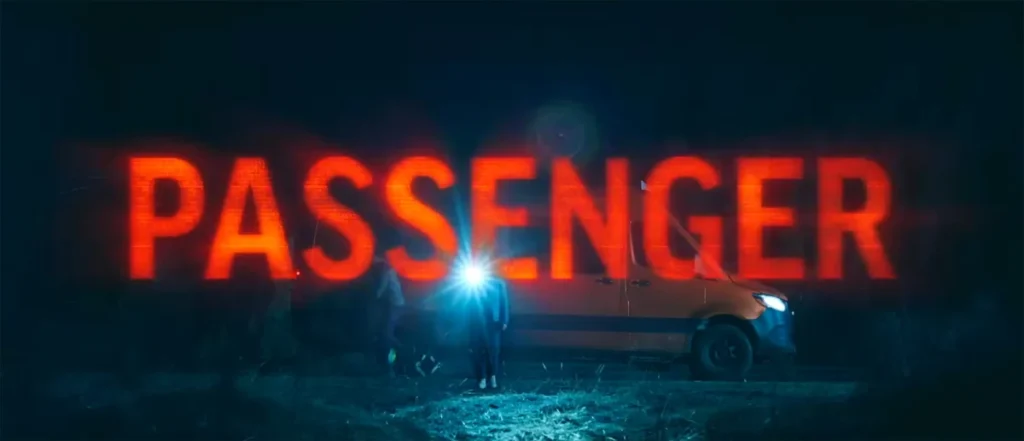

Paramount Pictures has unveiled a new behind-the-scenes featurette titled "Rough Roads" for André Øvredal’s upcoming horror thriller, Passenger. The nearly two-minute clip offers a glimpse into the making of the film, delving into the chilling atmosphere that permeated the production, with several crew members reporting unsettling occurrences and a palpable sense of unease on set. This focus on the production’s eerie ambiance underscores the film’s commitment to delivering a deeply unsettling cinematic experience, amplifying anticipation for its late May theatrical release.
The featurette, released on YouTube, highlights the dedication of the cast and crew to crafting a truly terrifying narrative. However, it also reveals an unexpected layer of fear that extended beyond the scripted events. Reports from the production team suggest a series of unexplained phenomena, leading some to believe the filming location itself may have been haunted. This narrative element, whether intentional or coincidental, aligns perfectly with the film’s core themes of inescapable dread and supernatural pursuit, adding an extra layer of intrigue for horror aficionados.
Passenger centers on a young couple, portrayed by Jacob Scipio and Lou Llobell, whose idyllic van life adventure takes a nightmarish turn after they witness a horrific roadside accident. The incident appears to be a catalyst for a relentless supernatural entity, dubbed "the Passenger," which begins to stalk them, turning their mobile sanctuary into a prison on wheels. The film’s premise taps into primal fears associated with isolation, the vulnerability of being on the road, and the terrifying concept of being pursued by something that cannot be outrun.
"The road can be a scary place," warns a tagline accompanying the film’s promotional materials, a sentiment echoed by the escalating tension depicted in the "Rough Roads" featurette. The accompanying synopsis paints a grim picture: "130 million people take road trips every year. 15,400 of them are never seen again." This stark statistic immediately sets a tone of foreboding, suggesting that the couple’s encounter is far from an isolated incident and hints at a larger, more sinister pattern at play. The film aims to leverage the inherent anxieties of modern travel, particularly the increasing popularity of van life, and transform it into a terrifying ordeal.

The "Rough Roads" featurette not only showcases the technical aspects of filmmaking but also emphasizes the psychological impact of the story and its setting on the crew. While the specific details of the "strange occurrences" are not explicitly elaborated upon in the clip, the emphasis on crew members’ testimonies suggests an atmosphere of genuine apprehension. This approach to filmmaking, where the production environment itself contributes to the film’s intended mood, is a testament to director André Øvredal’s vision for Passenger.
The Director’s Vision: André Øvredal’s Horror Pedigree
André Øvredal, a Norwegian filmmaker with a distinguished track record in the horror and fantasy genres, brings his expertise to Passenger. His previous works, including the critically acclaimed Troll Hunter, the eerie Scary Stories to Tell in the Dark, and the maritime horror The Last Voyage of the Demeter, have established him as a director adept at building suspense and crafting visually striking, atmospheric narratives. His involvement with Passenger signals a strong directorial hand guiding the film’s descent into terror.
Øvredal’s filmography demonstrates a consistent ability to blend creature features, supernatural elements, and grounded human drama. In Troll Hunter, he revitalized folklore with a mockumentary style, while Scary Stories to Tell in the Dark successfully translated beloved children’s horror tales into a cinematic experience for a broader audience. The Last Voyage of the Demeter, though met with mixed reviews, showcased his talent for creating a claustrophobic and terrifying atmosphere aboard a doomed ship. With Passenger, Øvredal appears to be returning to his roots of crafting a more intimate, yet equally terrifying, supernatural thriller, this time focusing on the isolation and vulnerability of the open road.
The screenplay for Passenger is co-written by Zachary Donohue and T.W. Burgess, with Walter Hamada and Gary Dauberman serving as producers. This collaboration brings together established talent in horror filmmaking, further bolstering expectations for the film’s quality and its ability to resonate with audiences. Dauberman, known for his work on the Conjuring universe and the It films, brings a wealth of experience in crafting successful mainstream horror.
Release and Anticipation
Passenger is slated for a U.S. theatrical release on May 22, 2026, a date strategically chosen to capitalize on the late spring movie-going season. The film is positioned as a significant horror release for the period, promising to deliver a potent dose of supernatural dread. The earlier release of the chilling trailer, which provided a more direct look at the film’s narrative and terrifying antagonists, has already generated considerable buzz within the horror community.

The "Rough Roads" featurette, along with the previously released trailer and new promotional poster art, is designed to build sustained anticipation. The posters, often a key element in a film’s visual identity, depict scenes of isolation and impending doom, reinforcing the film’s commitment to a dark and unsettling aesthetic. One poster features the van engulfed in shadow, hinting at the pervasive presence of the supernatural, while another focuses on the frightened expressions of the protagonists, emphasizing the human element at the heart of the terror.
Data and Context: The Allure and Peril of Road Trips
The film’s premise taps into the enduring cultural fascination with road trips. Annually, millions embark on journeys across vast landscapes, seeking adventure, freedom, and escape. According to various travel industry reports, road trips remain a dominant form of leisure travel, particularly in North America. In the United States alone, pre-pandemic figures often cited over 100 million individuals undertaking road trips annually for vacation purposes. This statistic, quoted in the film’s synopsis, serves as a stark reminder of the sheer scale of this activity and, by extension, the potential number of individuals susceptible to the dangers the film explores.
The statistic "15,400 of them are never seen again" is a chilling, albeit fictional, figure designed to heighten the horror. While real-world missing persons statistics are complex and influenced by numerous factors, the film uses this stark number to establish the extraordinary danger faced by the protagonists. The concept of being lost or disappearing on a journey has been a recurring trope in folklore and popular culture, from tales of hitchhikers to the vastness of unexplored territories. Passenger modernizes this fear by placing it within the context of contemporary travel, where the perceived safety of a vehicle can quickly devolve into a trap.
The popularity of van life, a lifestyle choice embraced by a growing demographic seeking freedom and mobility, is also a significant contextual element. This trend, fueled by social media and a desire for unconventional living, presents a unique vulnerability. The van, intended as a mobile home and a symbol of independence, becomes the focal point of the horror, a contained environment where escape is seemingly impossible. The film’s narrative capitalizes on this, transforming a symbol of freedom into a cage.
Broader Impact and Implications
The success of Passenger could further solidify the trend of supernatural horror films that blend familiar anxieties with otherworldly threats. The film’s focus on a seemingly mundane activity like a road trip being corrupted by supernatural forces offers a relatable entry point for audiences, making the terror all the more potent. The "Rough Roads" featurette, with its hints of on-set paranormal activity, could also contribute to a meta-narrative around the film, further blurring the lines between fiction and perceived reality for some viewers.

The film’s release in late May positions it within a competitive summer movie season. Its success will likely depend on its ability to deliver genuine scares and a compelling narrative that distinguishes it from other genre offerings. The presence of established actors like Melissa Leo, known for her versatile and intense performances, alongside Scipio and Llobell, adds significant gravitas to the cast, suggesting that Passenger aims to be more than just a jump-scare fest.
Ultimately, Passenger appears poised to tap into a deep-seated fear of the unknown that lurks just beyond the headlights. The "Rough Roads" featurette serves as a compelling invitation into the film’s dark world, hinting at a production that was as unnerving to create as it is expected to be to watch. As the release date approaches, the film’s blend of supernatural horror, relatable anxieties, and skilled directorial execution promises a memorable and terrifying cinematic journey for audiences. The question remains whether the film can successfully translate its chilling premise and reported on-set eeriness into a box office success and a lasting addition to the horror canon.