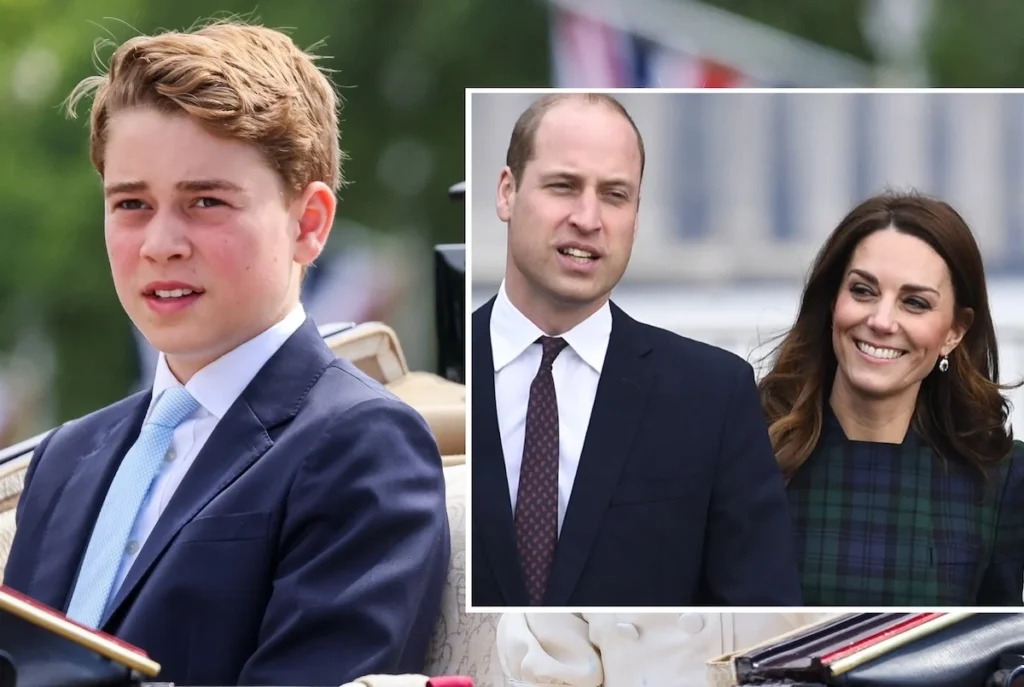

The recent public engagement of Prince George alongside his mother, Princess Catherine, at RAF Coningsby has garnered significant public attention, not only for its poignant connection to the Royal Air Force but also for the striking visual evidence of the young prince’s rapid growth. Images and video disseminated by Kensington Palace on Saturday, June 27, 2026, show Prince George, who is approaching his teenage years, standing notably taller, almost reaching his mother’s shoulder height. This observation has sparked widespread commentary on social media and across news outlets, highlighting the universal sentiment that "time flies" and underscoring the prince’s evolving public presence as a future monarch.
A Significant Royal Engagement at RAF Coningsby
The visit to RAF Coningsby, a critical operational base in Lincolnshire, served multiple purposes, blending education with the ongoing duties of the Royal Family. RAF Coningsby is renowned as the home of the Typhoon multi-role combat aircraft, which forms the backbone of the UK’s quick reaction alert force, defending British airspace. It also houses the Battle of Britain Memorial Flight (BBMF), preserving and operating historic aircraft like the Lancaster bomber, Spitfire, and Hurricane, which played pivotal roles in World War II. This dual identity makes Coningsby a powerful symbol of both contemporary air power and the proud heritage of the Royal Air Force.
During their visit, Princess Catherine and Prince George were afforded a comprehensive tour, engaging directly with service personnel, exploring various aircraft, and even climbing into the cockpits of both modern and historic planes. The palace’s official release emphasized the educational aspect of the outing, designed to give Prince George a deeper understanding of the vital work carried out by the Royal Air Force and the dedication of its members. Such engagements are carefully curated to introduce the younger members of the Royal Family to the institutions they will one day serve and represent, providing them with first-hand experience of the nation’s key sectors, particularly the armed forces, with which the monarchy shares deep historical ties.
The Monarchy’s Enduring Link to the Armed Forces
The British Royal Family has a long-standing and deeply ingrained connection with the armed forces, a tradition that dates back centuries and continues to be a cornerstone of their public service. Many senior royals have served in various branches of the military, embodying a personal commitment to duty and service. King Charles III served in the Royal Navy and Royal Air Force, while his late father, Prince Philip, Duke of Edinburgh, had a distinguished career in the Royal Navy during World War II. Prince William, Prince George’s father, served as an RAF Search and Rescue pilot, a role that brought him into direct contact with critical, life-saving operations and provided him with invaluable experience outside the traditional royal bubble. His service underscored the family’s practical involvement and dedication to the military, rather than merely ceremonial patronage.
Princess Catherine herself holds several military patronages, including that of Colonel of the Irish Guards, a role previously held by her husband. Her active participation in events such as this visit to RAF Coningsby demonstrates her unwavering support for service personnel and their families. For Prince George, these visits are more than just photo opportunities; they are formative experiences that connect him directly to the nation’s defence and the sacrifices made by those who serve. Given his father’s background and his own reported interest in aviation, the visit to an operational airbase like Coningsby would have been particularly engaging and relevant, offering a tangible link to a potential future role as Commander-in-Chief.
Chronology of a Future King: Prince George’s Gradual Public Emergence
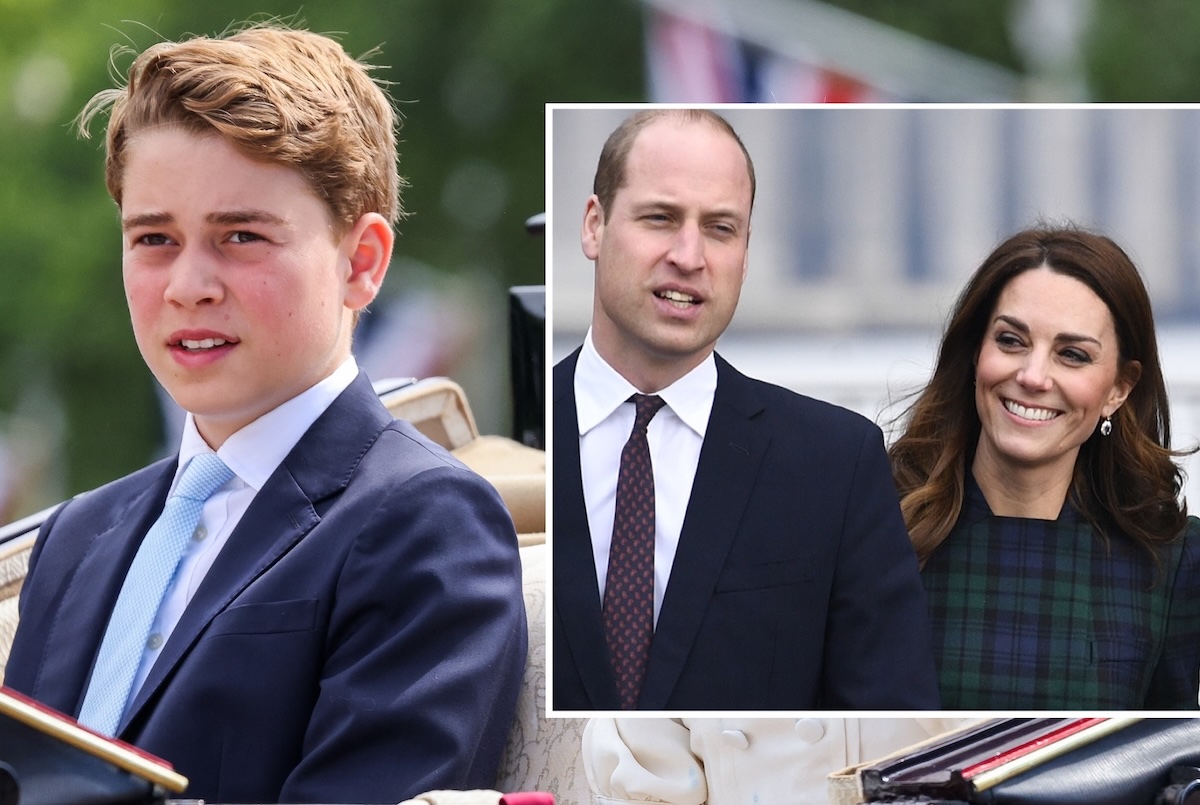
Prince George Alexander Louis of Wales, born on July 22, 2013, has been in the public eye since his birth, but his public role has been carefully managed to allow for as normal a childhood as possible, while progressively introducing him to his future responsibilities.
- Early Childhood (2013-2016): As a baby and toddler, Prince George’s appearances were limited to significant family events such as his christening, annual Christmas Day services at Sandringham, and the Trooping the Colour balcony appearances. These early sightings were highly anticipated, with the public eagerly watching for glimpses of the future king. His initial encounters with the public were largely as a charming, sometimes mischievous, toddler, often seen waving from his parents’ arms.
- School Years and Increased Visibility (2017-2022): As he began formal schooling, first at Thomas’s Battersea and later at Lambrook School, his public profile started to subtly increase. He accompanied his parents on select overseas tours, demonstrating growing confidence. Landmark events like the Queen’s Platinum Jubilee in 2022 saw him take a more prominent role, participating in carriage processions and appearing on the Buckingham Palace balcony alongside senior royals. His poised behaviour during these high-profile events, especially during the emotional tributes to his great-grandmother, Queen Elizabeth II, showed a growing understanding of his position.
- The Coronation and Beyond (2023-Present): The coronation of King Charles III in May 2023 marked a significant milestone. Prince George served as a Page of Honour, one of the most visible roles for a child in such a ceremony. Dressed in a traditional scarlet and gold uniform, he walked behind his grandfather, holding the King’s robes, a symbolic act that underscored his direct line to the throne and his increasingly important ceremonial duties. This role was a clear indicator that the deliberate process of preparing him for kingship was accelerating. Subsequent engagements, such as attending Wimbledon or major sporting events, have shown him engaging more actively with the public and demonstrating a keen interest in national events.
The recent RAF Coningsby visit, occurring in June 2026, thus fits into this carefully orchestrated timeline. At nearly 13 years old, Prince George is transitioning from early childhood to adolescence, a period often marked by rapid physical and intellectual development. His increased height, now almost level with his mother, serves as a vivid visual cue of this transition, startling many who still recall him as a much younger child. This physical maturation mirrors his expanding role within the monarchy, moving from a symbolic presence to a more engaged and active participant.
Public Reaction and the "Time Flies" Phenomenon
The public’s reaction to Prince George’s growth, particularly his height in the new video, has been overwhelmingly one of affectionate astonishment. Social media platforms were abuzz with comments expressing disbelief at how quickly he has grown, often accompanied by sentiments like "Wasn’t he just a baby?" and "They grow up so fast!" This reaction is deeply relatable, tapping into the universal experience of watching children mature, a phenomenon amplified when the child in question is a prominent public figure. For many, the sight of Prince George standing tall evokes a sense of shared time, a reminder of the years that have passed since his birth was a global news event.
This collective marvel at his growth underscores the unique bond between the British public and the Royal Family. The royals are not just figures of state; they are, in many ways, an extended national family, and their milestones are observed with a mix of respect, curiosity, and personal connection. The "time flies" narrative also subtly reinforces the continuity of the monarchy, as the public witnesses the next generation literally growing into their future roles.
Analysis of Implications: Preparing a Future King
The carefully planned and increasingly frequent public engagements of Prince George, particularly those involving key national institutions like the armed forces, carry significant implications for the future of the British monarchy.
- Understanding Duty and Service: These early experiences are crucial for instilling a deep understanding of duty, service, and the various facets of national life. By meeting service personnel, observing their work, and learning about their sacrifices, Prince George is being exposed to the responsibilities that will one day fall upon him as head of state and Commander-in-Chief of the armed forces. This experiential learning is far more impactful than theoretical instruction alone.
- Building Public Confidence: By appearing engaged and knowledgeable in public settings, Prince George helps to build public confidence in the stability and future leadership of the monarchy. His increasing poise and genuine interest, as observed during the RAF Coningsby visit, project an image of a young royal who is taking his future role seriously and preparing diligently.
- Modern Monarchy in Practice: The approach taken by Prince William and Princess Catherine in raising their children reflects a more modern approach to royal upbringing. While tradition is respected, there is a clear emphasis on providing their children with practical experiences and a relatively grounded childhood, blending their unique destiny with a semblance of normalcy. This contrasts with earlier generations where royal children were often shielded from direct public duties until much later in life.
- Succession and Stability: The visible growth and increasing public role of Prince George provide a tangible sense of continuity and succession for the monarchy. In an era of evolving political landscapes and public scrutiny, the steady development of the heir to the throne offers reassurance about the long-term stability of the institution. It demonstrates that the future leadership is being nurtured and prepared, ensuring a seamless transition when the time comes.
- Role of Princess Catherine: Princess Catherine’s role in guiding Prince George through these engagements is paramount. Her calm demeanor, her ability to engage both with her son and with the personnel they meet, and her evident commitment to educating her children about their future responsibilities are crucial. She acts as a mentor, facilitating his learning and ensuring he feels supported and confident in these high-profile settings.
In conclusion, the visit to RAF Coningsby marks another significant step in Prince George’s journey towards his future as king. His physical growth, so clearly evident in the recent footage, serves as a powerful metaphor for his evolving role within the Royal Family. These carefully orchestrated engagements, steeped in tradition yet executed with a modern approach to upbringing, are not merely public appearances; they are vital lessons in leadership, service, and the profound responsibilities that await the young prince, ensuring the continuity and relevance of the British monarchy for generations to come. The public’s collective gasp at his height is more than just a fleeting observation; it is a recognition of the passage of time and the unfolding destiny of a future king.